Lyudmila’s marksmanship gives her access to a role often denied to women in wartime.
Why this matches +
These offer a related experience with a meaningful difference in story, tone, or presentation.
An adjacent discovery: a related idea with a different viewing experience.
Genres: War / Drama
Shared film traits
Based on recorded story, mood and style. Your preferences can change the order.
War and civilian life
What changes A Soviet wartime drama combines large-scale battle with a personal story about courage, loss and relationships.
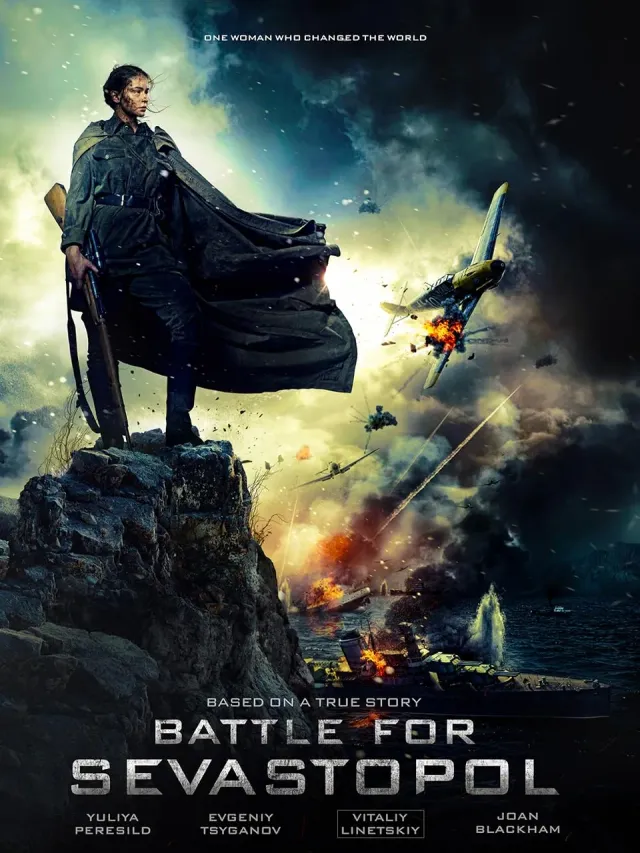
The film follows Lyudmila Pavlichenko from her studies in Kyiv into the Soviet army, where her skill as a sniper brings her to the Eastern Front. Her wartime service, relationships and later public advocacy take shape amid escalating violence and political pressure. Sergey Mokritsky combines a biographical portrait with large battle scenes, emphasizing both the cost of conflict and the way a woman’s achievements become part of a larger public narrative.
A battlefield specialist becomes a propaganda figure, turning an individual pursuit into a contest both commands expect to carry public meaning. Danilov promotes Vassili as a morale symbol, turning an individual marksman into an instrument of wartime messaging.
Why this matches +
These offer a related experience with a meaningful difference in story, tone, or presentation.
An adjacent discovery: a related idea with a different viewing experience.
Genres: War / Drama
Shared film traits
Based on recorded story, mood and style. Your preferences can change the order.
War and civilian life
What changes The Battle of Stalingrad provides the ruined urban setting for Soviet and German soldiers' deadly struggle amid personal loyalties.
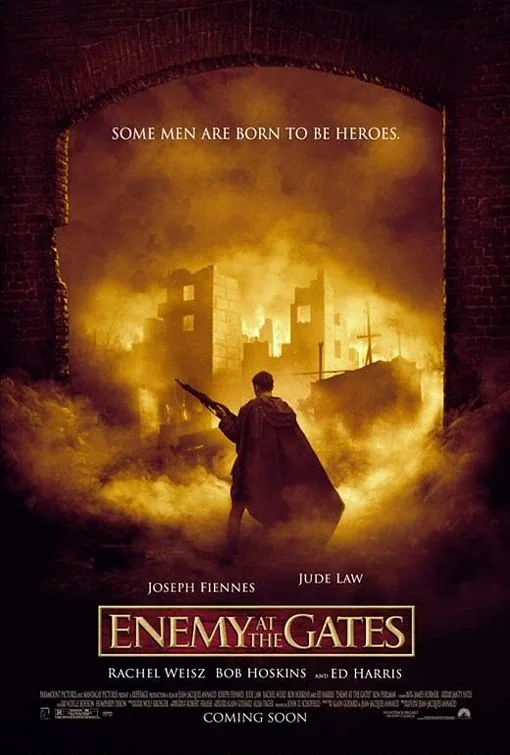
A Soviet soldier's skill as a sniper makes him valuable to a political officer seeking a figure who can restore morale in besieged Stalingrad. Public elevation draws an opposing marksman into a duel whose symbolic meaning exceeds the two men's immediate task. Friendship and romantic rivalry intersect with the machinery promoting the hero, making survival depend on seeing both an enemy's position and the expectations created by one's own side. A sniper duel narrows Stalingrad into personal suspense, subordinating the battle’s scale to a media and rivalry plot.
A small U.S. unit holds an isolated Afghan outpost as repeated attacks culminate in a major battle for survival.
Why this matches +
These offer a related experience with a meaningful difference in story, tone, or presentation.
An adjacent discovery: a related idea with a different viewing experience.
Genres: Action / Drama
Shared film traits
Based on recorded story, mood and style. Your preferences can change the order.
War and civilian life · Survival
What changes A small group defends a vulnerable position against a sustained attack, with individual bonds forming under military pressure.
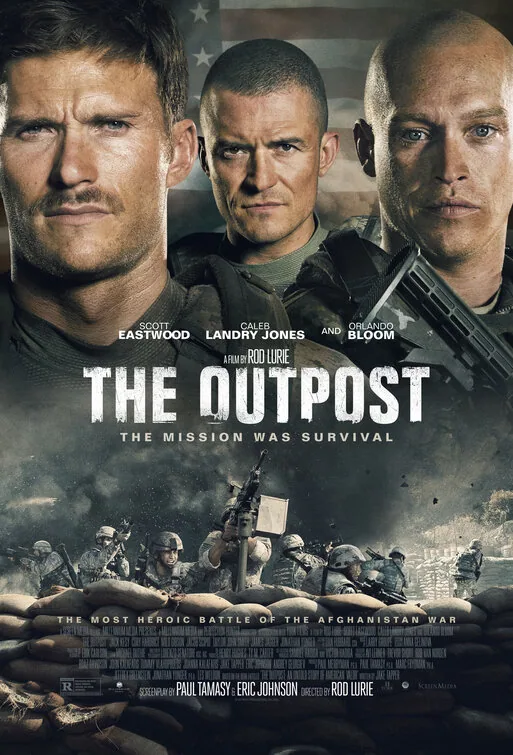
U.S. soldiers stationed at Combat Outpost Keating in Afghanistan face repeated attacks from Taliban fighters and the dangers of holding an exposed base in a remote mountain valley. Captain Keating and later Staff Sergeant Clint Romesha lead a unit whose daily routines, patrols, and relationships unfold under sustained pressure. When a major assault overwhelms the position, the soldiers must defend one another and find a way to survive. Rod Lurie’s war film adapts Jake Tapper’s account of the Battle of Kamdesh as an ensemble story of isolation, leadership, and combat duty.
A replacement soldier's initiation unfolds within a cramped crew whose immediate need for effectiveness repeatedly overrides gentler forms of instruction.
Why this matches +
These offer a related experience with a meaningful difference in story, tone, or presentation.
An adjacent discovery: a related idea with a different viewing experience.
Genres: Drama / Action
Shared film traits
Based on recorded story, mood and style. Your preferences can change the order.
War and civilian life · Survival
What changes Soldiers shelter and fight among devastated buildings during the final stages of World War II, relying on close teamwork.
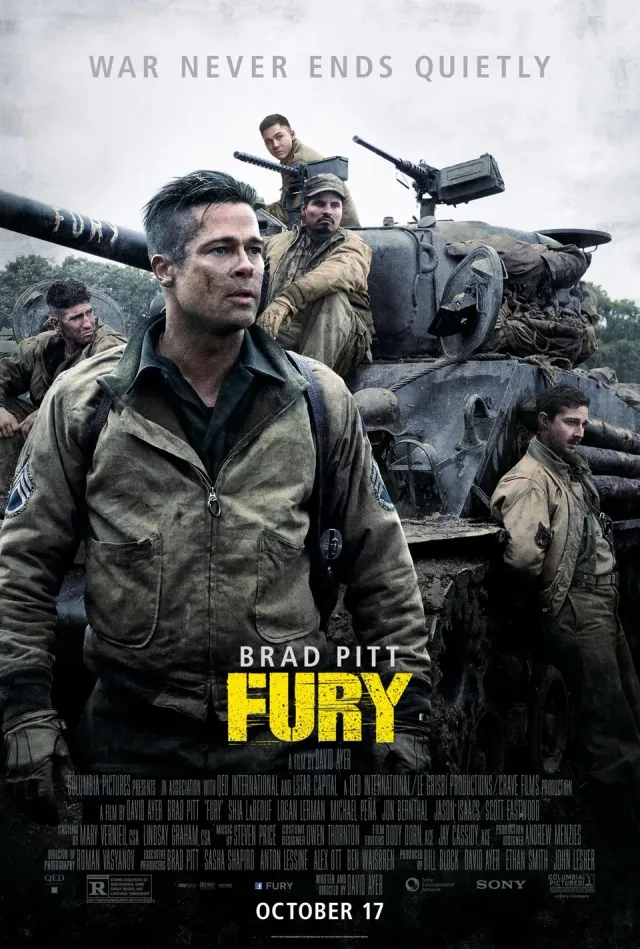
A young soldier with little preparation for combat is assigned to an American tank crew advancing through Germany near the end of the Second World War. The commander attempts to make him useful through methods that alternate between protection and coercion, while exhaustion has narrowed the experienced crew's tolerance for hesitation. Encounters with civilians and increasingly exposed engagements make learning to survive inseparable from deciding how much of one's earlier self can be retained.
A single early Vietnam engagement becomes a two-front story: a unit trying to hold its position and families confronting uncertain news at home.
Why this matches +
These offer a related experience with a meaningful difference in story, tone, or presentation.
An adjacent discovery: a related idea with a different viewing experience.
Genres: Drama / War
Shared film traits
Based on recorded story, mood and style. Your preferences can change the order.
War and civilian life
What changes A group of soldiers faces a prolonged battle against overwhelming odds, with leadership and bonds shaping their survival.
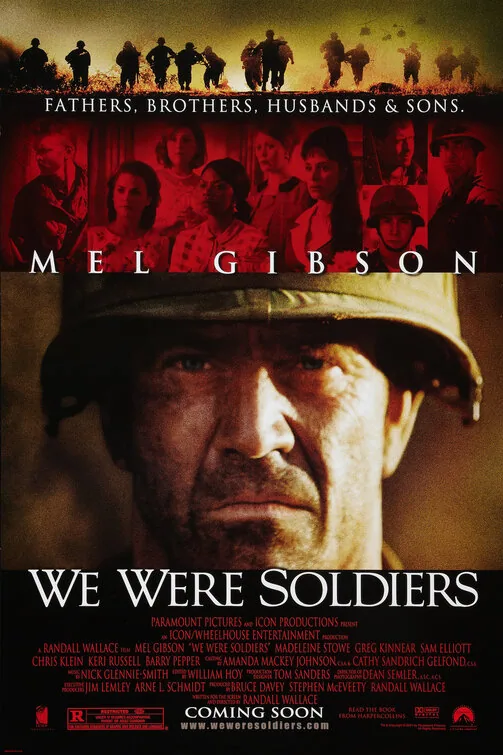
In 1965, Lieutenant Colonel Hal Moore leads a battalion into the Ia Drang Valley, where American forces face a much larger North Vietnamese presence. The film follows the soldiers through a prolonged, difficult battle and also returns to the families waiting at home, especially Moore’s wife Julie as she helps deliver casualty news. Rather than presenting the conflict only through command decisions, it connects battlefield pressure to the people who bear its consequences at a distance. The story is based on Moore and journalist Joseph Galloway’s account of the battle. Casualty letters and the wives' support network create parallel suspense at home. The story moves between orders in the valley and the impact of each notification.
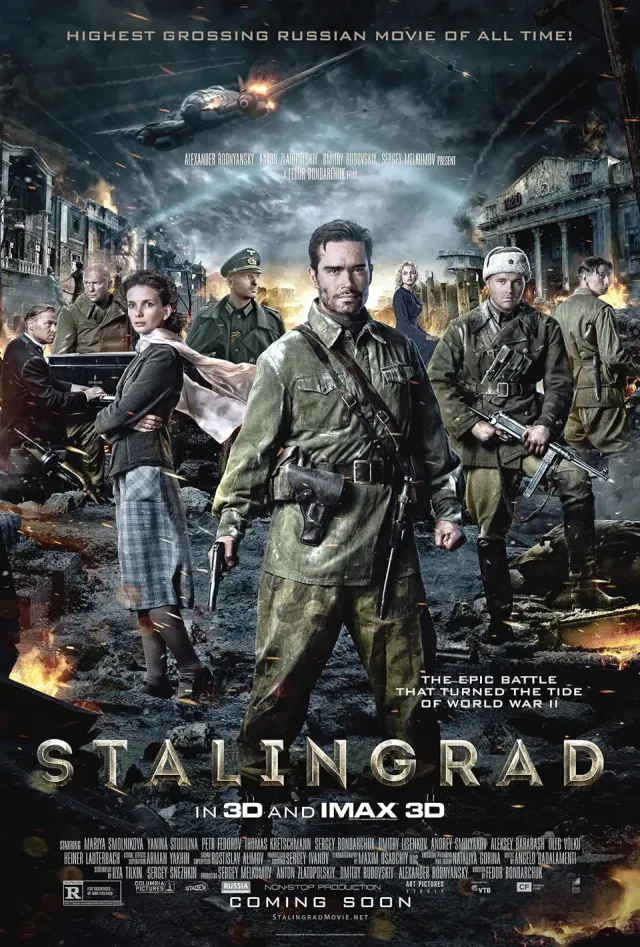
After a rescue effort in 2011, a Russian emergency worker recounts a family story set during the Battle of Stalingrad. In 1942, a group of Soviet soldiers occupy a damaged building and protect a young woman amid the city’s destruction. Fyodor Bondarchuk combines large-scale war spectacle with a melodramatic account of survival, memory and attachment, using the building as a temporary refuge within a battlefield that keeps closing in.
What drives the story
The rescue framing links present-day danger with inherited wartime memory.
The people at its centre
The soldiers’ protective bond with the civilian gives the action a domestic center.
What it feels like
A besieged building makes the larger battle legible as repeated threats to a small group.
Worth knowing
Combat violence and wartime melodrama create an intense historical spectacle.