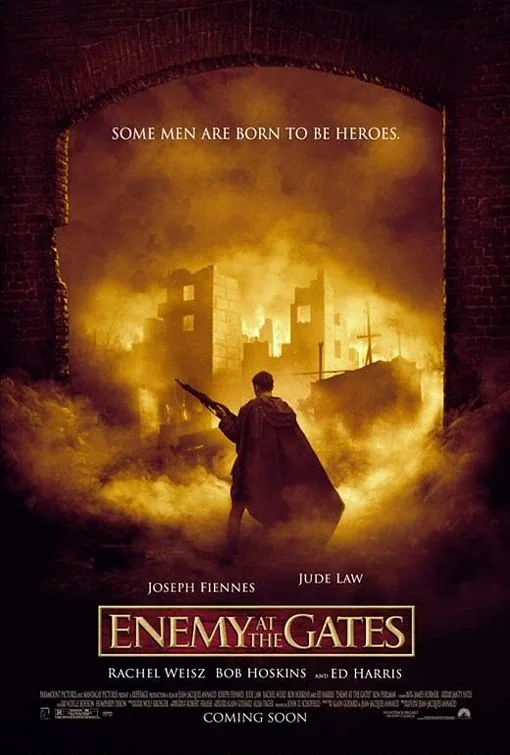
A battlefield specialist becomes a propaganda figure, turning an individual pursuit into a contest both commands expect to carry public meaning. Danilov promotes Vassili as a morale symbol, turning an individual marksman into an instrument of wartime messaging.
Why this matches +
These films share important themes, atmosphere or storytelling interests with this selection.
Genres: War / Drama
Shared film traits
Based on recorded story, mood and style. Your preferences can change the order.
War and civilian life
What changes Its own story: A battlefield specialist becomes a propaganda figure, turning an individual pursuit into a contest both commands expect to carry public meaning. Danilov promotes Vassili as a morale symbol, turning an individual marksman into an instrument of wartime messaging.
A Soviet soldier's skill as a sniper makes him valuable to a political officer seeking a figure who can restore morale in besieged Stalingrad. Public elevation draws an opposing marksman into a duel whose symbolic meaning exceeds the two men's immediate task. Friendship and romantic rivalry intersect with the machinery promoting the hero, making survival depend on seeing both an enemy's position and the expectations created by one's own side. A sniper duel narrows Stalingrad into personal suspense, subordinating the battle’s scale to a media and rivalry plot.
Repeated deployment reinforces a protective military identity while making withdrawal from threat and responsibility increasingly difficult at home.
Why this matches +
These films share important themes, atmosphere or storytelling interests with this selection.
Genres: War / Drama
Shared film traits
Based on recorded story, mood and style. Your preferences can change the order.
War and civilian life
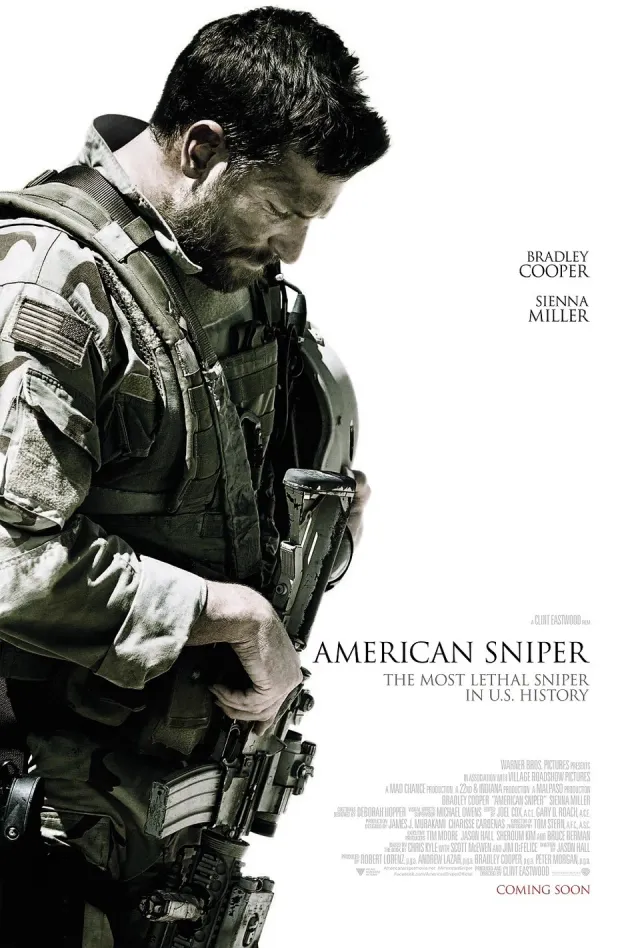
What changes Its own story: Repeated deployment reinforces a protective military identity while making withdrawal from threat and responsibility increasingly difficult at home.
A Navy SEAL becomes known for his skill as a sniper during repeated deployments to Iraq, where protecting fellow soldiers supplies a clear sense of duty. Returning home does not restore the ease or attention his family needs. The film follows the widening distance between battlefield usefulness and domestic presence, as exposure to threat and a continuing identification with military responsibility make civilian life another difficult environment to inhabit.
Capture gives Algren time to understand the people he was hired to defeat; his shift in allegiance leads into a final battle over modernization and power.
Why this matches +
These films share important themes, atmosphere or storytelling interests with this selection.
Genres: Drama / Action
Shared film traits
Based on recorded story, mood and style. Your preferences can change the order.
War and civilian life
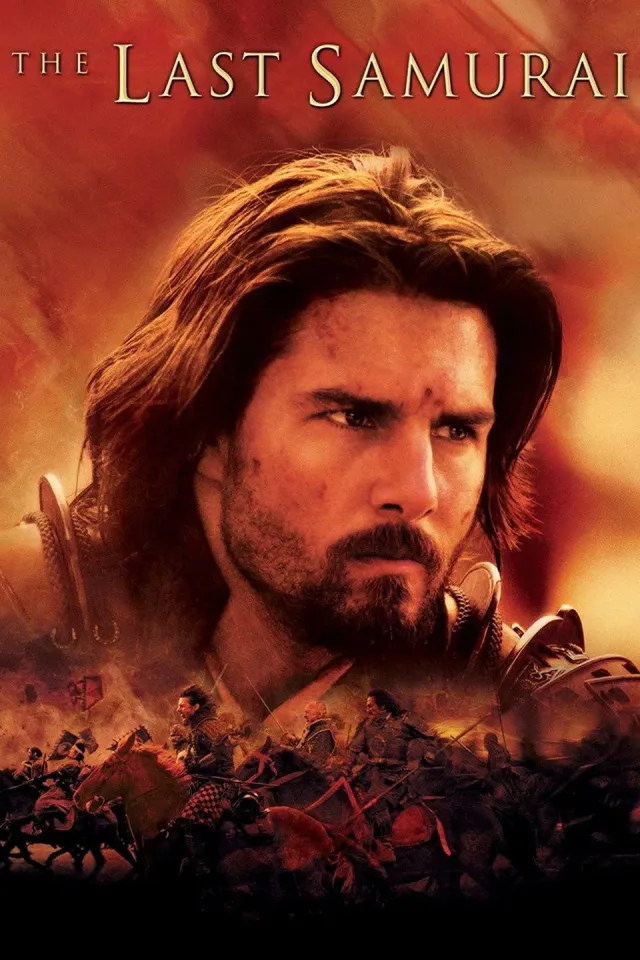
What changes Its own story: Capture gives Algren time to understand the people he was hired to defeat; his shift in allegiance leads into a final battle over modernization and power.
Former U.S. Army captain Nathan Algren is hired to train Japan’s new imperial army, but its recruits are sent into battle before they are ready. Captured by samurai leader Katsumoto, Algren is taken to a village where he gradually learns the language and daily rhythms of the people he was sent to fight. His military past and his experiences in the village change how he understands the conflict, while Katsumoto challenges the government’s rapid modernization. When the imperial army prepares a final attack, Algren must decide where his loyalties lie. The film frames the rebellion through an American outsider’s transformation, making that perspective a major part of its appeal and its limits.
Nanisca’s command is tested by the tension between protecting her people and confronting the kingdom’s own role in enslavement.
Why this matches +
These films share important themes, atmosphere or storytelling interests with this selection.
Genres: Action / Drama
Shared film traits
Based on recorded story, mood and style. Your preferences can change the order.
War and civilian life
What changes Its own story: Nanisca’s command is tested by the tension between protecting her people and confronting the kingdom’s own role in enslavement.
In the 1820s Kingdom of Dahomey, General Nanisca trains a new group of women warriors as the Agojie face conflict with the Oyo Empire and the expanding slave trade. Recruit Nawi resists the role expected of her and gradually finds a place among the soldiers. The historical action drama centers women’s military skill and solidarity while dramatizing political choices and a violent period of West African history.
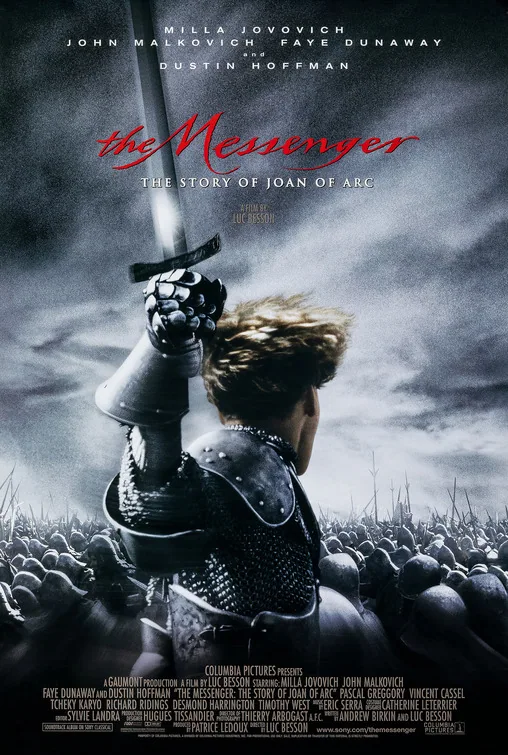
Joan’s victories strengthen the French cause but also make her difficult for political leaders to control; capture shifts the conflict from battlefield command to interrogation.
Why this matches +
These films share important themes, atmosphere or storytelling interests with this selection.
Genres: Drama / Biography
Shared film traits
Based on recorded story, mood and style. Your preferences can change the order.
War and civilian life
What changes Its own story: Joan’s victories strengthen the French cause but also make her difficult for political leaders to control; capture shifts the conflict from battlefield command to interrogation.
As a child in fifteenth-century France, Joan hears voices she understands as divine instruction. Years later, during the English occupation, she convinces the dauphin’s court to let her lead troops toward Orléans and help secure his coronation. Her military success makes her a symbol and a political concern, while battlefield violence and court rivalries test her certainty. Captured by Burgundian forces and handed to the English, Joan faces a trial that challenges both her visions and the motives of those who once supported her. Luc Besson’s film dramatizes her life and leaves the meaning of the voices open to debate.
Escalating persecution reduces a musician's social world to unstable shelters and practical survival, with each reprieve exposing dependence on another person's risk or restraint.
Why this matches +
These films share important themes, atmosphere or storytelling interests with this selection.
Genres: Drama / Biography
Shared film traits
Based on recorded story, mood and style. Your preferences can change the order.
War and civilian life
What changes Its own story: Escalating persecution reduces a musician's social world to unstable shelters and practical survival, with each reprieve exposing dependence on another person's risk or restraint.
Polish Jewish musician Władysław Szpilman watches the Nazi occupation of Warsaw progressively strip his family of livelihood, movement and safety. Separated from them during deportation, he survives through forced labour, help from acquaintances and prolonged hiding in a city being destroyed around him. Music remains part of his identity, but endurance depends on contingent aid and temporary shelter rather than the protection professional distinction might once have promised.
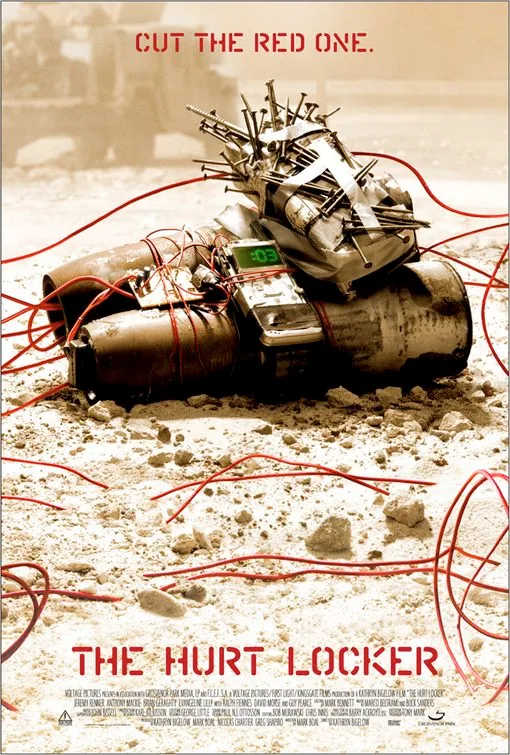
Episodic bomb-disposal missions test the distinction between skilled duty and dependence on danger, while a countdown to departure strains unit cohesion.
Why this matches +
These films share important themes, atmosphere or storytelling interests with this selection.
Genres: Drama / Thriller
Shared film traits
Based on recorded story, mood and style. Your preferences can change the order.
War and civilian life
What changes Its own story: Episodic bomb-disposal missions test the distinction between skilled duty and dependence on danger, while a countdown to departure strains unit cohesion.
A bomb-disposal team in Iraq receives a new leader whose technical ability comes with an appetite for risk that unsettles the men protecting him. Successive calls turn ordinary streets, vehicles and civilian encounters into uncertain threats, while each operation exposes a different limit in the team's trust. As their rotation nears its end, survival appears less difficult to imagine than a shared understanding of what returning to ordinary life would mean.
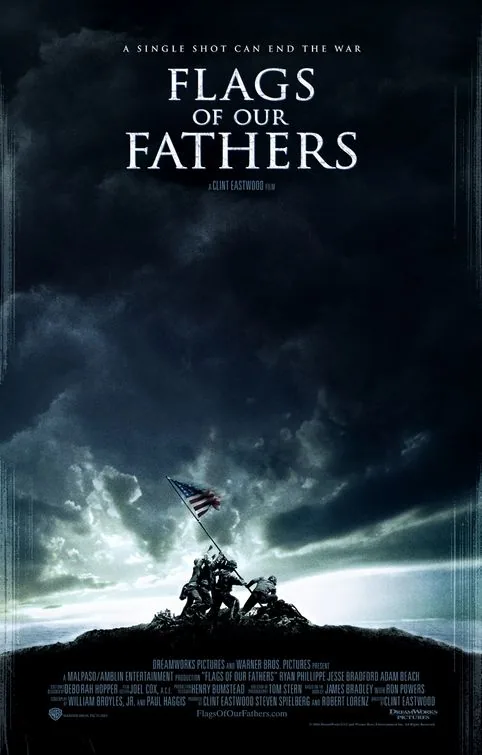
A wartime photograph becomes a fundraising instrument, pulling surviving servicemen between battlefield memory and a public role they did not choose. The bond tour asks survivors to repeat a polished symbol while privately carrying fragmented memories.
Why this matches +
These films share important themes, atmosphere or storytelling interests with this selection.
Genres: War / Drama
Shared film traits
Based on recorded story, mood and style. Your preferences can change the order.
War and civilian life
What changes Its own story: A wartime photograph becomes a fundraising instrument, pulling surviving servicemen between battlefield memory and a public role they did not choose. The bond tour asks survivors to repeat a polished symbol while privately carrying fragmented memories.
After the flag raising at Iwo Jima is photographed, surviving men are brought home to help sell war bonds, and public celebration turns them into symbols before they can agree on what the image means. Flashbacks revisit the battle and the men around the flag, while the campaign asks survivors to perform a heroic story that cannot contain their losses or the experience of those left behind. The 2006 film predates the Marine Corps’ later identity correction: corpsman John Bradley was not in Rosenthal’s famous second-flag photograph; Harold Schultz was. Its reenacted memories and public symbolism should be read separately from that archival record.
Mikael’s personal plans collide with a rapidly worsening political crisis that makes safety and loyalty difficult to separate.
Why this matches +
These films explore a related idea in a different setting, genre or style.
An adjacent discovery: a related idea with a different viewing experience.
Genres: Drama / Romance
Shared film traits
Based on recorded story, mood and style. Your preferences can change the order.
War and civilian life
What changes Its own story: Mikael’s personal plans collide with a rapidly worsening political crisis that makes safety and loyalty difficult to separate.
As the Ottoman Empire enters World War I, Armenian medical student Mikael Boghosian, Armenian-born artist Ana, and American journalist Chris Myers become caught in a love triangle shaped by escalating political violence. Mikael’s medical ambitions and personal loyalties are tested as the characters confront displacement and the Armenian genocide. The historical drama filters a broad catastrophe through relationships and individual choices, combining a romantic story with the danger faced by civilians and journalists.
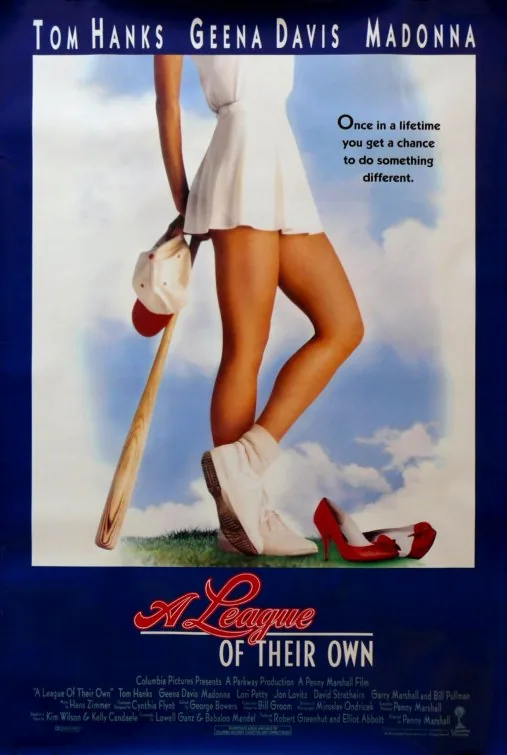
The Peaches compete in a new women's league as the war changes who can play professional baseball.
Why this matches +
These films explore a related idea in a different setting, genre or style.
An adjacent discovery: a related idea with a different viewing experience.
Genres: Comedy / Drama
Shared film traits
Based on recorded story, mood and style. Your preferences can change the order.
War and civilian life
What changes A lighter sports ensemble replaces graphic wartime combat and bereavement; the connection is women proving skill within a wartime institution that questions their place.
As World War II draws men away from professional baseball, a women's league recruits players from across the country to keep the sport alive. Sisters Dottie and Kit join the Rockford Peaches under the direction of a former major-league player whose drinking and indifference frustrate the team. The season tests the sisters' relationship as much as their skills, while the players build a public place for themselves in a sport that did not expect them.
A contested advance places command pressure against the cost of sending particular men into danger, while shifting perspectives continually exceed the official mission.
Why this matches +
These films explore a related idea in a different setting, genre or style.
An adjacent discovery: a related idea with a different viewing experience.
Genres: Drama / War
Shared film traits
Based on recorded story, mood and style. Your preferences can change the order.
War and civilian life
What changes Its own story: A contested advance places command pressure against the cost of sending particular men into danger, while shifting perspectives continually exceed the official mission.
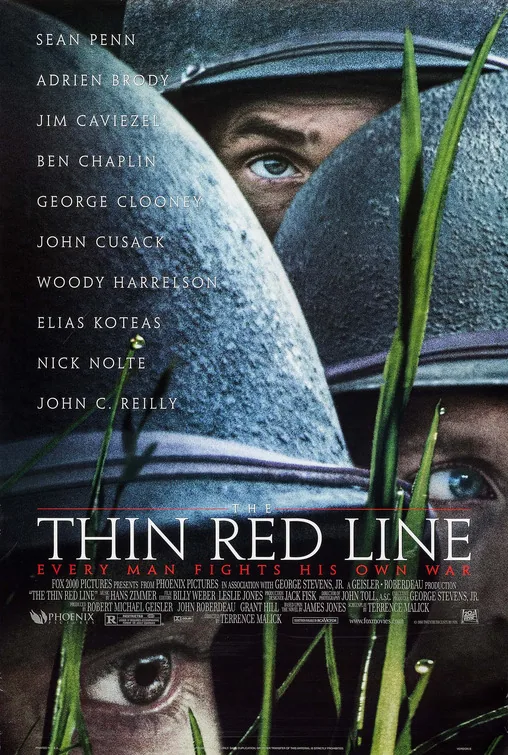
An American infantry company arrives on Guadalcanal and confronts a landscape whose beauty offers no protection from military objectives or unpredictable killing. Attempts to capture a defended position expose differences between career ambition, tactical responsibility and the soldiers' private attachments. Multiple voices reflect on nature, violence and loss as the campaign continues, making neither strategic progress nor individual courage sufficient to explain what the men experience.
The tactical shift to a defense from caves and tunnels changes the battle from an open-front engagement into a prolonged survival problem. Letters provide a second structure, carrying home lives into a position where return is unlikely.
Why this matches +
These films explore a related idea in a different setting, genre or style.
An adjacent discovery: a related idea with a different viewing experience.
Genres: War / Drama
Shared film traits
Based on recorded story, mood and style. Your preferences can change the order.
War and civilian life
What changes Its own story: The tactical shift to a defense from caves and tunnels changes the battle from an open-front engagement into a prolonged survival problem. Letters provide a second structure, carrying home lives into a position where return is unlikely.
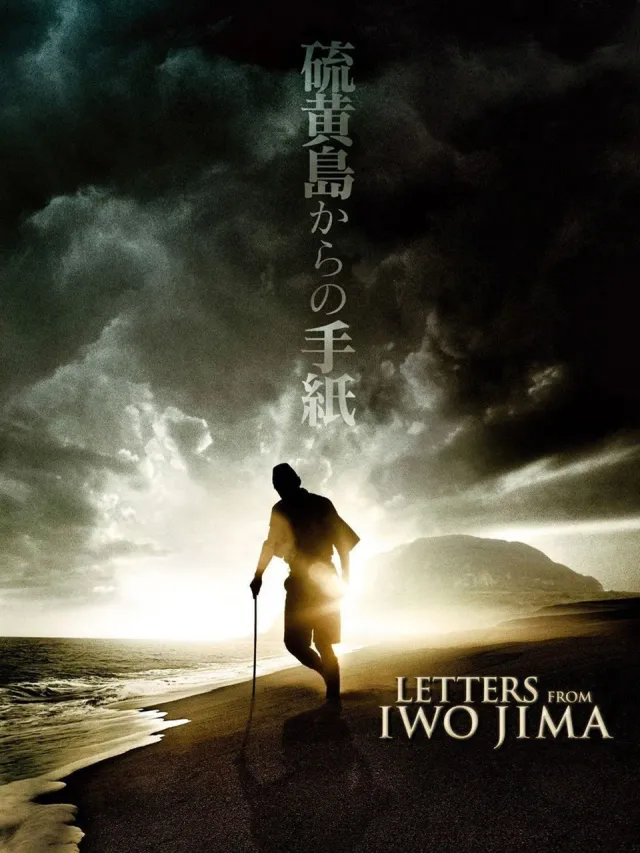
As U.S. forces approach Iwo Jima in 1945, Japanese soldiers prepare to defend an island they know they may not survive. Letters and flashbacks follow General Kuribayashi, Saigo the baker and other men whose motives range from duty and fear to attachment to families at home. Their human individuality complicates the language of national honor without making the film a full account of the Pacific War or Japanese imperial responsibility. Clint Eastwood’s Japanese-language companion to Flags of Our Fathers focuses on one selected military perspective; it does not stand for every Japanese soldier or civilian. The battle’s underground tunnels and fragmented correspondence turn defense into an intimate, enclosed ordeal, while the historical context remains larger than the film’s sympathetic frame.
A rescue order sends an exhausted combat unit across hostile territory, repeatedly forcing tactical decisions against the moral arithmetic of the mission.
Why this matches +
These films explore a related idea in a different setting, genre or style.
An adjacent discovery: a related idea with a different viewing experience.
Genres: Drama / Action
Shared film traits
Based on recorded story, mood and style. Your preferences can change the order.
War and civilian life
What changes Its own story: A rescue order sends an exhausted combat unit across hostile territory, repeatedly forcing tactical decisions against the moral arithmetic of the mission.
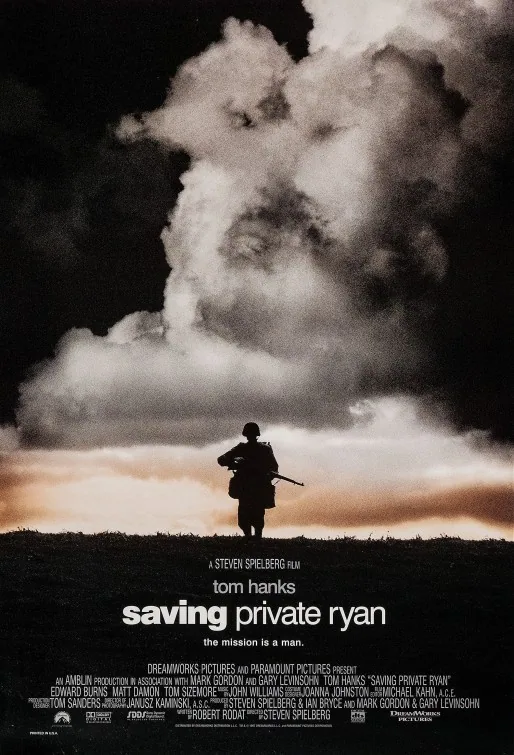
Following the Normandy landings, a squad of American soldiers is ordered to locate a paratrooper whose brothers have been killed and send him home. Their movement through contested French territory exposes them to repeated losses and disagreements about the value of risking several lives for one. A captain's authority must hold the unit together as the mission tests duty, compassion and the uneasy meaning of deserving survival.
The group’s growth protects more refugees but makes food, mobility, and defense increasingly difficult.
Why this matches +
These films explore a related idea in a different setting, genre or style.
An adjacent discovery: a related idea with a different viewing experience.
Genres: War / Drama
Shared film traits
Based on recorded story, mood and style. Your preferences can change the order.
War and civilian life
What changes Its own story: The group’s growth protects more refugees but makes food, mobility, and defense increasingly difficult.
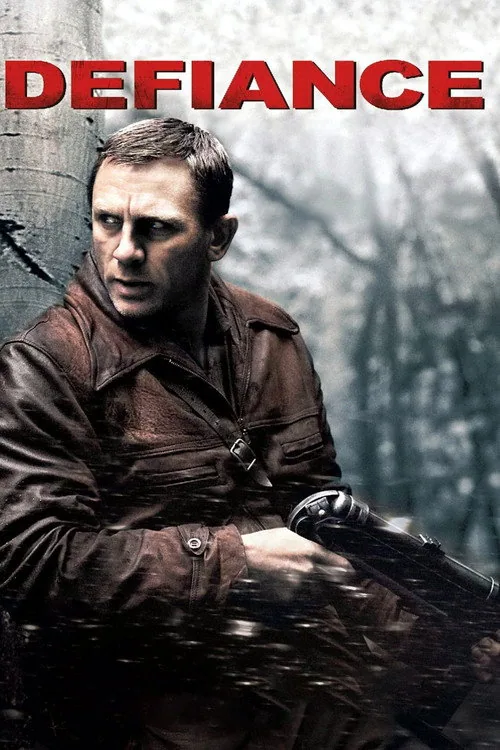
After Nazi forces and local collaborators kill their parents, the Bielski brothers flee into the forests of occupied Belarus and gather Jewish survivors around them. Tuvia prioritizes shelter and preservation of life, while Zus favors more aggressive resistance; the camp’s survival tests their leadership as winter, scarce food, internal conflict, and a German offensive close in. The war drama follows a refuge becoming a community, with armed resistance always tied to the vulnerable people it is meant to protect.
A false accusation produced by limited observation and class assumptions creates a separation that later writing can revisit but cannot simply undo.
Why this matches +
These films explore a related idea in a different setting, genre or style.
An adjacent discovery: a related idea with a different viewing experience.
Genres: Drama / Romance
Shared film traits
Based on recorded story, mood and style. Your preferences can change the order.
War and civilian life
What changes Its own story: A false accusation produced by limited observation and class assumptions creates a separation that later writing can revisit but cannot simply undo.
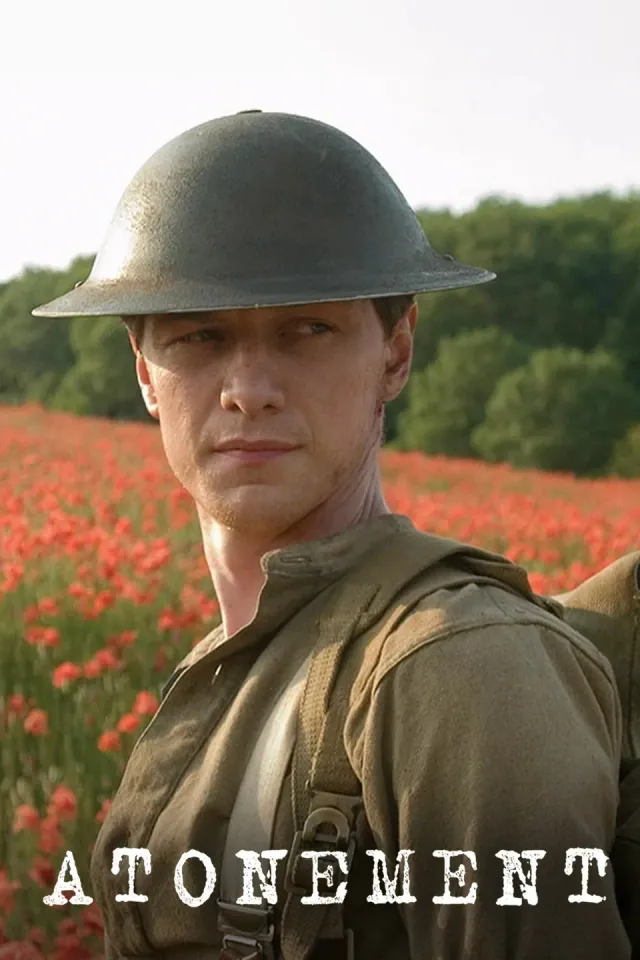
A young girl in an affluent English household misreads encounters between her older sister and the housekeeper's son, then gives testimony that converts private imagination into devastating institutional consequences. The separated couple's attempt to retain a future unfolds against prison, military service and wartime nursing. Later acts of narration revisit what can be known and repaired, exposing a gap between the consolations a story offers and the irreversible lives on which it depends.
A patient's uncertain identity and recollections gradually connect an intimate love affair with betrayals and irreversible losses across a wartime landscape.
Why this matches +
These films explore a related idea in a different setting, genre or style.
An adjacent discovery: a related idea with a different viewing experience.
Genres: Drama / Romance
Shared film traits
Based on recorded story, mood and style. Your preferences can change the order.
War and civilian life
What changes Its own story: A patient's uncertain identity and recollections gradually connect an intimate love affair with betrayals and irreversible losses across a wartime landscape.
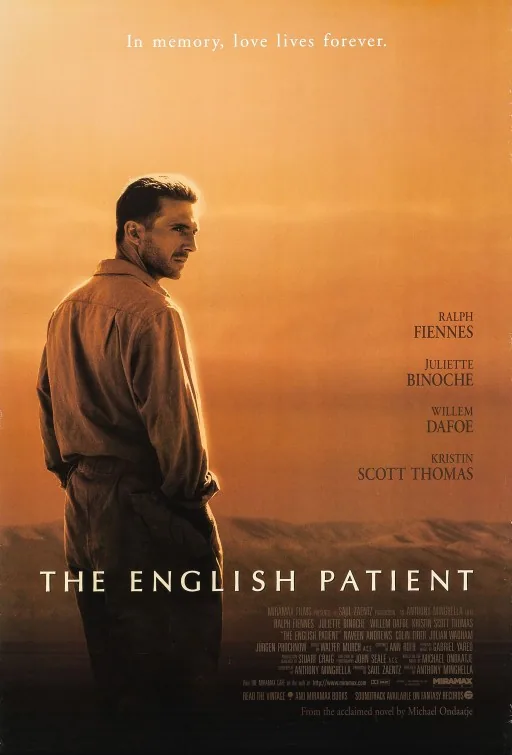
Near the end of the Second World War, a nurse tends a severely burned man in an abandoned Italian monastery while fragments of his earlier life emerge. His memories return to a desert mapping expedition, an affair with a married woman and decisions whose consequences cross wartime allegiances. Other displaced people briefly form a household around the patient's care, placing his consuming lost romance beside more tentative attempts to remain open to life.
Two separated people struggle toward survival and possible reunion, one through a dangerous homeward journey and the other through practical work on a failing farm.
Why this matches +
These films explore a related idea in a different setting, genre or style.
An adjacent discovery: a related idea with a different viewing experience.
Genres: War / Drama
Shared film traits
Based on recorded story, mood and style. Your preferences can change the order.
War and civilian life
What changes Its own story: Two separated people struggle toward survival and possible reunion, one through a dangerous homeward journey and the other through practical work on a failing farm.
As the American Civil War nears its end, wounded Confederate soldier Inman deserts and tries to walk home to Ada, who has learned to keep her farm alive with Ruby's help. Their parallel journeys bring survival, care and violence into focus, but the film's intimate antiwar romance does not supply an even-handed account of the conflict or fully reckon with slavery's political foundation. Ada's labor is as important to the story as Inman's return. Historical context should remain visible beneath the promise of reunion.
A collective codebreaking problem becomes a conflict between secrecy, strategic responsibility and an institution's treatment of the individual it has used.
Why this matches +
These films explore a related idea in a different setting, genre or style.
An adjacent discovery: a related idea with a different viewing experience.
Genres: Drama / Biography
Shared film traits
Based on recorded story, mood and style. Your preferences can change the order.
War and civilian life
What changes Its own story: A collective codebreaking problem becomes a conflict between secrecy, strategic responsibility and an institution's treatment of the individual it has used.
During the Second World War, mathematician Alan Turing joins a secret British effort to decipher German communications and pursues a machine-based approach that initially alienates colleagues. Collaboration gradually becomes essential to making the device useful, while success introduces questions about how decoded information can be used without revealing its source. A later investigation of his private life places this hidden contribution beside the state's persecution of his sexuality.
Mission demands create openings for expertise while segregated procedures and professional barriers force three women to pursue different routes to access and recognition. The mission deadline creates opportunity, while segregation still shapes who can enter a room and receive credit.
Why this matches +
These films explore a related idea in a different setting, genre or style.
An adjacent discovery: a related idea with a different viewing experience.
Genres: Drama / History
Shared film traits
Based on recorded story, mood and style. Your preferences can change the order.
What changes An uplifting workplace and scientific achievement drama replaces combat injury and romantic loss; both examine recognized skill challenged by institutional exclusion.
At NASA’s segregated Langley center, mathematician Katherine Johnson, computing-unit leader Dorothy Vaughan and aspiring engineer Mary Jackson confront different barriers to work they are qualified to do. The space race creates demand for their expertise but does not automatically grant access, credit or promotion; each woman develops a distinct strategy, and their friendship makes those efforts more sustainable. The film compresses events and invents the composite supervisor Al Harrison. NASA historians have also noted that the famous bathroom walk was a real kind of injustice but not an event that happened to Johnson as shown. The drama’s momentum should not turn institutional change into a gift from one benevolent manager.
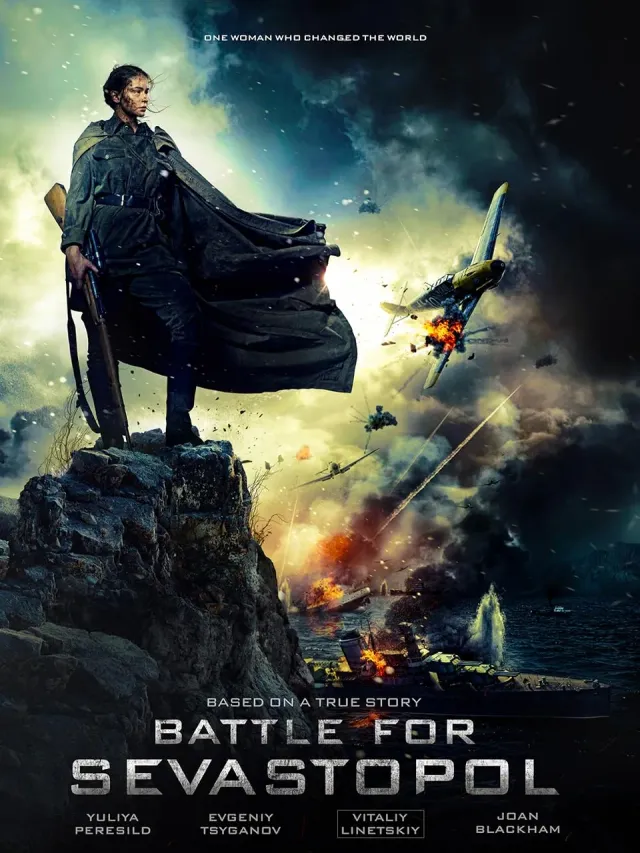
The film follows Lyudmila Pavlichenko from her studies in Kyiv into the Soviet army, where her skill as a sniper brings her to the Eastern Front. Her wartime service, relationships and later public advocacy take shape amid escalating violence and political pressure. Sergey Mokritsky combines a biographical portrait with large battle scenes, emphasizing both the cost of conflict and the way a woman’s achievements become part of a larger public narrative.
What drives the story
Lyudmila’s marksmanship gives her access to a role often denied to women in wartime.
The people at its centre
Public recognition does not erase the personal loss and strain attached to combat.
What it feels like
The biography uses battle episodes to connect an individual life with national memory.
Worth knowing
Violence, bereavement and wartime pressure make the film emotionally demanding for most viewers.
CourageWarGender
Mood
Solemn · Intense · Resilient
Pacing
Chronological · War-driven
Visual style
Battlefield scale · Period uniforms · Muted war palette
Storytelling
Biographical soldier · Sniper training · Front-line conflict