Movies like The Messenger: The Story of Joan of Arc
1999 · Luc Besson
Runtime: 2h 28mMPA rating: R
Explore films connected to The Messenger: The Story of Joan of Arc through Faith, Political power, Doubt. Choose the qualities you want to carry into your next watch.
What should feel similar?
Find your next favourite
9 films · Closest overall matches
Hide films you’ve seen or don’t want. Saved on this device.
No matches for this combination yet.
Try another option or reset your choices to see more films.
Based on recorded story, mood and style. Your preferences can change the order.
What changes The Messenger: The Story of Joan of Arc: battlefield ascent and courtroom and trial questioning. The Passion of Joan of Arc: compressed and relentless.
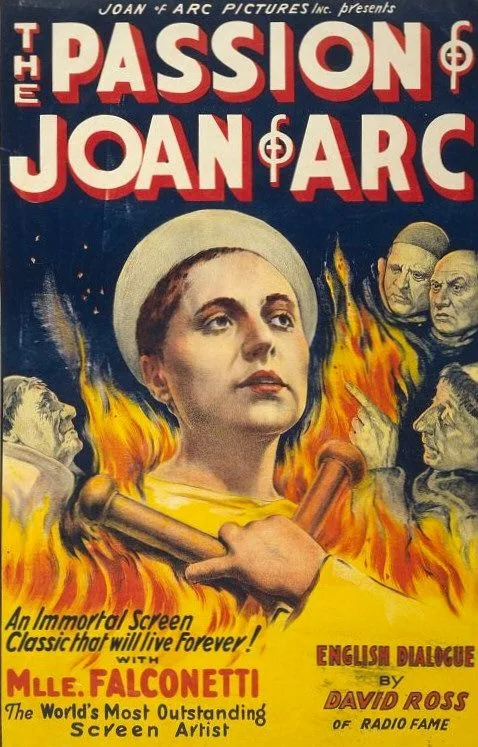
Captured near Compiègne, Joan of Arc is brought before a clerical court in Rouen, where judges loyal to the English seek to discredit her claim that God called her to drive the occupiers from France. Their questions move from doctrine to her visions, clothing and authority, turning the trial into a battle over who has the right to define her. Deception and threats of torture pressure Joan to sign a confession, but she later withdraws it and faces execution. Carl Theodor Dreyer compresses the historical proceedings into an intensely immediate ordeal, focusing on Joan's face and the reactions of the men judging her rather than recreating her military campaign. The film's emotional force comes from the conflict between institutional power and private conviction.
Based on recorded story, mood and style. Your preferences can change the order.
What changes The Messenger: The Story of Joan of Arc: battlefield ascent and courtroom and trial questioning. The Last Duel: three-part and escalating.
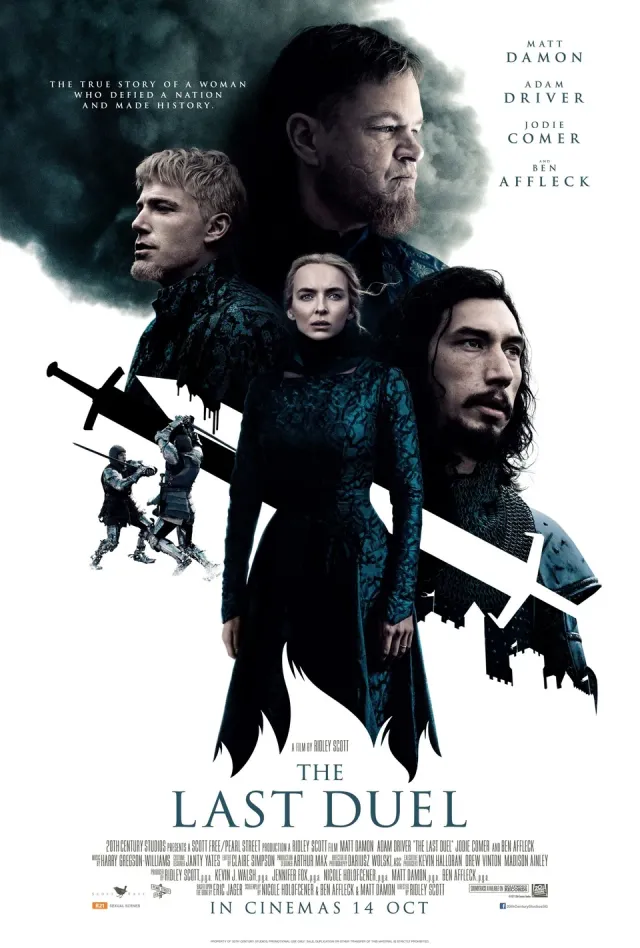
In medieval France, Jean de Carrouges accuses Jacques Le Gris of assaulting his wife Marguerite, and the claim is brought before the king. The film retells the events through three perspectives, revealing where memory, status and self-justification reshape the same encounters. As legal and social institutions fail to offer Marguerite a safe hearing, the impending duel becomes both a public judgment and a violent test of whose account will be believed.
Based on recorded story, mood and style. Your preferences can change the order.
War and civilian life
What changes The Messenger: The Story of Joan of Arc: battlefield ascent and courtroom and trial questioning. Incendies: interwoven and gradually revealing.
After their mother's death, twins Jeanne and Simon receive instructions from her will to find a father they thought was dead and a brother they never knew existed. Jeanne follows the clues to their mother's past in a country scarred by civil war, while the film gradually reconstructs the choices and violence that shaped the family. Denis Villeneuve's drama interweaves a present-day investigation with wartime history, making memory and inheritance difficult to separate.
Based on recorded story, mood and style. Your preferences can change the order.
War and civilian life
What changes The Messenger: The Story of Joan of Arc: battlefield ascent and courtroom and trial questioning. The Passion of the Christ: relentless and episodic.
Set during Passover, the film follows Jesus from prayer in Gethsemane through Judas’s betrayal, arrest, interrogation and condemnation by Roman authorities, ending with his crucifixion and a brief resurrection image. Mary, Mary Magdalene and the disciples witness the escalating punishment, while flashbacks to Jesus’s teaching and earlier life interrupt the ordeal. Mel Gibson draws on the canonical Gospels and devotional visions associated with Anne Catherine Emmerich, blending sources into a highly graphic theological interpretation. The film gives sustained attention to physical suffering rather than a broad account of Jesus’s ministry, and its allocation of blame between Roman authorities and Jewish leaders has prompted longstanding debate about anti-Jewish framing.
Based on recorded story, mood and style. Your preferences can change the order.
War and civilian life
What changes The Messenger: The Story of Joan of Arc: battlefield ascent and courtroom and trial questioning. Henry V: chorus-led adaptation, campaign episodes and battle climax and diplomatic resolution.
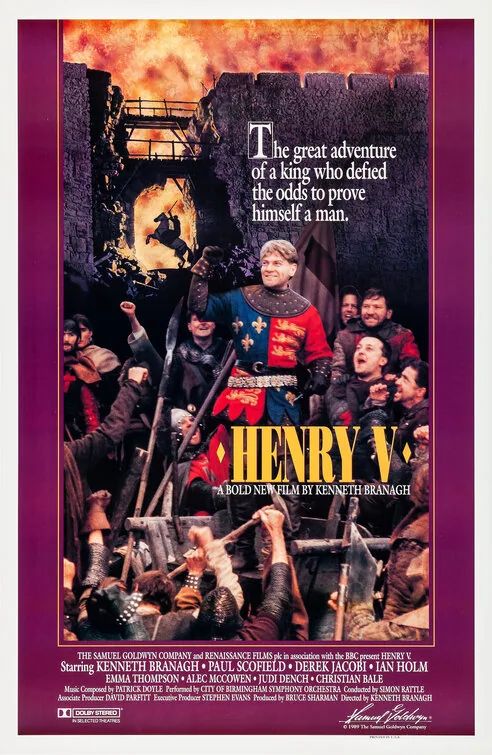
King Henry V claims the French crown and leads an English campaign across the Channel, despite the Chorus’s reminders that the film can only imagine the scale of history through cinema. After taking Harfleur, Henry faces the consequences of war and the threat of defeat at Agincourt, where English troops overcome a larger French force. The campaign is punctuated by debates over kingship, loyalty, responsibility and the treatment of civilians. Shakespeare’s Chorus moves between the modern film set and the medieval action, making the adaptation’s theatrical origins part of its account of how a nation remembers victory.
Based on recorded story, mood and style. Your preferences can change the order.
War and civilian life
What changes The Messenger: The Story of Joan of Arc: battlefield ascent and courtroom and trial questioning. Black Book: fast.
Rachel Stein, a Jewish singer hiding in occupied Netherlands, survives a betrayal and joins the Dutch resistance under a concealed identity. Her infiltration of a German officer's circle gives the resistance access, but intimacy complicates the role and does not suspend occupation's violence. When operations fail and the Netherlands is liberated, Rachel encounters new accusations and institutional loyalties that make safety no more automatic than it was under German rule. Paul Verhoeven's fast-moving thriller challenges simple moral categories without making persecutor and victim equivalent or treating betrayal as evidence that resistance itself was meaningless.
Based on recorded story, mood and style. Your preferences can change the order.
War and civilian life
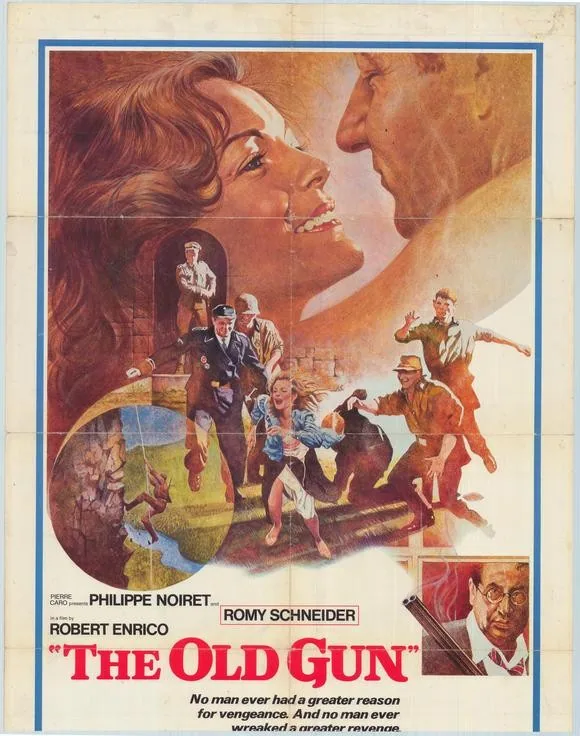
What changes The Messenger: The Story of Joan of Arc: battlefield ascent and courtroom and trial questioning. Le vieux fusil: nonlinear, escalating and confrontational.
In occupied France, surgeon Julien Dandieu sends his wife Clara and daughter Florence to a remote family château, hoping to protect them from the advancing German forces. When he later finds the village massacred and his family dead, his pacifist convictions give way to a plan for revenge. Using the château's concealed passages and his old hunting rifle, he confronts the soldiers occupying the property, while flashbacks keep his former family life close to the violence.
Based on recorded story, mood and style. Your preferences can change the order.
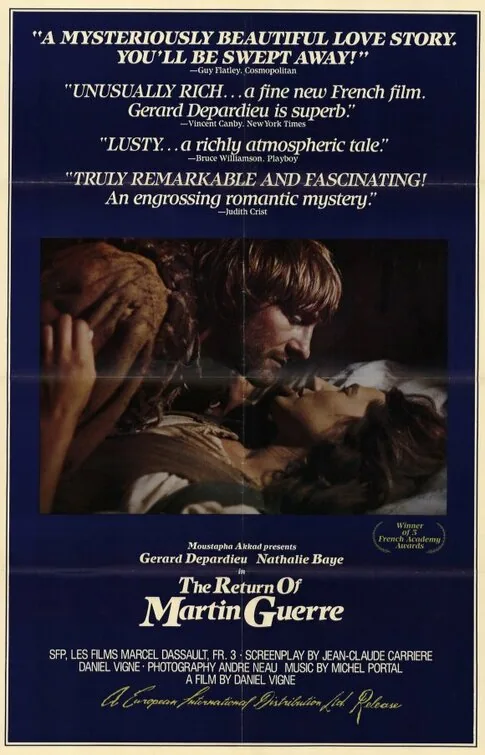
What changes The Messenger: The Story of Joan of Arc: battlefield ascent and courtroom and trial questioning. The Return of Martin Guerre: patient setup, evidence accumulates, trial-centered progression and late decisive testimony.
In sixteenth-century France, Martin Guerre leaves his wife Bertrande and their village to fight in a war. Years later, a man returns claiming to be Martin and is welcomed because he knows the household’s history and private details. Doubts surface when strangers identify him as Arnaud du Tilh, and a dispute over money with Martin’s uncle turns suspicion into a public trial. Bertrande’s testimony becomes pivotal as the community weighs memory and intimacy against reputation, kinship and legal evidence. The case travels to a higher court, where the returned husband’s identity carries consequences for the couple, their child and the village that accepted him.
Based on recorded story, mood and style. Your preferences can change the order.
War and civilian life
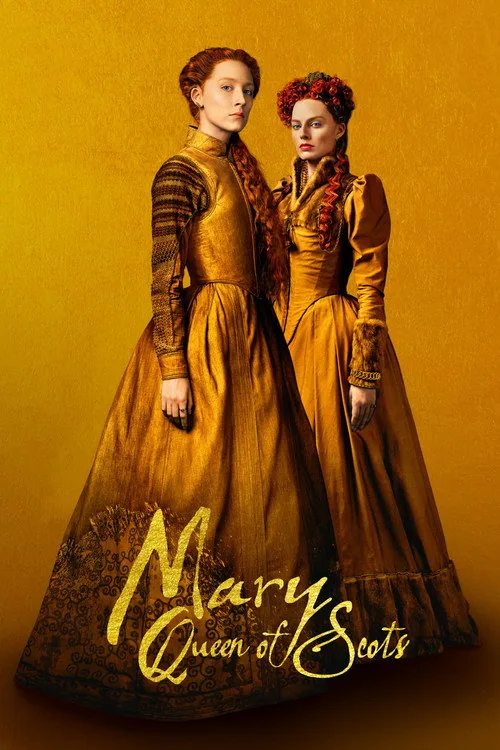
What changes The Messenger: The Story of Joan of Arc: battlefield ascent and courtroom and trial questioning. Mary Queen of Scots: courtly political maneuvering, relationship-centered scenes and historical tragedy.
After returning from France to rule Scotland, Mary Stuart faces a court divided by religious conflict and a claim to the English throne held by her cousin Elizabeth. The two queens try to balance political necessity with a personal wish for trust, but advisors, marriages, and succession crises keep turning their relationship into a contest. The historical drama compresses years of conflict into a portrait of female sovereignty under scrutiny, emphasizing the choices and constraints surrounding two powerful rulers.
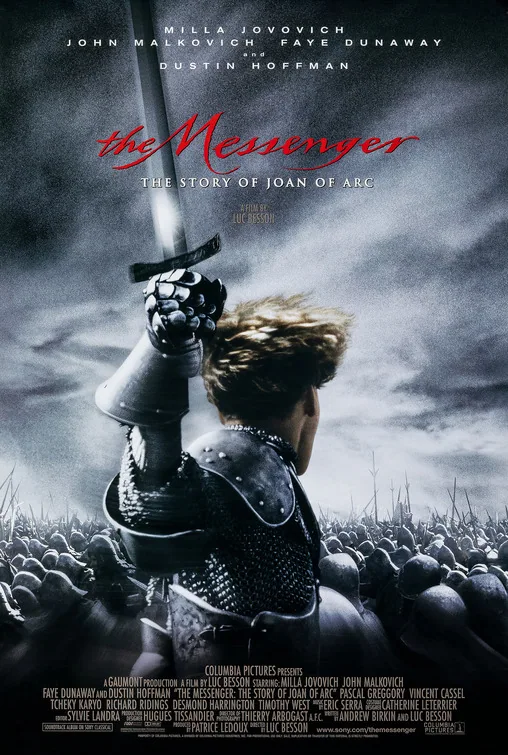
As a child in fifteenth-century France, Joan hears voices she understands as divine instruction. Years later, during the English occupation, she convinces the dauphin’s court to let her lead troops toward Orléans and help secure his coronation. Her military success makes her a symbol and a political concern, while battlefield violence and court rivalries test her certainty. Captured by Burgundian forces and handed to the English, Joan faces a trial that challenges both her visions and the motives of those who once supported her. Luc Besson’s film dramatizes her life and leaves the meaning of the voices open to debate.
What drives the story
Joan’s victories strengthen the French cause but also make her difficult for political leaders to control; capture shifts the conflict from battlefield command to interrogation.
The people at its centre
Joan’s certainty inspires soldiers and alarms courtiers. Her relationship with the dauphin changes as his need for power diverges from the religious mission she believes she serves.
What it feels like
Large battle scenes and intimate trial passages create a stark contrast between spectacle and psychological questioning. Besson adds a traumatic childhood episode and personifies Joan’s conscience, shifting the account toward a modern psychological interpretation rather than simply dramatizing the trial record.
Worth knowing
For viewers prepared for a violent, revisionist religious historical drama. The film invents psychological framing around Joan’s voices and childhood; compare it with her trial testimony rather than treating it as a neutral biography or saint’s life.
FaithPolitical powerDoubt
Mood
Fervent · Violent · Questioning
Pacing
Battlefield ascent · Courtroom and trial questioning
Visual style
Battle spectacle · Intimate interrogation
Storytelling
Religious visions · Military leadership · Trial and capture