Explore films connected to Mary Queen of Scots through female sovereignty, kinship and political rivalry, religion and succession. Choose the qualities you want to carry into your next watch.
What should feel similar?
Find your next favourite
9 films · Closest overall matches
Hide films you’ve seen or don’t want. Saved on this device.
No matches for this combination yet.
Try another option or reset your choices to see more films.
Based on recorded story, mood and style. Your preferences can change the order.
What changes Mary Queen of Scots: courtly political maneuvering, relationship-centered scenes and historical tragedy. Elizabeth: measured.
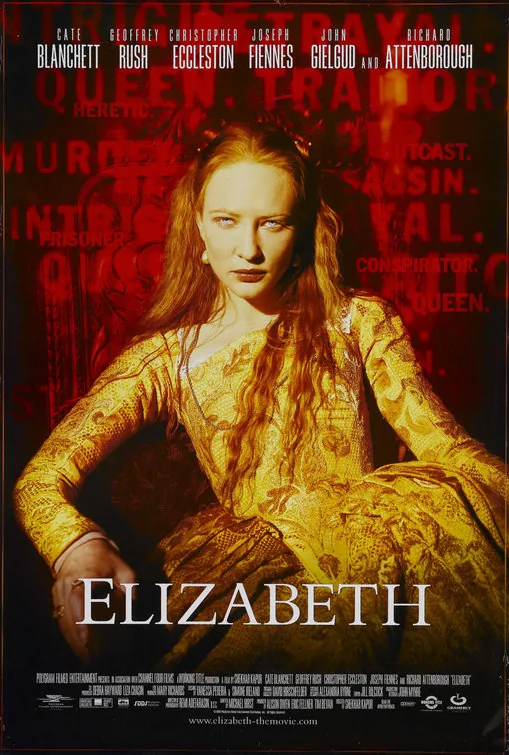
A young queen inherits an English throne surrounded by financial weakness, religious conflict and advisers who view marriage as a means of stabilizing her rule. Private attachment becomes increasingly difficult to separate from the alliances through which others hope to control her. Discovering betrayal pushes her toward constructing a public identity that can claim authority beyond the available roles of wife, dependent successor or favored companion. The “Virgin Queen” image becomes a political instrument, even as it limits how the young ruler can express private life.
Based on recorded story, mood and style. Your preferences can change the order.
Political resistance · War and civilian life
What changes Mary Queen of Scots: courtly political maneuvering, relationship-centered scenes and historical tragedy. Outlaw King: campaign-driven, battle escalation and character-led.
In 1304, Robert the Bruce swears allegiance to Edward I but soon becomes entangled in Scotland’s struggle for independence. Following the execution of William Wallace and the English crown’s pressure on Scottish nobles, Robert claims the crown and leads a rebellion. He must gather allies, protect his family, and fight a stronger occupying force as the conflict shifts across the Scottish landscape. David Mackenzie’s historical action drama compresses events from the Wars of Independence into a story of political resistance and military survival.
Based on recorded story, mood and style. Your preferences can change the order.
Political resistance · War and civilian life
What changes Mary Queen of Scots: courtly political maneuvering, relationship-centered scenes and historical tragedy. Macbeth: ritualized tragedy, battlefield interludes and inevitable escalation.
Returning from a brutal civil war, Scottish general Macbeth hears a prophecy that he will become king. His ambition and Lady Macbeth's persuasion lead him to murder Duncan and seize the crown, but each act of violence produces new suspicion and retaliation. This adaptation preserves Shakespeare's tragedy while grounding it in a stark landscape of mud, smoke, and battlefield trauma, making the ruler's private visions and public brutality feel like continuations of the same war.
Based on recorded story, mood and style. Your preferences can change the order.
Political resistance
What changes Mary Queen of Scots: courtly political maneuvering, relationship-centered scenes and historical tragedy. The Young Victoria: measured and character-led.
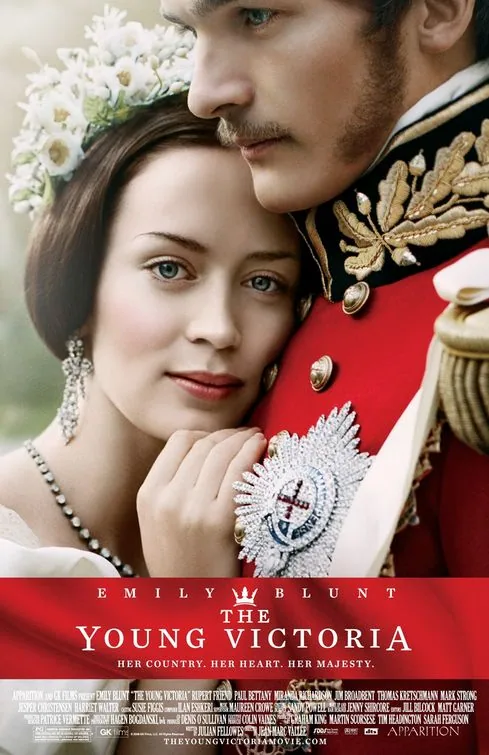
The young Victoria ascends to the British throne amid competing advisers who hope to influence the decisions of an inexperienced monarch. Her relationship with Prince Albert develops alongside her effort to establish authority and choose whom she trusts. The period drama frames court protocol and political pressure through a coming-of-age portrait, showing public responsibility and private affection as forces that shape one another rather than separate chapters of a royal biography.
Based on recorded story, mood and style. Your preferences can change the order.
War and civilian life
What changes Mary Queen of Scots: courtly political maneuvering, relationship-centered scenes and historical tragedy. The Tragedy of Macbeth: the witches’ prediction opens a possible future, macbeth and lady macbeth act to hasten it and and the resulting crown becomes difficult to defend..
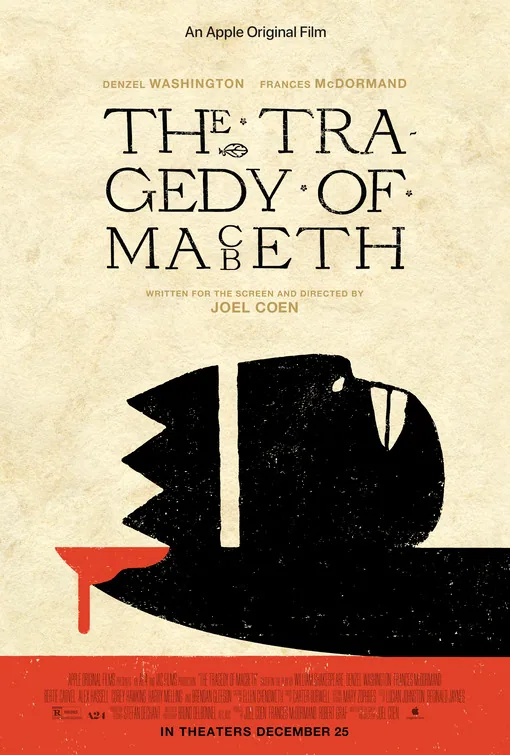
After three witches tell Macbeth that he will become king, the Scottish commander and his wife consider how prophecy might be turned into power. Their decisions set off a cycle of suspicion, violence and political resistance. Joel Coen’s adaptation focuses on the play’s verbal force and on how ambition changes the couple’s judgment as the kingdom shifts around them.
Based on recorded story, mood and style. Your preferences can change the order.
Political resistance
What changes Mary Queen of Scots: courtly political maneuvering, relationship-centered scenes and historical tragedy. Braveheart: epic and intense.
A Scottish man hoping for an ordinary domestic life is drawn into rebellion after personal loss exposes the violence sustaining English rule. Military success makes him a symbol around which competing nobles and ordinary fighters organise different hopes. As diplomacy and betrayal complicate the campaign, his private grief becomes inseparable from a public mythology of freedom that requires costs no single leader can control.
Based on recorded story, mood and style. Your preferences can change the order.
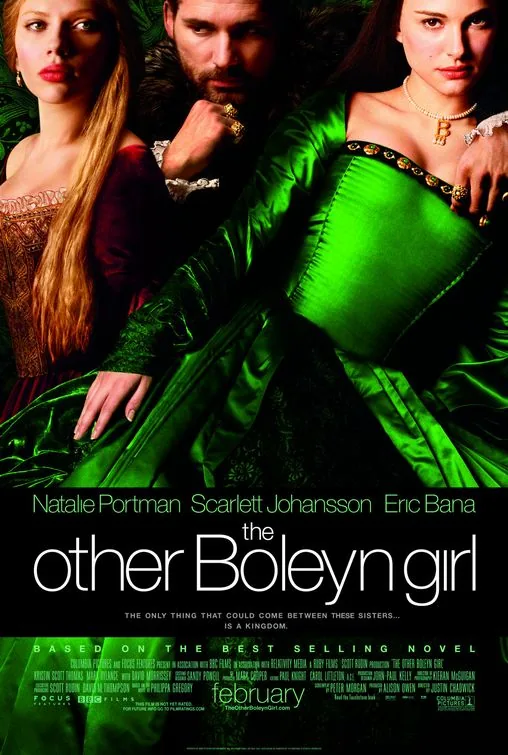
What changes Mary Queen of Scots: courtly political maneuvering, relationship-centered scenes and historical tragedy. The Other Boleyn Girl: sweeping and escalating.
At the Tudor court, the Boleyn family hopes to improve its standing by placing Mary in the path of Henry VIII, while her sister Anne returns from France with ambitions of her own. Mary becomes the king's mistress and gives birth to his child, but family strategy shifts when Anne captures his attention and aims to replace Queen Catherine. The sisters are made to compete within a system where access to the monarch determines their safety and influence, even as both have desires and relationships the family tries to control. Mary's position changes from favored instrument to witness and potential ally as Anne's ascent brings the king, court and church into conflict. The film turns dynastic politics into an intimate story of sibling loyalty under pressure.
Based on recorded story, mood and style. Your preferences can change the order.
War and civilian life
What changes Mary Queen of Scots: courtly political maneuvering, relationship-centered scenes and historical tragedy. Elizabeth: The Golden Age: epic.
An established queen faces foreign invasion and domestic plots while remaining under pressure to secure a succession through marriage. Attraction to a celebrated explorer offers an imagined freedom that his relationship with her attendant makes painful and politically unequal. Public defiance and private jealousy develop beside an intelligence struggle, turning the defense of sovereign independence into a spectacle whose confidence cannot remove the costs borne by people close to the throne. The sequel uses national defense as spectacle while connecting sovereign self-command to a painful romantic triangle.
Based on recorded story, mood and style. Your preferences can change the order.
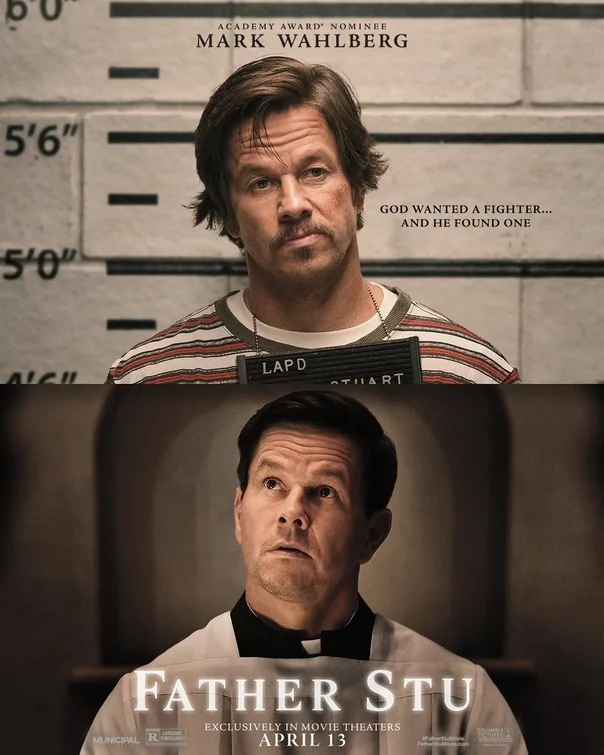
What changes Mary Queen of Scots: courtly political maneuvering, relationship-centered scenes and historical tragedy. Father Stu: a life-story structure follows a gradual change in vocation.
After a medical setback interrupts his boxing ambitions, Stuart Long relocates and finds purpose in a Catholic parish. His unconventional path toward priesthood is shaped by illness, damaged family relationships, and a growing commitment to serve others. The biographical drama presents faith as a demanding practical vocation rather than an instant transformation, following how a person’s identity can change through care, discipline, and hardship.
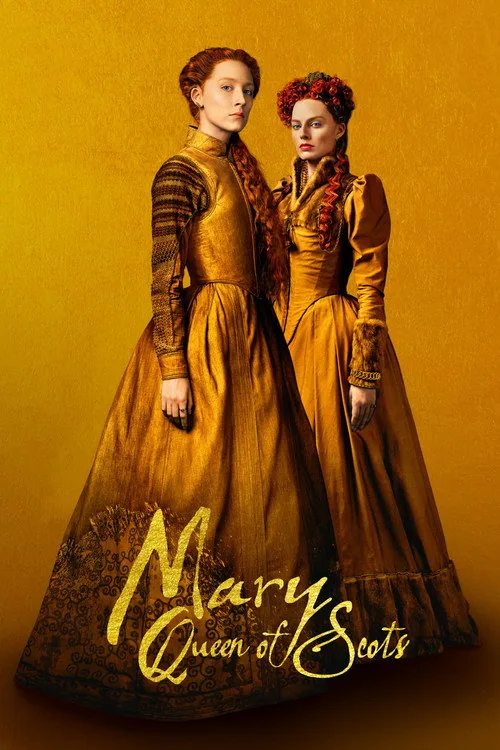
After returning from France to rule Scotland, Mary Stuart faces a court divided by religious conflict and a claim to the English throne held by her cousin Elizabeth. The two queens try to balance political necessity with a personal wish for trust, but advisors, marriages, and succession crises keep turning their relationship into a contest. The historical drama compresses years of conflict into a portrait of female sovereignty under scrutiny, emphasizing the choices and constraints surrounding two powerful rulers.
What drives the story
Mary's return to Scotland intensifies a succession dispute that places her in an uneasy relationship with Elizabeth I.
The people at its centre
Both queens seek security and recognition while advisors and male courtiers treat their authority as negotiable.
What it feels like
A costume drama focuses on political meetings, private exchanges, and the pressures placed on two female rulers.
Worth knowing
It emphasizes the imagined personal relationship between Mary and Elizabeth alongside court politics, rather than a full documentary account.
female sovereigntykinship and political rivalryreligion and succession
Mood
stately · tense · intimate
Pacing
courtly political maneuvering · relationship-centered scenes · historical tragedy
Visual style
elaborate period costumes · Scottish landscape imagery · composed royal interiors
Storytelling
Scottish queen returns from France · English and Scottish monarchs negotiate succession · court factions undermine personal trust