Explore films connected to Macbeth through ambition and guilt, power corrupting judgment, grief and violence. Choose the qualities you want to carry into your next watch.
What should feel similar?
Find your next favourite
9 films · Closest overall matches
Hide films you’ve seen or don’t want. Saved on this device.
No matches for this combination yet.
Try another option or reset your choices to see more films.
Based on recorded story, mood and style. Your preferences can change the order.
War and civilian life
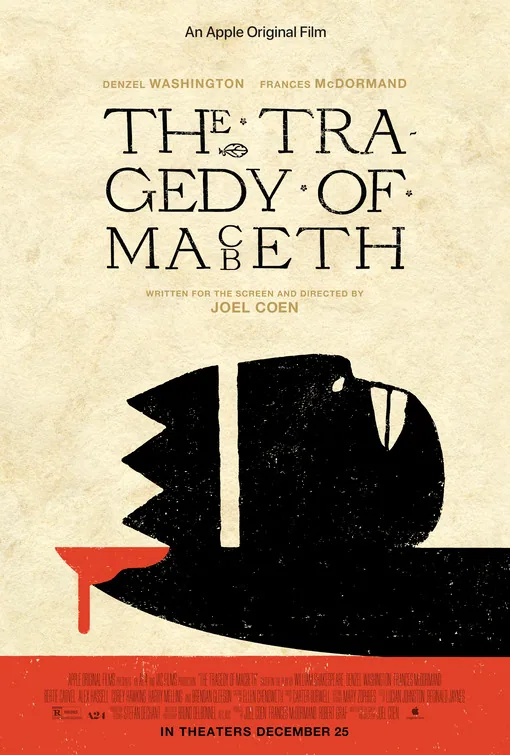
What changes Macbeth: ritualized tragedy, battlefield interludes and inevitable escalation. The Tragedy of Macbeth: the witches’ prediction opens a possible future, macbeth and lady macbeth act to hasten it and and the resulting crown becomes difficult to defend..
After three witches tell Macbeth that he will become king, the Scottish commander and his wife consider how prophecy might be turned into power. Their decisions set off a cycle of suspicion, violence and political resistance. Joel Coen’s adaptation focuses on the play’s verbal force and on how ambition changes the couple’s judgment as the kingdom shifts around them.
Based on recorded story, mood and style. Your preferences can change the order.
Political resistance · War and civilian life
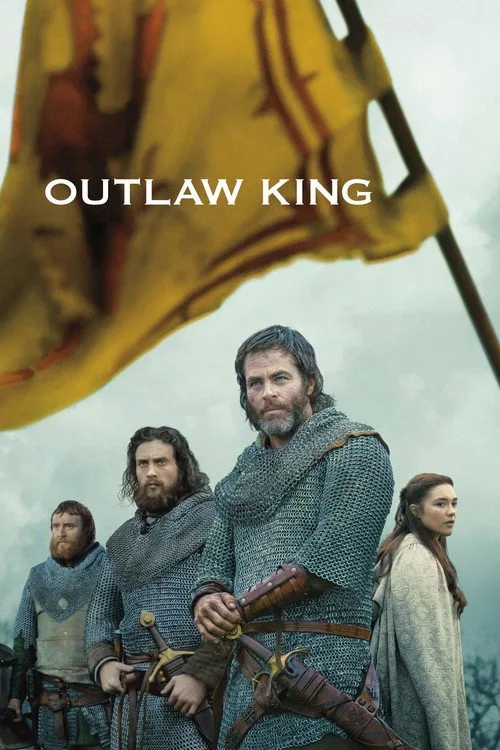
What changes Macbeth: ritualized tragedy, battlefield interludes and inevitable escalation. Outlaw King: campaign-driven, battle escalation and character-led.
In 1304, Robert the Bruce swears allegiance to Edward I but soon becomes entangled in Scotland’s struggle for independence. Following the execution of William Wallace and the English crown’s pressure on Scottish nobles, Robert claims the crown and leads a rebellion. He must gather allies, protect his family, and fight a stronger occupying force as the conflict shifts across the Scottish landscape. David Mackenzie’s historical action drama compresses events from the Wars of Independence into a story of political resistance and military survival.
Based on recorded story, mood and style. Your preferences can change the order.
Political resistance · War and civilian life
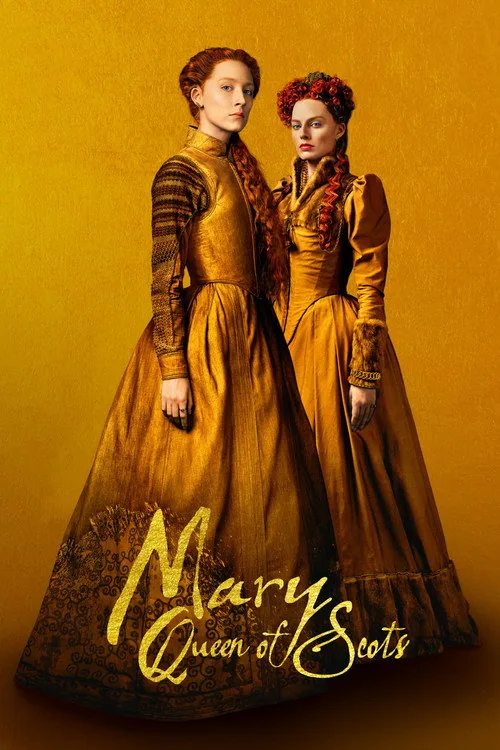
What changes Macbeth: ritualized tragedy, battlefield interludes and inevitable escalation. Mary Queen of Scots: courtly political maneuvering, relationship-centered scenes and historical tragedy.
After returning from France to rule Scotland, Mary Stuart faces a court divided by religious conflict and a claim to the English throne held by her cousin Elizabeth. The two queens try to balance political necessity with a personal wish for trust, but advisors, marriages, and succession crises keep turning their relationship into a contest. The historical drama compresses years of conflict into a portrait of female sovereignty under scrutiny, emphasizing the choices and constraints surrounding two powerful rulers.
Based on recorded story, mood and style. Your preferences can change the order.
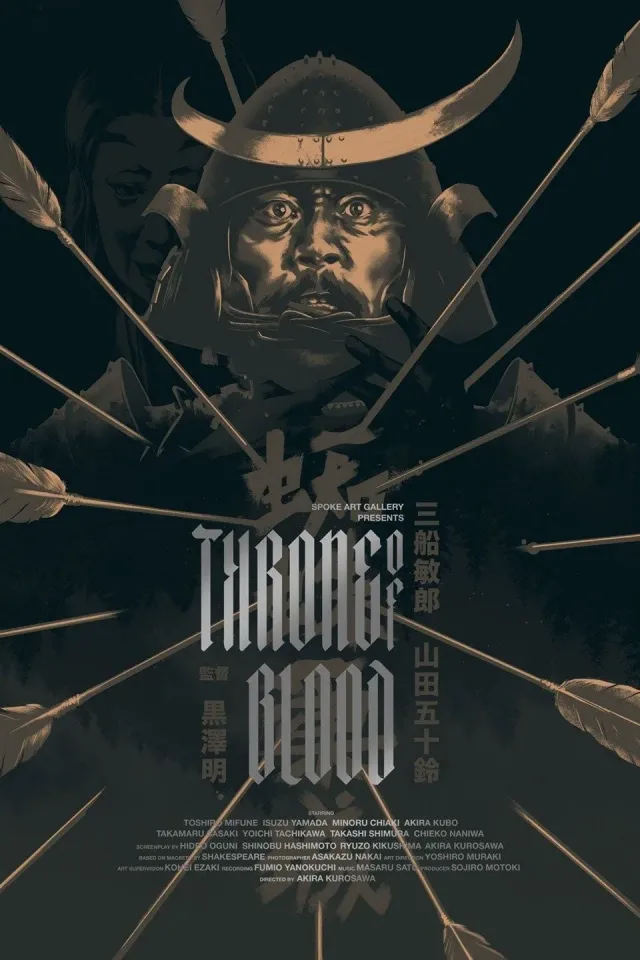
What changes Macbeth: ritualized tragedy, battlefield interludes and inevitable escalation. Throne of Blood: deliberate and tragic escalation.
In feudal Japan, warriors Washizu and Miki lose their way in a forest and encounter a spirit that predicts their futures. Washizu is told he will become lord of Spider’s Web Castle, while Miki is promised a later succession through his son. When the first prophecy comes true, Washizu’s wife Asaji urges him to secure his position, and suspicion turns ambition into a chain of murder and betrayal. Kurosawa adapts Macbeth through the visual and theatrical language of Noh, shifting Shakespeare’s Scottish court into a mist-filled landscape of militarized authority. Washizu’s later decisions become harder to distinguish from the prophecy he fears, while Asaji avoids open displays of emotion.
Based on recorded story, mood and style. Your preferences can change the order.
Political resistance · War and civilian life
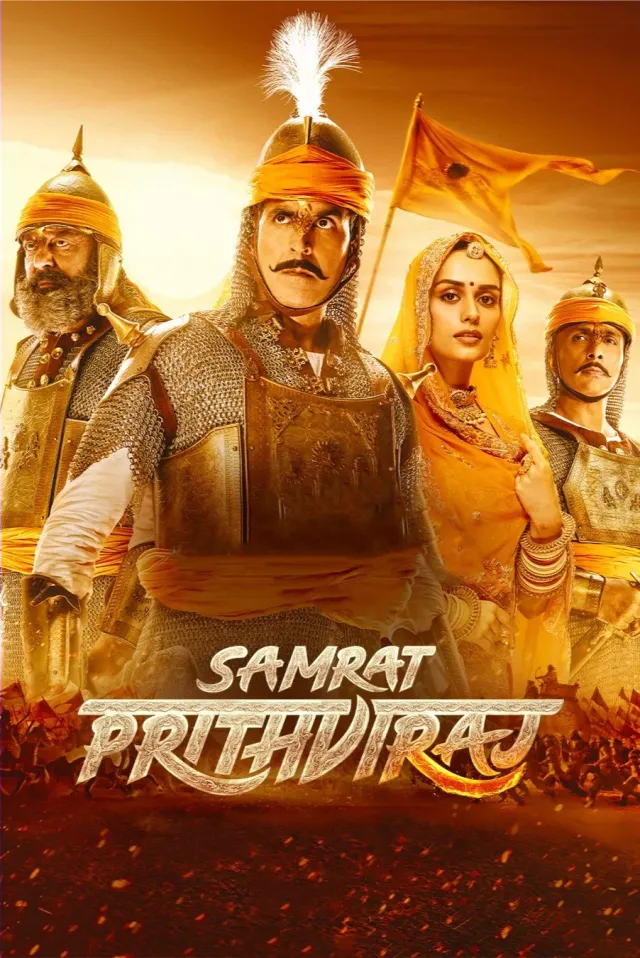
What changes Macbeth: ritualized tragedy, battlefield interludes and inevitable escalation. Samrat Prithviraj: legendary opening and courtship, campaigns and court intrigue and war-driven tragic conclusion.
The film dramatizes the life of twelfth-century ruler Prithviraj Chauhan, framing his military campaigns alongside his romance with Princess Sanyogita and disputes among neighboring rulers. After victories over Muhammad Ghori, Prithviraj becomes entangled in court rivalries and shifting alliances that weaken the political unity needed to face a renewed invasion. The story moves from royal courtship and statecraft to battles and captivity, presenting a large-scale Hindi historical epic based on the legendary account in Prithviraj Raso.
Based on recorded story, mood and style. Your preferences can change the order.
Political resistance
What changes Macbeth: ritualized tragedy, battlefield interludes and inevitable escalation. Braveheart: epic and intense.
A Scottish man hoping for an ordinary domestic life is drawn into rebellion after personal loss exposes the violence sustaining English rule. Military success makes him a symbol around which competing nobles and ordinary fighters organise different hopes. As diplomacy and betrayal complicate the campaign, his private grief becomes inseparable from a public mythology of freedom that requires costs no single leader can control.
Based on recorded story, mood and style. Your preferences can change the order.
Political resistance
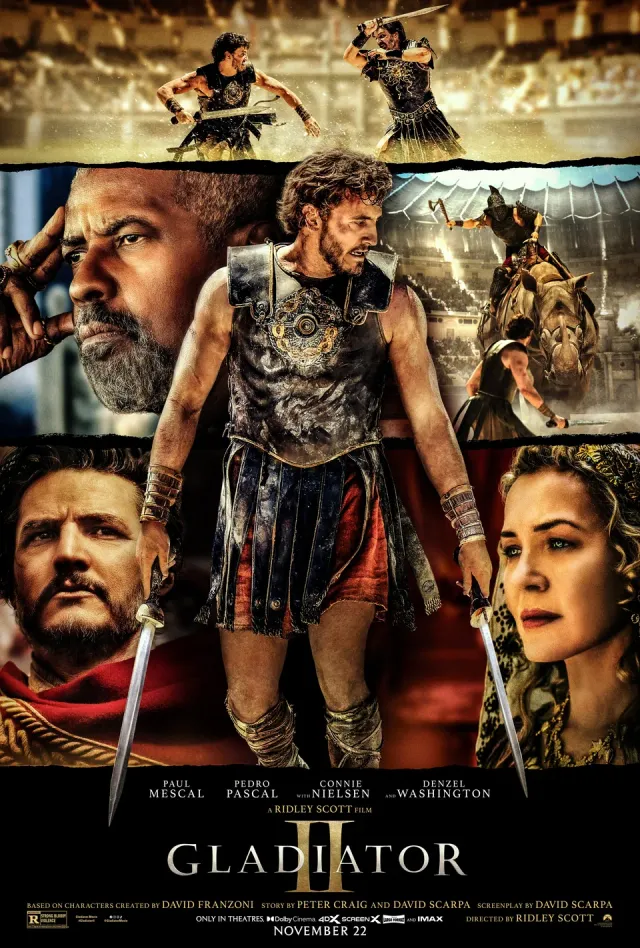
What changes Macbeth: ritualized tragedy, battlefield interludes and inevitable escalation. Gladiator II: brisk and escalating.
A man captured after Rome destroys his home enters the arena with revenge as his immediate purpose. A powerful sponsor offers access to the commander he blames, while the discovery of his connection to an earlier Roman struggle gives his survival a political value he did not choose. Public combat becomes a means through which rival elites attempt to control succession. The sequel turns an enslaved fighter's private loss into a contest over inherited legitimacy, with the promise of liberation repeatedly entangled with another person's ambition.
Based on recorded story, mood and style. Your preferences can change the order.
Political resistance · War and civilian life
What changes Macbeth: ritualized tragedy, battlefield interludes and inevitable escalation. Haider: investigation-led opening, political tension and performance and tragic revenge escalation.
Set during the Kashmir insurgency of 1995, Haider returns to Srinagar after his father disappears during a military detention. His search draws him into a family crisis involving his mother Ghazala, his uncle Khurram, and Arshia, a journalist whose father works in the police. Vishal Bhardwaj relocates Hamlet to a conflict zone where grief, state violence, loyalty, and betrayal overlap. The result is a political tragedy that places Shakespeare's revenge story within the lived uncertainty of Kashmir.
Based on recorded story, mood and style. Your preferences can change the order.
War and civilian life
What changes Macbeth: ritualized tragedy, battlefield interludes and inevitable escalation. Elizabeth: The Golden Age: epic.
An established queen faces foreign invasion and domestic plots while remaining under pressure to secure a succession through marriage. Attraction to a celebrated explorer offers an imagined freedom that his relationship with her attendant makes painful and politically unequal. Public defiance and private jealousy develop beside an intelligence struggle, turning the defense of sovereign independence into a spectacle whose confidence cannot remove the costs borne by people close to the throne. The sequel uses national defense as spectacle while connecting sovereign self-command to a painful romantic triangle.
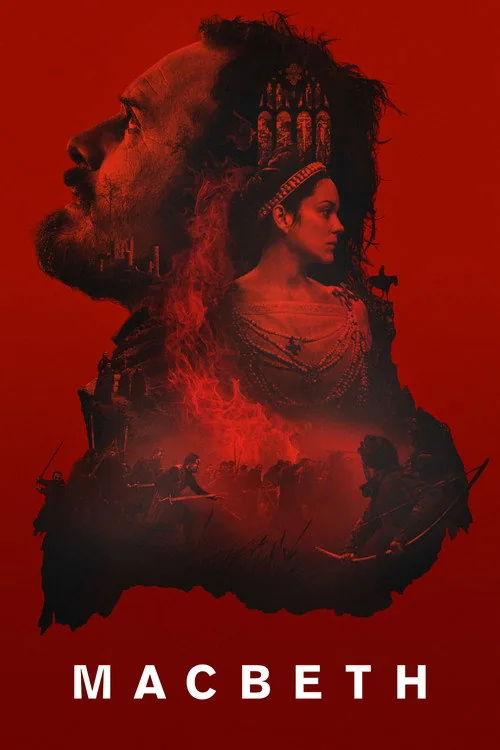
Returning from a brutal civil war, Scottish general Macbeth hears a prophecy that he will become king. His ambition and Lady Macbeth's persuasion lead him to murder Duncan and seize the crown, but each act of violence produces new suspicion and retaliation. This adaptation preserves Shakespeare's tragedy while grounding it in a stark landscape of mud, smoke, and battlefield trauma, making the ruler's private visions and public brutality feel like continuations of the same war.
What drives the story
A victorious general acts on a prophecy and commits murder to take the throne, then tries to hold power through further violence.
The people at its centre
Macbeth and his wife move from shared conspiracy to isolation as guilt and fear transform their marriage.
What it feels like
A visually austere Shakespeare adaptation pairs ceremonious verse with grim warfare, striking landscapes, and intimate psychological collapse.
Worth knowing
It retells Shakespeare's political tragedy as a war-scarred period drama, rather than inventing a separate historical account of Macbeth.
ambition and guiltpower corrupting judgmentgrief and violence