Explore films connected to Samrat Prithviraj through duty and kingship, love across political rivalry, unity and divided rule. Choose the qualities you want to carry into your next watch.
What should feel similar?
Find your next favourite
9 films · Closest overall matches
Hide films you’ve seen or don’t want. Saved on this device.
No matches for this combination yet.
Try another option or reset your choices to see more films.
Based on recorded story, mood and style. Your preferences can change the order.
War and civilian life · Political resistance
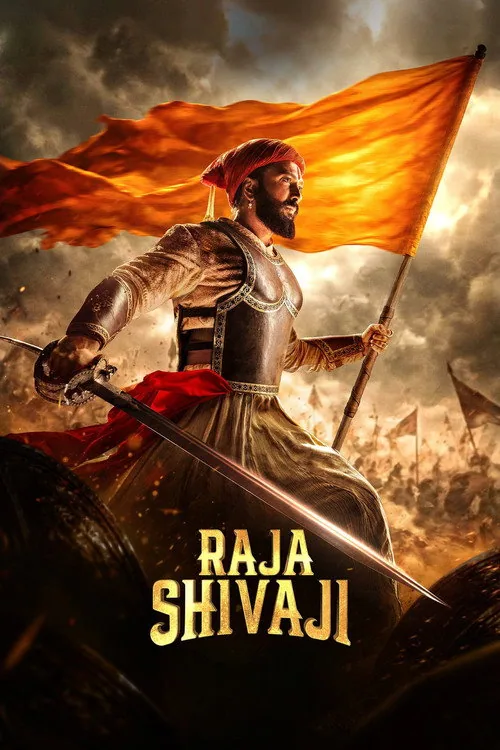
What changes Samrat Prithviraj: legendary opening and courtship, campaigns and court intrigue and war-driven tragic conclusion. Raja Shivaji: young ambition grows into leadership, resistance expands through alliances and conflict and legacy takes shape through decisive action.
Raja Shivaji follows Chhatrapati Shivaji Maharaj from a young visionary to a leader who challenges the powers dominating his era. His ambition to establish Swarajya is shaped by family values, sacrifices, and the contributions of people around him. The historical epic traces how a political vision takes form through military resistance, leadership, and a growing community of supporters. Presented in Marathi and Hindi, the film combines large-scale action with a biographical account of the founder of the Maratha Empire and the legacy that emerges from a family's vow.
Based on recorded story, mood and style. Your preferences can change the order.
War and civilian life · Political resistance
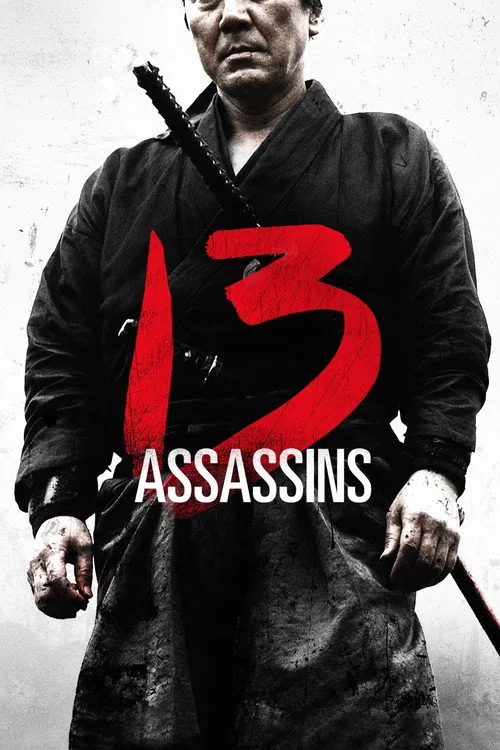
What changes Samrat Prithviraj: legendary opening and courtship, campaigns and court intrigue and war-driven tragic conclusion. 13 Assassins: measured mission planning, tension before confrontation and extended action climax.
In 1844, samurai Shinzaemon Shimada is asked to stop Lord Naritsugu, a cruel member of the ruling family whose appointment threatens the lives of many. Shinzaemon assembles twelve additional warriors and plans an ambush designed to trap Naritsugu’s much larger escort. Takashi Miike’s Japanese period action film follows the group’s preparation and final battle, using the mission to explore honor, political obligation, and the limits of a samurai code under a corrupt shogunate.
Based on recorded story, mood and style. Your preferences can change the order.
War and civilian life · Political resistance
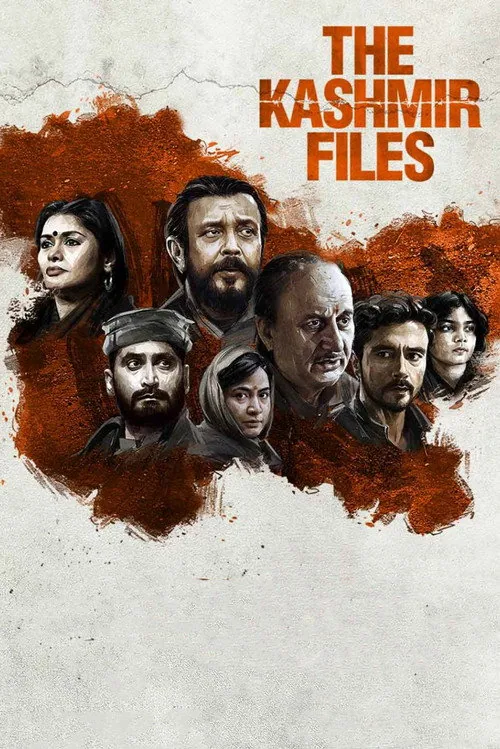
What changes Samrat Prithviraj: legendary opening and courtship, campaigns and court intrigue and war-driven tragic conclusion. The Kashmir Files: intercut present and past and speech-driven climax.
After his exiled grandfather dies, a Kashmiri Hindu student begins re-examining the story he was taught about his parents and the family’s departure from the Kashmir Valley. The film moves between his present-day search and dramatized events from 1989–90. Its historical framing is disputed, so the drama is best understood as a forceful film perspective on displacement, memory, and political responsibility.
Based on recorded story, mood and style. Your preferences can change the order.
Political resistance
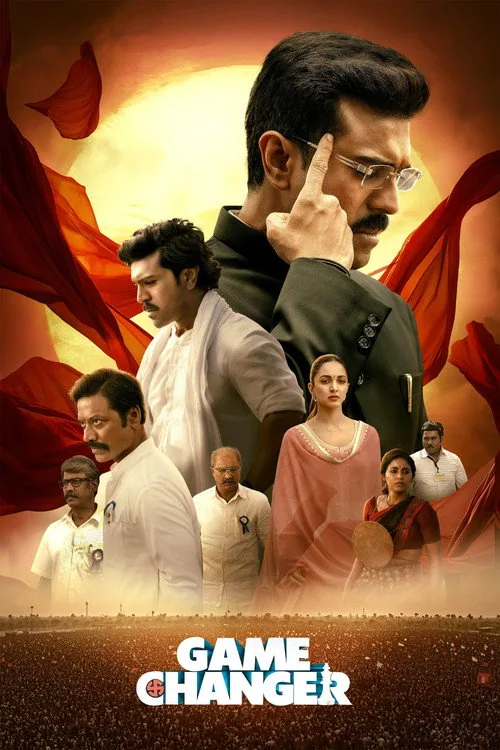
What changes Samrat Prithviraj: legendary opening and courtship, campaigns and court intrigue and war-driven tragic conclusion. Game Changer: officer is established in a corrupt system, reform efforts draw political resistance and family history informs the conflict.
Ram Nandan is an upright Indian Administrative Service officer whose work brings him into conflict with political corruption. Determined to make elections fair, he challenges entrenched officials and the systems that allow them to manipulate public trust. The story also reaches into an earlier generation through a second role played by Ram Charan, linking a contemporary reform effort to a family legacy. This Telugu political action drama combines mass-scale set pieces with a story about public service, accountability, and the difficult gap between legal authority and real change.
Based on recorded story, mood and style. Your preferences can change the order.
War and civilian life · Political resistance
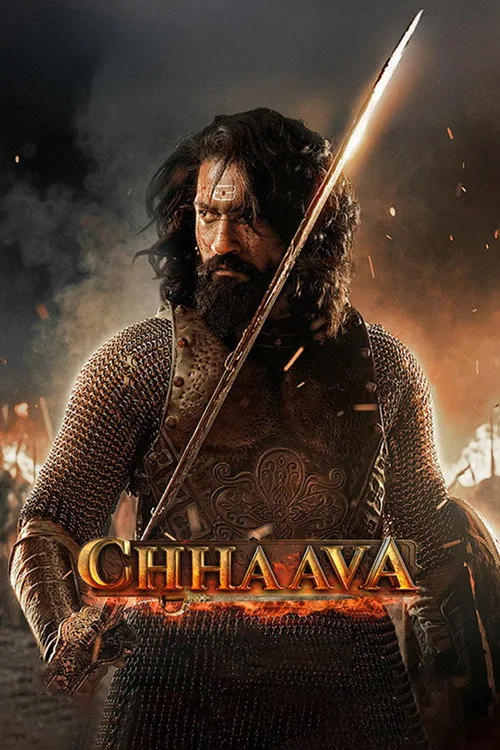
What changes Samrat Prithviraj: legendary opening and courtship, campaigns and court intrigue and war-driven tragic conclusion. Chhaava: succession sparks a renewed campaign, battles and alliances widen the stakes and capture leads to a final test of conviction.
After the death of Shivaji, his son Sambhaji takes leadership of the Maratha resistance against Mughal emperor Aurangzeb. He launches a campaign against Mughal power, balancing military strategy with the need to hold together a kingdom and its allies. When Sambhaji is captured, the conflict becomes a test of endurance, conviction, and the political future he represents. The Hindi historical epic combines court rivalry, battlefield spectacle, and a portrait of a ruler whose resistance becomes a symbol for his people.
Based on recorded story, mood and style. Your preferences can change the order.
Political resistance
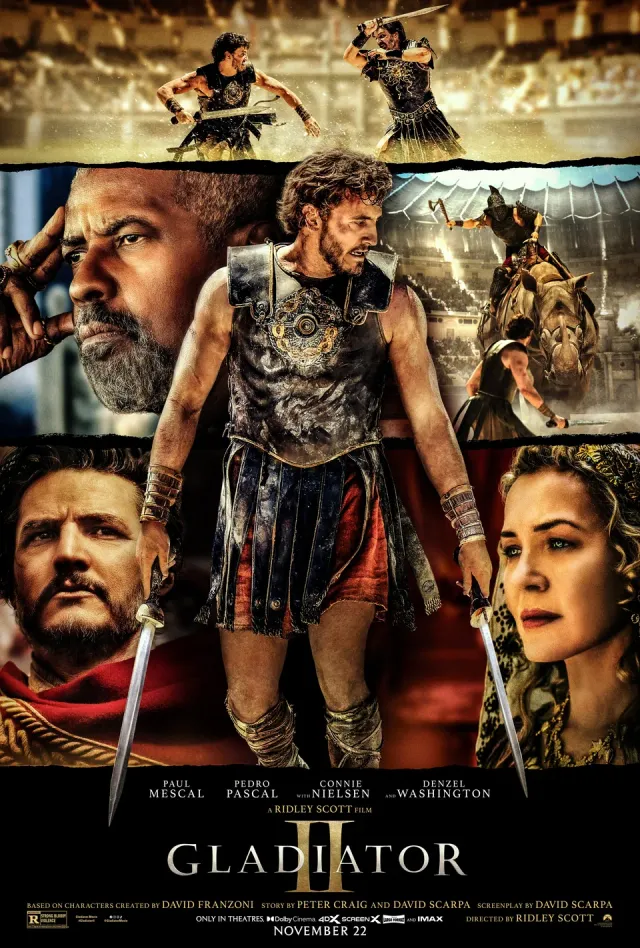
What changes Samrat Prithviraj: legendary opening and courtship, campaigns and court intrigue and war-driven tragic conclusion. Gladiator II: brisk and escalating.
A man captured after Rome destroys his home enters the arena with revenge as his immediate purpose. A powerful sponsor offers access to the commander he blames, while the discovery of his connection to an earlier Roman struggle gives his survival a political value he did not choose. Public combat becomes a means through which rival elites attempt to control succession. The sequel turns an enslaved fighter's private loss into a contest over inherited legitimacy, with the promise of liberation repeatedly entangled with another person's ambition.
Based on recorded story, mood and style. Your preferences can change the order.
War and civilian life · Political resistance
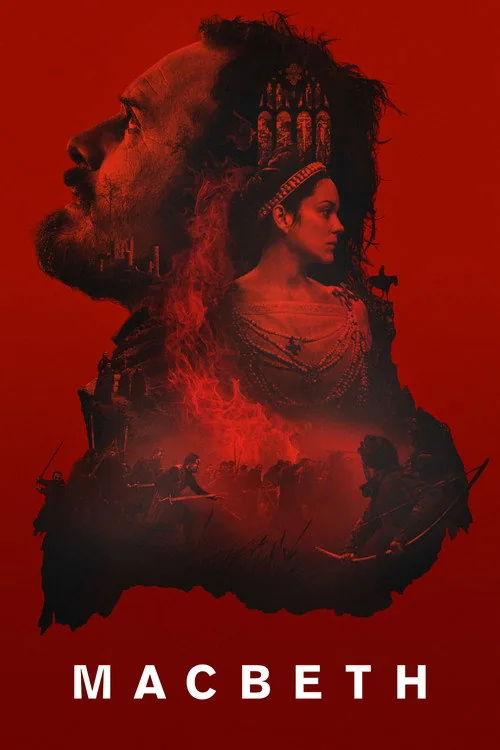
What changes Samrat Prithviraj: legendary opening and courtship, campaigns and court intrigue and war-driven tragic conclusion. Macbeth: ritualized tragedy, battlefield interludes and inevitable escalation.
Returning from a brutal civil war, Scottish general Macbeth hears a prophecy that he will become king. His ambition and Lady Macbeth's persuasion lead him to murder Duncan and seize the crown, but each act of violence produces new suspicion and retaliation. This adaptation preserves Shakespeare's tragedy while grounding it in a stark landscape of mud, smoke, and battlefield trauma, making the ruler's private visions and public brutality feel like continuations of the same war.
Based on recorded story, mood and style. Your preferences can change the order.
War and civilian life
What changes Samrat Prithviraj: legendary opening and courtship, campaigns and court intrigue and war-driven tragic conclusion. The Three Musketeers: Milady: continuous action, interwoven missions, court intrigue and climactic.
Beginning immediately after the first film, D’Artagnan escapes captivity and returns to the search for Constance as France approaches war. His path crosses again with Milady de Winter, whose loyalties and history complicate the mission, while Athos and the other musketeers face dangers tied to their own pasts. Martin Bourboulon’s second half deepens the ensemble’s court and battlefield conflicts, giving Milady a central role in a story about secrecy, survival and political power.
Based on recorded story, mood and style. Your preferences can change the order.
Political resistance
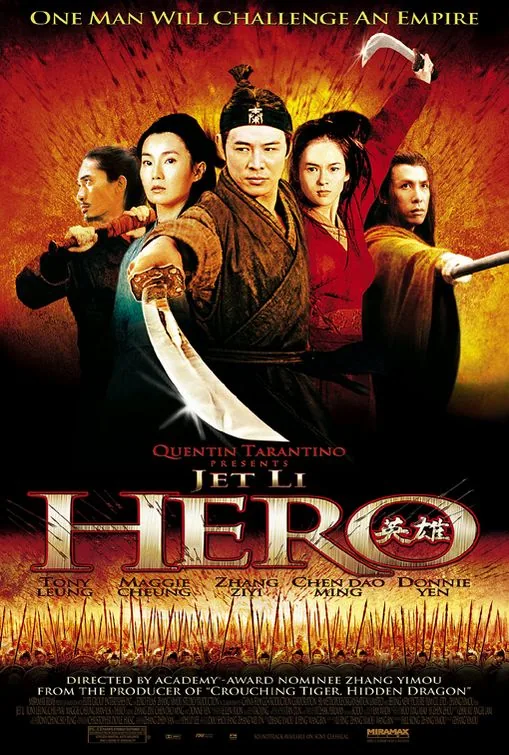
What changes Samrat Prithviraj: legendary opening and courtship, campaigns and court intrigue and war-driven tragic conclusion. Hero: nonlinear and measured.
An assassin called Nameless recounts to the King of Qin how he defeated three opponents who threatened the ruler, but each account changes the apparent motives and events. Color-coded flashbacks make narrative revision visible, so the audience must watch the same relationships shift as the story changes. The final meeting moves beyond tactical deception to a choice between revenge and the possibility of a unified realm. That choice gives the film’s spectacular martial arts an explicit political argument, but it does not require viewers to accept imperial order as morally uncomplicated. Its beauty and its endorsement of sacrifice need to be considered together.
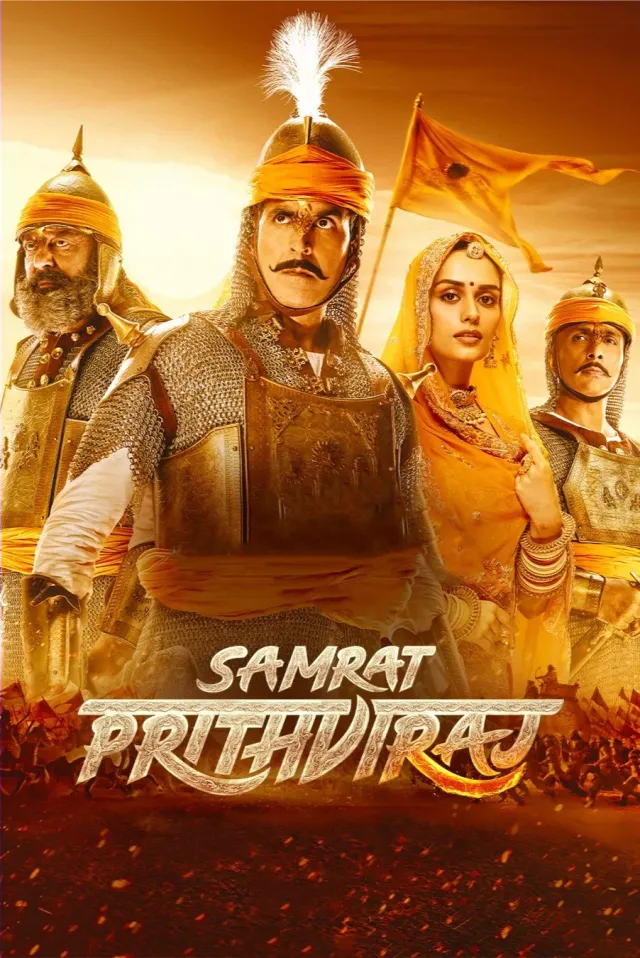
The film dramatizes the life of twelfth-century ruler Prithviraj Chauhan, framing his military campaigns alongside his romance with Princess Sanyogita and disputes among neighboring rulers. After victories over Muhammad Ghori, Prithviraj becomes entangled in court rivalries and shifting alliances that weaken the political unity needed to face a renewed invasion. The story moves from royal courtship and statecraft to battles and captivity, presenting a large-scale Hindi historical epic based on the legendary account in Prithviraj Raso.
What drives the story
Prithviraj balances romance, royal authority, and rival claims as conflicts with Ghori and Jayachand move toward a decisive invasion.
The people at its centre
His bond with Sanyogita and loyalty to companions coexist with political obligations that test whether a warrior can unite competing factions.
What it feels like
A Hindi historical epic combines court spectacle, romance, and battle scenes in a dramatized retelling of a celebrated medieval legend.
Worth knowing
The film draws on a legendary courtly tradition, so its emphasis is heroic mythmaking and royal drama rather than documentary history.
duty and kingshiplove across political rivalryunity and divided rule
Mood
heroic · romantic · somber
Pacing
legendary opening and courtship · campaigns and court intrigue · war-driven tragic conclusion
Visual style
large palace and battlefield sets · ornate historical costumes · sweeping battle staging
Storytelling
warrior king faces rival powers · princess chooses a contested marriage · battles frame a tragic historical legend