Explore films connected to Chhaava through resistance and sovereignty, leadership under pressure, legacy and sacrifice. Choose the qualities you want to carry into your next watch.
What should feel similar?
Find your next favourite
9 films · Closest overall matches
Hide films you’ve seen or don’t want. Saved on this device.
No matches for this combination yet.
Try another option or reset your choices to see more films.
Based on recorded story, mood and style. Your preferences can change the order.
Political resistance · War and civilian life
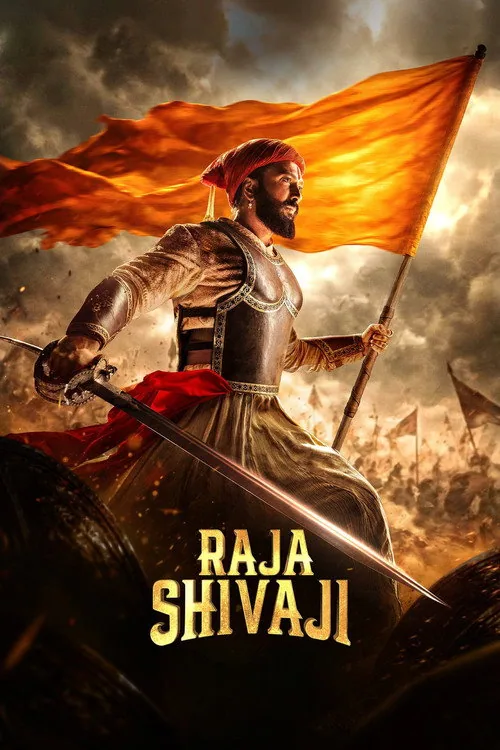
What changes Chhaava: succession sparks a renewed campaign, battles and alliances widen the stakes and capture leads to a final test of conviction. Raja Shivaji: young ambition grows into leadership, resistance expands through alliances and conflict and legacy takes shape through decisive action.
Raja Shivaji follows Chhatrapati Shivaji Maharaj from a young visionary to a leader who challenges the powers dominating his era. His ambition to establish Swarajya is shaped by family values, sacrifices, and the contributions of people around him. The historical epic traces how a political vision takes form through military resistance, leadership, and a growing community of supporters. Presented in Marathi and Hindi, the film combines large-scale action with a biographical account of the founder of the Maratha Empire and the legacy that emerges from a family's vow.
Based on recorded story, mood and style. Your preferences can change the order.
Political resistance · War and civilian life
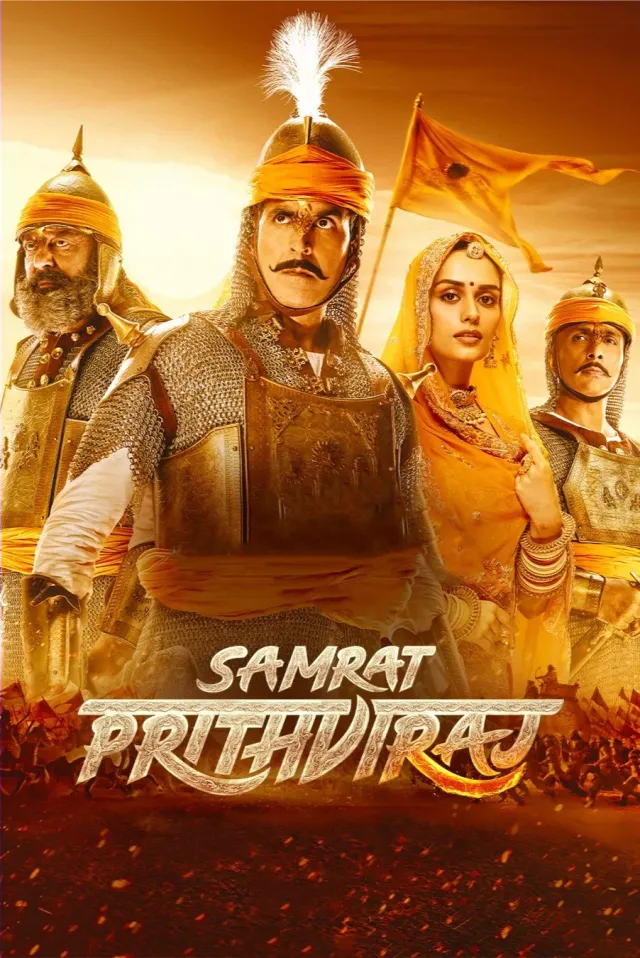
What changes Chhaava: succession sparks a renewed campaign, battles and alliances widen the stakes and capture leads to a final test of conviction. Samrat Prithviraj: legendary opening and courtship, campaigns and court intrigue and war-driven tragic conclusion.
The film dramatizes the life of twelfth-century ruler Prithviraj Chauhan, framing his military campaigns alongside his romance with Princess Sanyogita and disputes among neighboring rulers. After victories over Muhammad Ghori, Prithviraj becomes entangled in court rivalries and shifting alliances that weaken the political unity needed to face a renewed invasion. The story moves from royal courtship and statecraft to battles and captivity, presenting a large-scale Hindi historical epic based on the legendary account in Prithviraj Raso.
Based on recorded story, mood and style. Your preferences can change the order.
War and civilian life
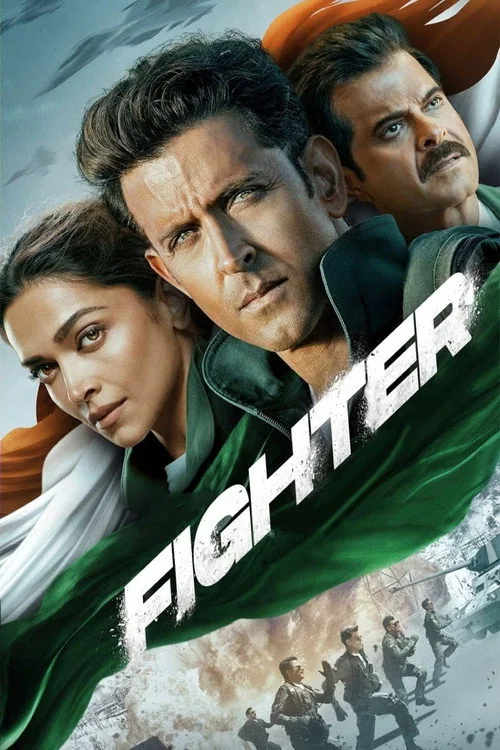
What changes Chhaava: succession sparks a renewed campaign, battles and alliances widen the stakes and capture leads to a final test of conviction. Fighter: team assembly and training, escalating military response and large aerial action climax.
After a terrorist group targets an Indian Air Force base in Kashmir, group captain Rocky Jai Singh forms an elite unit called the Air Dragons. The pilots train and work together under pressure, including Patty Pathania, Minni Rathore, and their close teammates, while personal history and romance complicate the mission. When an attack escalates into cross-border conflict, the unit faces a series of high-risk aerial operations. The Hindi action drama combines patriotic spectacle with an ensemble story about discipline, grief, and trust among fighter pilots.
Based on recorded story, mood and style. Your preferences can change the order.
Political resistance · War and civilian life
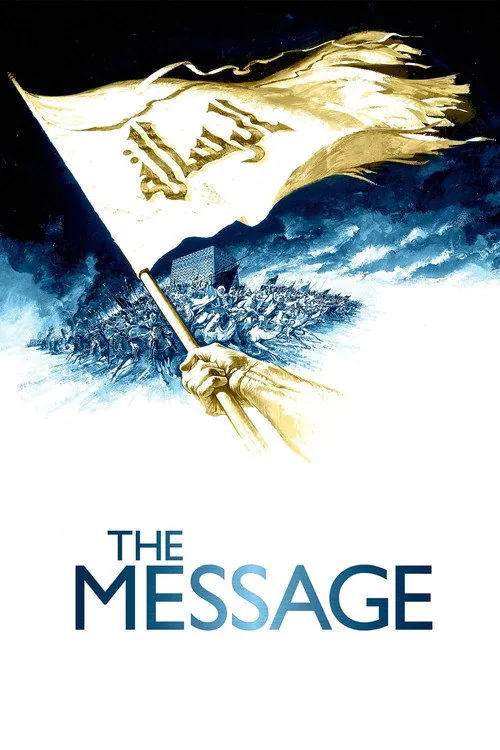
What changes Chhaava: succession sparks a renewed campaign, battles and alliances widen the stakes and capture leads to a final test of conviction. The Message: origins and conversion, exile and community building and return and battle.
The film follows the early spread of Islam through the experiences of Muhammad's companions, whose persecution in Mecca leads them to seek refuge and later return with a growing community. As the new faith challenges established power, its followers face social pressure, exile, and armed conflict. The story depicts the Prophet without showing his face or using an actor, respecting a central religious convention. Moustapha Akkad's historical epic presents the foundation of Islam through surrounding figures and major events rather than a single biographical lead performance.
Based on recorded story, mood and style. Your preferences can change the order.
War and civilian life
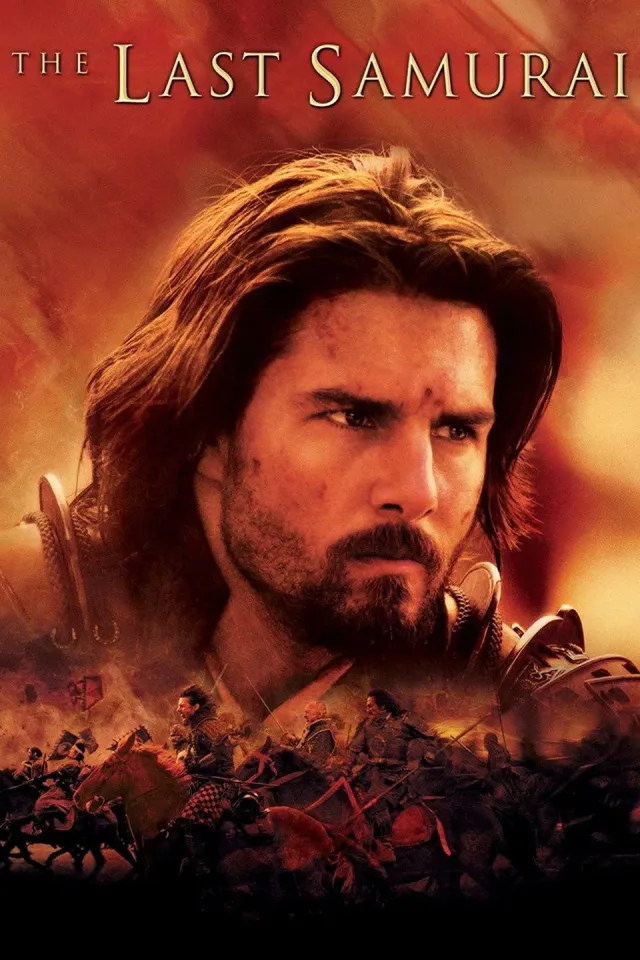
What changes Chhaava: succession sparks a renewed campaign, battles and alliances widen the stakes and capture leads to a final test of conviction. The Last Samurai: training and cultural adjustment and final battle.
Former U.S. Army captain Nathan Algren is hired to train Japan’s new imperial army, but its recruits are sent into battle before they are ready. Captured by samurai leader Katsumoto, Algren is taken to a village where he gradually learns the language and daily rhythms of the people he was sent to fight. His military past and his experiences in the village change how he understands the conflict, while Katsumoto challenges the government’s rapid modernization. When the imperial army prepares a final attack, Algren must decide where his loyalties lie. The film frames the rebellion through an American outsider’s transformation, making that perspective a major part of its appeal and its limits.
Based on recorded story, mood and style. Your preferences can change the order.
Political resistance
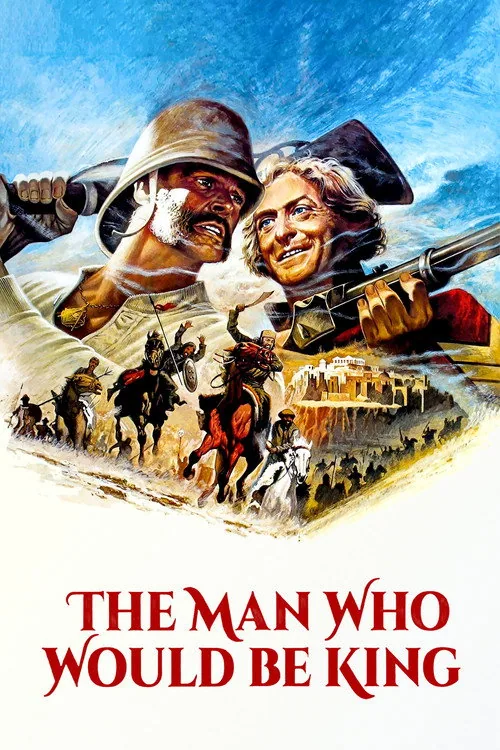
What changes Chhaava: succession sparks a renewed campaign, battles and alliances widen the stakes and capture leads to a final test of conviction. The Man Who Would Be King: framed confession, expedition and conquest and tragic downfall.
In British India, former soldiers Daniel Dravot and Peachy Carnehan tell journalist Rudyard Kipling of their plan to travel to remote Kafiristan and become rulers. They cross dangerous terrain, use military skill to support local leaders, and eventually exploit a people's belief that Dravot may be a god. As power and admiration grow, the friends abandon the limits they set for themselves and risk losing the bond that sustained their scheme. John Huston's adventure explores colonial ambition, hubris, and the boundary between performance and belief.
Based on recorded story, mood and style. Your preferences can change the order.
Political resistance · War and civilian life
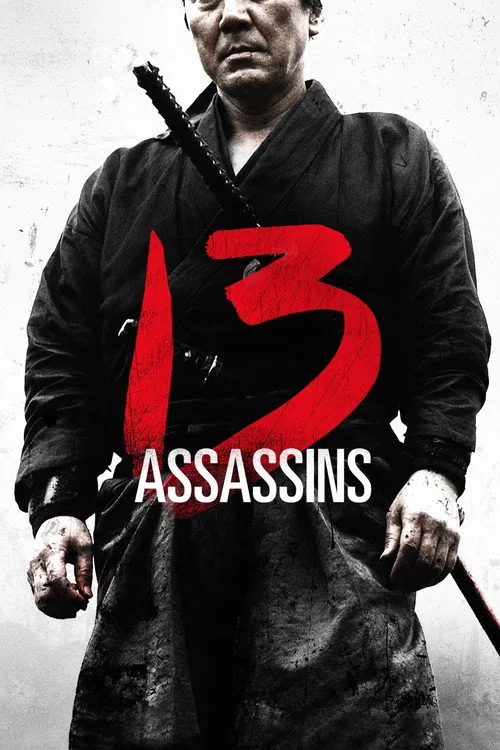
What changes Chhaava: succession sparks a renewed campaign, battles and alliances widen the stakes and capture leads to a final test of conviction. 13 Assassins: measured mission planning, tension before confrontation and extended action climax.
In 1844, samurai Shinzaemon Shimada is asked to stop Lord Naritsugu, a cruel member of the ruling family whose appointment threatens the lives of many. Shinzaemon assembles twelve additional warriors and plans an ambush designed to trap Naritsugu’s much larger escort. Takashi Miike’s Japanese period action film follows the group’s preparation and final battle, using the mission to explore honor, political obligation, and the limits of a samurai code under a corrupt shogunate.
Based on recorded story, mood and style. Your preferences can change the order.
Political resistance · War and civilian life
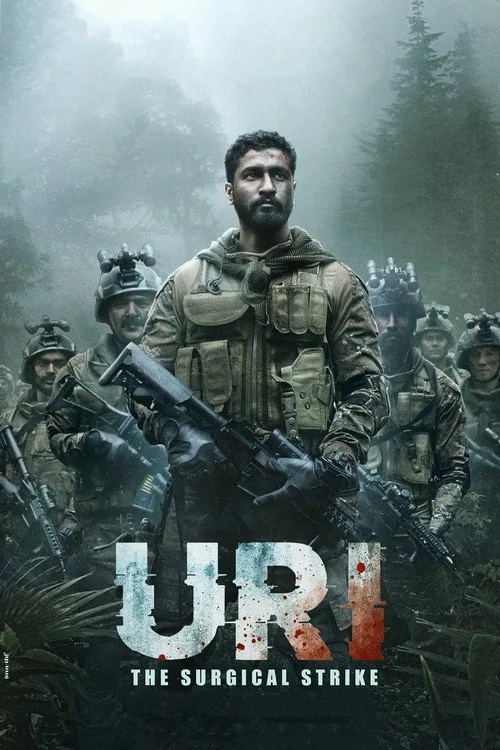
What changes Chhaava: succession sparks a renewed campaign, battles and alliances widen the stakes and capture leads to a final test of conviction. Uri: The Surgical Strike: mission-driven, escalating action and procedural build.
After a deadly attack on an Indian army base, a special forces officer, Major Vihaan Singh Shergill, joins a covert mission across the border to strike militant camps. The operation draws on intelligence, planning, and new military technology, while Vihaan’s personal history gives the mission an emotional dimension. As the team approaches its target, the story follows the pressure on command staff and soldiers coordinating an unusually high-risk response. This Hindi-language action drama dramatizes the 2016 Uri attack and the military operation that followed it.
Based on recorded story, mood and style. Your preferences can change the order.
War and civilian life
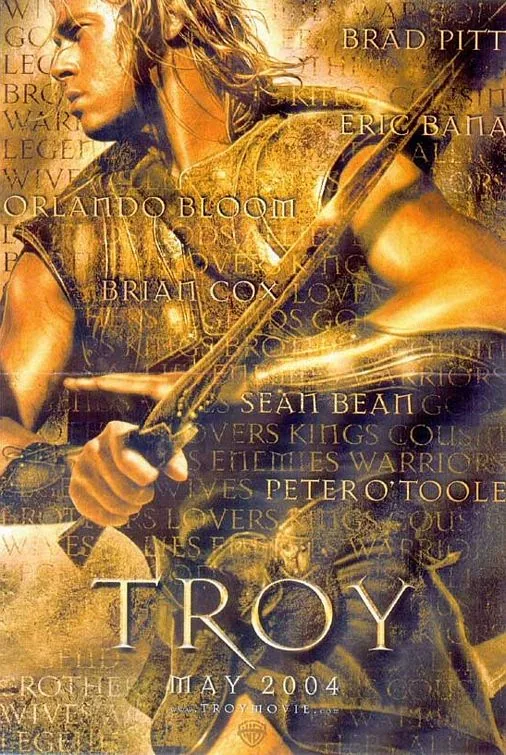
What changes Chhaava: succession sparks a renewed campaign, battles and alliances widen the stakes and capture leads to a final test of conviction. Troy: epic and intense.
The departure of a prince and a married queen becomes the public cause for a Greek assault on Troy, but the expedition's leaders bring ambitions extending beyond the return of one woman. A celebrated warrior resists the king who needs his skill, while a Trojan defender attempts to protect a city whose fate is being shaped by family loyalty and political calculation. Personal attachment and the pursuit of lasting fame repeatedly expose others to consequences their champions cannot control.
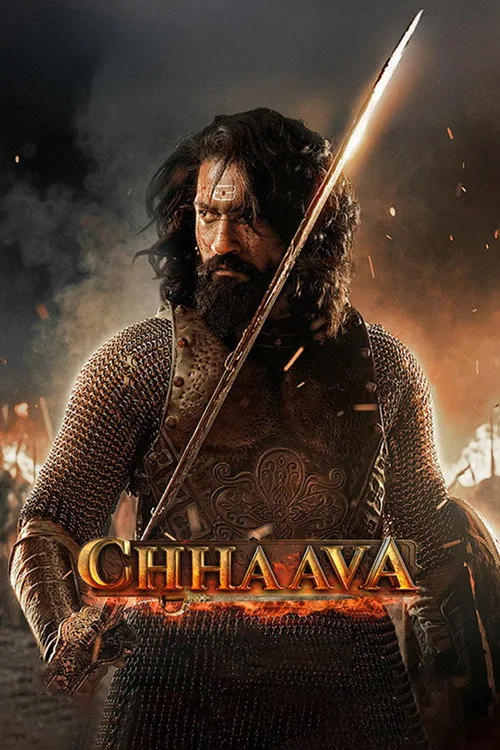
After the death of Shivaji, his son Sambhaji takes leadership of the Maratha resistance against Mughal emperor Aurangzeb. He launches a campaign against Mughal power, balancing military strategy with the need to hold together a kingdom and its allies. When Sambhaji is captured, the conflict becomes a test of endurance, conviction, and the political future he represents. The Hindi historical epic combines court rivalry, battlefield spectacle, and a portrait of a ruler whose resistance becomes a symbol for his people.
What drives the story
Sambhaji continues his father's resistance and faces escalating military and political pressure from Aurangzeb's empire.
The people at its centre
His role as ruler requires loyalty from commanders and courtiers, while family legacy gives personal weight to public choices.
What it feels like
A large-scale Hindi historical epic combines court drama, military spectacle, and a performance centered on resolve.
Worth knowing
The narrative follows a specific Maratha ruler and campaign, rather than a broad survey of Mughal history.
resistance and sovereigntyleadership under pressurelegacy and sacrifice
Mood
heroic · intense · somber
Pacing
succession sparks a renewed campaign · battles and alliances widen the stakes · capture leads to a final test of conviction
Visual style
elaborate Indian historical costumes · large battlefield and fort sequences · royal court spectacle
Storytelling
Sambhaji leads Maratha forces after Shivaji's death · campaign contests Mughal imperial power · capture tests political resolve