Explore films connected to The Message through faith and community, persecution and resistance, religious history. Choose the qualities you want to carry into your next watch.
What should feel similar?
Find your next favourite
9 films · Closest overall matches
Hide films you’ve seen or don’t want. Saved on this device.
No matches for this combination yet.
Try another option or reset your choices to see more films.
Based on recorded story, mood and style. Your preferences can change the order.
Political resistance · War and civilian life
What changes The Message: origins and conversion, exile and community building and return and battle. Underground: multi-decade and episodic shifts.
In occupied Belgrade during World War II, Marko hides his friend Blacky and others in an underground cellar where they make weapons for the resistance. Marko continues profiting from the arrangement long after the war has ended, telling those below that the conflict is still ongoing and keeping Blacky away from the actress Natalija they both love. The deception stretches across decades as political reality changes above ground and the cellar’s inhabitants build a distorted version of the world from scraps of information. When they finally emerge, they find a country whose history has not resolved into peace. Emir Kusturica’s film mixes slapstick, music, melodrama and historical allegory, presenting individual betrayal as one thread in a much wider, unstable account of Yugoslavia.
Based on recorded story, mood and style. Your preferences can change the order.
Political resistance · War and civilian life
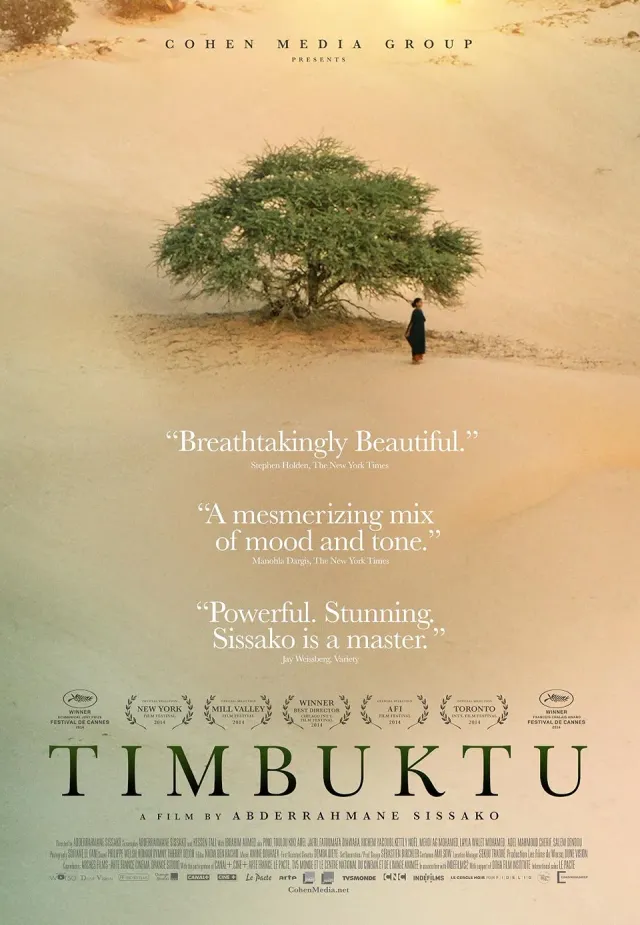
What changes The Message: origins and conversion, exile and community building and return and battle. Timbuktu: episodic and measured.
In and around Timbuktu, an extremist group imposes rigid rules on residents, controlling dress, music and public behavior. A herdsman’s family becomes caught in a conflict after an accidental death, while the city’s musicians, children and neighbors respond to life under occupation. Abderrahmane Sissako contrasts intimate domestic routines with the group’s authoritarian power, creating a restrained drama about dignity, faith, absurdity and the impact of political violence on ordinary people.
Based on recorded story, mood and style. Your preferences can change the order.
Political resistance
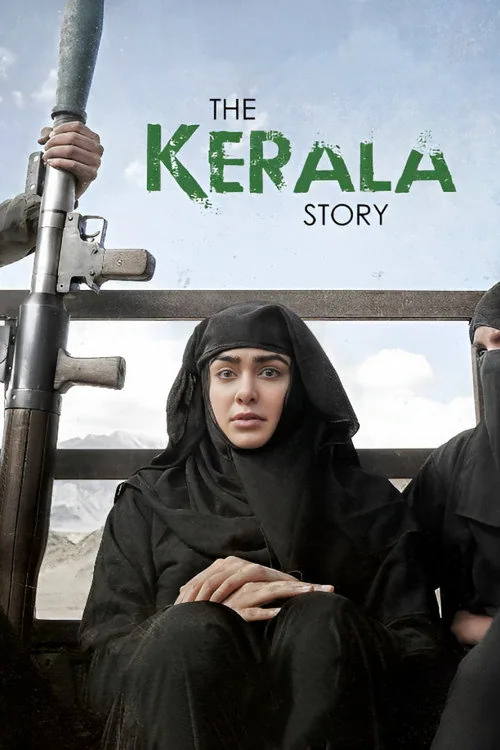
What changes The Message: origins and conversion, exile and community building and return and battle. The Kerala Story: flashback-driven, threat escalation and survival-focused.
The film frames its story through the interrogation of Fatima, a young woman detained near the Afghan-Iran border, and flashbacks to her earlier life as Shalini in Kerala. It depicts her and other women being pressured into conversion and recruited into the Islamic State, centering on coercion, separation, and escape. The Hindi drama was marketed as a true story, but its claims and scale were disputed, and filmmakers added disclaimers that the figures were inauthentic and the depiction fictionalized.
Based on recorded story, mood and style. Your preferences can change the order.
War and civilian life
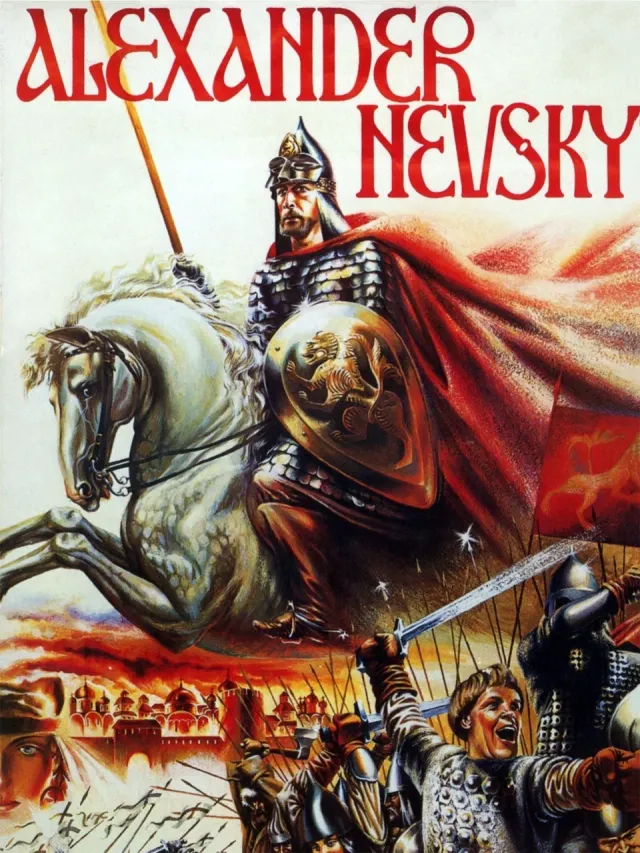
What changes The Message: origins and conversion, exile and community building and return and battle. Alexander Nevsky: measured and epic.
In Sergei Eisenstein's Soviet historical epic, Prince Alexander Nevsky is called on to help defend divided Russian communities against invading Teutonic forces. The threatened towns must turn local rivalries into a shared resistance, culminating in the Battle on the Ice, where the frozen landscape becomes part of the strategy. Monumental images and Sergei Prokofiev's score shape the conflict as a public national myth. The film draws on medieval history while speaking to the political anxiety of 1938, so its heroic certainty belongs to a specific moment of filmmaking as much as to the past it depicts.
Based on recorded story, mood and style. Your preferences can change the order.
Political resistance · War and civilian life
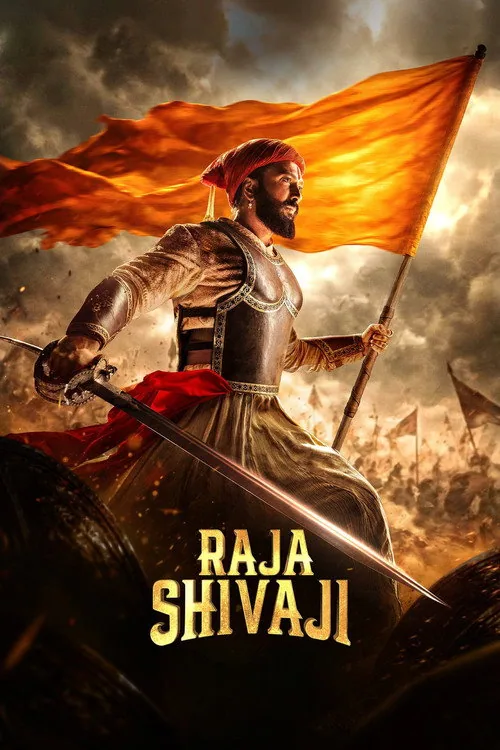
What changes The Message: origins and conversion, exile and community building and return and battle. Raja Shivaji: young ambition grows into leadership, resistance expands through alliances and conflict and legacy takes shape through decisive action.
Raja Shivaji follows Chhatrapati Shivaji Maharaj from a young visionary to a leader who challenges the powers dominating his era. His ambition to establish Swarajya is shaped by family values, sacrifices, and the contributions of people around him. The historical epic traces how a political vision takes form through military resistance, leadership, and a growing community of supporters. Presented in Marathi and Hindi, the film combines large-scale action with a biographical account of the founder of the Maratha Empire and the legacy that emerges from a family's vow.
Based on recorded story, mood and style. Your preferences can change the order.
Political resistance
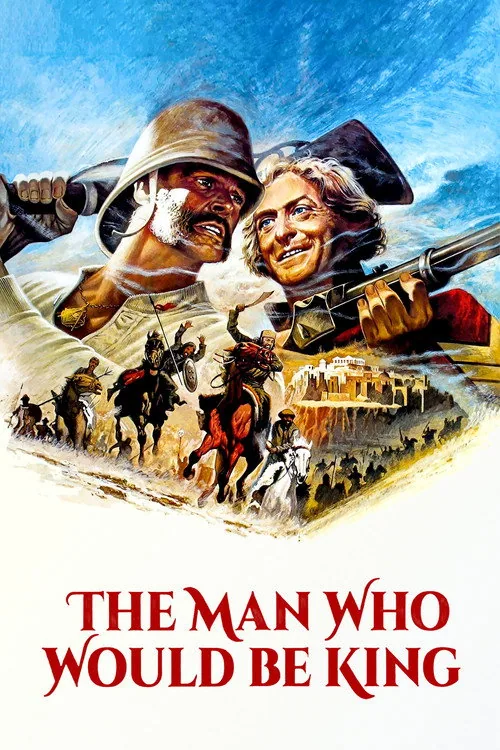
What changes The Message: origins and conversion, exile and community building and return and battle. The Man Who Would Be King: framed confession, expedition and conquest and tragic downfall.
In British India, former soldiers Daniel Dravot and Peachy Carnehan tell journalist Rudyard Kipling of their plan to travel to remote Kafiristan and become rulers. They cross dangerous terrain, use military skill to support local leaders, and eventually exploit a people's belief that Dravot may be a god. As power and admiration grow, the friends abandon the limits they set for themselves and risk losing the bond that sustained their scheme. John Huston's adventure explores colonial ambition, hubris, and the boundary between performance and belief.
Based on recorded story, mood and style. Your preferences can change the order.
War and civilian life
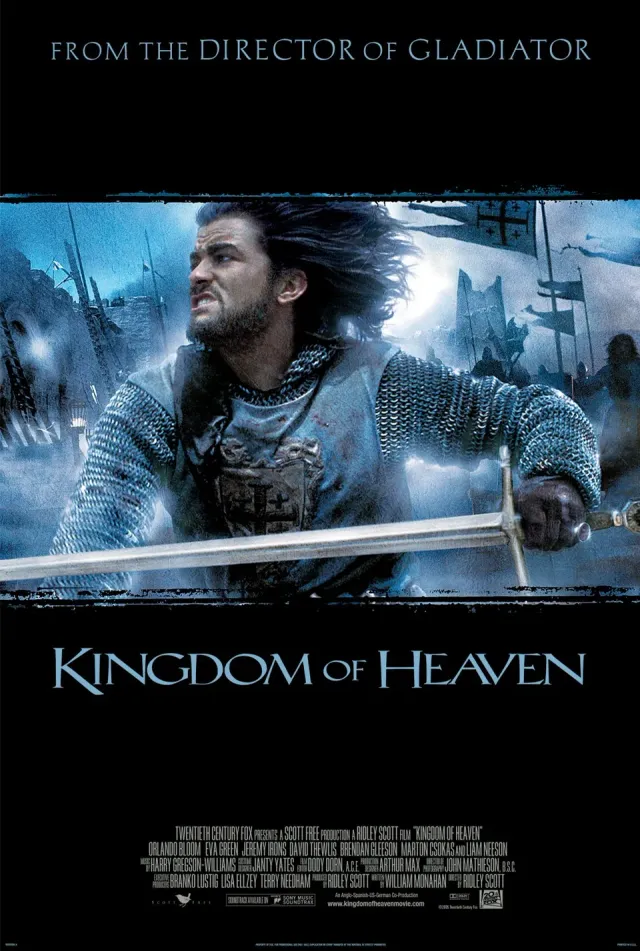
What changes The Message: origins and conversion, exile and community building and return and battle. Kingdom of Heaven: measured.
A grieving blacksmith follows his father toward Jerusalem, hoping to find meaning after personal loss. There he enters a fragile political settlement in which competing leaders use faith, honour and military power for incompatible ends. As aggression threatens the city, his obligations shift from earning spiritual absolution to protecting people whose survival depends on choices made by those claiming religious authority.
Based on recorded story, mood and style. Your preferences can change the order.
Political resistance · War and civilian life
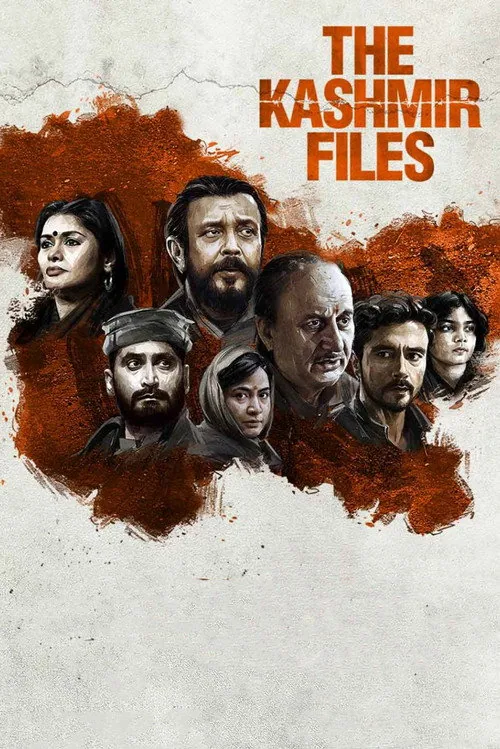
What changes The Message: origins and conversion, exile and community building and return and battle. The Kashmir Files: intercut present and past and speech-driven climax.
After his exiled grandfather dies, a Kashmiri Hindu student begins re-examining the story he was taught about his parents and the family’s departure from the Kashmir Valley. The film moves between his present-day search and dramatized events from 1989–90. Its historical framing is disputed, so the drama is best understood as a forceful film perspective on displacement, memory, and political responsibility.
Based on recorded story, mood and style. Your preferences can change the order.
Political resistance · War and civilian life
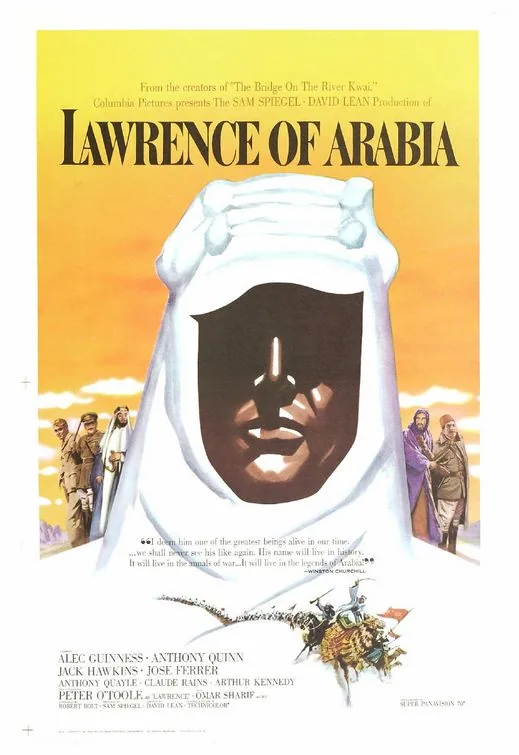
What changes The Message: origins and conversion, exile and community building and return and battle. Lawrence of Arabia: epic and measured.
A British officer posted to the Middle East during the First World War joins Arab forces opposing Ottoman rule and becomes a celebrated figure in their campaign. His identification with the desert and hunger for extraordinary achievement grow entangled with competing local aims and British strategic interests. Victories intensify rather than resolve questions about violence, self-invention and who is permitted to claim ownership of a liberation struggle.
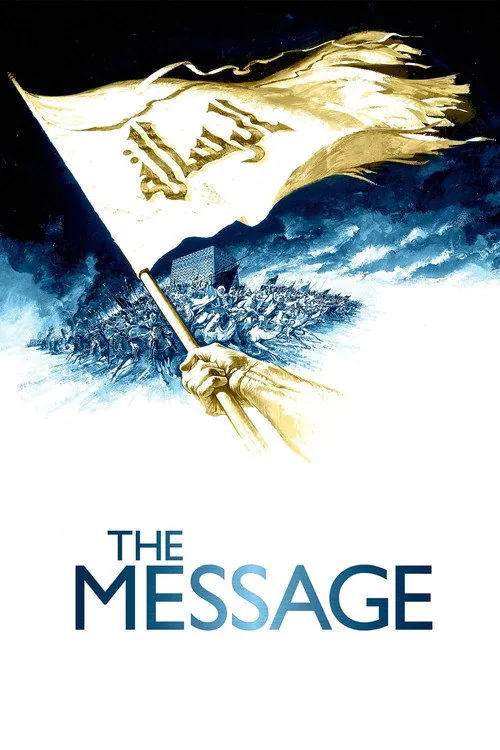
The film follows the early spread of Islam through the experiences of Muhammad's companions, whose persecution in Mecca leads them to seek refuge and later return with a growing community. As the new faith challenges established power, its followers face social pressure, exile, and armed conflict. The story depicts the Prophet without showing his face or using an actor, respecting a central religious convention. Moustapha Akkad's historical epic presents the foundation of Islam through surrounding figures and major events rather than a single biographical lead performance.
What drives the story
The companions' migration, persecution, and return trace how a small community grows under pressure.
The people at its centre
Different followers embody fear, conviction, leadership, and sacrifice as they navigate the emerging community's risks.
What it feels like
A reverent historical epic uses a broad ensemble and large desert settings to portray the beginnings of Islam.
Worth knowing
The film deliberately avoids depicting Muhammad directly, telling the story through companions and surrounding events.
faith and communitypersecution and resistancereligious history
Mood
solemn · epic · reverent
Pacing
origins and conversion · exile and community building · return and battle