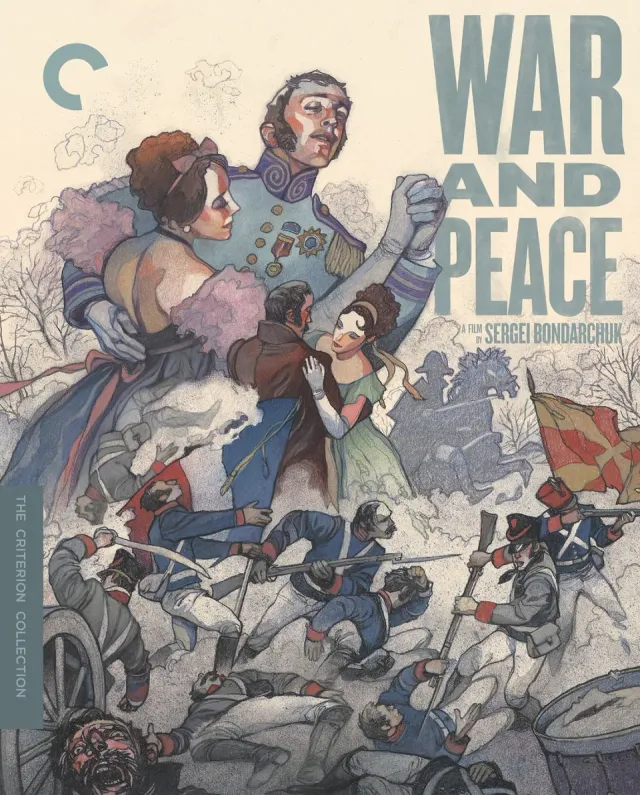
The invasion of Russia intersects with years of changing fortunes among several families, linking intimate decisions to national catastrophe.
Why this matches +
These offer a related experience with a meaningful difference in story, tone, or presentation.
An adjacent discovery: a related idea with a different viewing experience.
Genres: Drama / Romance
Shared film traits
Based on recorded story, mood and style. Your preferences can change the order.
War and civilian life
What changes War and Peace combines Russian historical upheaval, massed battles and a society mobilized against invasion.
Across the Napoleonic era, Pierre Bezukhov, Prince Andrei Bolkonsky and Natasha Rostova search for purpose while Russia’s aristocratic society is repeatedly interrupted by war. Private life unfolds through balls, marriages, family conflict and shifting loyalties, but Napoleon’s invasion steadily alters what safety and honor mean. Bondarchuk’s adaptation follows several families across a long historical span, allowing characters who once imagined history from a distance to encounter its consequences directly. The film is often distributed in four parts and is unusually long, so its large battle scenes sit alongside intimate questions of love, ambition, grief and social expectation. It adapts Tolstoy’s novel rather than reducing it to a single hero’s campaign.
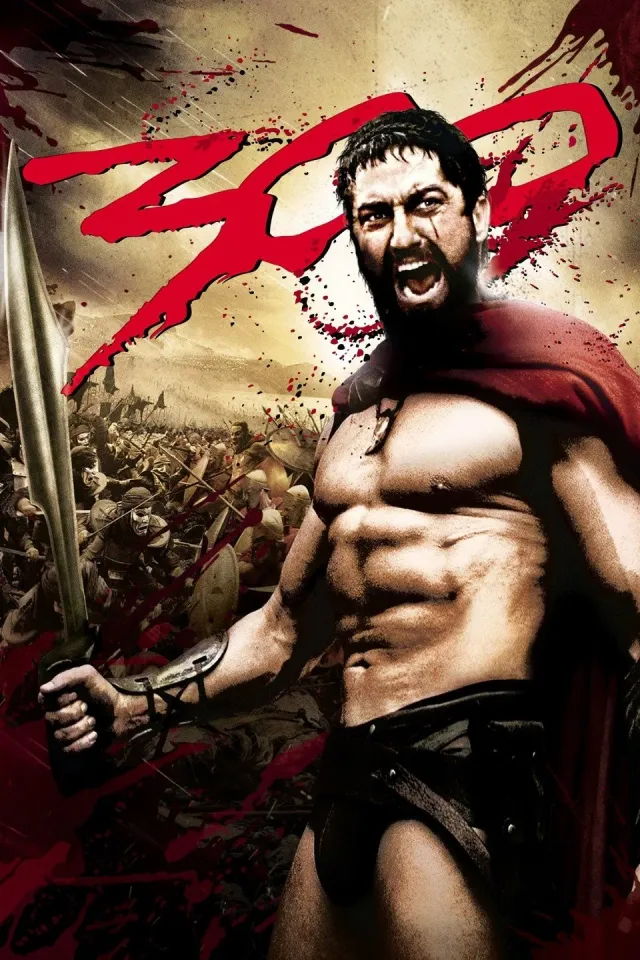
A limited military stand seeks to turn a tactical obstruction into a political example capable of mobilising a wider resistance.
Why this matches +
These offer a related experience with a meaningful difference in story, tone, or presentation.
An adjacent discovery: a related idea with a different viewing experience.
Genres: Action / War
Shared film traits
Based on recorded story, mood and style. Your preferences can change the order.
What changes 300 turns a famous defensive battle into a highly stylized national legend.
A Spartan ruler leads a small force to oppose an invading empire despite political and religious constraints on a larger deployment. A narrow battlefield briefly makes an overwhelming numerical disadvantage appear manageable, while events at home expose conflict over whether resistance deserves support. The campaign is presented through an intensely stylised account in which bodily courage, national myth and the storyteller's purpose shape what the audience is asked to admire.
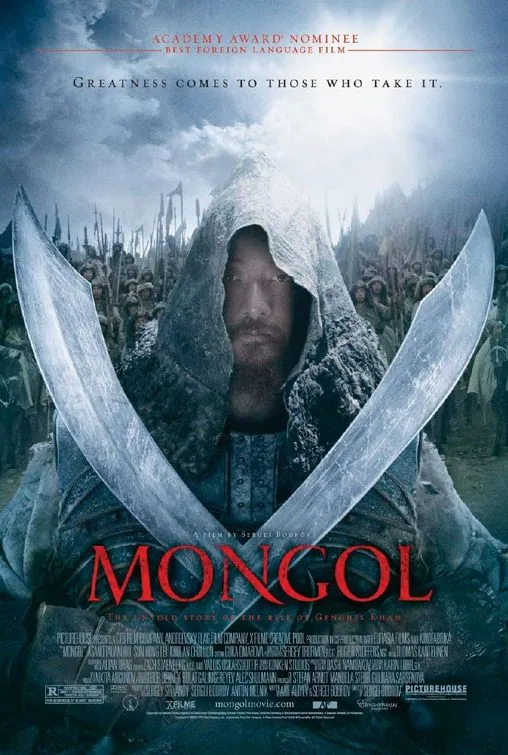
The narrative treats survival and coalition-building as linked tests: each escape wins temporary support but changes the balance of power with Jamukha.
Why this matches +
These offer a related experience with a meaningful difference in story, tone, or presentation.
An adjacent discovery: a related idea with a different viewing experience.
Genres: Drama / Biography
Shared film traits
Based on recorded story, mood and style. Your preferences can change the order.
War and civilian life
What changes Mongol follows a historical leader through war and the creation of a larger political order.
The film frames Temüjin's rise through the danger that follows him from childhood. After his father is poisoned and a rival claims leadership, Temüjin survives capture, escape and exile, then reunites with Börte, who is kidnapped by the Merkit. He seeks help from blood brother Jamukha; their shared victory attracts followers to Temüjin, but rival claims to loyalty lead to war and another capture. Börte and Temüjin endure captivity and separation as his alliances and military reputation grow, setting him on a path toward becoming Genghis Khan.
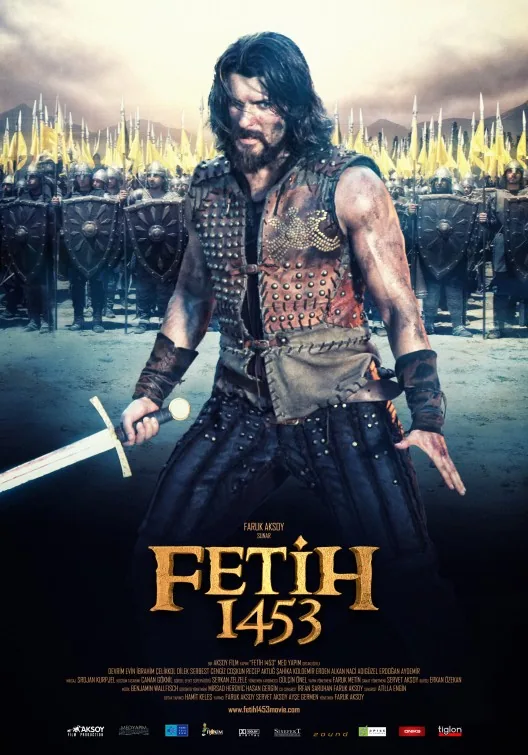
Mehmed II leads a campaign to capture Constantinople while the city prepares to resist.
Why this matches +
These offer a related experience with a meaningful difference in story, tone, or presentation.
An adjacent discovery: a related idea with a different viewing experience.
Genres: History / War
Shared film traits
Based on recorded story, mood and style. Your preferences can change the order.
War and civilian life
What changes Conquest 1453 builds a historical epic around the strategy and spectacle of a decisive siege.
In the fifteenth century, Ottoman Sultan Mehmed II prepares to take Constantinople, while Emperor Constantine XI and the city's defenders face a siege that will determine the region's future. The Turkish historical epic moves between military planning, palace life, and the human cost of a prolonged confrontation. Faruk Aksoy stages the conquest as national historical spectacle, combining large battles with personal loyalties and the pressures of leadership.
The invasion depends on timing and coordination across airborne and seaborne forces, while weather, confusion and German defenses disrupt the plan.
Why this matches +
These offer a related experience with a meaningful difference in story, tone, or presentation.
An adjacent discovery: a related idea with a different viewing experience.
Genres: Drama / Action
Shared film traits
Based on recorded story, mood and style. Your preferences can change the order.
War and civilian life
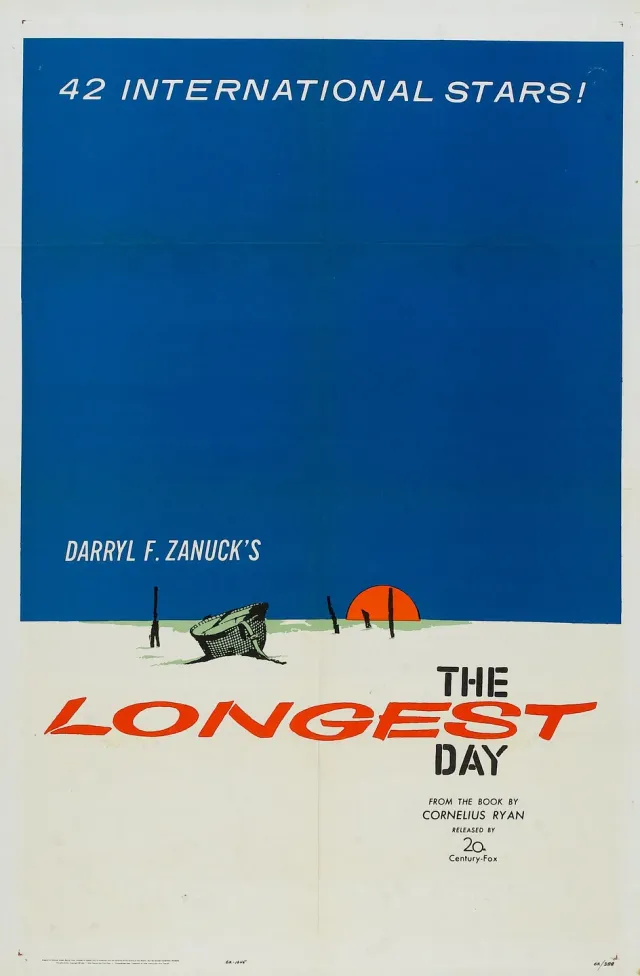
What changes The Longest Day assembles multiple perspectives around a major military operation and its collective effort.
On June 6, 1944, Allied forces launch the D-Day invasion of German-occupied Normandy. The film follows the operation across several locations and perspectives: commanders planning the assault, paratroopers scattered inland, French resistance members aiding the effort and soldiers confronting the beach landings. Rather than following one protagonist, it builds a large-scale account from linked episodes of preparation, confusion and combat. Adapted from Cornelius Ryan’s nonfiction book, it dramatizes a historic military operation through a 1960s international ensemble.
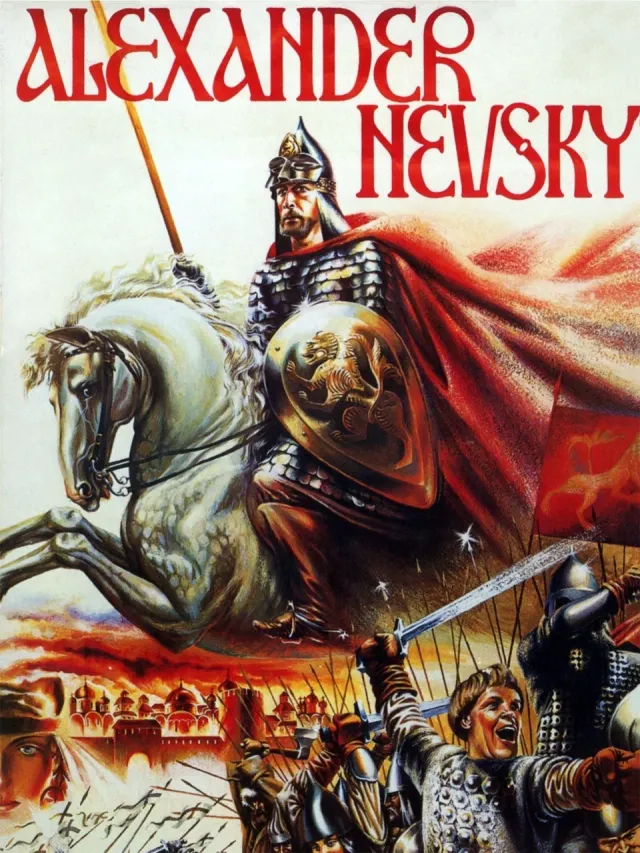
In Sergei Eisenstein's Soviet historical epic, Prince Alexander Nevsky is called on to help defend divided Russian communities against invading Teutonic forces. The threatened towns must turn local rivalries into a shared resistance, culminating in the Battle on the Ice, where the frozen landscape becomes part of the strategy. Monumental images and Sergei Prokofiev's score shape the conflict as a public national myth. The film draws on medieval history while speaking to the political anxiety of 1938, so its heroic certainty belongs to a specific moment of filmmaking as much as to the past it depicts.
What drives the story
An invasion forces rival communities into collective defense, and the climactic battle turns terrain into a decisive tactical resource. The story is organized around mobilization and public leadership, not private doubt.
The people at its centre
Alexander gives disparate fighters a common purpose, while the men's rivalry and courtship thread individual stakes through the larger national cause. Their differences are contained by the film's emphatic heroic frame.
What it feels like
Strong silhouettes, mass choreography and Prokofiev's score make the Battle on the Ice a major audiovisual construction. The film's monumental style openly favors collective spectacle over naturalistic reconstruction.
Worth knowing
Compare formally bold invasion epics and overt national mythmaking, while separating the film's 1938 Soviet political purpose from medieval history. Its heroic alignment and representation of the Teutonic invaders belong to a mobilizing propaganda design; the film is valuable evidence of its own moment, not a neutral record of the thirteenth century.
CooperationDutyNational identity
Mood
Heroic · Epic · Solemn
Pacing
Measured · Epic
Visual style
Monumental · High contrast
Storytelling
Collective defense · Invasion · National mobilization