A cycle of battlefield success, political consolidation and renewed expansion makes conquest feel like both Napoleon's method of rule and the source of his undoing.
Why this matches +
Related viewing experiences with the specific differences recorded for each pair.
An adjacent discovery: a related idea with a different viewing experience.
Genres: Drama / Adventure
Shared film traits
Based on recorded story, mood and style. Your preferences can change the order.
War and civilian life
What changes Napoleon follows a historical conqueror through military ambition and a consequential intimate relationship, concentrating on an emperor's rise and fall rather than Temüjin's early survival.
The film follows Napoleon Bonaparte from the French Revolution through his rise as emperor, military victories, marriage to Joséphine and eventual exile. His relationship with Joséphine shapes the private strand, including their lack of a shared heir and his politically motivated remarriage. The campaign sequence moves from Toulon and Austerlitz to the disastrous invasion of Russia, Waterloo and defeat. The story treats statecraft and battle through Napoleon's personal ambition and volatility, compressing a long political and military history into selected episodes rather than a full chronology.
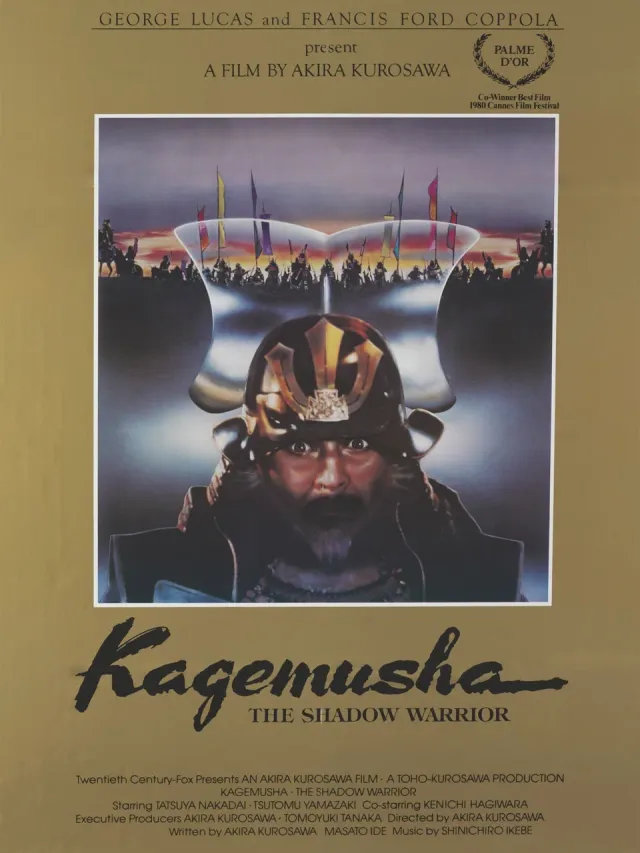
A low-ranking thief is recruited to impersonate a dead warlord and keep his enemies from sensing a transition of power.
Why this matches +
Related viewing experiences with the specific differences recorded for each pair.
An adjacent discovery: a related idea with a different viewing experience.
Genres: Drama / War
Shared film traits
Based on recorded story, mood and style. Your preferences can change the order.
War and civilian life
What changes Kagemusha explores political authority and loyalty among rival forces in a historical Asian setting, centering an impersonator rather than a young leader's rise.
In sixteenth-century Japan, a petty thief is chosen to impersonate the powerful warlord Takeda Shingen after Shingen's death. The double must preserve the illusion for the clan, its soldiers, and rival leaders while the succession remains unsettled and enemies press their advantage. What begins as a deception gradually becomes a demanding performance of authority, as the substitute discovers the personal and political costs of occupying another man's place.
A personal grievance grows into a liberation movement whose success is threatened by divisions between symbolic commitment and political calculation.
Why this matches +
Related viewing experiences with the specific differences recorded for each pair.
An adjacent discovery: a related idea with a different viewing experience.
Genres: Drama / Action
Shared film traits
Based on recorded story, mood and style. Your preferences can change the order.
What changes Personal loss and contested loyalties propel a warrior into leadership across large landscapes and battles; its Scottish independence legend differs from Temüjin’s alliance-building and marital survival.
A Scottish man hoping for an ordinary domestic life is drawn into rebellion after personal loss exposes the violence sustaining English rule. Military success makes him a symbol around which competing nobles and ordinary fighters organise different hopes. As diplomacy and betrayal complicate the campaign, his private grief becomes inseparable from a public mythology of freedom that requires costs no single leader can control.
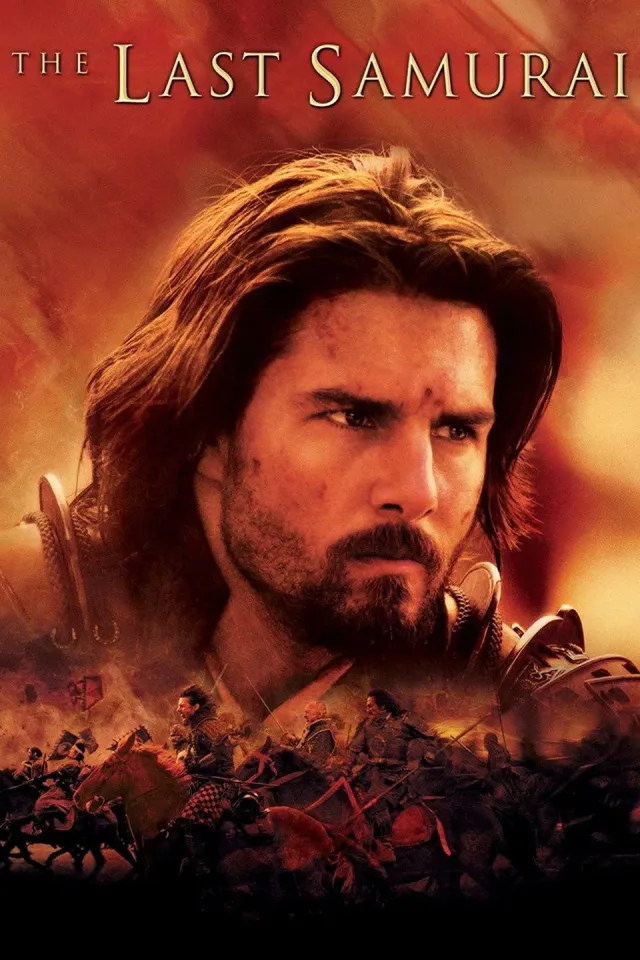
Capture gives Algren time to understand the people he was hired to defeat; his shift in allegiance leads into a final battle over modernization and power.
Why this matches +
Related viewing experiences with the specific differences recorded for each pair.
An adjacent discovery: a related idea with a different viewing experience.
Genres: Drama / Action
Shared film traits
Based on recorded story, mood and style. Your preferences can change the order.
War and civilian life
What changes The Last Samurai follows a warrior drawn into an unfamiliar culture and conflict as loyalties change, using an outsider's perspective on nineteenth-century Japan rather than Temüjin's biography.
Former U.S. Army captain Nathan Algren is hired to train Japan’s new imperial army, but its recruits are sent into battle before they are ready. Captured by samurai leader Katsumoto, Algren is taken to a village where he gradually learns the language and daily rhythms of the people he was sent to fight. His military past and his experiences in the village change how he understands the conflict, while Katsumoto challenges the government’s rapid modernization. When the imperial army prepares a final attack, Algren must decide where his loyalties lie. The film frames the rebellion through an American outsider’s transformation, making that perspective a major part of its appeal and its limits.
Liu Bei and Sun Quan's smaller forces must form an alliance and use strategy to withstand Cao Cao's invasion.
Why this matches +
Related viewing experiences with the specific differences recorded for each pair.
An adjacent discovery: a related idea with a different viewing experience.
Genres: Action / Drama
Shared film traits
Based on recorded story, mood and style. Your preferences can change the order.
War and civilian life
What changes Rival leaders form precarious alliances during an expansive historical war; tactical ensemble warfare replaces the childhood-to-leadership biography and central marriage.
In the late Han dynasty, Chancellor Cao Cao persuades the emperor to authorize a vast campaign against the southern kingdoms of Liu Bei and Sun Quan. Outnumbered forces form an uneasy alliance under strategist Zhou Yu and tactician Zhuge Liang. They study the terrain and the enemy fleet, using diplomacy, intelligence, and careful deception to offset Cao Cao's numerical advantage. The two-part historical epic builds toward the Battle of Red Cliffs, where weather, fire, and coordination determine the future of the region.
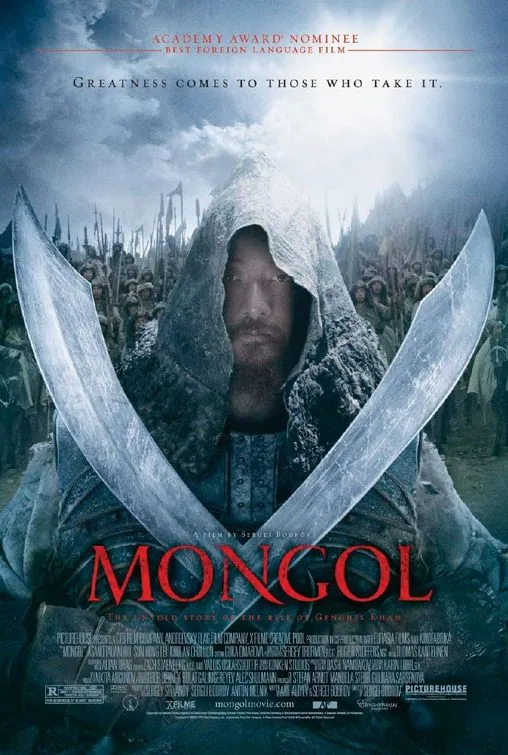
The film frames Temüjin's rise through the danger that follows him from childhood. After his father is poisoned and a rival claims leadership, Temüjin survives capture, escape and exile, then reunites with Börte, who is kidnapped by the Merkit. He seeks help from blood brother Jamukha; their shared victory attracts followers to Temüjin, but rival claims to loyalty lead to war and another capture. Börte and Temüjin endure captivity and separation as his alliances and military reputation grow, setting him on a path toward becoming Genghis Khan.
What drives the story
The narrative treats survival and coalition-building as linked tests: each escape wins temporary support but changes the balance of power with Jamukha.
The people at its centre
Temüjin's bond with Börte anchors his ambition in reciprocal loyalty, while the blood-brother oath with Jamukha becomes a political tie that cannot survive their different followings.
What it feels like
Expansive landscapes, horseback conflict and a long episodic chronology give the film an epic biographical scale, though the compressed history can feel schematic.
Worth knowing
It is a dramatized portrait of Temüjin's early life, not a comprehensive history of the Mongol Empire or an evidence-based guide to every campaign.