Explore films connected to Red Cliff through alliance and strategy, leadership under invasion, political ambition and unity. Choose the qualities you want to carry into your next watch.
What should feel similar?
Find your next favourite
9 films · Closest overall matches
Hide films you’ve seen or don’t want. Saved on this device.
No matches for this combination yet.
Try another option or reset your choices to see more films.
Based on recorded story, mood and style. Your preferences can change the order.
What changes Red Cliff: invasion creates political crisis, planning and diplomacy prepare the alliance and battle sequences resolve the strategic contest. 300: intense.
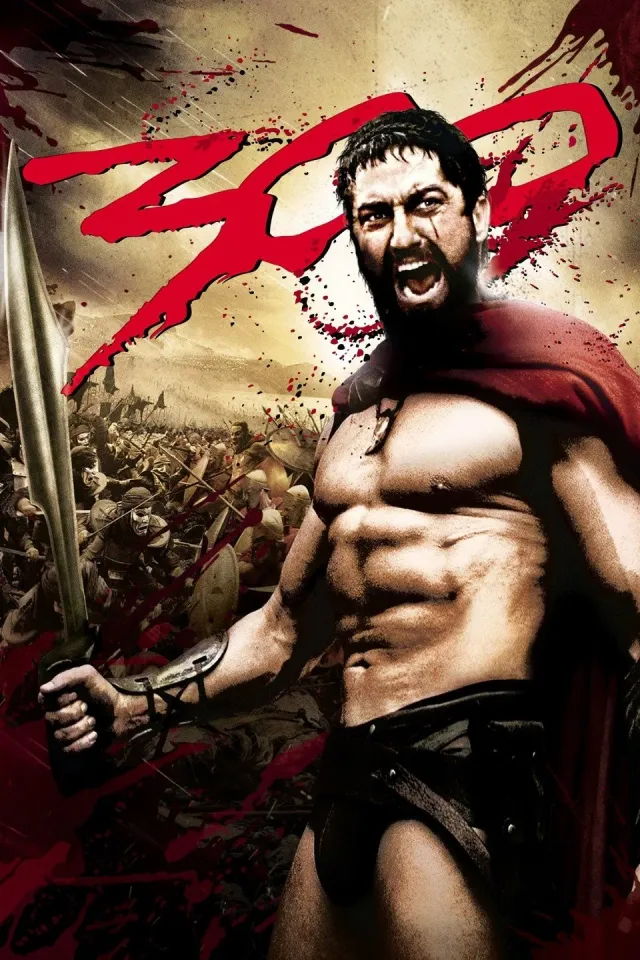
A Spartan ruler leads a small force to oppose an invading empire despite political and religious constraints on a larger deployment. A narrow battlefield briefly makes an overwhelming numerical disadvantage appear manageable, while events at home expose conflict over whether resistance deserves support. The campaign is presented through an intensely stylised account in which bodily courage, national myth and the storyteller's purpose shape what the audience is asked to admire.
Based on recorded story, mood and style. Your preferences can change the order.
War and civilian life
What changes Red Cliff: invasion creates political crisis, planning and diplomacy prepare the alliance and battle sequences resolve the strategic contest. Patton: episodic, building and measured.
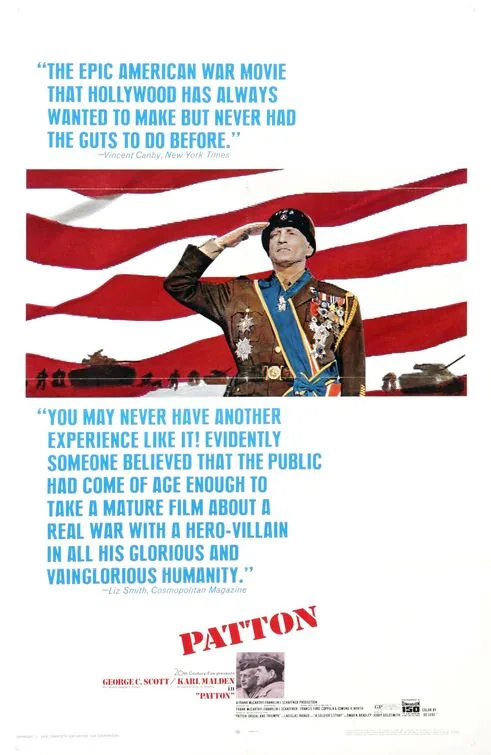
After the American defeat at Kasserine Pass, General George S. Patton takes command of the II Corps and imposes demanding discipline. His rivalry with British General Bernard Montgomery sharpens during the campaign in Sicily, where Patton pushes for a more ambitious advance. Two historical incidents in which he struck hospitalized soldiers there trigger a reprimand and temporarily sideline him; the film compresses that scandal into its own dramatic portrait. Later, his command of the Third Army brings rapid victories across France, but his public remarks and political conduct repeatedly threaten his position. The film follows his military drive alongside his pride, theatrical self-image and belief that battle is the route to lasting glory.
Based on recorded story, mood and style. Your preferences can change the order.
War and civilian life
What changes Red Cliff: invasion creates political crisis, planning and diplomacy prepare the alliance and battle sequences resolve the strategic contest. Missing in Action 2: The Beginning: captivity escalates toward a violent rescue and escape.
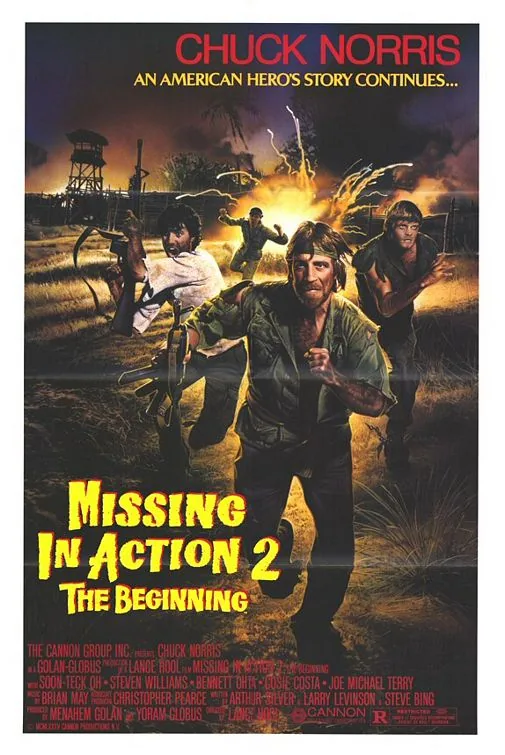
During the Vietnam War, Colonel James Braddock and fellow American prisoners endure forced labor in a camp run by Colonel Yin. Yin seeks to make Braddock sign a false confession about American war crimes, while also using the prisoners to cultivate opium. Braddock resists, protects the other captives and plans an escape, turning the film into a direct action story about coercion, endurance and rescue.
Based on recorded story, mood and style. Your preferences can change the order.
War and civilian life
What changes Red Cliff: invasion creates political crisis, planning and diplomacy prepare the alliance and battle sequences resolve the strategic contest. Chhaava: succession sparks a renewed campaign, battles and alliances widen the stakes and capture leads to a final test of conviction.
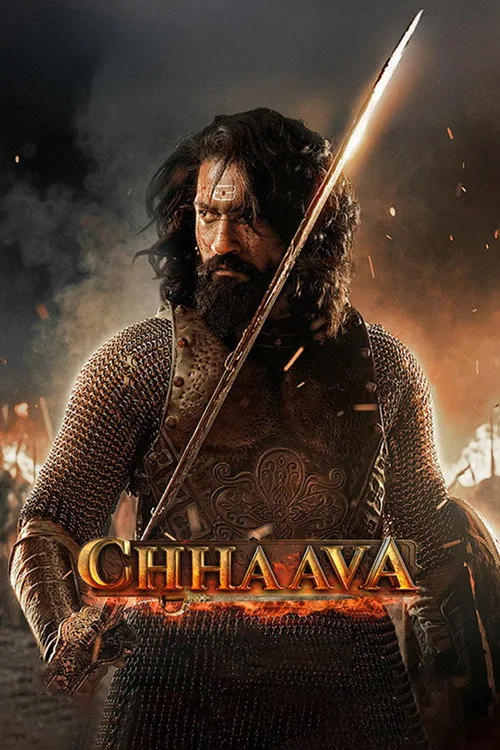
After the death of Shivaji, his son Sambhaji takes leadership of the Maratha resistance against Mughal emperor Aurangzeb. He launches a campaign against Mughal power, balancing military strategy with the need to hold together a kingdom and its allies. When Sambhaji is captured, the conflict becomes a test of endurance, conviction, and the political future he represents. The Hindi historical epic combines court rivalry, battlefield spectacle, and a portrait of a ruler whose resistance becomes a symbol for his people.
Based on recorded story, mood and style. Your preferences can change the order.
War and civilian life
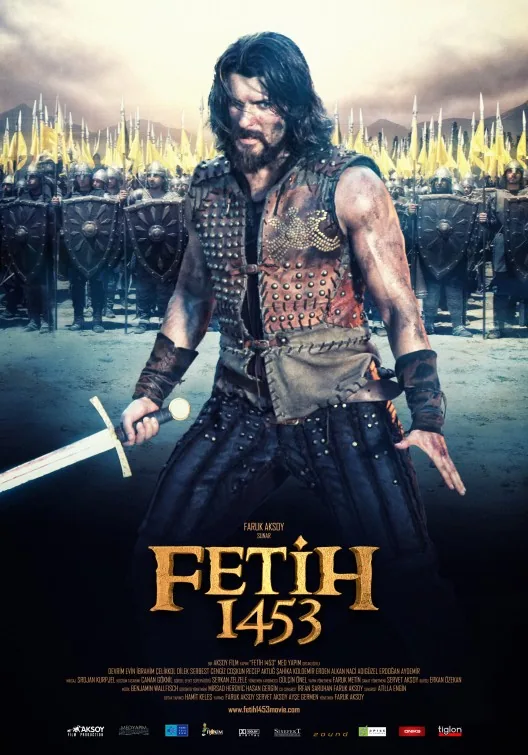
What changes Red Cliff: invasion creates political crisis, planning and diplomacy prepare the alliance and battle sequences resolve the strategic contest. Conquest 1453: campaign-driven and escalating.
In the fifteenth century, Ottoman Sultan Mehmed II prepares to take Constantinople, while Emperor Constantine XI and the city's defenders face a siege that will determine the region's future. The Turkish historical epic moves between military planning, palace life, and the human cost of a prolonged confrontation. Faruk Aksoy stages the conquest as national historical spectacle, combining large battles with personal loyalties and the pressures of leadership.
Based on recorded story, mood and style. Your preferences can change the order.
War and civilian life
What changes Red Cliff: invasion creates political crisis, planning and diplomacy prepare the alliance and battle sequences resolve the strategic contest. Che: The Argentine: intercut interview and campaign periods, training and alliances build the rebellion and santa clara campaign closes the first part.
Part One follows Ernesto Che Guevara from his first meeting with Fidel Castro in Mexico through the Cuban revolutionary campaign that helped topple Fulgencio Batista. The film intercuts that mountain struggle with Guevara's 1964 appearance at the United Nations, where he defends the revolution and its violence. Guerrilla training, peasant alliances, illness, and strategic battles shape the campaign toward Santa Clara. The restrained biographical epic emphasizes collective action and political purpose over a conventional rise-to-fame portrait.
Based on recorded story, mood and style. Your preferences can change the order.
War and civilian life
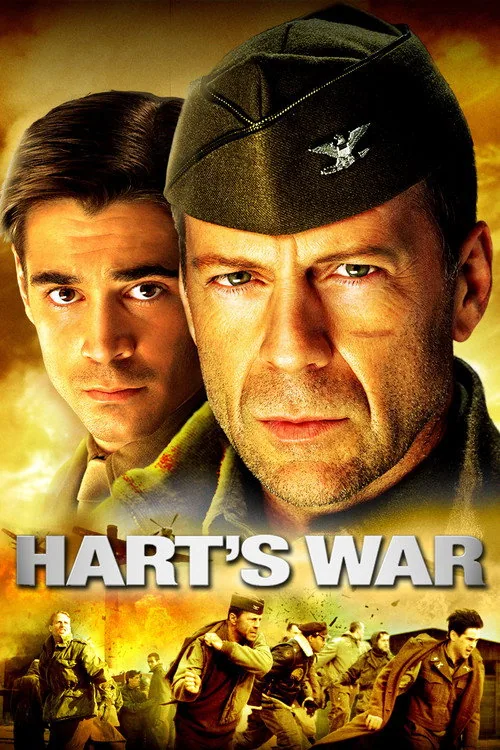
What changes Red Cliff: invasion creates political crisis, planning and diplomacy prepare the alliance and battle sequences resolve the strategic contest. Hart's War: capture and camp setup, courtroom investigation and war-film action climax.
During the Battle of the Bulge, American intelligence officer Thomas Hart is captured and sent to a German prisoner-of-war camp. When a Black pilot is accused of murdering a fellow prisoner, Colonel William McNamara arranges a military trial inside the camp. Hart is appointed to defend him and must navigate prejudice, evidence, and the camp commander's control. The courtroom drama unfolds under wartime conditions, where the case and a larger escape plan may be linked in ways Hart does not initially understand.
Based on recorded story, mood and style. Your preferences can change the order.
War and civilian life
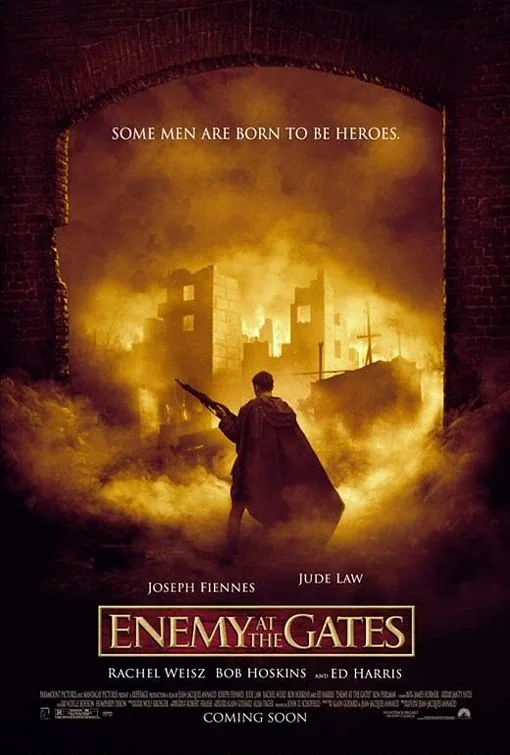
What changes Red Cliff: invasion creates political crisis, planning and diplomacy prepare the alliance and battle sequences resolve the strategic contest. Enemy at the Gates: measured.
A Soviet soldier's skill as a sniper makes him valuable to a political officer seeking a figure who can restore morale in besieged Stalingrad. Public elevation draws an opposing marksman into a duel whose symbolic meaning exceeds the two men's immediate task. Friendship and romantic rivalry intersect with the machinery promoting the hero, making survival depend on seeing both an enemy's position and the expectations created by one's own side. A sniper duel narrows Stalingrad into personal suspense, subordinating the battle’s scale to a media and rivalry plot.
Based on recorded story, mood and style. Your preferences can change the order.
War and civilian life
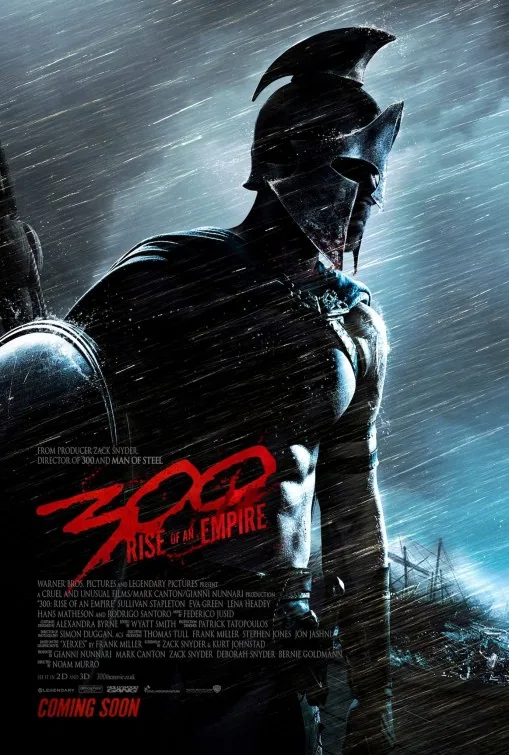
What changes Red Cliff: invasion creates political crisis, planning and diplomacy prepare the alliance and battle sequences resolve the strategic contest. 300: Rise of an Empire: fast and intense.
Greek commander Themistocles attempts to unite divided forces against the Persian invasion while a formidable naval opponent, Artemisia, pursues vengeance through military conquest. Battles at sea unfold alongside and beyond the Spartan stand, making control of the coastline crucial. Political persuasion and personal provocation feed a conflict presented as intensely stylized spectacle, with national survival and private revenge repeatedly overlapping.
In the late Han dynasty, Chancellor Cao Cao persuades the emperor to authorize a vast campaign against the southern kingdoms of Liu Bei and Sun Quan. Outnumbered forces form an uneasy alliance under strategist Zhou Yu and tactician Zhuge Liang. They study the terrain and the enemy fleet, using diplomacy, intelligence, and careful deception to offset Cao Cao's numerical advantage. The two-part historical epic builds toward the Battle of Red Cliffs, where weather, fire, and coordination determine the future of the region.
What drives the story
Liu Bei and Sun Quan's smaller forces must form an alliance and use strategy to withstand Cao Cao's invasion.
The people at its centre
Zhou Yu and Zhuge Liang combine mutual respect with rivalry, while commanders and families absorb the cost of war.
What it feels like
A historical war epic balances political negotiation and tactical planning with expansive naval and battlefield sequences.
Worth knowing
The film foregrounds coalition strategy and the Red Cliffs campaign, rather than following one warrior's personal rise.
alliance and strategyleadership under invasionpolitical ambition and unity
Mood
grand · strategic · heroic
Pacing
invasion creates political crisis · planning and diplomacy prepare the alliance · battle sequences resolve the strategic contest
Visual style
large-scale period battle spectacle · armies and fleets across river landscapes · carefully staged tactics and fire
Storytelling
rival kingdoms unite against Cao Cao · strategists use deception to offset larger army · naval battle decides regional power