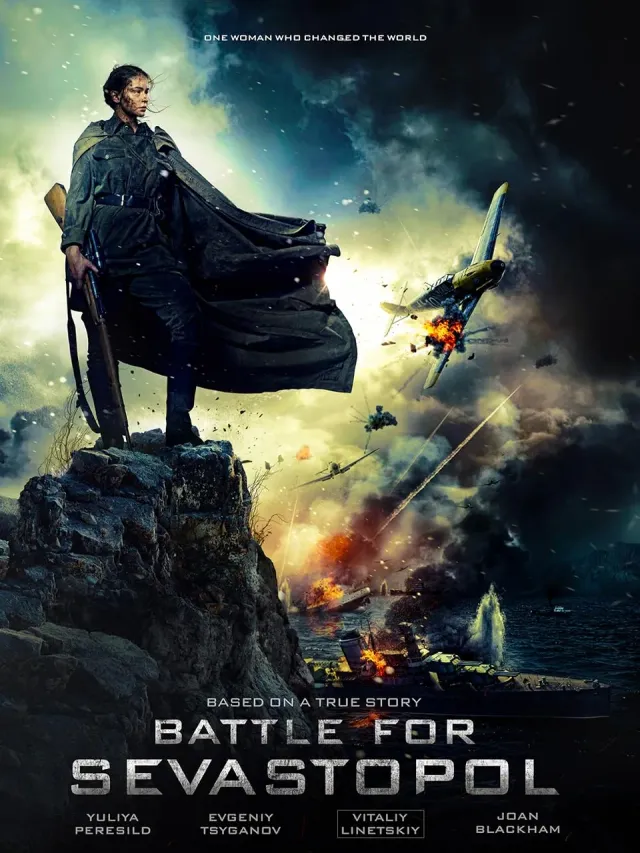
Lyudmila’s marksmanship gives her access to a role often denied to women in wartime.
Why this matches +
Selected for the central appeal: World War II combat stories emphasizing individual survival and the psychological cost of battle.
Genres: War / Drama
Shared film traits
Based on recorded story, mood and style. Your preferences can change the order.
War and civilian life
What changes Battle for Sevastopol follows a Soviet sniper in World War II and the public image constructed around her skill.
The film follows Lyudmila Pavlichenko from her studies in Kyiv into the Soviet army, where her skill as a sniper brings her to the Eastern Front. Her wartime service, relationships and later public advocacy take shape amid escalating violence and political pressure. Sergey Mokritsky combines a biographical portrait with large battle scenes, emphasizing both the cost of conflict and the way a woman’s achievements become part of a larger public narrative.
The rescue framing links present-day danger with inherited wartime memory.
Why this matches +
Selected for the central appeal: World War II combat stories emphasizing individual survival and the psychological cost of battle.
Genres: War / Drama
Shared film traits
Based on recorded story, mood and style. Your preferences can change the order.
War and civilian life
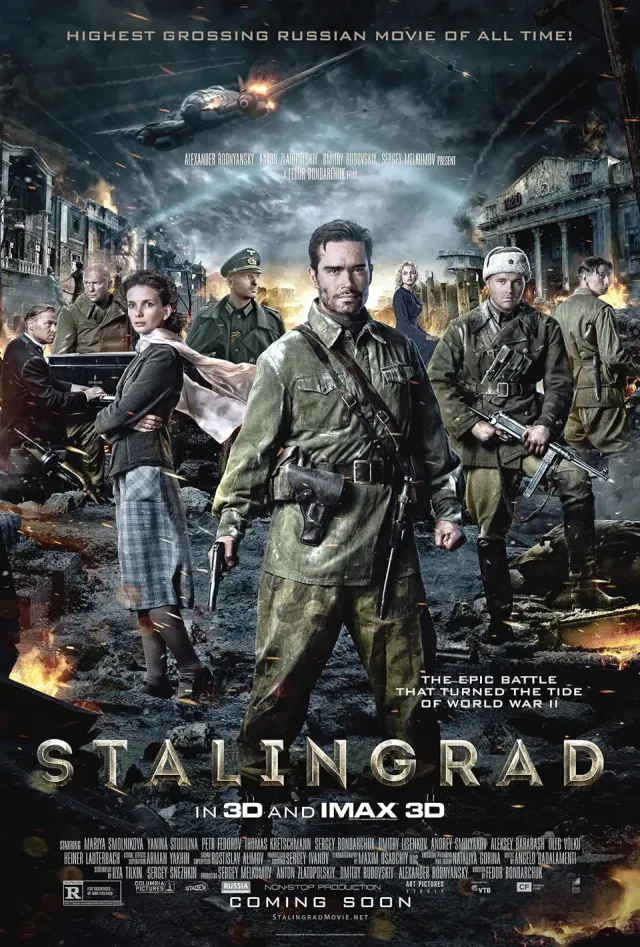
What changes Stalingrad depicts soldiers struggling to survive the same brutal battle from a different perspective.
After a rescue effort in 2011, a Russian emergency worker recounts a family story set during the Battle of Stalingrad. In 1942, a group of Soviet soldiers occupy a damaged building and protect a young woman amid the city’s destruction. Fyodor Bondarchuk combines large-scale war spectacle with a melodramatic account of survival, memory and attachment, using the building as a temporary refuge within a battlefield that keeps closing in.
Repeated deployment reinforces a protective military identity while making withdrawal from threat and responsibility increasingly difficult at home.
Why this matches +
These offer a related experience with a meaningful difference in story, tone, or presentation.
An adjacent discovery: a related idea with a different viewing experience.
Genres: War / Drama
Shared film traits
Based on recorded story, mood and style. Your preferences can change the order.
War and civilian life
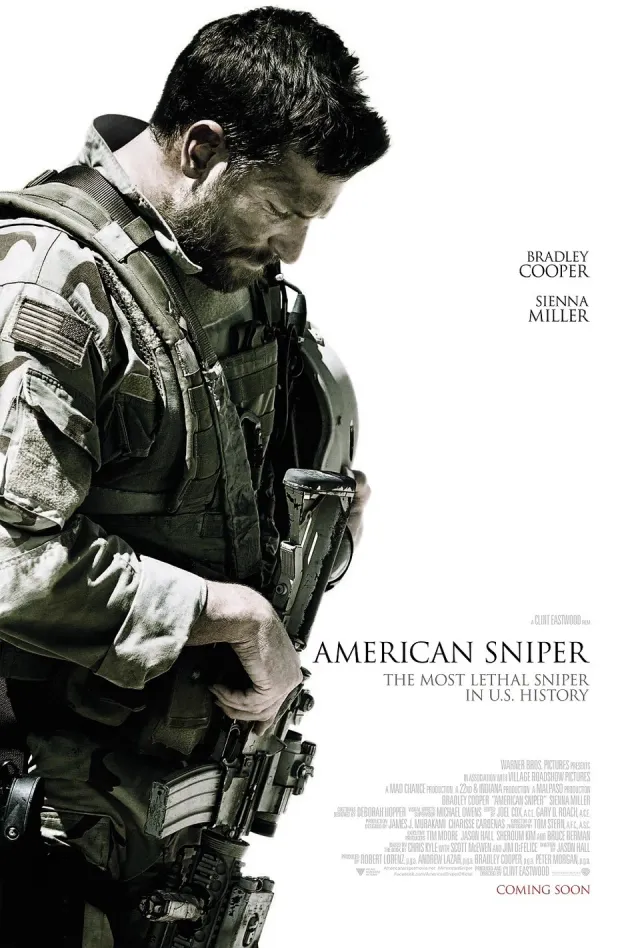
What changes American Sniper focuses on a marksman's combat role and the pressures accompanying his reputation.
A Navy SEAL becomes known for his skill as a sniper during repeated deployments to Iraq, where protecting fellow soldiers supplies a clear sense of duty. Returning home does not restore the ease or attention his family needs. The film follows the widening distance between battlefield usefulness and domestic presence, as exposure to threat and a continuing identification with military responsibility make civilian life another difficult environment to inhabit.
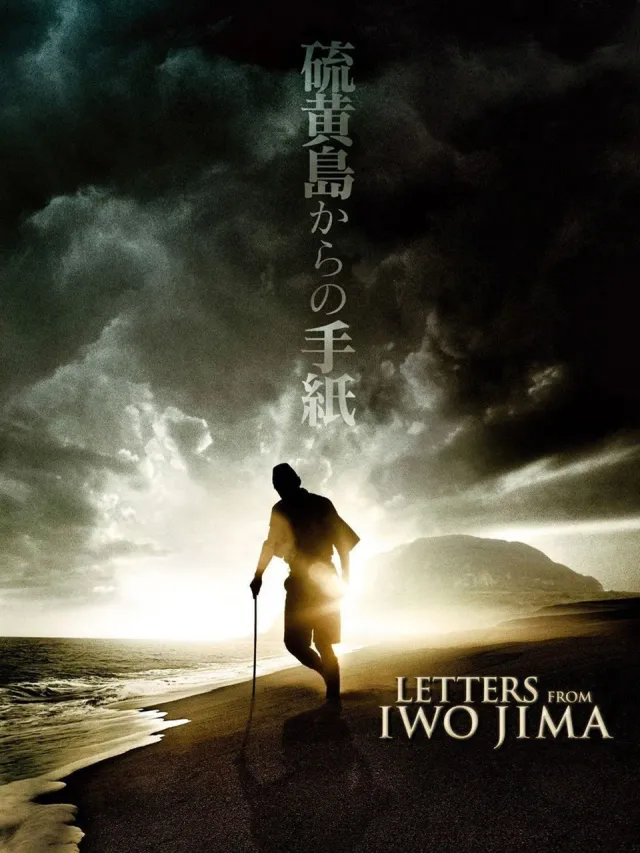
The tactical shift to a defense from caves and tunnels changes the battle from an open-front engagement into a prolonged survival problem. Letters provide a second structure, carrying home lives into a position where return is unlikely.
Why this matches +
These offer a related experience with a meaningful difference in story, tone, or presentation.
An adjacent discovery: a related idea with a different viewing experience.
Genres: War / Drama
Shared film traits
Based on recorded story, mood and style. Your preferences can change the order.
War and civilian life
What changes Letters from Iwo Jima narrows a major World War II battle to the experiences of soldiers defending a position.
As U.S. forces approach Iwo Jima in 1945, Japanese soldiers prepare to defend an island they know they may not survive. Letters and flashbacks follow General Kuribayashi, Saigo the baker and other men whose motives range from duty and fear to attachment to families at home. Their human individuality complicates the language of national honor without making the film a full account of the Pacific War or Japanese imperial responsibility. Clint Eastwood’s Japanese-language companion to Flags of Our Fathers focuses on one selected military perspective; it does not stand for every Japanese soldier or civilian. The battle’s underground tunnels and fragmented correspondence turn defense into an intimate, enclosed ordeal, while the historical context remains larger than the film’s sympathetic frame.
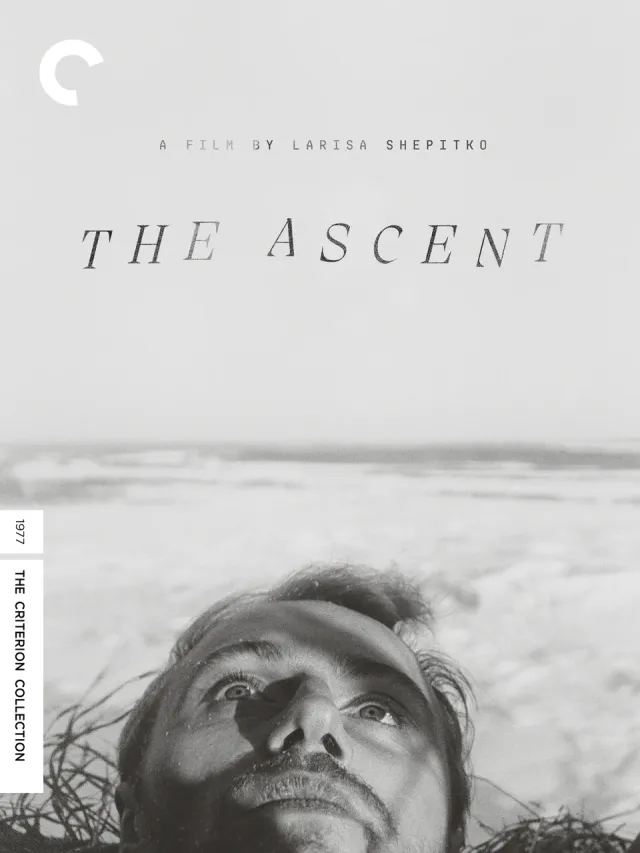
A search for food turns into a test of conscience when two partisans are captured and forced to choose under pressure.
Why this matches +
These offer a related experience with a meaningful difference in story, tone, or presentation.
An adjacent discovery: a related idea with a different viewing experience.
Genres: Drama / War
Shared film traits
Based on recorded story, mood and style. Your preferences can change the order.
War and civilian life
What changes The Ascent follows Soviet partisans through a harsh wartime landscape and tests of loyalty and survival.
During the Second World War, Soviet partisans Sotnikov and Rybak leave their unit to find food for their comrades. A German patrol wounds Sotnikov, and the men seek shelter in a village home before they are discovered and captured with its owner, Demchikha. Under interrogation by a local collaborator, Sotnikov refuses to betray others and endures torture. Rybak faces a different test as fear and the promise of survival press him toward a decision that will define his moral relationship to his companion.
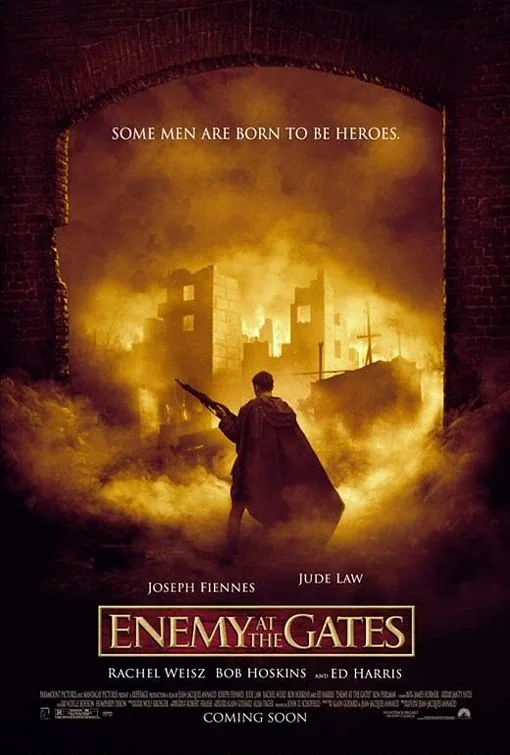
A Soviet soldier's skill as a sniper makes him valuable to a political officer seeking a figure who can restore morale in besieged Stalingrad. Public elevation draws an opposing marksman into a duel whose symbolic meaning exceeds the two men's immediate task. Friendship and romantic rivalry intersect with the machinery promoting the hero, making survival depend on seeing both an enemy's position and the expectations created by one's own side. A sniper duel narrows Stalingrad into personal suspense, subordinating the battle’s scale to a media and rivalry plot.
What drives the story
A battlefield specialist becomes a propaganda figure, turning an individual pursuit into a contest both commands expect to carry public meaning. Danilov promotes Vassili as a morale symbol, turning an individual marksman into an instrument of wartime messaging.
The people at its centre
Vassili's dependence on Danilov's promotion becomes strained by competing attachment to Tania, while younger intermediaries face risks the duel's celebrated participants cannot entirely control. The propaganda officer’s rivalry over Tania complicates the public partnership, while their choices endanger less powerful intermediaries.
What it feels like
Ruined city spaces, long watchful pauses and abrupt rifle fire combine intimate suspense with large-scale images of military desperation. Rubble, long sightlines and sudden shots build a cat-and-mouse thriller from a city devastated by mass combat.
Worth knowing
Match on tactical pursuit intensified by propaganda and personal rivalry, while keeping the dramatized duel and battle scenes distinct from a complete or uncontested account of Stalingrad. Do not treat the personalized duel or its invented details as a comprehensive account of the battle.
DutyRecognitionLove
Mood
Tense · Grave · Emotional
Pacing
Measured
Visual style
Ruined urban landscapes · Period detail · Grounded