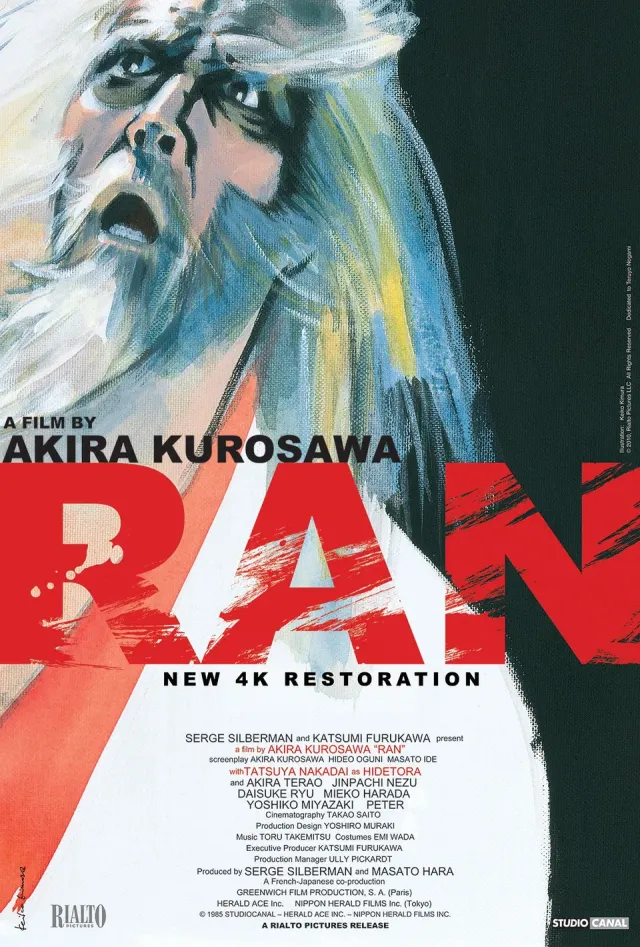
The division of land turns succession into open conflict, and Hidetora’s loss of authority leaves him to witness the consequences of his own rule.
Why this matches +
Selected for the central appeal: A thief impersonates a dead warlord and becomes entangled in the political and personal costs of feudal authority.
Genres: Drama / War
Shared film traits
Based on recorded story, mood and style. Your preferences can change the order.
War and civilian life
What changes A feudal ruler's legacy and succession trigger devastating clan conflict in a Kurosawa epic; family division rather than impersonation.
Aging warlord Hidetora Ichimonji divides his territory among his three sons, expecting their loyalty to keep the clan intact. The youngest, Saburo, warns that the arrangement will fail and is banished along with the retainer who supports him. When the elder brothers turn the succession into a struggle for power, Hidetora loses control of the castles and armies he once commanded. He wanders through the devastation with a fool and a loyal retainer as violence exposes the human cost of his earlier rule. The family’s final alliances cannot undo the betrayals that started the war.
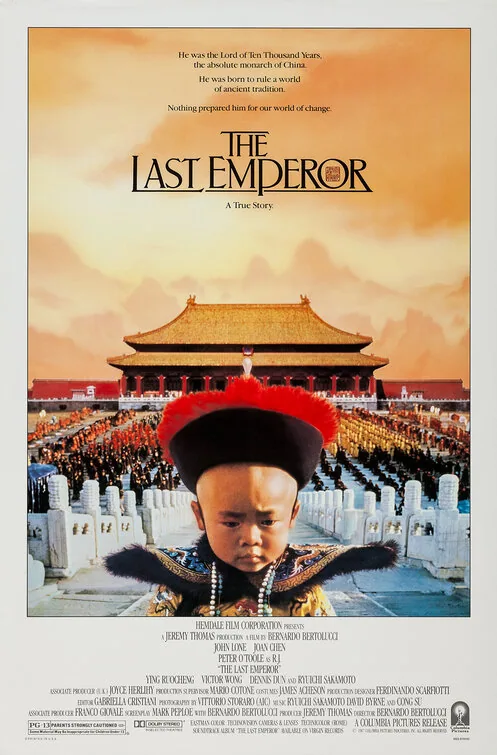
A prison-frame interrogation reorders a former ruler's ceremonial childhood, constrained adulthood and collaboration into a contested account of responsibility.
Why this matches +
These offer a related experience with a meaningful difference in story, tone, or presentation.
An adjacent discovery: a related idea with a different viewing experience.
Genres: Drama / Biography
Shared film traits
Based on recorded story, mood and style. Your preferences can change the order.
War and civilian life
What changes A person's identity becomes bound to the rituals and political manipulation of imperial authority; a Chinese emperor over a lifetime.
As a political prisoner after the Second World War, Puyi recalls being made emperor as a child and growing up inside the enclosed ceremony of Beijing's Forbidden City. Nominal authority repeatedly contrasts with dependence on servants, advisers and foreign power, eventually drawing him into a Japanese-backed regime in Manchuria. Imprisonment and political re-education force a reckoning with how a life organised around exceptional status can obscure responsibility for actual decisions.
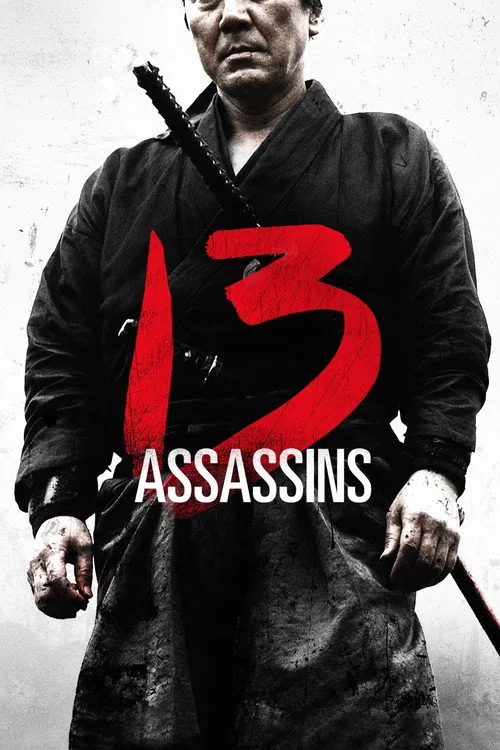
Shinzaemon gathers a small force and prepares a village ambush to prevent Naritsugu from gaining greater political power.
Why this matches +
These offer a related experience with a meaningful difference in story, tone, or presentation.
An adjacent discovery: a related idea with a different viewing experience.
Genres: Action / Drama
Shared film traits
Based on recorded story, mood and style. Your preferences can change the order.
War and civilian life
What changes Samurai navigate loyalty, political power and violent conflict in feudal Japan; a focused assassination mission.
In 1844, samurai Shinzaemon Shimada is asked to stop Lord Naritsugu, a cruel member of the ruling family whose appointment threatens the lives of many. Shinzaemon assembles twelve additional warriors and plans an ambush designed to trap Naritsugu’s much larger escort. Takashi Miike’s Japanese period action film follows the group’s preparation and final battle, using the mission to explore honor, political obligation, and the limits of a samurai code under a corrupt shogunate.
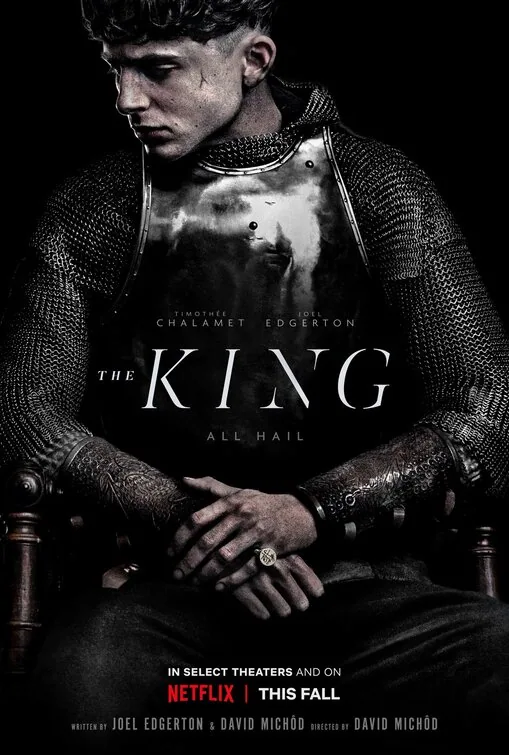
Hal’s transformation is driven by decisions about responsibility rather than a sudden appetite for power.
Why this matches +
These offer a related experience with a meaningful difference in story, tone, or presentation.
An adjacent discovery: a related idea with a different viewing experience.
Genres: Drama / History
Shared film traits
Based on recorded story, mood and style. Your preferences can change the order.
War and civilian life
What changes A reluctant ruler confronts the performance and consequences of power amid war; medieval England rather than Japan.
Prince Hal prefers taverns and the company of Falstaff to the court, but his father’s death forces him onto the English throne. As Henry V, he faces rebellion at home and a campaign in France while confronting the burdens of authority and the consequences of choosing whom to trust. David Michôd gives the Shakespeare-inspired history a somber, muddy visual texture and a restrained account of a young ruler becoming a wartime king.
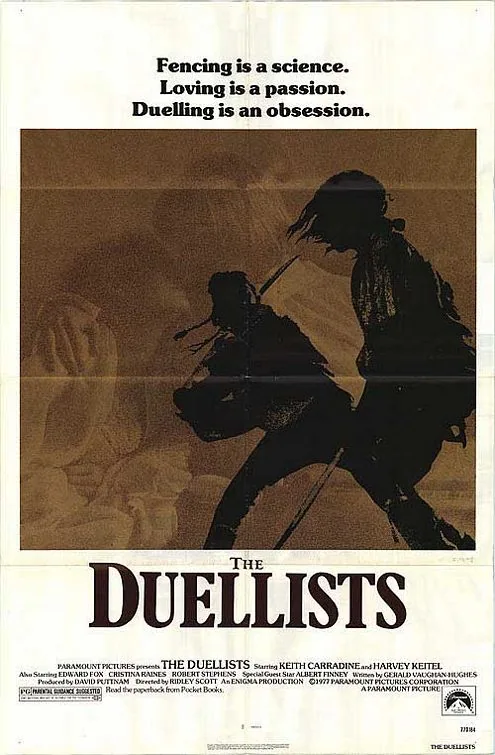
A slight perceived insult becomes a lifelong feud as two officers repeatedly return to the ritual of combat.
Why this matches +
These offer a related experience with a meaningful difference in story, tone, or presentation.
An adjacent discovery: a related idea with a different viewing experience.
Genres: Drama / Historical
Shared film traits
Based on recorded story, mood and style. Your preferences can change the order.
Memory and identity · War and civilian life
What changes Honor and personal identity become inseparable from military duty in a historical drama; two officers' rivalry.
In Napoleonic-era France, an order to arrest fellow officer Gabriel Feraud sparks a personal grievance against Armand d'Hubert. Feraud insists on settling the matter through repeated duels, and their encounters recur across years of military service and political upheaval. D'Hubert tries to avoid a feud that threatens to dominate both men's lives, while Feraud treats each meeting as a question of honor. Campaigns and changing seasons frame their stubborn rivalry and eventual reckoning.
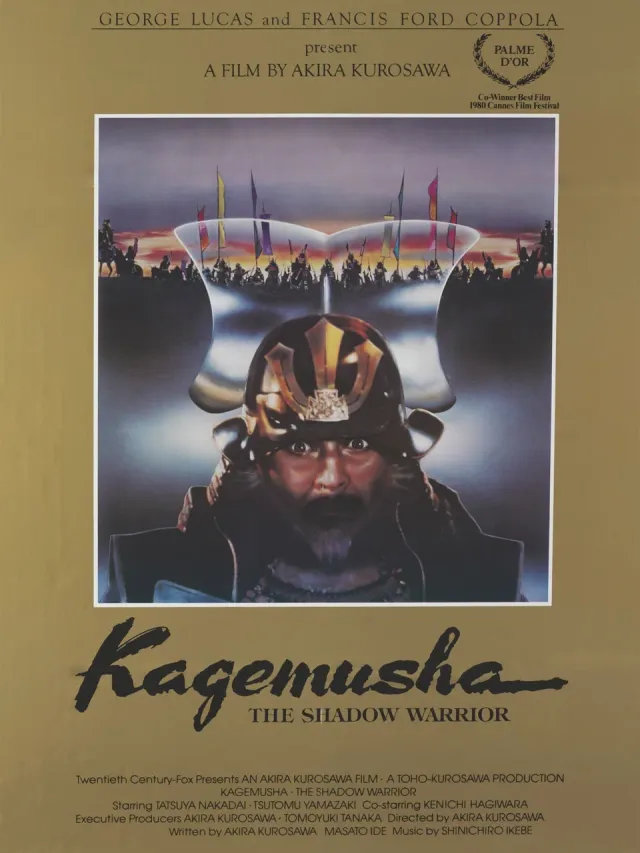
In sixteenth-century Japan, a petty thief is chosen to impersonate the powerful warlord Takeda Shingen after Shingen's death. The double must preserve the illusion for the clan, its soldiers, and rival leaders while the succession remains unsettled and enemies press their advantage. What begins as a deception gradually becomes a demanding performance of authority, as the substitute discovers the personal and political costs of occupying another man's place.
What drives the story
A low-ranking thief is recruited to impersonate a dead warlord and keep his enemies from sensing a transition of power.
The people at its centre
The substitute grows attached to the role, while the clan's nobles weigh loyalty against the danger of being exposed.
What it feels like
The film uses deliberate pacing and visual tableaux to explore command, memory, and the fragility of authority.
Worth knowing
Its historical war epic centers on impersonation and succession rather than a straightforward battlefield campaign.
IdentityPowerWar
Mood
Contemplative · Grave · Grand
Pacing
Ceremonial · Gradual
Visual style
Epic compositions · Period landscapes
Storytelling
False identity · Warrior succession · Political deception