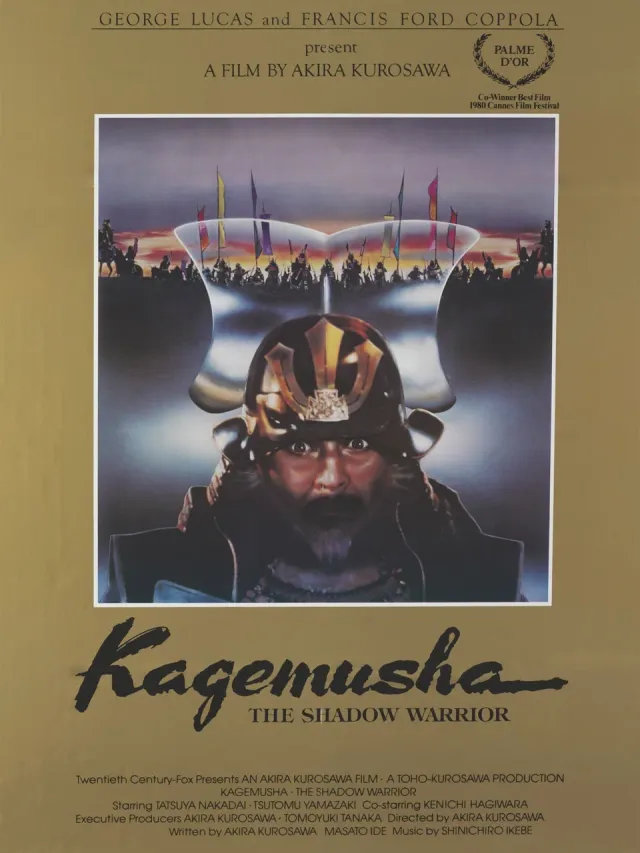
A low-ranking thief is recruited to impersonate a dead warlord and keep his enemies from sensing a transition of power.
Why this matches +
Selected for the central appeal: Tragic historical epics about divided authority, succession and the devastation of war.
Genres: Drama / War
Shared film traits
Based on recorded story, mood and style. Your preferences can change the order.
War and civilian life
What changes Kagemusha shares Kurosawa's sweeping feudal-Japan setting and a struggle to preserve authority after a ruler's decline.
In sixteenth-century Japan, a petty thief is chosen to impersonate the powerful warlord Takeda Shingen after Shingen's death. The double must preserve the illusion for the clan, its soldiers, and rival leaders while the succession remains unsettled and enemies press their advantage. What begins as a deception gradually becomes a demanding performance of authority, as the substitute discovers the personal and political costs of occupying another man's place.
A romantic provocation enables an expansionist siege in which rival leaders depend on warriors whose private loyalties disrupt strategic plans.
Why this matches +
These offer a related experience with a meaningful difference in story, tone, or presentation.
An adjacent discovery: a related idea with a different viewing experience.
Genres: Drama / Action
Shared film traits
Based on recorded story, mood and style. Your preferences can change the order.
War and civilian life
What changes Troy depicts rival leaders and families whose ambitions bring large-scale war and personal tragedy.
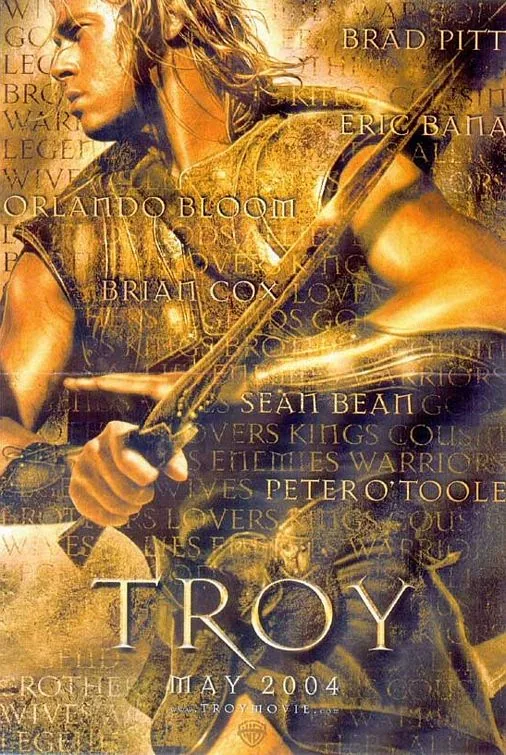
The departure of a prince and a married queen becomes the public cause for a Greek assault on Troy, but the expedition's leaders bring ambitions extending beyond the return of one woman. A celebrated warrior resists the king who needs his skill, while a Trojan defender attempts to protect a city whose fate is being shaped by family loyalty and political calculation. Personal attachment and the pursuit of lasting fame repeatedly expose others to consequences their champions cannot control.
The narrative treats survival and coalition-building as linked tests: each escape wins temporary support but changes the balance of power with Jamukha.
Why this matches +
These offer a related experience with a meaningful difference in story, tone, or presentation.
An adjacent discovery: a related idea with a different viewing experience.
Genres: Drama / Biography
Shared film traits
Based on recorded story, mood and style. Your preferences can change the order.
War and civilian life
What changes Mongol follows struggles for power, loyalty and survival across a vast historical landscape.
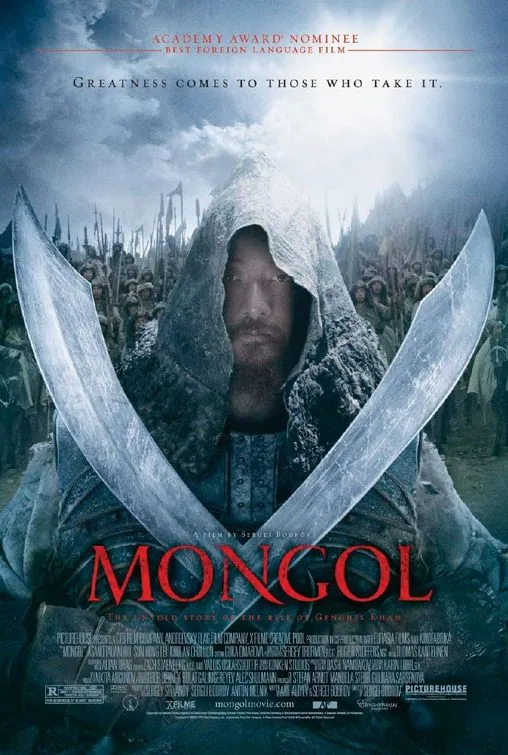
The film frames Temüjin's rise through the danger that follows him from childhood. After his father is poisoned and a rival claims leadership, Temüjin survives capture, escape and exile, then reunites with Börte, who is kidnapped by the Merkit. He seeks help from blood brother Jamukha; their shared victory attracts followers to Temüjin, but rival claims to loyalty lead to war and another capture. Börte and Temüjin endure captivity and separation as his alliances and military reputation grow, setting him on a path toward becoming Genghis Khan.
Shinzaemon gathers a small force and prepares a village ambush to prevent Naritsugu from gaining greater political power.
Why this matches +
These offer a related experience with a meaningful difference in story, tone, or presentation.
An adjacent discovery: a related idea with a different viewing experience.
Genres: Action / Drama
Shared film traits
Based on recorded story, mood and style. Your preferences can change the order.
War and civilian life
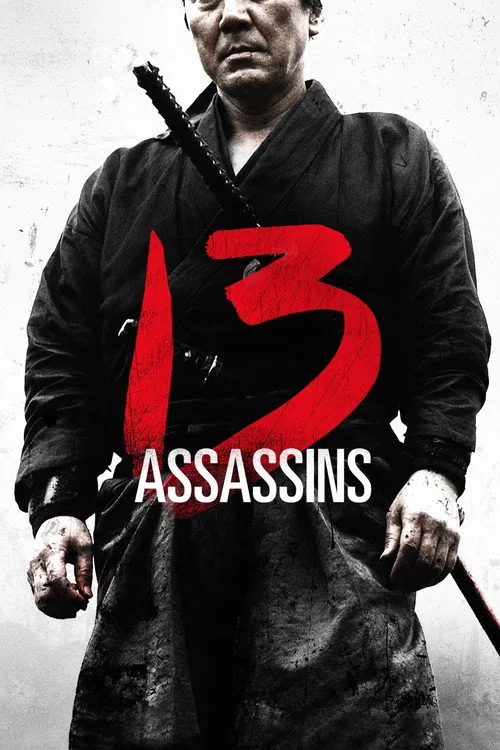
What changes 13 Assassins portrays violent feudal power and the people confronting its abuses.
In 1844, samurai Shinzaemon Shimada is asked to stop Lord Naritsugu, a cruel member of the ruling family whose appointment threatens the lives of many. Shinzaemon assembles twelve additional warriors and plans an ambush designed to trap Naritsugu’s much larger escort. Takashi Miike’s Japanese period action film follows the group’s preparation and final battle, using the mission to explore honor, political obligation, and the limits of a samurai code under a corrupt shogunate.
A wartime loss fractures a family's loyalties and redirects a shared romantic attachment, with successive returns reopening conflicts that distance has not resolved.
Why this matches +
These offer a related experience with a meaningful difference in story, tone, or presentation.
An adjacent discovery: a related idea with a different viewing experience.
Genres: Drama / Romance
Shared film traits
Based on recorded story, mood and style. Your preferences can change the order.
War and civilian life
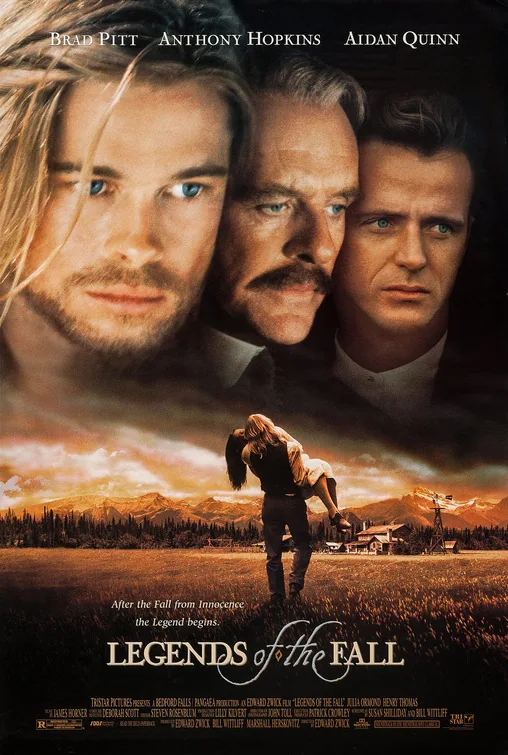
What changes Legends of the Fall follows brothers whose loyalties and rivalries fracture a family across years of conflict.
Three brothers raised on a Montana ranch enter the First World War with different expectations of duty and belonging. One death reorganizes their relationships with their father and the woman whose engagement linked her to the family. The returning brother's grief turns into absence, renewed attachments and violence that cannot remain a private condition. The multigenerational melodrama makes landscape and family myth large enough to contain longing without making them reliable shelter from rivalry, political compromise or the consequences of idealizing an untamable man.
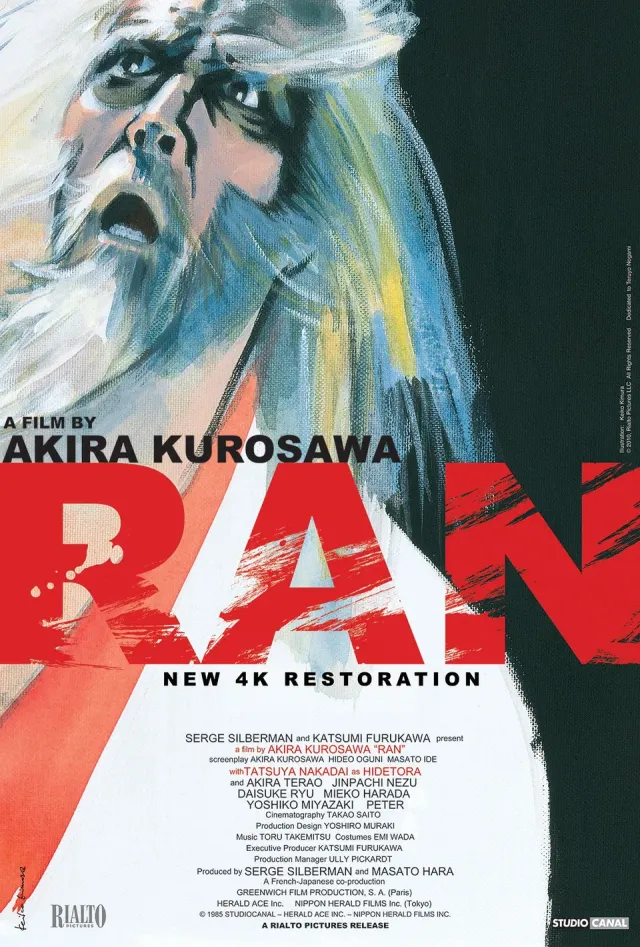
Aging warlord Hidetora Ichimonji divides his territory among his three sons, expecting their loyalty to keep the clan intact. The youngest, Saburo, warns that the arrangement will fail and is banished along with the retainer who supports him. When the elder brothers turn the succession into a struggle for power, Hidetora loses control of the castles and armies he once commanded. He wanders through the devastation with a fool and a loyal retainer as violence exposes the human cost of his earlier rule. The family’s final alliances cannot undo the betrayals that started the war.
What drives the story
The division of land turns succession into open conflict, and Hidetora’s loss of authority leaves him to witness the consequences of his own rule.
The people at its centre
Hidetora’s sons compete for power, while Saburo’s blunt loyalty and Kurogane’s divided service offer different responses to the clan’s collapse.
What it feels like
Wide battle tableaux, landscape and long stretches of quiet make the violence feel tragic and cumulative rather than triumphant.
Worth knowing
Kurosawa reworks King Lear through the fictional Hidetora and Sengoku-era clan politics; its tragic family structure matters more than a literal Shakespearean or documentary account of Japanese history.
PowerBetrayalWar and guilt
Mood
Grim · Austere · Tragic
Pacing
Measured · Episodic · Escalating
Visual style
Widescreen landscape · Battle tableaux · Color symbolism