Oil wealth reshapes a ranch family’s power over generations, exposing tensions between inherited status, new money and the discrimination sustaining the regional order. Jett’s wealth changes the family hierarchy but does not by itself undo racial exclusion.
Why this matches +
Selected for the central appeal: Sweeping family melodramas about brothers, wartime loss and enduring romantic rivalries.
Genres: Drama / Romance
Shared film traits
Based on recorded story, mood and style. Your preferences can change the order.
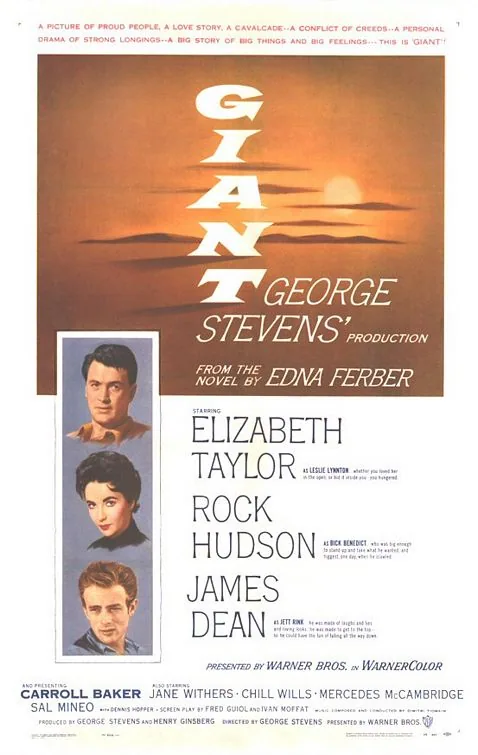
What changes Giant follows a family across generations against a vast American landscape and changing social order.
A marriage between Texas rancher Bick Benedict and Maryland socialite Leslie connects family life to a ranch economy built on land, oil and racial hierarchy. Jett Rink’s discovery of oil changes the balance of wealth and authority, while later generations confront discrimination against Mexican Americans that the older ranch culture normalizes. The narrative’s long span gives social change a personal scale, but its central white family still controls much of the film’s viewpoint. The famous diner confrontation complicates Bick’s inheritance of power without making one late gesture resolve the structures the story has spent decades establishing.
Successive political upheavals interrupt a doctor's competing intimate commitments, leaving memory and artistic recognition to preserve connections that geography and state power have broken.
Why this matches +
Selected for the central appeal: Sweeping family melodramas about brothers, wartime loss and enduring romantic rivalries.
Genres: Drama / Romance
Shared film traits
Based on recorded story, mood and style. Your preferences can change the order.
War and civilian life
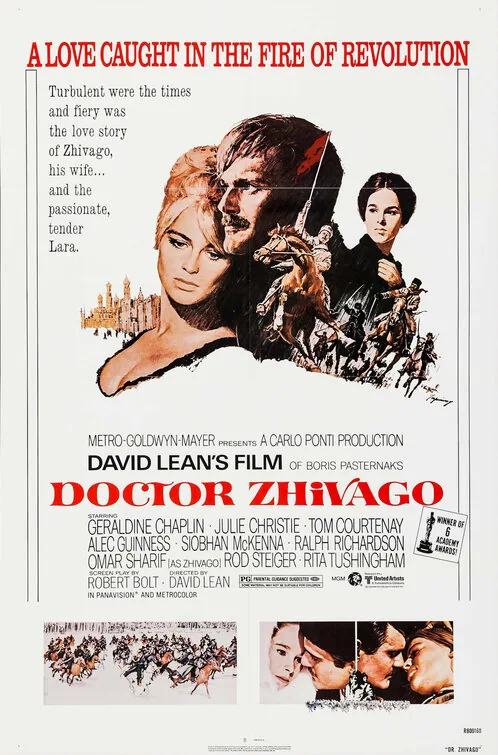
What changes Doctor Zhivago combines war, romantic loss and family upheaval in an expansive historical melodrama.
A doctor and poet's life becomes entangled with a woman he first encounters amid personal scandal and later meets through wartime medical work. Revolution and civil war repeatedly separate households, redirect travel and make private attachments subject to political suspicion. Their longing continues through choices that expose spouses, children and companions to different costs, while a later search for a lost daughter frames the uncertainty of what can be recovered from the lives history has dispersed. Its frame story turns Yuri and Lara’s private memory into the route through which a vast revolution is recalled.
A patient's uncertain identity and recollections gradually connect an intimate love affair with betrayals and irreversible losses across a wartime landscape.
Why this matches +
These offer a related experience with a meaningful difference in story, tone, or presentation.
An adjacent discovery: a related idea with a different viewing experience.
Genres: Drama / Romance
Shared film traits
Based on recorded story, mood and style. Your preferences can change the order.
War and civilian life · Memory and identity
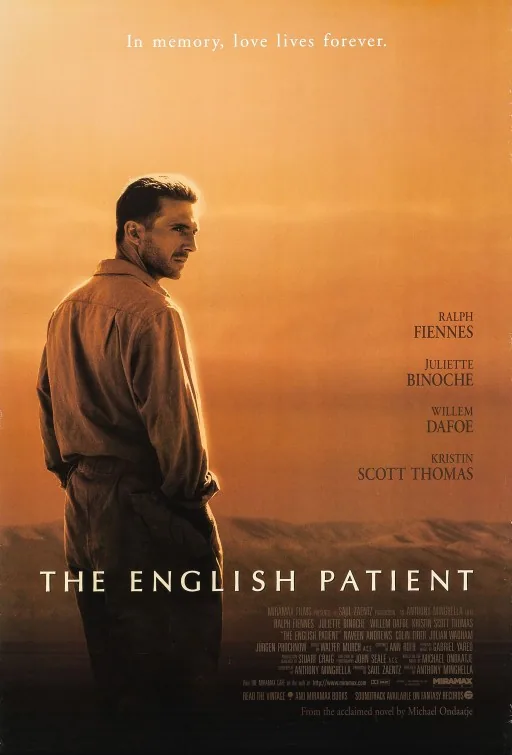
What changes The English Patient follows passionate attachments and devastating loss against a wartime backdrop.
Near the end of the Second World War, a nurse tends a severely burned man in an abandoned Italian monastery while fragments of his earlier life emerge. His memories return to a desert mapping expedition, an affair with a married woman and decisions whose consequences cross wartime allegiances. Other displaced people briefly form a household around the patient's care, placing his consuming lost romance beside more tentative attempts to remain open to life.
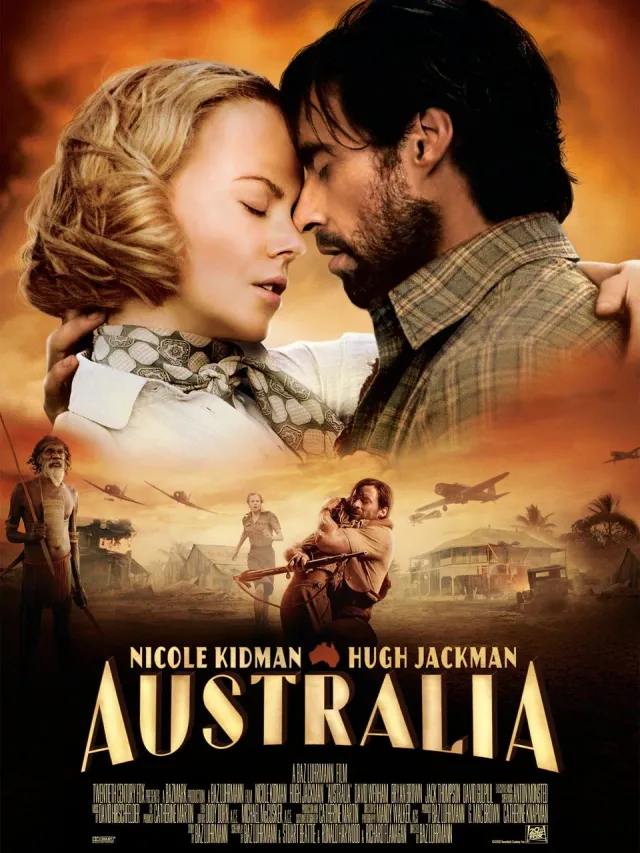
A threatened cattle property sends Sarah and the drover across the outback, then broadens into a fight to protect Nullah from wartime and racial institutions. The epic's romantic arc shares space with state coercion.
Why this matches +
These offer a related experience with a meaningful difference in story, tone, or presentation.
An adjacent discovery: a related idea with a different viewing experience.
Genres: Adventure / Drama
Shared film traits
Based on recorded story, mood and style. Your preferences can change the order.
War and civilian life
What changes Australia combines sweeping landscape, family bonds and romance with the upheaval of war.
In 1939, English aristocrat Sarah Ashley reaches a remote cattle station to find her husband dead and the property threatened by a rival. She joins a drover and a mixed-descent Aboriginal child, Nullah, on an arduous cattle drive that brings romance and chosen family into a society organized by colonial power. As war reaches northern Australia, the child's safety is shaped by policies that remove Indigenous children from their families. Baz Luhrmann's sweeping melodrama acknowledges that violence but filters it through a white outsider's adventure, so its reconciliation is not a complete Indigenous history.
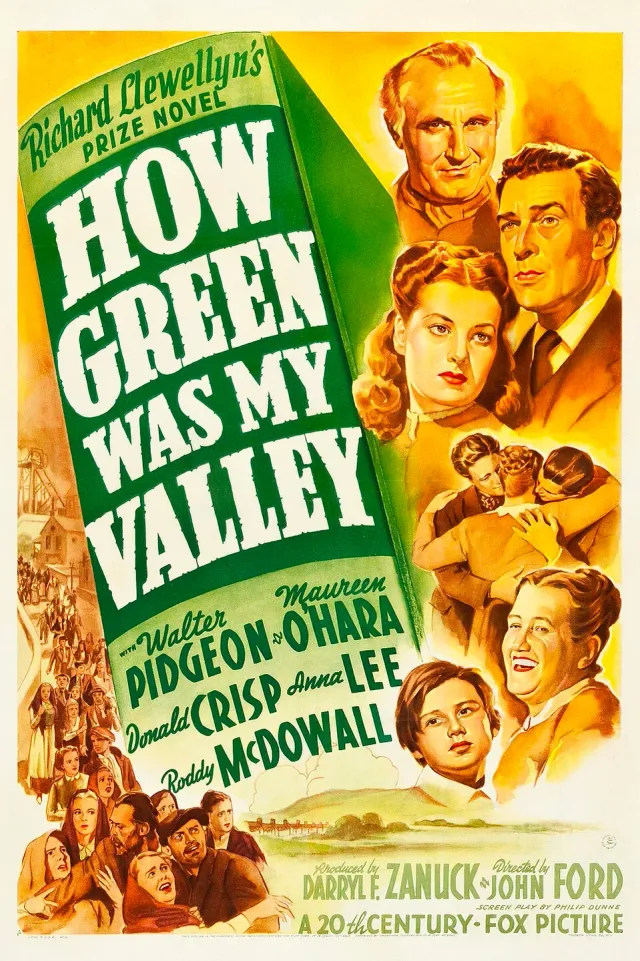
A child's remembered family life is gradually broken apart by labor conflict, class barriers, migration and the dangers of the mine.
Why this matches +
These offer a related experience with a meaningful difference in story, tone, or presentation.
An adjacent discovery: a related idea with a different viewing experience.
Genres: Drama
Shared film traits
Based on recorded story, mood and style. Your preferences can change the order.
Memory and identity
What changes How Green Was My Valley looks back on family bonds and loss across a changing community.
A man remembers childhood in a Welsh mining family before changes in work and landscape dissolved the world he knew. Wage conflict divides his father from older brothers, while schooling, romance and religious gossip expose other hierarchies inside a community he still loves. Injuries and departures accumulate beneath the warmth of song and family ritual. The drama makes recollection both a shelter and an admission of loss, presenting industrial change through the child who cannot yet understand every pressure shaping the adults around him.
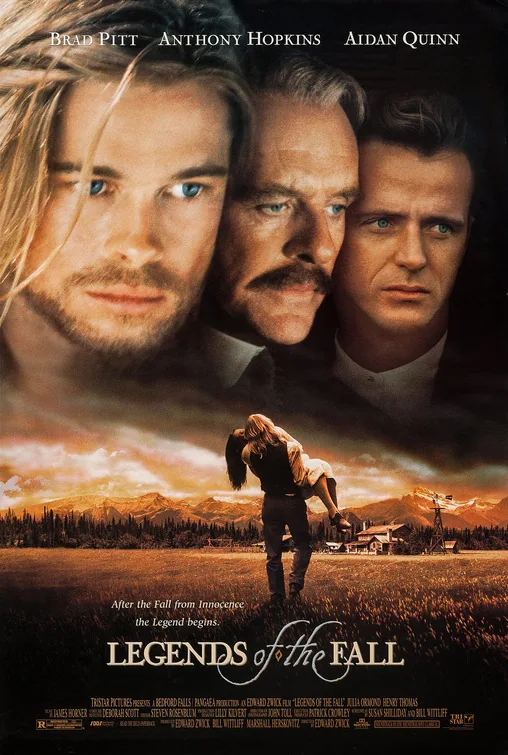
Three brothers raised on a Montana ranch enter the First World War with different expectations of duty and belonging. One death reorganizes their relationships with their father and the woman whose engagement linked her to the family. The returning brother's grief turns into absence, renewed attachments and violence that cannot remain a private condition. The multigenerational melodrama makes landscape and family myth large enough to contain longing without making them reliable shelter from rivalry, political compromise or the consequences of idealizing an untamable man.
What drives the story
A wartime loss fractures a family's loyalties and redirects a shared romantic attachment, with successive returns reopening conflicts that distance has not resolved.
The people at its centre
Tristan's hold on Susannah and the family's imagination contrasts with Alfred's effort to build a recognized public life, while Samuel's absence becomes a claim others interpret differently.
What it feels like
Expansive landscapes, narrated family history and heightened emotional reversals favor a sweeping tragic saga rather than restrained combat or frontier procedure.
Worth knowing
Its mythic framing and Indigenous narrator require scrutiny; grief and charismatic wildness do not make abandonment or violence consequence-free expressions of authentic freedom.
FamilyGriefRivalry
Mood
Tragic · Romantic · Expansive
Pacing
Episodic
Visual style
Sweeping landscapes · Narrated family myth
Storytelling
Brothers enter war · Shared romantic attachment · Repeated return and absence