A generational panorama links private loss and marriage to national events, but organizes public history around one well-to-do household and its servants. The pageant turns large events into family memory.
Why this matches +
Selected for the central appeal: Sweeping family dramas about land, wealth and racial hierarchy across generations.
Genres: Drama
Shared film traits
Based on recorded story, mood and style. Your preferences can change the order.
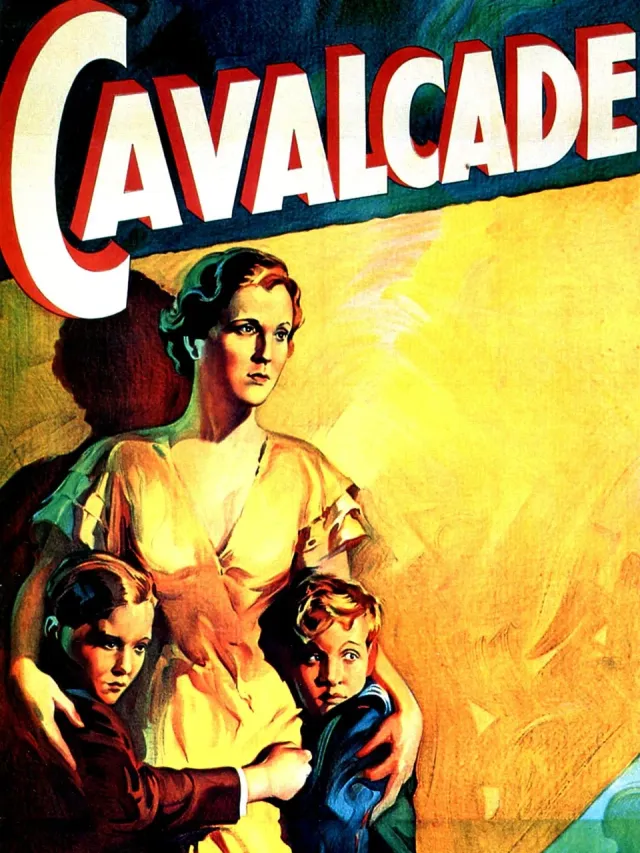
What changes Cavalcade follows a privileged family and its servants through decades of class and social change.
Cavalcade follows the affluent Marryot household and its servants from New Year's Eve 1899 through three decades of public change. The Boer War, the Titanic, World War I, deaths and new generations enter the family pageant, while the Bridges household supplies a parallel view of domestic labor and class aspiration. Cross-class affection does not dissolve that hierarchy, and imperial and national ceremonies shape what history means to the film's central family. Its sweeping sentiment is a perspective on the past, not a neutral survey of it.
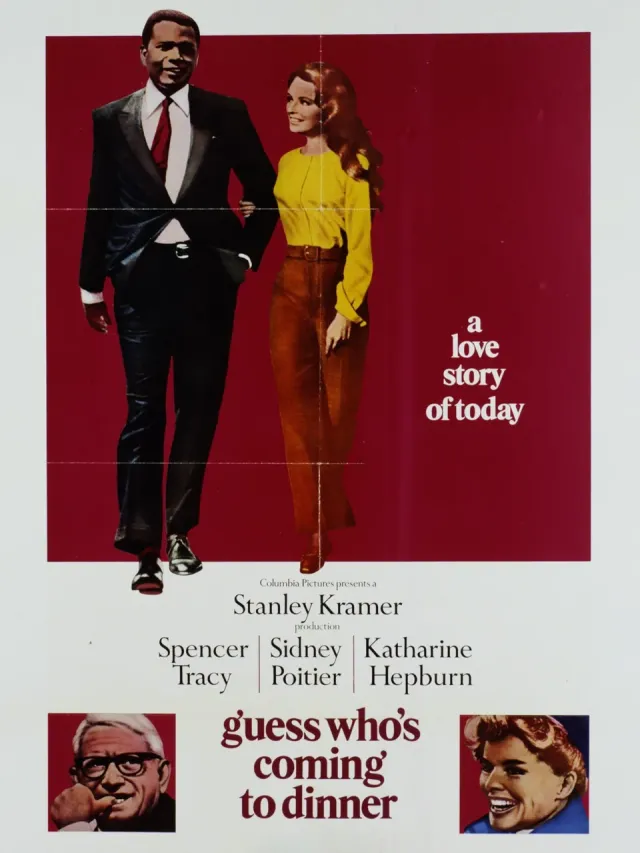
A planned marriage becomes an immediate family decision under a deadline, exposing the difference between professed equality and acceptance of a daughter’s choice. Jo and John’s planned marriage becomes subordinate to the older generation’s approval process.
Why this matches +
These offer a related experience with a meaningful difference in story, tone, or presentation.
An adjacent discovery: a related idea with a different viewing experience.
Genres: Drama / Romance
Shared film traits
Based on recorded story, mood and style. Your preferences can change the order.
What changes Guess Who's Coming to Dinner examines the limits of a family's stated beliefs about racial equality.
Jo brings her fiancé John Prentice home to meet her parents, whose liberal convictions are tested when they learn he is Black and the couple plans to marry. John’s exceptional professional stature and the parents’ demand to approve the match make acceptance depend on a narrow set of conditions. The two families negotiate the decision through a single day of conversation, and the final speech gives the older generation much of the authority to resolve it. The film made interracial marriage its explicit subject in 1967, but its credentialed fiancé and parent-centered framing cannot stand in for the broader experience of interracial couples.
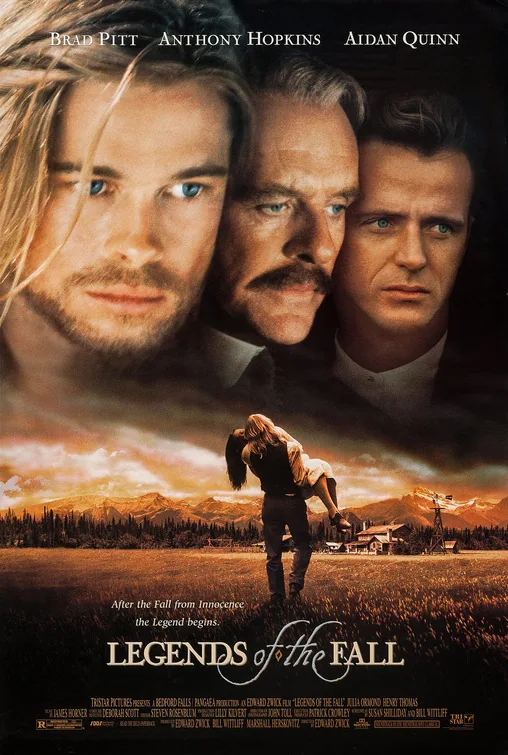
A wartime loss fractures a family's loyalties and redirects a shared romantic attachment, with successive returns reopening conflicts that distance has not resolved.
Why this matches +
These offer a related experience with a meaningful difference in story, tone, or presentation.
An adjacent discovery: a related idea with a different viewing experience.
Genres: Drama / Romance
Shared film traits
Based on recorded story, mood and style. Your preferences can change the order.
What changes Legends of the Fall traces family relationships and rivalry across generations on an expansive ranch.
Three brothers raised on a Montana ranch enter the First World War with different expectations of duty and belonging. One death reorganizes their relationships with their father and the woman whose engagement linked her to the family. The returning brother's grief turns into absence, renewed attachments and violence that cannot remain a private condition. The multigenerational melodrama makes landscape and family myth large enough to contain longing without making them reliable shelter from rivalry, political compromise or the consequences of idealizing an untamable man.
A changing social order exposes a protagonist's capacity for survival while intensifying her habit of treating intimacy and security as resources to be secured.
Why this matches +
These offer a related experience with a meaningful difference in story, tone, or presentation.
An adjacent discovery: a related idea with a different viewing experience.
Genres: Drama / Romance
Shared film traits
Based on recorded story, mood and style. Your preferences can change the order.
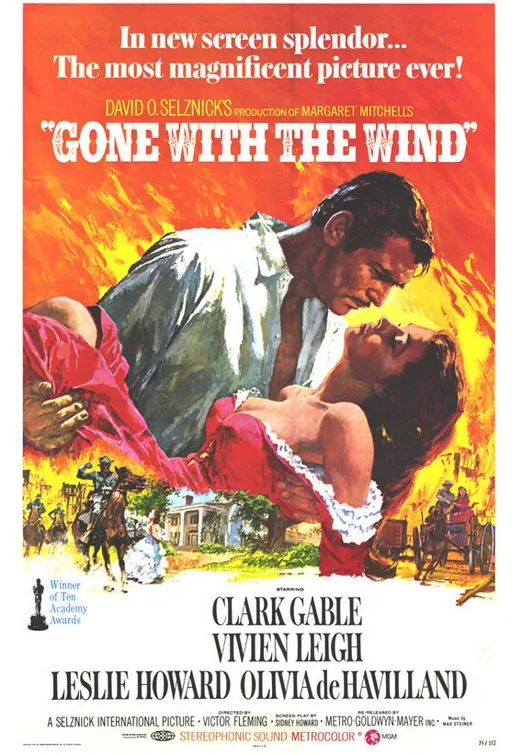
What changes Gone with the Wind follows a landowning family through war and a changing social order.
A privileged young woman on a Georgia plantation pursues an attachment to a man whose commitments lie elsewhere as the American Civil War destroys the material security of her household. Surviving loss makes property and economic control increasingly urgent, while a second man's attraction offers possibilities she struggles to value beyond immediate need. Her effort to recover a familiar world is presented through a romanticised white Southern viewpoint that leaves the people sustaining that world without equal narrative authority.
A plan to use a marriage for financial security becomes unstable as the characters’ feelings shift.
Why this matches +
These offer a related experience with a meaningful difference in story, tone, or presentation.
An adjacent discovery: a related idea with a different viewing experience.
Genres: Drama / Romance
Shared film traits
Based on recorded story, mood and style. Your preferences can change the order.
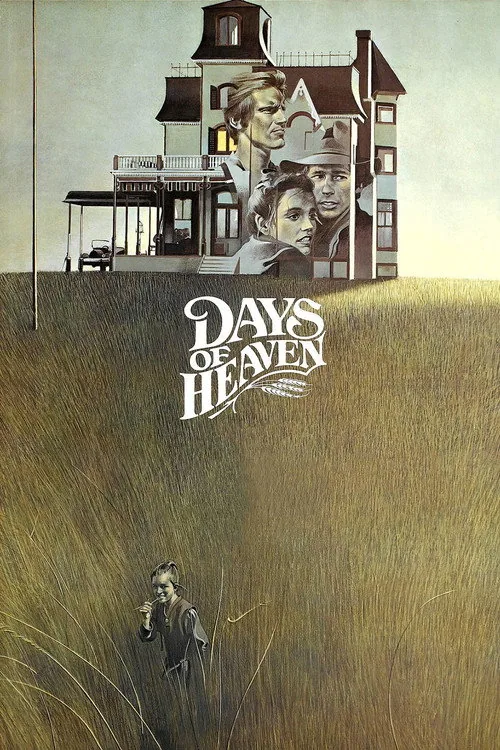
What changes Days of Heaven connects land ownership, work and unequal relationships in a rural American setting.
Bill, his girlfriend Abby, and his younger sister Linda leave Chicago and travel to the Texas Panhandle for harvest work. When the wealthy farmer who employs them becomes ill, Bill encourages Abby to marry him, hoping they can inherit the land; the arrangement becomes more complicated as affection and jealousy take hold. Terrence Malick’s period drama follows the fragile love triangle through seasonal labor and changing landscapes, with spare dialogue, Linda’s narration, and luminous cinematography giving the story a lyrical, reflective quality.
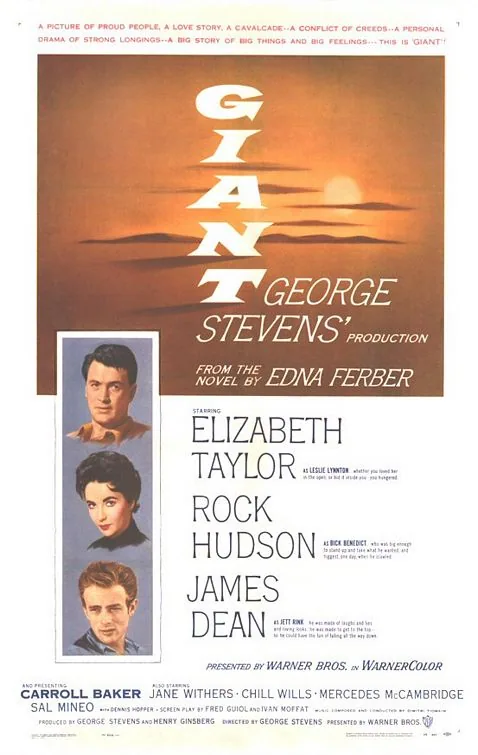
A marriage between Texas rancher Bick Benedict and Maryland socialite Leslie connects family life to a ranch economy built on land, oil and racial hierarchy. Jett Rink’s discovery of oil changes the balance of wealth and authority, while later generations confront discrimination against Mexican Americans that the older ranch culture normalizes. The narrative’s long span gives social change a personal scale, but its central white family still controls much of the film’s viewpoint. The famous diner confrontation complicates Bick’s inheritance of power without making one late gesture resolve the structures the story has spent decades establishing.
What drives the story
Oil wealth reshapes a ranch family’s power over generations, exposing tensions between inherited status, new money and the discrimination sustaining the regional order. Jett’s wealth changes the family hierarchy but does not by itself undo racial exclusion.
The people at its centre
Leslie questions Bick’s assumptions, Jett converts resentment into wealth, and Mexican American characters experience the social hierarchy whose transformation the family narrates. Leslie’s questions bring Mexican American life into a saga otherwise centered on the Benedict family.
What it feels like
Vast Texas landscapes and an expansive time span frame domestic conflict as a generational epic, with a sharp late sequence concentrating its racial critique. The long runtime and changing generations make social change uneven rather than instantaneous.
Worth knowing
Compare with family sagas confronting race and wealth, while noting the white-centered viewpoint and refusing to treat an individual act of solidarity as structural repair. The diner scene offers a gesture of resistance, not a resolution of the surrounding hierarchy.