Political change arrives through both armed upheaval and strategic social alliances; Don Fabrizio recognizes that survival may require the old class to yield its place to newer power.
Why this matches +
Selected for the central appeal: Generational family dramas connecting private lives, class and sweeping historical change.
Genres: Drama
Shared film traits
Based on recorded story, mood and style. Your preferences can change the order.
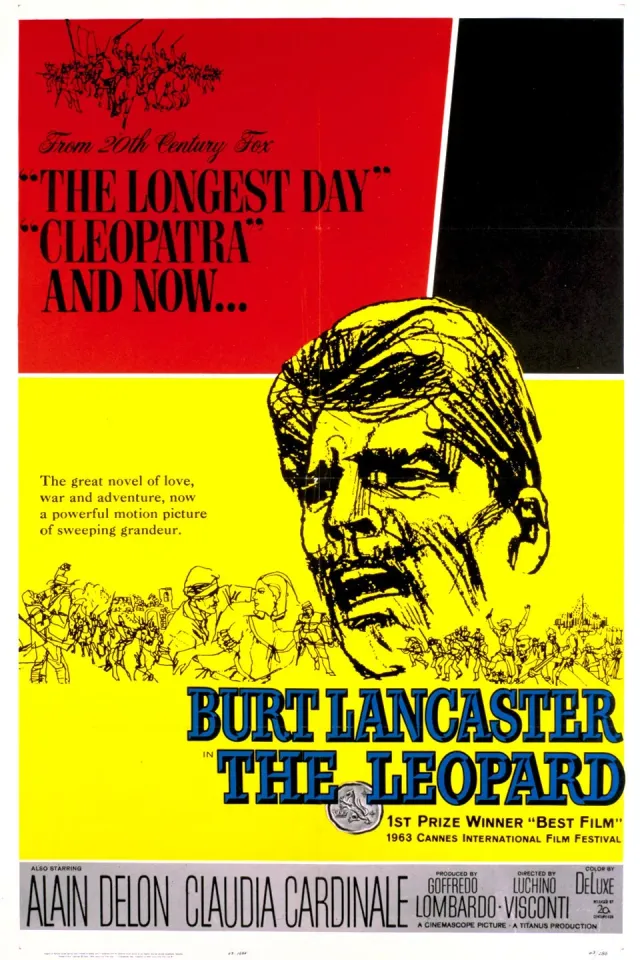
What changes The Leopard follows an aristocratic family adapting to political and class change across a historical transition.
As Garibaldi’s forces reshape Sicily during Italian unification, Prince Don Fabrizio Salina watches the old aristocratic order lose its certainty. His nephew Tancredi joins the new political movement, even as his marriage to the wealthy Angelica would link the emerging bourgeois class to the old nobility. Don Fabrizio accepts the match and attends a lavish ball where the change in power becomes visible in glances, conversations and the prince’s growing sense of historical distance. Luchino Visconti’s adaptation of Giuseppe Tomasi di Lampedusa’s novel focuses on one family’s accommodation to revolution rather than on battlefield action.
Oil wealth reshapes a ranch family’s power over generations, exposing tensions between inherited status, new money and the discrimination sustaining the regional order. Jett’s wealth changes the family hierarchy but does not by itself undo racial exclusion.
Why this matches +
Selected for the central appeal: Generational family dramas connecting private lives, class and sweeping historical change.
Genres: Drama / Romance
Shared film traits
Based on recorded story, mood and style. Your preferences can change the order.
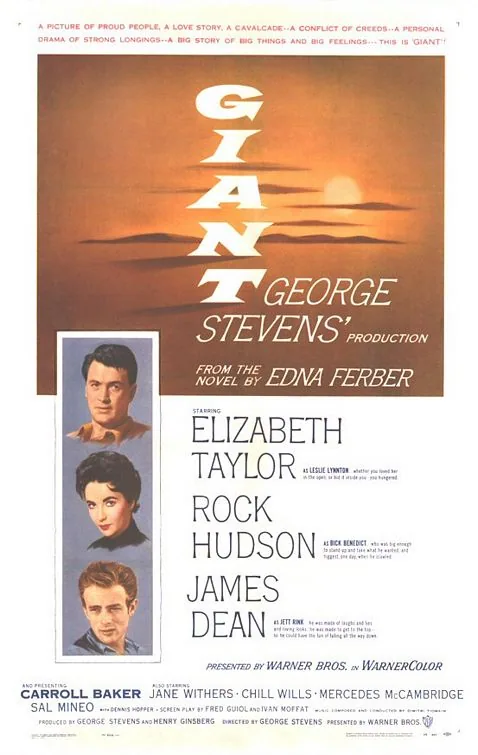
What changes Giant follows a wealthy household and its workers through decades of family and social change.
A marriage between Texas rancher Bick Benedict and Maryland socialite Leslie connects family life to a ranch economy built on land, oil and racial hierarchy. Jett Rink’s discovery of oil changes the balance of wealth and authority, while later generations confront discrimination against Mexican Americans that the older ranch culture normalizes. The narrative’s long span gives social change a personal scale, but its central white family still controls much of the film’s viewpoint. The famous diner confrontation complicates Bick’s inheritance of power without making one late gesture resolve the structures the story has spent decades establishing.
A child's remembered family life is gradually broken apart by labor conflict, class barriers, migration and the dangers of the mine.
Why this matches +
These offer a related experience with a meaningful difference in story, tone, or presentation.
An adjacent discovery: a related idea with a different viewing experience.
Genres: Drama
Shared film traits
Based on recorded story, mood and style. Your preferences can change the order.
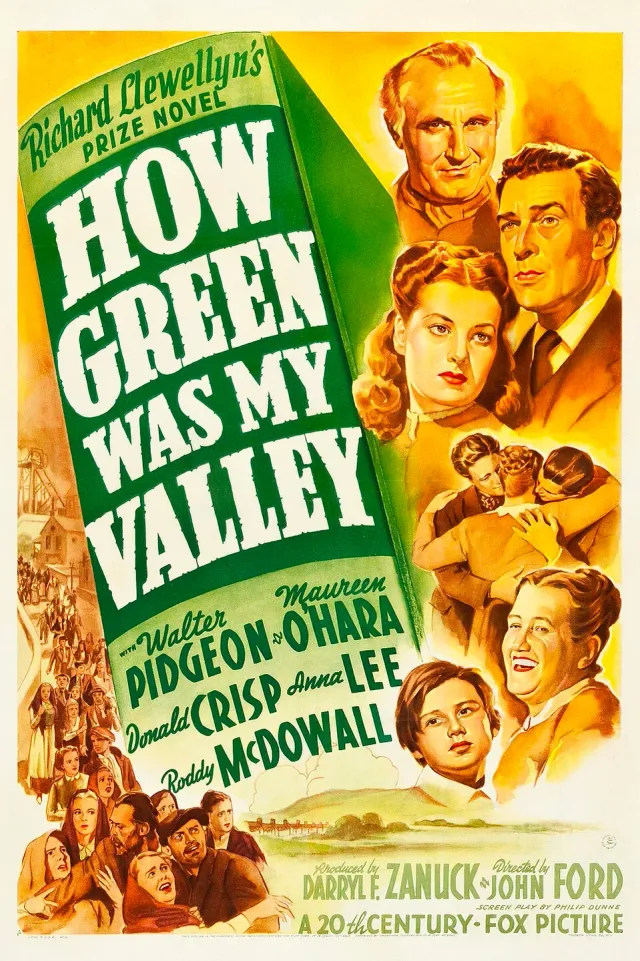
What changes How Green Was My Valley observes family and community life through changing generations and economic pressures.
A man remembers childhood in a Welsh mining family before changes in work and landscape dissolved the world he knew. Wage conflict divides his father from older brothers, while schooling, romance and religious gossip expose other hierarchies inside a community he still loves. Injuries and departures accumulate beneath the warmth of song and family ritual. The drama makes recollection both a shelter and an admission of loss, presenting industrial change through the child who cannot yet understand every pressure shaping the adults around him.
Personal crises among a worker and her employers reveal the unequal labour sustaining a shared household.
Why this matches +
These offer a related experience with a meaningful difference in story, tone, or presentation.
An adjacent discovery: a related idea with a different viewing experience.
Genres: Drama
Shared film traits
Based on recorded story, mood and style. Your preferences can change the order.
What changes Roma examines a household and its domestic worker against a background of family and social change.
A domestic worker cares for a middle-class family in Mexico City while her own relationship exposes her to abandonment and uncertainty. Changes in the employers' marriage unfold alongside her pregnancy and the political tensions surrounding the household. Work, affection and class hierarchy remain inseparable as she supports children whose dependence on her does not erase the unequal conditions of their bond.
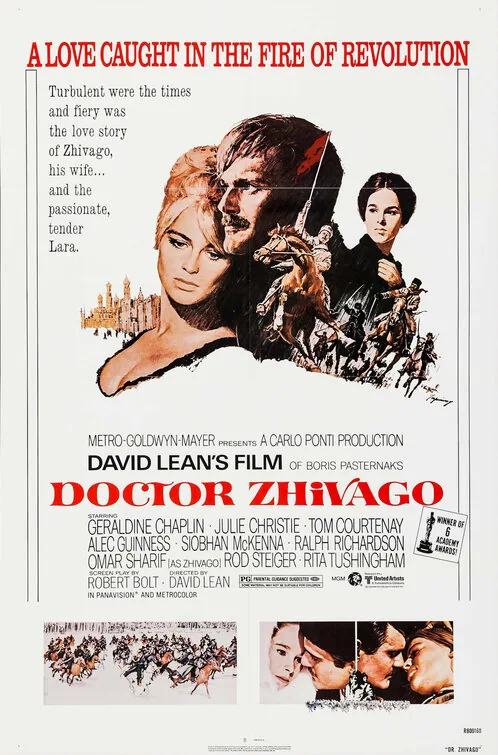
Successive political upheavals interrupt a doctor's competing intimate commitments, leaving memory and artistic recognition to preserve connections that geography and state power have broken.
Why this matches +
These offer a related experience with a meaningful difference in story, tone, or presentation.
An adjacent discovery: a related idea with a different viewing experience.
Genres: Drama / Romance
Shared film traits
Based on recorded story, mood and style. Your preferences can change the order.
War and civilian life
What changes Doctor Zhivago links family relationships and romance to sweeping political upheaval and war.
A doctor and poet's life becomes entangled with a woman he first encounters amid personal scandal and later meets through wartime medical work. Revolution and civil war repeatedly separate households, redirect travel and make private attachments subject to political suspicion. Their longing continues through choices that expose spouses, children and companions to different costs, while a later search for a lost daughter frames the uncertainty of what can be recovered from the lives history has dispersed. Its frame story turns Yuri and Lara’s private memory into the route through which a vast revolution is recalled.
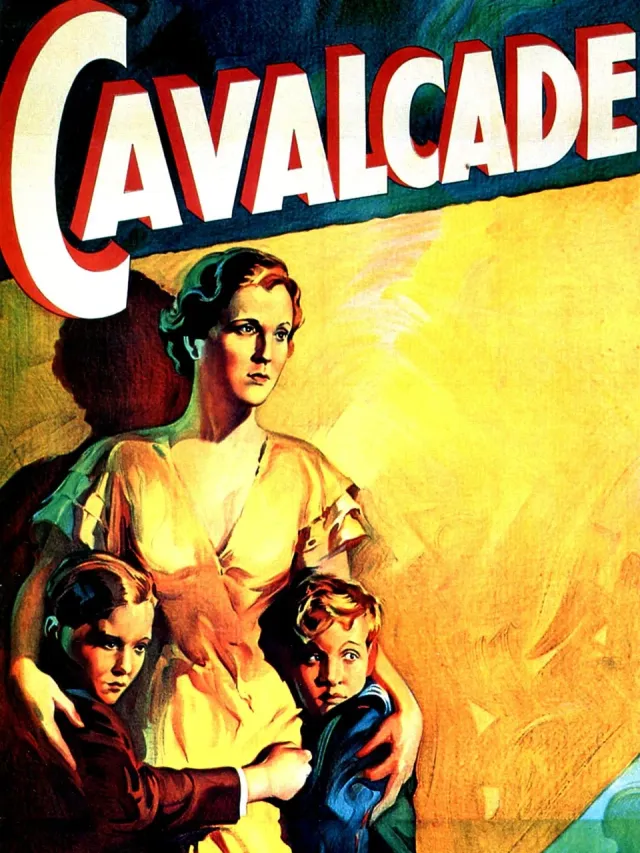
Cavalcade follows the affluent Marryot household and its servants from New Year's Eve 1899 through three decades of public change. The Boer War, the Titanic, World War I, deaths and new generations enter the family pageant, while the Bridges household supplies a parallel view of domestic labor and class aspiration. Cross-class affection does not dissolve that hierarchy, and imperial and national ceremonies shape what history means to the film's central family. Its sweeping sentiment is a perspective on the past, not a neutral survey of it.
What drives the story
A generational panorama links private loss and marriage to national events, but organizes public history around one well-to-do household and its servants. The pageant turns large events into family memory.
The people at its centre
The Marryots and Bridges share decades of attachment and mourning while remaining divided by status. Affection changes their relationship without erasing differences in security and authority.
What it feels like
A pageant-like structure moves rapidly through ceremonial images and family milestones, inviting broad emotion while compressing historical complexity into domestic memory. Abrupt jumps make the film feel like a succession of national tableaux.
Worth knowing
Match on generational family pageantry and class-crossing attachment, not an inclusive history of Britain. The film's imperial progress narrative and centered viewpoint leave much outside its chosen households.
LossClassFamily
Mood
Elegiac · Reflective · Somber
Pacing
Episodic
Visual style
Historical tableaux · Musical interludes
Storytelling
Generational pageant · Public catastrophe entering home · Cross-class attachment