A household accident and a long oppressive summer expose tensions among related families living in close proximity.
Why this matches +
Selected for the central appeal: Observational family dramas about class, care and women's lives amid social upheaval.
Genres: Drama
Shared film traits
Based on recorded story, mood and style. Your preferences can change the order.
What changes La Ciénaga observes domestic workers and an affluent family through intimate details and class tensions in Latin America.
During a hot summer in northern Argentina, Mecha drinks beside a neglected swimming pool at her family’s country house and suffers an accident. Her cousin Tali manages a busy household nearby, and the two families’ children and servants move between their overlapping worlds. Small incidents and strained conversations reveal class divisions, resentment and the unease beneath an apparently ordinary holiday.
Shared characteristics
Mood: Observant
Theme: Class
Pacing: Measured
Genre: Drama
Poster: Film rights holders; original promotional poster documented by Wikipedia · Image source
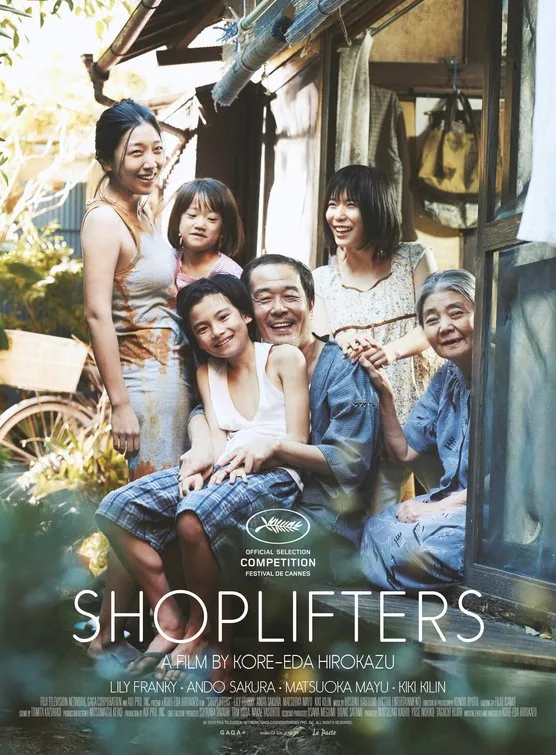
A precarious household takes in a neglected child and forms a family through care and theft.
Why this matches +
Selected for the central appeal: Observational family dramas about class, care and women's lives amid social upheaval.
Genres: Drama / Crime
Shared film traits
Based on recorded story, mood and style. Your preferences can change the order.
What changes Shoplifters examines caregiving, economic precarity and family bonds among people living at society's margins.
A poor Tokyo household survives through a mix of informal work and petty theft, with adults Osamu and Nobuyo caring for children who have limited security elsewhere. When the family brings a neglected young girl into their home, ordinary routines deepen into attachment and questions about who counts as family. Hirokazu Kore-eda's drama observes tenderness alongside ethical uncertainty, gradually revealing the histories and choices that hold the household together.
Daily needs and modest hopes shape a family's life while children discover possibilities beyond its immediate limits.
Why this matches +
These offer a related experience with a meaningful difference in story, tone, or presentation.
An adjacent discovery: a related idea with a different viewing experience.
Genres: Drama
Shared film traits
Based on recorded story, mood and style. Your preferences can change the order.
What changes Pather Panchali observes family life, poverty and childhood through patient, intimate detail.
A boy grows up in a poor rural Bengali household with an older sister whose curiosity guides his encounters with the wider world. Their mother's daily effort to keep the family together contrasts with their father's hopes for work and advancement. Small discoveries, family tensions and material insecurity unfold through changing seasons, allowing wonder and loss to emerge from the same ordinary surroundings.
A risky farming venture turns competing ideas of security and success into daily disputes over money, care and where the family should live.
Why this matches +
These offer a related experience with a meaningful difference in story, tone, or presentation.
An adjacent discovery: a related idea with a different viewing experience.
Genres: Drama
Shared film traits
Based on recorded story, mood and style. Your preferences can change the order.
What changes Minari follows a family's everyday work, care and uncertainty while building a life together.
A Korean immigrant family moves to rural Arkansas, where the father hopes to build a farm supplying vegetables to other Korean households. His confidence in the land creates new strains for a marriage already stretched by insecure work, distance from familiar support and their son's health needs. The arrival of the children's grandmother offers another form of continuity, making the family's effort to put down roots both practical and deeply personal.
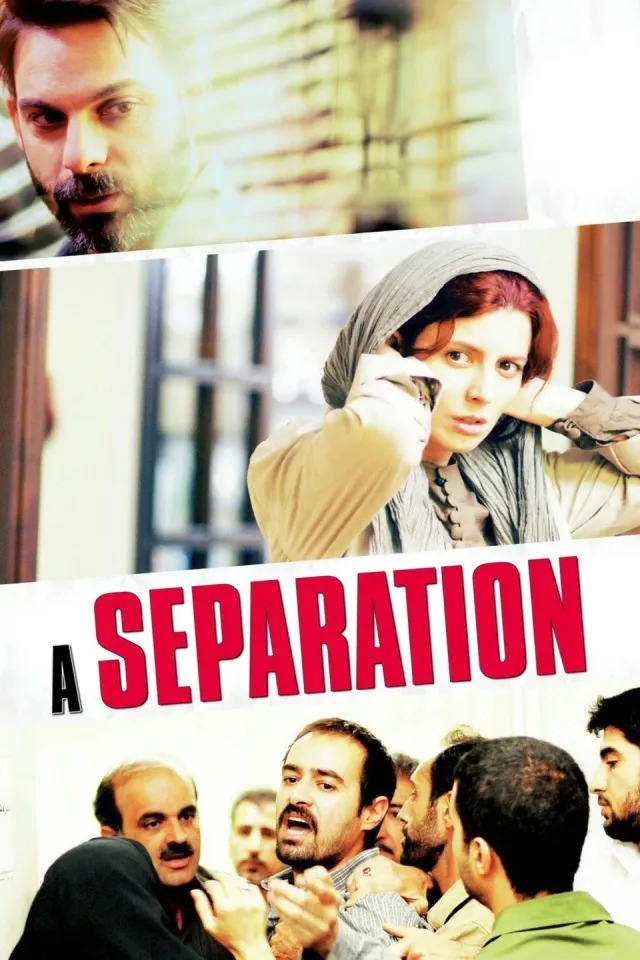
A domestic arrangement produces a disputed incident whose interpretation threatens two families' futures.
Why this matches +
These offer a related experience with a meaningful difference in story, tone, or presentation.
An adjacent discovery: a related idea with a different viewing experience.
Genres: Drama
Shared film traits
Based on recorded story, mood and style. Your preferences can change the order.
What changes A Separation reveals class and gender pressures through intertwined family relationships and caregiving obligations.
A couple's disagreement about leaving Iran leads to a household separation and the hiring of a caregiver for an elderly father. An incident between the caregiver and the husband produces accusations whose consequences reach both families. Class, religious obligation and partial knowledge complicate every account, while a daughter is pressed to navigate loyalties that the adults cannot reconcile.
A domestic worker cares for a middle-class family in Mexico City while her own relationship exposes her to abandonment and uncertainty. Changes in the employers' marriage unfold alongside her pregnancy and the political tensions surrounding the household. Work, affection and class hierarchy remain inseparable as she supports children whose dependence on her does not erase the unequal conditions of their bond.
What drives the story
Personal crises among a worker and her employers reveal the unequal labour sustaining a shared household.
The people at its centre
A caregiver's close attachment to children exists within employment, social distance and limited support for her own needs.
What it feels like
Patient, expansive observation gives domestic routines and sudden public events a powerful physical presence.
Worth knowing
Its intimacy is shaped by class and historical context rather than a purely comforting portrait of a loving household.
CareClassFamily
Mood
Observant · Intimate · Melancholic
Pacing
Measured
Visual style
Black and white · Long takes · Naturalistic
Storytelling
Domestic chronicle · Class perspective · Everyday life