A generational panorama links private loss and marriage to national events, but organizes public history around one well-to-do household and its servants. The pageant turns large events into family memory.
Why this matches +
Selected for the central appeal: Historical family dramas about declining privilege, political change and accommodation to a new order.
Genres: Drama
Shared film traits
Based on recorded story, mood and style. Your preferences can change the order.
What changes Cavalcade observes a family's changing fortunes against major historical transitions.
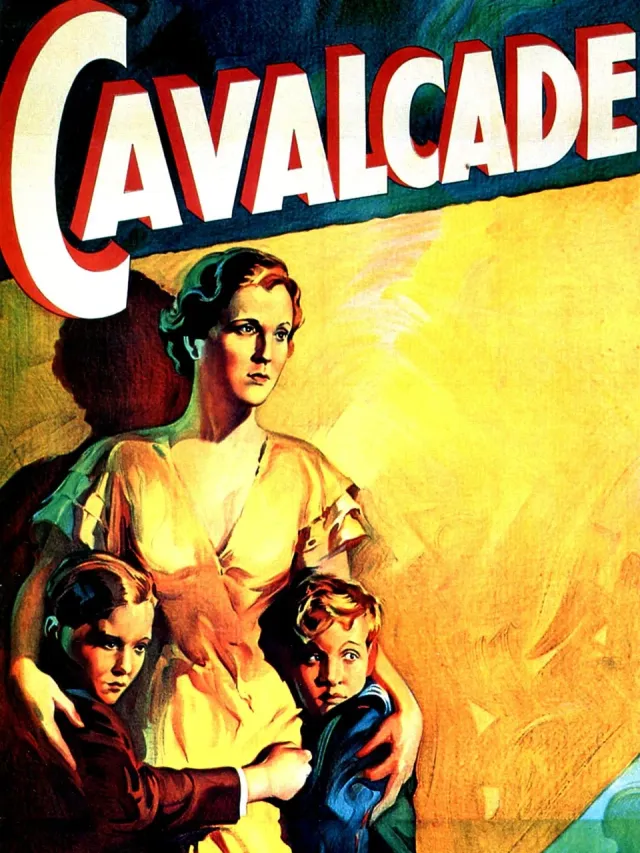
Cavalcade follows the affluent Marryot household and its servants from New Year's Eve 1899 through three decades of public change. The Boer War, the Titanic, World War I, deaths and new generations enter the family pageant, while the Bridges household supplies a parallel view of domestic labor and class aspiration. Cross-class affection does not dissolve that hierarchy, and imperial and national ceremonies shape what history means to the film's central family. Its sweeping sentiment is a perspective on the past, not a neutral survey of it.
A friendship across an estate's ownership divide becomes a historical test of class power as worker organization confronts fascist enforcement and liberation challenges the landowner's continued authority.
Why this matches +
Selected for the central appeal: Historical family dramas about declining privilege, political change and accommodation to a new order.
Genres: Drama / History
Shared film traits
Based on recorded story, mood and style. Your preferences can change the order.
Political resistance
What changes 1900 follows Italian families and class conflict across sweeping social and political change.
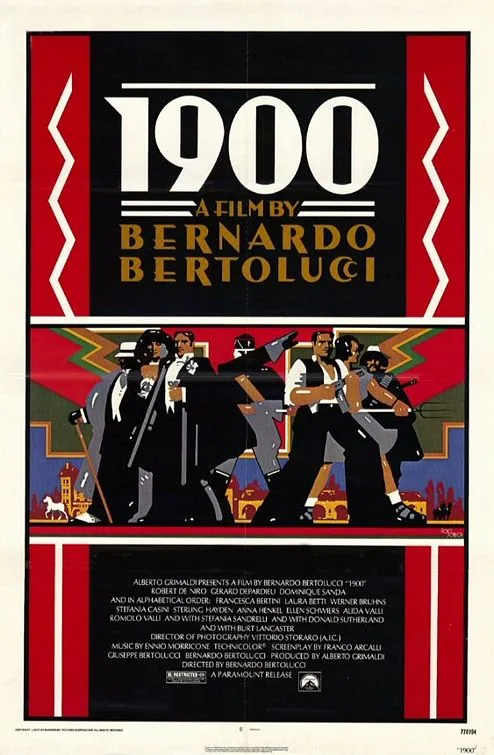
Two boys born on an Italian estate grow up divided by ownership: Alfredo inherits the land, while Olmo becomes a voice for its workers. Their friendship persists through strikes, war and the rise of fascist enforcement, but affection cannot erase the material power separating them. As repression reaches into marriages and households, the possibility of liberation raises another question: whether changing who commands the estate can finally end the relationship that made one man its master.
A young foreign bride seeks privacy and pleasure inside a court whose dynastic expectations make her private choices political symbols.
Why this matches +
These offer a related experience with a meaningful difference in story, tone, or presentation.
An adjacent discovery: a related idea with a different viewing experience.
Genres: Historical / Drama
Shared film traits
Based on recorded story, mood and style. Your preferences can change the order.
What changes Marie Antoinette portrays an elite world through lavish ritual as an old political order approaches collapse.
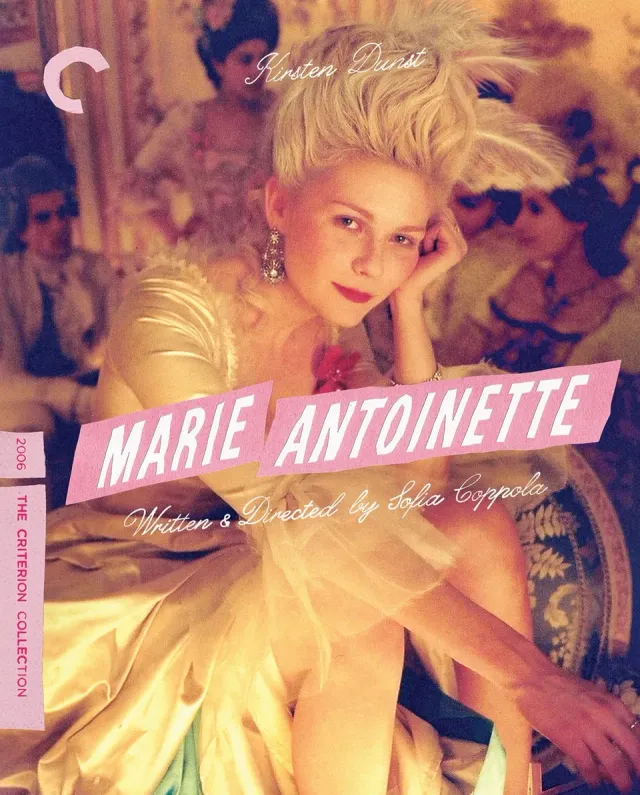
Sent to France as a teenager to secure an alliance, Marie Antoinette enters a royal court where marriage, ceremony and producing an heir are public duties. Her early years at Versailles are marked by isolation, strict protocol and pressure from the king's family; she finds escape in fashion, parties and a private circle even as criticism of royal spending grows. After becoming a mother, she retreats further to the Petit Trianon. The revolution eventually reaches Versailles, forcing the royal family from the palace as the film ends before her execution.
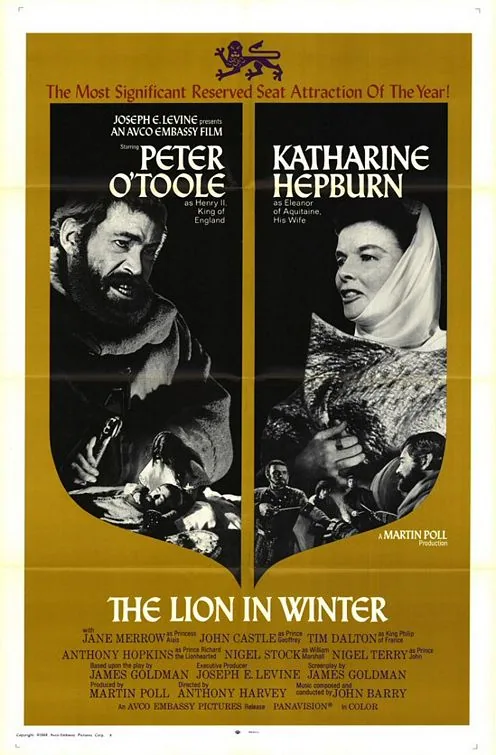
Henry’s need to choose an heir, and Eleanor’s effort to shape that choice, turn the holiday gathering into a shifting contest of leverage and loyalty.
Why this matches +
These offer a related experience with a meaningful difference in story, tone, or presentation.
An adjacent discovery: a related idea with a different viewing experience.
Genres: Drama / Historical
Shared film traits
Based on recorded story, mood and style. Your preferences can change the order.
What changes The Lion in Winter examines an aristocratic family's private negotiations over succession and political power.
At Christmas in 1183, aging King Henry II gathers his estranged family and releases his wife Eleanor of Aquitaine from captivity for a brief period. Their sons Richard, Geoffrey and John jockey for succession, while Henry and Eleanor revive old betrayals and test one another’s loyalties. Young Philip of France adds political pressure through a marriage alliance, but every private promise can become another weapon in the contest. The adaptation of James Goldman’s stage play treats the royal household as a chamber drama of wit, family grievance and power rather than a straightforward chronicle of medieval battles.
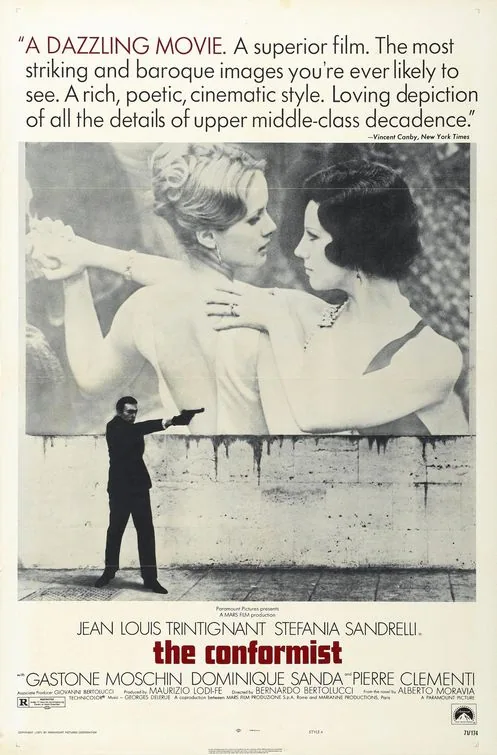
A man seeking social acceptance agrees to help a fascist regime pursue his former teacher in exile.
Why this matches +
These offer a related experience with a meaningful difference in story, tone, or presentation.
An adjacent discovery: a related idea with a different viewing experience.
Genres: Drama / Thriller
Shared film traits
Based on recorded story, mood and style. Your preferences can change the order.
What changes The Conformist follows an individual's accommodation to a changing Italian political order and its moral compromises.
In Fascist Italy, Marcello Clerici seeks a respectable life and accepts an assignment from the secret police. His task takes him to Paris, where he and his new wife encounter his former professor, an outspoken opponent of the regime, and the professor’s wife. Political allegiance, desire and Marcello’s need to appear normal become entangled as he moves toward a betrayal.
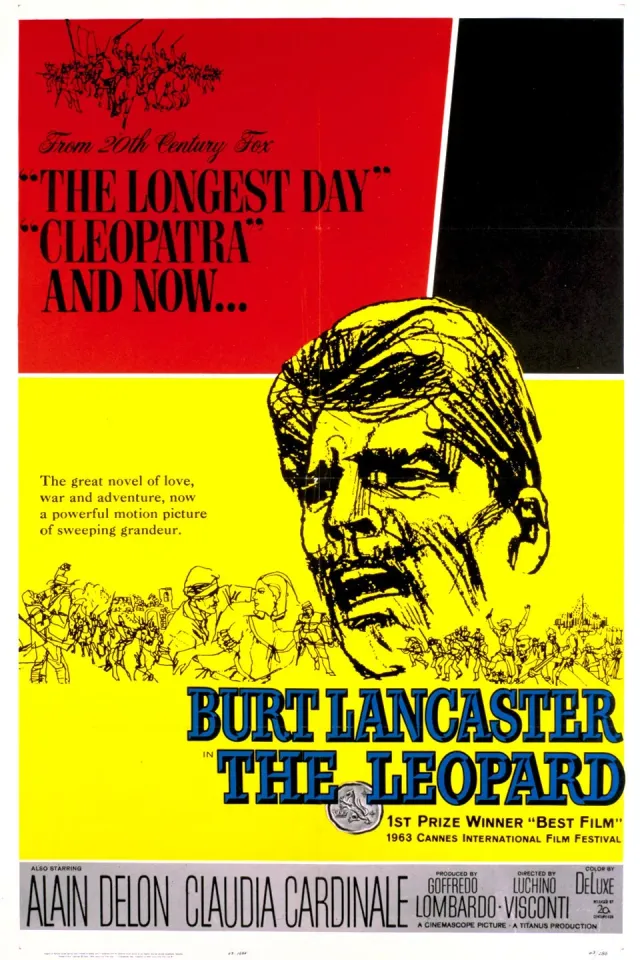
As Garibaldi’s forces reshape Sicily during Italian unification, Prince Don Fabrizio Salina watches the old aristocratic order lose its certainty. His nephew Tancredi joins the new political movement, even as his marriage to the wealthy Angelica would link the emerging bourgeois class to the old nobility. Don Fabrizio accepts the match and attends a lavish ball where the change in power becomes visible in glances, conversations and the prince’s growing sense of historical distance. Luchino Visconti’s adaptation of Giuseppe Tomasi di Lampedusa’s novel focuses on one family’s accommodation to revolution rather than on battlefield action.
What drives the story
Political change arrives through both armed upheaval and strategic social alliances; Don Fabrizio recognizes that survival may require the old class to yield its place to newer power.
The people at its centre
Tancredi’s charm and ambition sit uneasily beside his affection for the prince. Angelica’s entry into the family makes class transition personal, while Don Fabrizio’s perspective remains observant but not neutral.
What it feels like
A spacious historical drama builds toward an extended ballroom sequence whose elegance gradually turns elegiac. Landscape, costume and measured pacing make social change feel embodied.
Worth knowing
A fit for contemplative historical dramas about class, decline and adaptation. It is a novel-based interpretation of the Risorgimento, not a comprehensive history of Italian unification.
Social changeClassMortality
Mood
Reflective · Elegiac · Lavish
Pacing
Gradual political shift · Extended ballroom sequence
Visual style
Widescreen period imagery · Elaborate costume and interiors
Storytelling
Dynastic transition · Marriage alliance · Aristocratic decline