A stolen work tool turns an ordinary first day into a search whose failure threatens a family's fragile income and the father's self-respect.
Why this matches +
These offer a related experience with a meaningful difference in story, tone, or presentation.
An adjacent discovery: a related idea with a different viewing experience.
Genres: Drama / Art
Shared film traits
Based on recorded story, mood and style. Your preferences can change the order.
What changes Bicycle Thieves follows working-class people confronting economic exclusion in postwar Italy.
A father in postwar Rome finally obtains work that depends on owning a bicycle, only to have it stolen at the beginning of the job. Searching the city with his young son reveals how little protection formal authority and community can offer against material desperation. Each failed lead narrows his options, exposing the pressure poverty places on the identity he hopes to maintain in front of a child who still depends on him.
Personal crises among a worker and her employers reveal the unequal labour sustaining a shared household.
Why this matches +
These offer a related experience with a meaningful difference in story, tone, or presentation.
An adjacent discovery: a related idea with a different viewing experience.
Genres: Drama
Shared film traits
Based on recorded story, mood and style. Your preferences can change the order.
What changes Roma examines affection and inequality within a household where employers and domestic workers experience social change differently.
A domestic worker cares for a middle-class family in Mexico City while her own relationship exposes her to abandonment and uncertainty. Changes in the employers' marriage unfold alongside her pregnancy and the political tensions surrounding the household. Work, affection and class hierarchy remain inseparable as she supports children whose dependence on her does not erase the unequal conditions of their bond.
A changing social order exposes a protagonist's capacity for survival while intensifying her habit of treating intimacy and security as resources to be secured.
Why this matches +
These offer a related experience with a meaningful difference in story, tone, or presentation.
An adjacent discovery: a related idea with a different viewing experience.
Genres: Drama / Romance
Shared film traits
Based on recorded story, mood and style. Your preferences can change the order.
War and civilian life
What changes Gone with the Wind traces landowners and workers through war and a changing social order, from a different historical perspective.
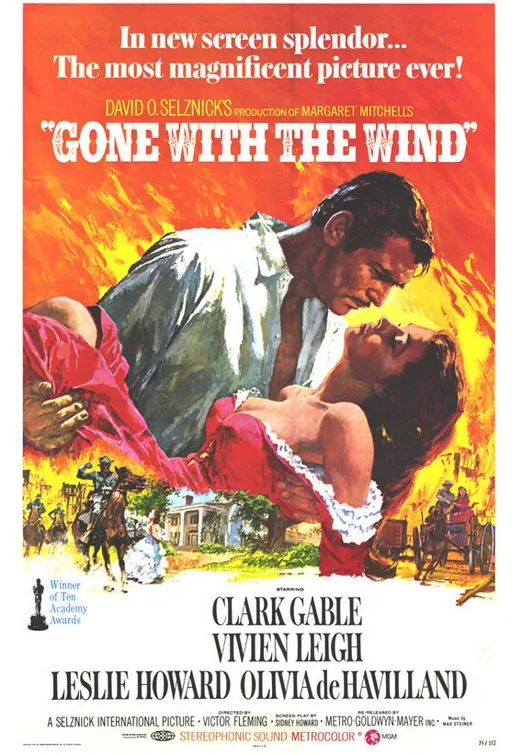
A privileged young woman on a Georgia plantation pursues an attachment to a man whose commitments lie elsewhere as the American Civil War destroys the material security of her household. Surviving loss makes property and economic control increasingly urgent, while a second man's attraction offers possibilities she struggles to value beyond immediate need. Her effort to recover a familiar world is presented through a romanticised white Southern viewpoint that leaves the people sustaining that world without equal narrative authority.
A generational panorama links private loss and marriage to national events, but organizes public history around one well-to-do household and its servants. The pageant turns large events into family memory.
Why this matches +
These offer a related experience with a meaningful difference in story, tone, or presentation.
An adjacent discovery: a related idea with a different viewing experience.
Genres: Drama
Shared film traits
Based on recorded story, mood and style. Your preferences can change the order.
War and civilian life
What changes Cavalcade follows families and servants through decades of class hierarchy and public events.
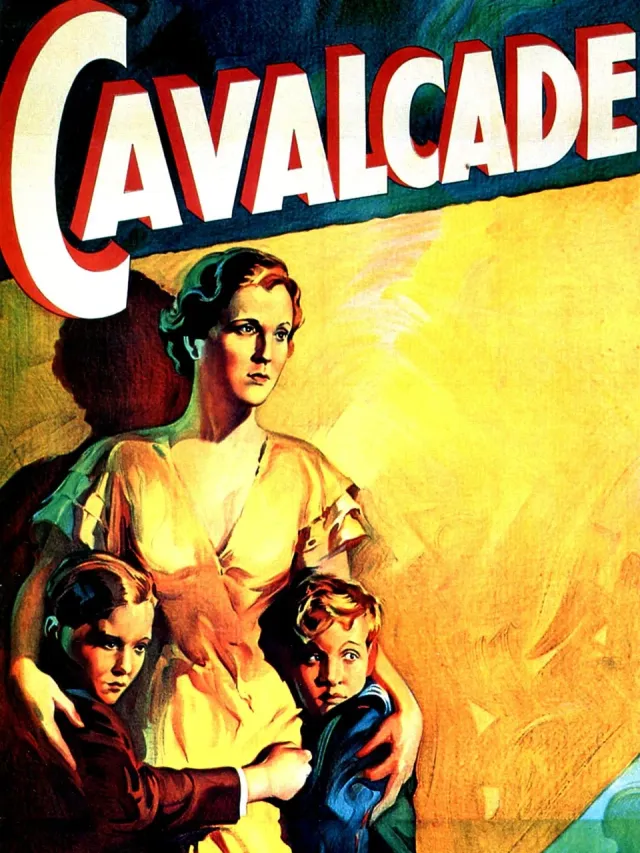
Cavalcade follows the affluent Marryot household and its servants from New Year's Eve 1899 through three decades of public change. The Boer War, the Titanic, World War I, deaths and new generations enter the family pageant, while the Bridges household supplies a parallel view of domestic labor and class aspiration. Cross-class affection does not dissolve that hierarchy, and imperial and national ceremonies shape what history means to the film's central family. Its sweeping sentiment is a perspective on the past, not a neutral survey of it.
Daily needs and modest hopes shape a family's life while children discover possibilities beyond its immediate limits.
Why this matches +
These offer a related experience with a meaningful difference in story, tone, or presentation.
An adjacent discovery: a related idea with a different viewing experience.
Genres: Drama
Shared film traits
Based on recorded story, mood and style. Your preferences can change the order.
What changes Pather Panchali observes family life and economic hardship through a generational perspective.
A boy grows up in a poor rural Bengali household with an older sister whose curiosity guides his encounters with the wider world. Their mother's daily effort to keep the family together contrasts with their father's hopes for work and advancement. Small discoveries, family tensions and material insecurity unfold through changing seasons, allowing wonder and loss to emerge from the same ordinary surroundings.
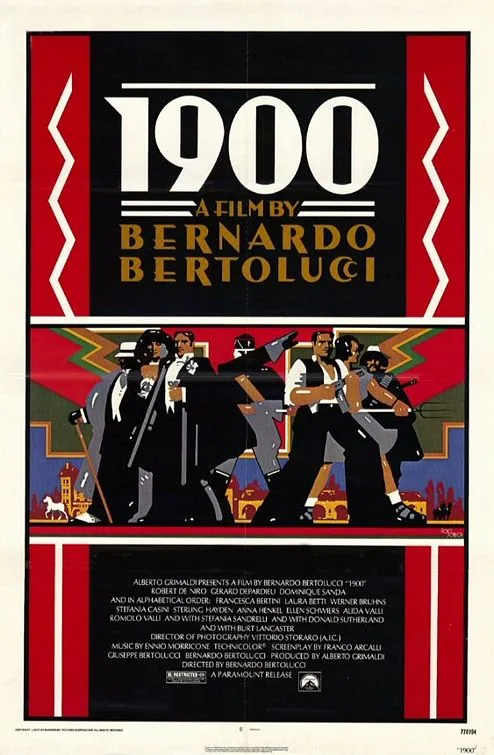
Two boys born on an Italian estate grow up divided by ownership: Alfredo inherits the land, while Olmo becomes a voice for its workers. Their friendship persists through strikes, war and the rise of fascist enforcement, but affection cannot erase the material power separating them. As repression reaches into marriages and households, the possibility of liberation raises another question: whether changing who commands the estate can finally end the relationship that made one man its master.
What drives the story
A friendship across an estate's ownership divide becomes a historical test of class power as worker organization confronts fascist enforcement and liberation challenges the landowner's continued authority.
The people at its centre
Olmo's identification with organized labor exposes the limits of Alfredo's personal affection, while the foreman's violence makes accommodation by the owning class a consequential choice rather than neutrality.
What it feels like
Decades of seasonal labor, domestic life and political assembly are interrupted by extreme cruelty, making the epic's recurring intimacy inseparable from its confrontational account of ownership and complicity.
Worth knowing
Compare relationships that survive yet cannot settle structural class conflict, rather than expecting individual reconciliation to resolve fascist violence or an estate's unequal distribution of power.