A false accusation produced by limited observation and class assumptions creates a separation that later writing can revisit but cannot simply undo.
Why this matches +
These films share important themes, atmosphere or storytelling interests with this selection.
Genres: Drama / Romance
Shared film traits
Based on recorded story, mood and style. Your preferences can change the order.
War and civilian life
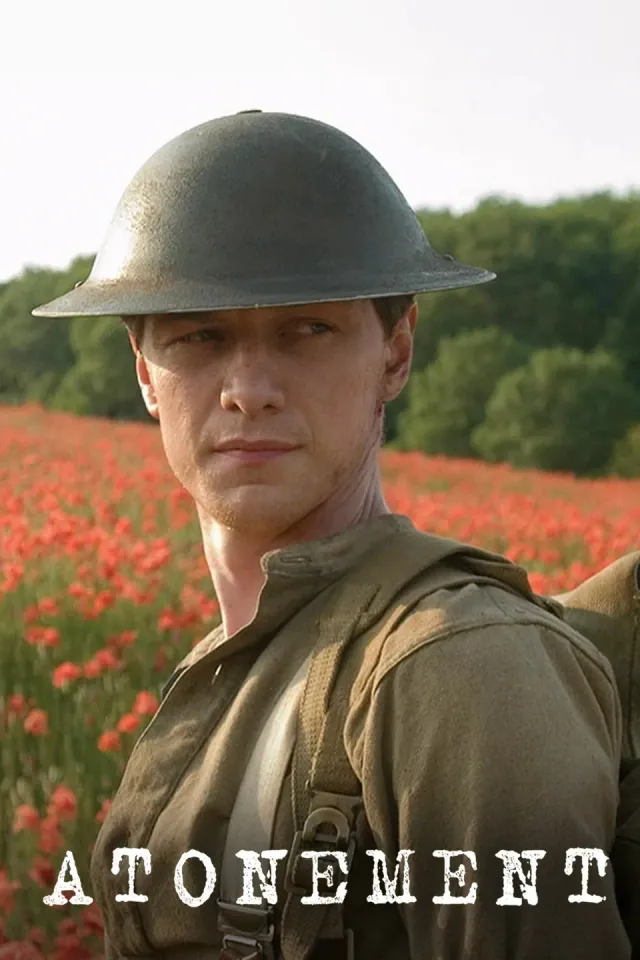
What changes Its own story: A false accusation produced by limited observation and class assumptions creates a separation that later writing can revisit but cannot simply undo.
A young girl in an affluent English household misreads encounters between her older sister and the housekeeper's son, then gives testimony that converts private imagination into devastating institutional consequences. The separated couple's attempt to retain a future unfolds against prison, military service and wartime nursing. Later acts of narration revisit what can be known and repaired, exposing a gap between the consolations a story offers and the irreversible lives on which it depends.
Successive political upheavals interrupt a doctor's competing intimate commitments, leaving memory and artistic recognition to preserve connections that geography and state power have broken.
Why this matches +
These films share important themes, atmosphere or storytelling interests with this selection.
Genres: Drama / Romance
Shared film traits
Based on recorded story, mood and style. Your preferences can change the order.
War and civilian life
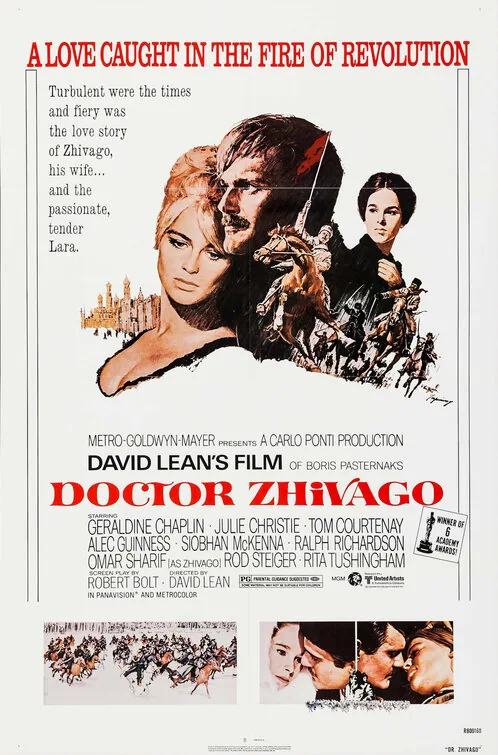
What changes Its own story: Successive political upheavals interrupt a doctor's competing intimate commitments, leaving memory and artistic recognition to preserve connections that geography and state power have broken.
A doctor and poet's life becomes entangled with a woman he first encounters amid personal scandal and later meets through wartime medical work. Revolution and civil war repeatedly separate households, redirect travel and make private attachments subject to political suspicion. Their longing continues through choices that expose spouses, children and companions to different costs, while a later search for a lost daughter frames the uncertainty of what can be recovered from the lives history has dispersed. Its frame story turns Yuri and Lara’s private memory into the route through which a vast revolution is recalled.
Two separated people struggle toward survival and possible reunion, one through a dangerous homeward journey and the other through practical work on a failing farm.
Why this matches +
These films share important themes, atmosphere or storytelling interests with this selection.
Genres: War / Drama
Shared film traits
Based on recorded story, mood and style. Your preferences can change the order.
Both directed by Anthony Minghella.
War and civilian life
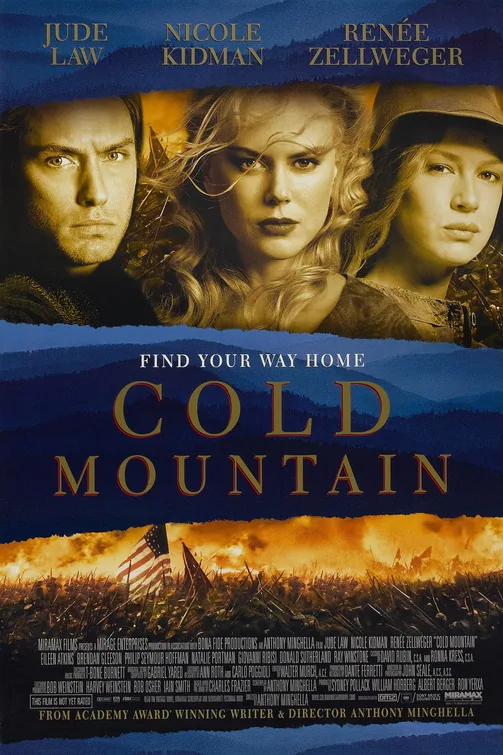
What changes Its own story: Two separated people struggle toward survival and possible reunion, one through a dangerous homeward journey and the other through practical work on a failing farm.
As the American Civil War nears its end, wounded Confederate soldier Inman deserts and tries to walk home to Ada, who has learned to keep her farm alive with Ruby's help. Their parallel journeys bring survival, care and violence into focus, but the film's intimate antiwar romance does not supply an even-handed account of the conflict or fully reckon with slavery's political foundation. Ada's labor is as important to the story as Inman's return. Historical context should remain visible beneath the promise of reunion.
A present-day visit to a former colleague opens memories of the household and of the choices Stevens made in the name of service.
Why this matches +
These films share important themes, atmosphere or storytelling interests with this selection.
Genres: Drama
Shared film traits
Based on recorded story, mood and style. Your preferences can change the order.
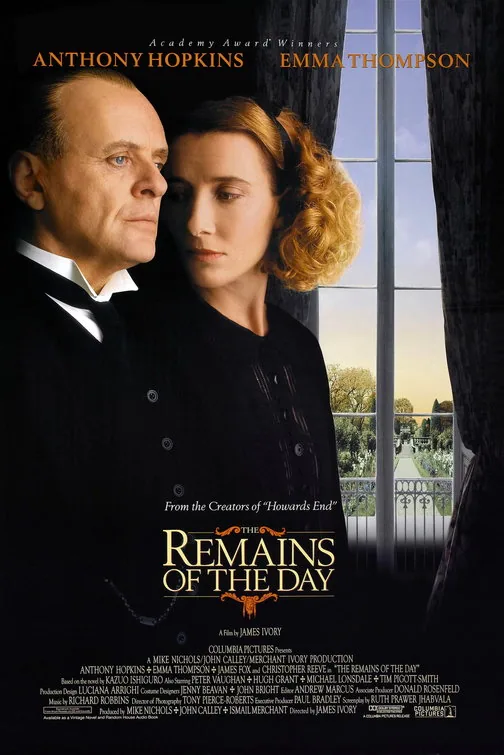
What changes Its own story: A present-day visit to a former colleague opens memories of the household and of the choices Stevens made in the name of service.
In postwar Britain, butler James Stevens drives across the West Country to visit Miss Kenton, the former housekeeper at Darlington Hall. Their journey is intercut with memories of the years they served Lord Darlington, a gentleman whose prewar political associations later stain his reputation. Stevens prides himself on emotional restraint and professional dignity, while Kenton challenges his loyalty to the household and invites him to acknowledge their personal attachment. He repeatedly subordinates private feeling to service, even as the political choices made at the estate reveal how professionalism can become complicity. The return trip gives Stevens time to reconsider what he has preserved and what he has lost. James Ivory's adaptation builds its drama from manners, omissions and the distance between public conduct and private regret.
The farm anchors Karen’s hope for a durable life, but financial and colonial realities outlast both marriage and romance.
Why this matches +
These films share important themes, atmosphere or storytelling interests with this selection.
Genres: Romance / Drama
Shared film traits
Based on recorded story, mood and style. Your preferences can change the order.
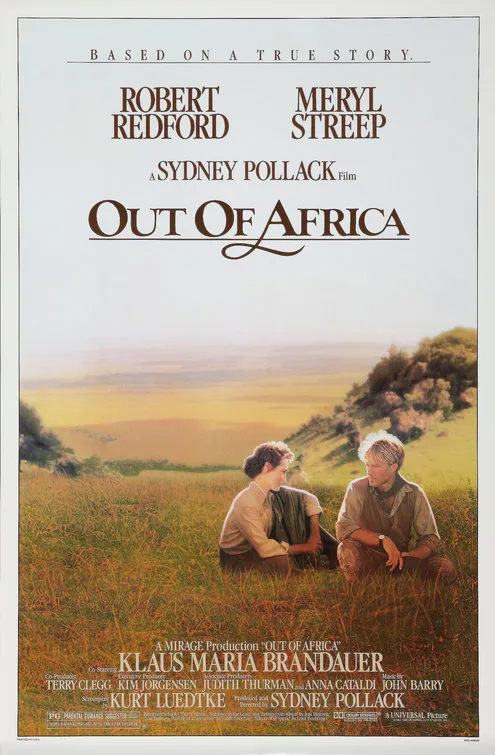
What changes Its own story: The farm anchors Karen’s hope for a durable life, but financial and colonial realities outlast both marriage and romance.
Danish writer Karen Blixen moves to colonial Kenya and marries Baron Bror Blixen, expecting a shared coffee farm that he does not manage as promised. She builds a life around the farm, its workers and her friendship with hunter Denys Finch Hatton, whose independence resists the future she imagines for them. War, illness, fire and financial failure gradually make the land less sustainable, while Denys’s death and the farm’s loss end Karen’s life there. The film frames romance and landscape through the memory of a woman looking back on a life that did not become the home she planned.
The adult children's discovery gives the romance a second timeline: Francesca's private choice changes how they understand the mother they thought they knew.
Why this matches +
These films share important themes, atmosphere or storytelling interests with this selection.
Genres: Drama / Romance
Shared film traits
Based on recorded story, mood and style. Your preferences can change the order.
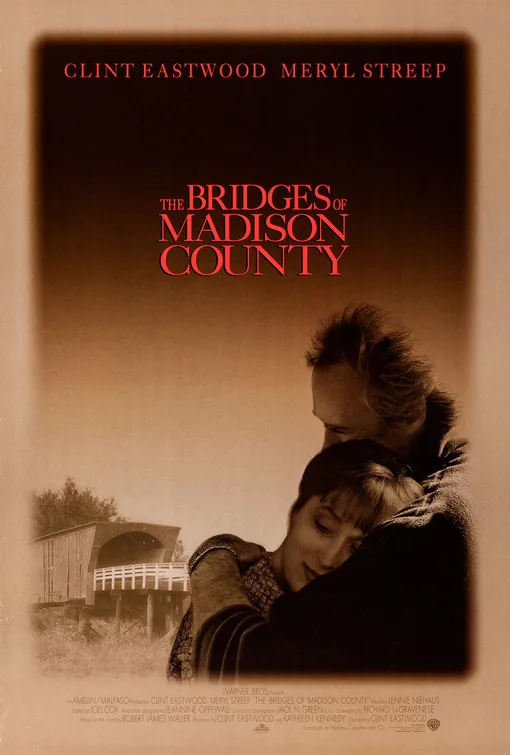
What changes Its own story: The adult children's discovery gives the romance a second timeline: Francesca's private choice changes how they understand the mother they thought they knew.
After their mother Francesca dies, her adult children discover journals explaining why she asked to be cremated and have her ashes scattered from a covered bridge. The notebooks take them back to 1965, when National Geographic photographer Robert Kincaid arrived at the Iowa farm to find directions to the bridges. Francesca's husband and children are away for several days, and she guides Robert through the county. Their brief affair becomes a lasting choice between a new love and the family life Francesca has built, with her children reading the story years later.
Kitty’s work with the nuns changes her view of both the epidemic and the husband she had dismissed.
Why this matches +
These films share important themes, atmosphere or storytelling interests with this selection.
Genres: Drama / Romance
Shared film traits
Based on recorded story, mood and style. Your preferences can change the order.
War and civilian life
What changes Its own story: Kitty’s work with the nuns changes her view of both the epidemic and the husband she had dismissed.
In 1920s London, bacteriologist Walter Fane marries socialite Kitty Garstin, though the couple’s interests and temperaments rarely align. After Kitty begins an affair with a married British official in Shanghai, Walter accepts a medical post in a remote Chinese town suffering a cholera epidemic and insists she accompany him. Work among the patients and an orphanage gradually changes Kitty’s understanding of Walter and herself. John Curran’s adaptation of W. Somerset Maugham’s novel makes the outbreak setting a backdrop for a marriage reshaped by service, grief, and moral attention.
Bendrix’s need to possess an explanation clashes with Sarah’s effort to keep a vow she made in fear.
Why this matches +
These films share important themes, atmosphere or storytelling interests with this selection.
Genres: Drama / Romance
Shared film traits
Based on recorded story, mood and style. Your preferences can change the order.
Memory and identity
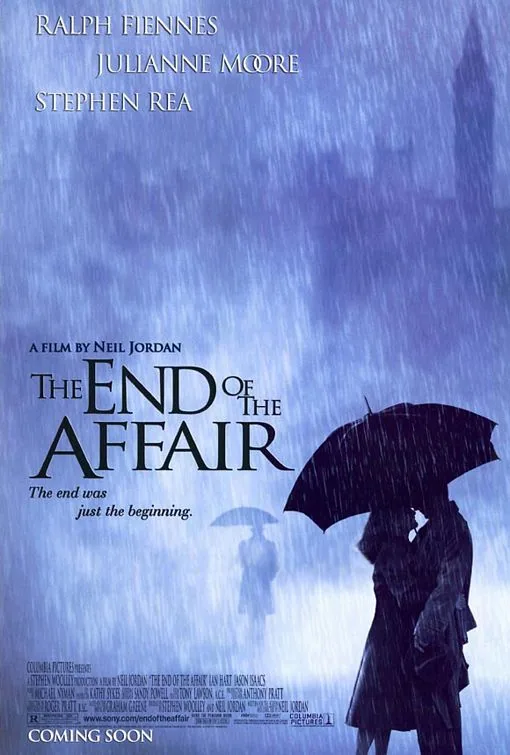
What changes Its own story: Bendrix’s need to possess an explanation clashes with Sarah’s effort to keep a vow she made in fear.
In postwar London, novelist Maurice Bendrix meets Henry Miles, the husband of Sarah, with whom Bendrix had a passionate affair that ended abruptly two years earlier. Jealousy draws Bendrix back toward Sarah, while Henry’s suspicion leads him to hire a private investigator. Through present-day encounters and memories of the affair during the war, Bendrix learns that Sarah’s decision was tied to a desperate promise made after a bombing. Her diary changes how he understands their separation, just as her illness forces all three to confront love, faith and loss.
Tessa's report about a clinical trial gives Justin a trail to follow after her death; institutional complicity makes each new disclosure more dangerous.
Why this matches +
These films share important themes, atmosphere or storytelling interests with this selection.
Genres: Drama / Thriller
Shared film traits
Based on recorded story, mood and style. Your preferences can change the order.
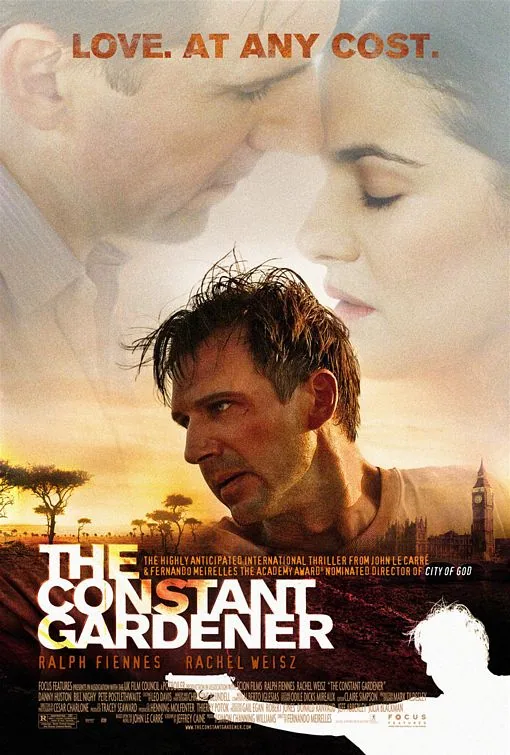
What changes Its own story: Tessa's report about a clinical trial gives Justin a trail to follow after her death; institutional complicity makes each new disclosure more dangerous.
British diplomat Justin Quayle meets activist Tessa, marries her and follows her to a posting in Kenya. Tessa and doctor Arnold Bluhm investigate deaths they connect to drug trials by the pharmaceutical company Three Bees, but their report threatens powerful corporate and government interests. After Tessa is murdered, Justin follows the evidence she left behind, moving through official files, colleagues' memories and the places where she worked. His private grief becomes a public investigation that reveals the cost of protecting a profitable drug program.
A teenage affair resurfaces in a war-crimes trial, forcing Michael to reconcile private memory with Hanna's public culpability and concealed shame.
Why this matches +
These films share important themes, atmosphere or storytelling interests with this selection.
Genres: Drama / Romance
Shared film traits
Based on recorded story, mood and style. Your preferences can change the order.
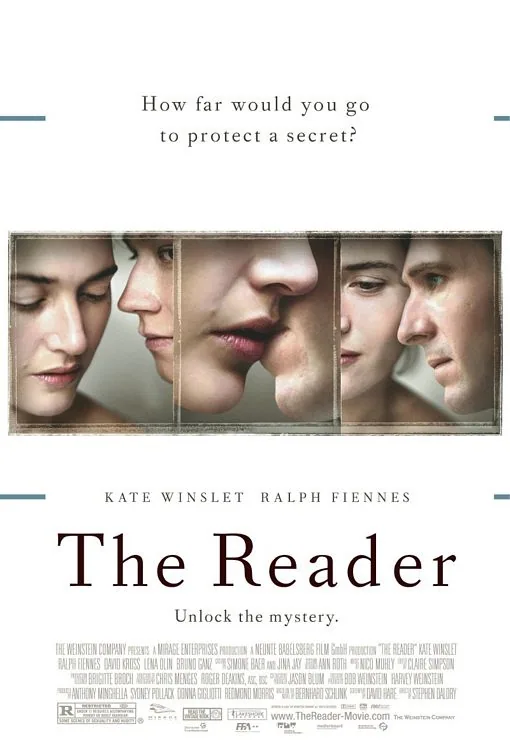
What changes Its own story: A teenage affair resurfaces in a war-crimes trial, forcing Michael to reconcile private memory with Hanna's public culpability and concealed shame.
In 1958, fifteen-year-old Michael Berg begins a secret relationship with Hanna Schmitz, an older tram conductor who asks him to read aloud to her. Hanna disappears without explanation; years later, Michael sees her among former Nazi camp guards on trial for the deaths of prisoners during a death march. As a law student observing the proceedings, he recognizes details from their relationship and learns that shame about illiteracy is shaping how Hanna responds to the court. The revelation complicates Michael's memory of the affair without erasing the power imbalance or Hanna's crimes. He later records books for her in prison, but the connection remains defined by what he cannot say. The film links intimacy, literacy and postwar responsibility through one man's long, conflicted recollection.
A scarce means of escape gives an emotionally withdrawn man the power to decide between a reopened romance and support for a wider resistance.
Why this matches +
These films explore a related idea in a different setting, genre or style.
An adjacent discovery: a related idea with a different viewing experience.
Genres: Drama / Romance
Shared film traits
Based on recorded story, mood and style. Your preferences can change the order.
War and civilian life
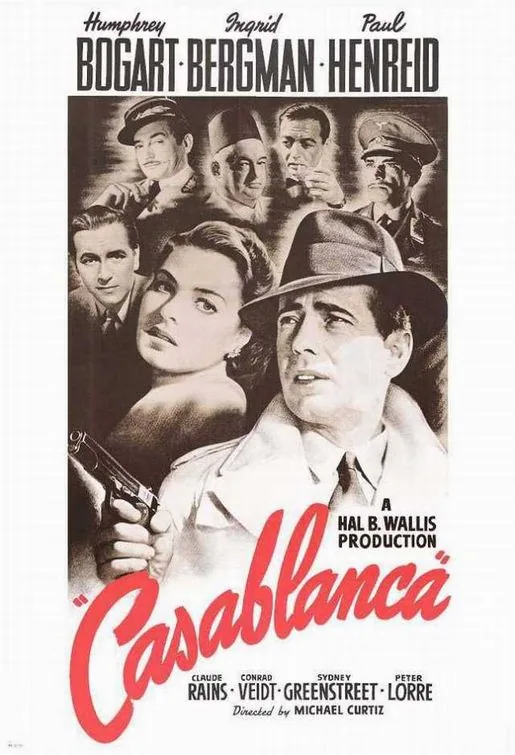
What changes Its own story: A scarce means of escape gives an emotionally withdrawn man the power to decide between a reopened romance and support for a wider resistance.
An American expatriate runs a nightclub in a wartime transit city, maintaining public detachment while desperate travellers seek documents and influence to escape occupied Europe. The arrival of a former lover with a resistance leader unsettles that carefully managed neutrality. Control of a possible departure route makes their unresolved past a political choice, requiring him to consider whether the recovery of private happiness can be separated from responsibility beyond himself.
A wartime cover identity becomes a genuine relationship, then a question of allegiance.
Why this matches +
These films explore a related idea in a different setting, genre or style.
An adjacent discovery: a related idea with a different viewing experience.
Genres: Drama / Romance
Shared film traits
Based on recorded story, mood and style. Your preferences can change the order.
War and civilian life
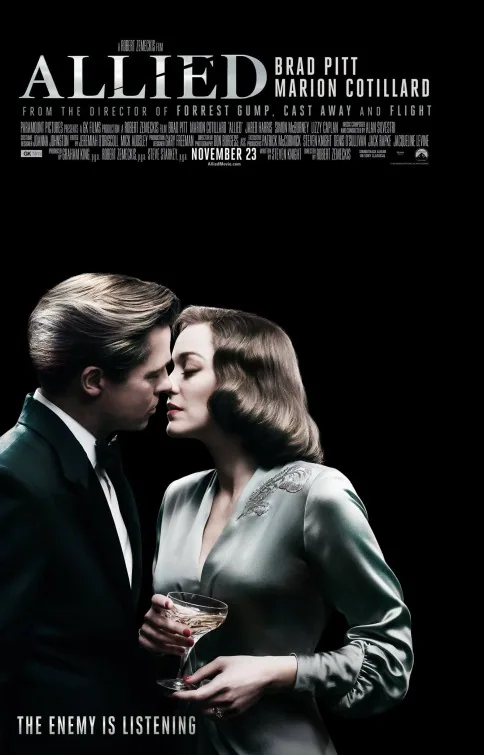
What changes Its own story: A wartime cover identity becomes a genuine relationship, then a question of allegiance.
During the Second World War, Canadian intelligence officer Max Vatan and French Resistance agent Marianne Beauséjour pose as a married couple for a mission in Casablanca. Their wartime partnership becomes a real marriage, but later intelligence raises the possibility that Marianne is hiding a dangerous allegiance. Max must weigh military orders against his trust in the woman he loves, turning a spy story into an intimate test of loyalty.
Tom and Isabel's choice to keep the infant leads to a moral conflict that grows as the child's origins remain hidden.
Why this matches +
These films explore a related idea in a different setting, genre or style.
An adjacent discovery: a related idea with a different viewing experience.
Genres: Drama / Romance
Shared film traits
Based on recorded story, mood and style. Your preferences can change the order.
War and civilian life · Memory and identity
What changes Its own story: Tom and Isabel's choice to keep the infant leads to a moral conflict that grows as the child's origins remain hidden.
After World War I, lighthouse keeper Tom Sherbourne and his wife Isabel live in isolation on Janus Rock, longing for a child after repeated miscarriages. A boat carrying a dead man and an infant washes ashore, and Isabel persuades Tom to raise the baby as their own without reporting the discovery. Their decision brings joy but binds them to a secret that affects another grieving family. Derek Cianfrance's period romance examines love, parenthood, and moral responsibility through the remote setting and the long consequences of one desperate choice.
A contested advance places command pressure against the cost of sending particular men into danger, while shifting perspectives continually exceed the official mission.
Why this matches +
These films explore a related idea in a different setting, genre or style.
An adjacent discovery: a related idea with a different viewing experience.
Genres: Drama / War
Shared film traits
Based on recorded story, mood and style. Your preferences can change the order.
War and civilian life
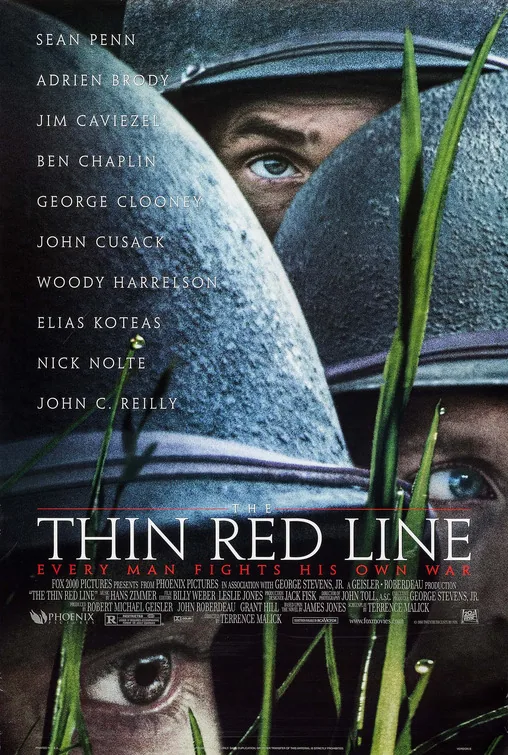
What changes Its own story: A contested advance places command pressure against the cost of sending particular men into danger, while shifting perspectives continually exceed the official mission.
An American infantry company arrives on Guadalcanal and confronts a landscape whose beauty offers no protection from military objectives or unpredictable killing. Attempts to capture a defended position expose differences between career ambition, tactical responsibility and the soldiers' private attachments. Multiple voices reflect on nature, violence and loss as the campaign continues, making neither strategic progress nor individual courage sufficient to explain what the men experience.
The settlement and surrounding landscape are treated as forces that shape the encounter rather than mere backdrop.
Why this matches +
These films explore a related idea in a different setting, genre or style.
An adjacent discovery: a related idea with a different viewing experience.
Genres: Drama / Romance
Shared film traits
Based on recorded story, mood and style. Your preferences can change the order.
Memory and identity
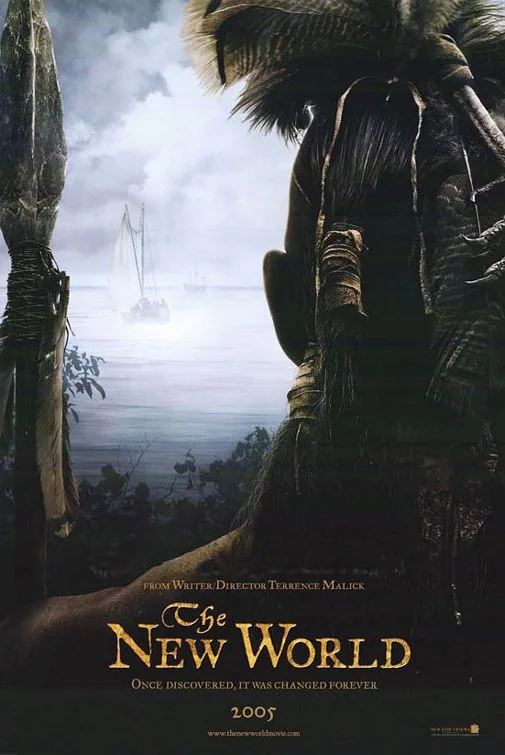
What changes Its own story: The settlement and surrounding landscape are treated as forces that shape the encounter rather than mere backdrop.
The arrival of English settlers in early seventeenth-century Virginia is seen through the encounter between explorer John Smith and Pocahontas, alongside the hardship of founding Jamestown. Their connection is set within a larger history of colonization and cultural conflict. The film uses sensory detail, voice-over and a patient rhythm to consider how desire, land and incompatible worlds are entangled, while resisting the shape of a conventional adventure romance.
Shared suspicion creates intimacy that remains constrained by social scrutiny and the characters' own moral boundaries.
Why this matches +
These films explore a related idea in a different setting, genre or style.
An adjacent discovery: a related idea with a different viewing experience.
Genres: Romance / Drama
Shared film traits
Based on recorded story, mood and style. Your preferences can change the order.
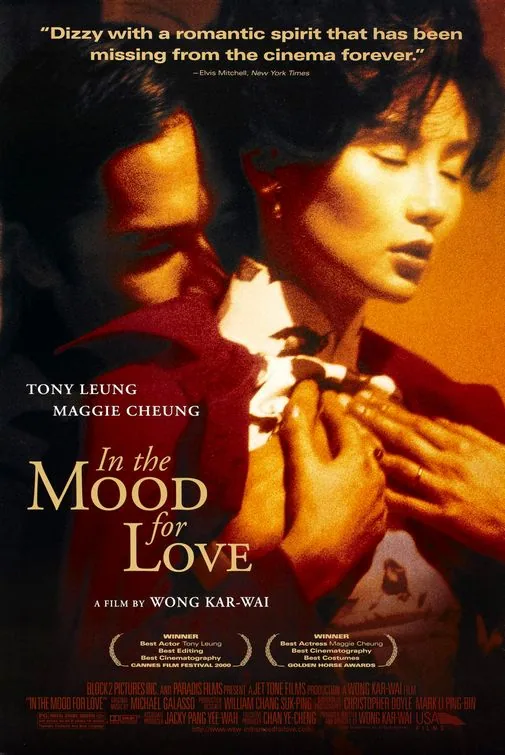
What changes Its own story: Shared suspicion creates intimacy that remains constrained by social scrutiny and the characters' own moral boundaries.
Neighbours in a crowded Hong Kong apartment building discover that their spouses may be having an affair with each other. Seeking to understand that betrayal, they begin rehearsing conversations and spending time together while insisting their own relationship will be different. Repetition, proximity and fear of gossip make a growing attachment both intensely felt and difficult to acknowledge.
A prison-frame interrogation reorders a former ruler's ceremonial childhood, constrained adulthood and collaboration into a contested account of responsibility.
Why this matches +
These films explore a related idea in a different setting, genre or style.
An adjacent discovery: a related idea with a different viewing experience.
Genres: Drama / Biography
Shared film traits
Based on recorded story, mood and style. Your preferences can change the order.
War and civilian life
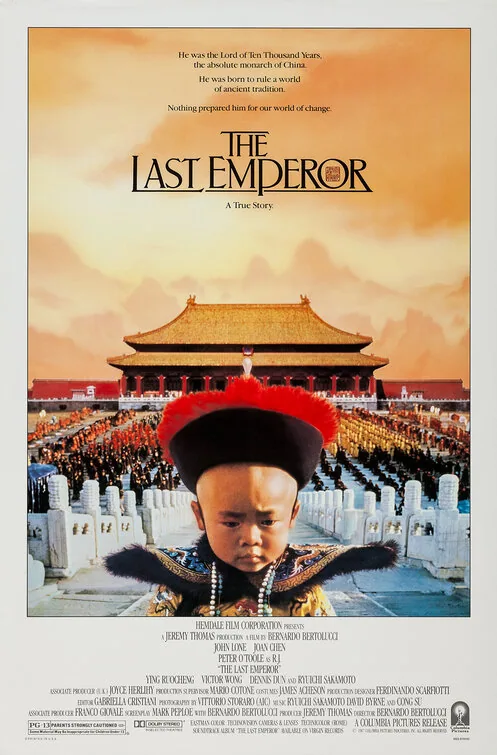
What changes Its own story: A prison-frame interrogation reorders a former ruler's ceremonial childhood, constrained adulthood and collaboration into a contested account of responsibility.
As a political prisoner after the Second World War, Puyi recalls being made emperor as a child and growing up inside the enclosed ceremony of Beijing's Forbidden City. Nominal authority repeatedly contrasts with dependence on servants, advisers and foreign power, eventually drawing him into a Japanese-backed regime in Manchuria. Imprisonment and political re-education force a reckoning with how a life organised around exceptional status can obscure responsibility for actual decisions.
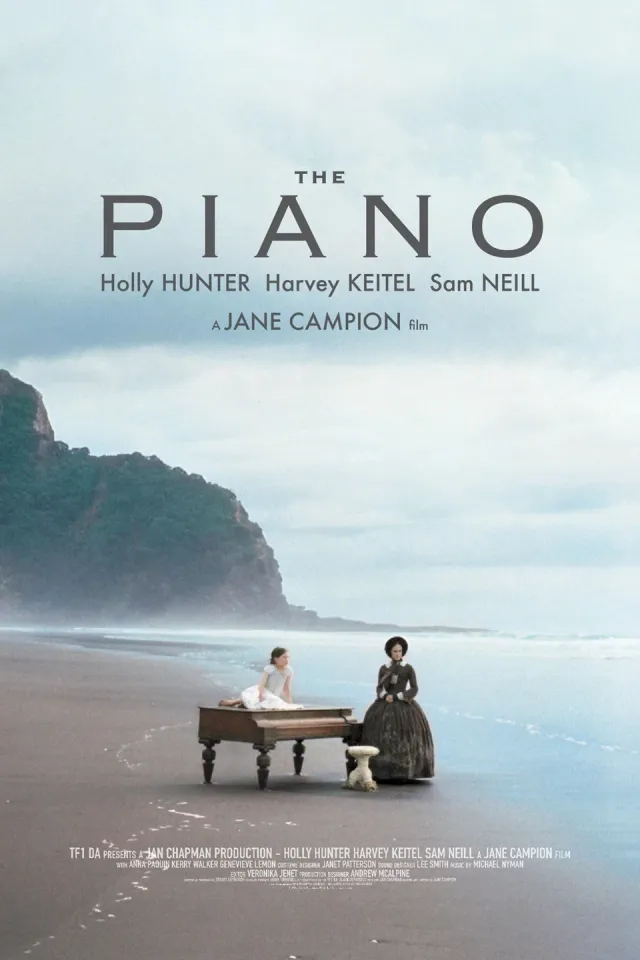
A piano left on the shore becomes the object of a bargain that draws Ada into a relationship outside her arranged marriage and intensifies her husband's control.
Why this matches +
These films explore a related idea in a different setting, genre or style.
An adjacent discovery: a related idea with a different viewing experience.
Genres: Drama / Romance
Shared film traits
Based on recorded story, mood and style. Your preferences can change the order.
What changes Its own story: A piano left on the shore becomes the object of a bargain that draws Ada into a relationship outside her arranged marriage and intensifies her husband's control.
Mute Scottish pianist Ada McGrath arrives in colonial New Zealand with her daughter Flora and her piano for an arranged marriage to settler Alisdair Stewart. When the piano is left on the beach, Ada persuades neighbor George Baines to retrieve it, and he makes a bargain: she can play it at his home if she gives him lessons. Their private meetings turn into an affair, while Alisdair's response to Ada's desire becomes increasingly controlling. Flora moves between interpreting for her mother and acting on loyalties of her own, changing the balance of power. Jane Campion's story links communication, erotic desire and colonial property, but the central woman's limited speech should not obscure the unequal conditions in which the men negotiate her choices.
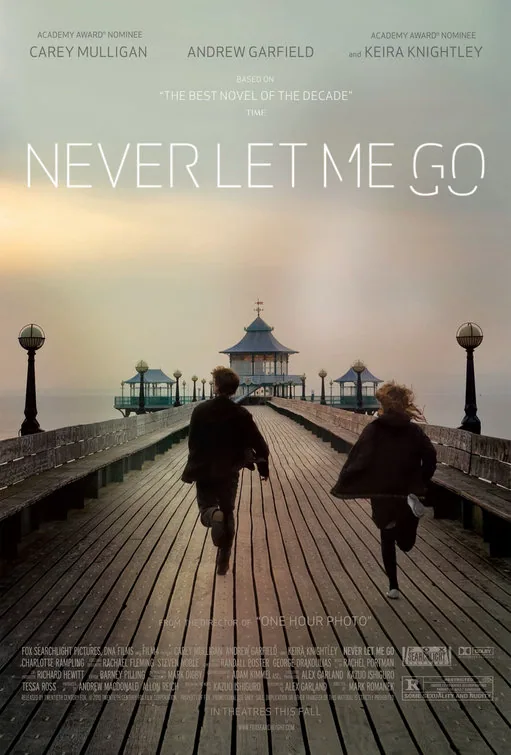
The school’s gentle routines conceal a system with no meaningful choice for students.
Why this matches +
These films explore a related idea in a different setting, genre or style.
An adjacent discovery: a related idea with a different viewing experience.
Genres: Drama / Romance
Shared film traits
Based on recorded story, mood and style. Your preferences can change the order.
Memory and identity
What changes Its own story: The school’s gentle routines conceal a system with no meaningful choice for students.
Kathy, Ruth, and Tommy grow up at a secluded English boarding school that teaches them to value health and art while concealing their purpose. As adults, they gradually understand that their lives have been designed to serve a medical system built around donated organs. The dystopian drama frames this discovery through friendship, memory, and longing, asking what humanity means when the future has been assigned by others.
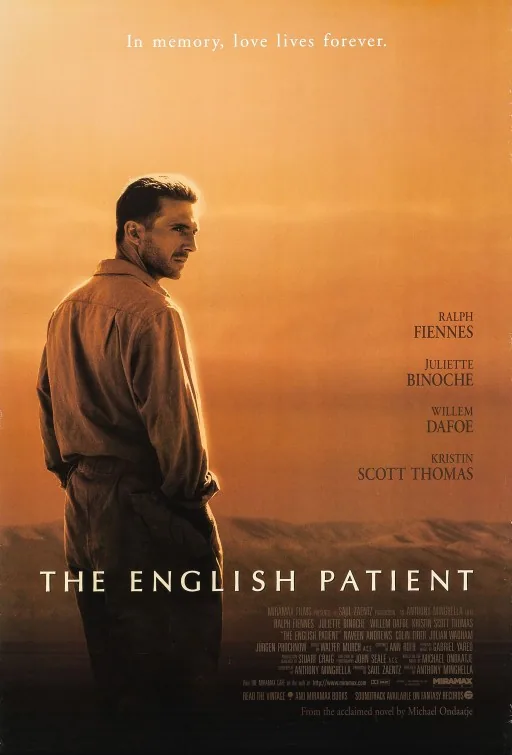
Near the end of the Second World War, a nurse tends a severely burned man in an abandoned Italian monastery while fragments of his earlier life emerge. His memories return to a desert mapping expedition, an affair with a married woman and decisions whose consequences cross wartime allegiances. Other displaced people briefly form a household around the patient's care, placing his consuming lost romance beside more tentative attempts to remain open to life.
What drives the story
A patient's uncertain identity and recollections gradually connect an intimate love affair with betrayals and irreversible losses across a wartime landscape.
The people at its centre
The nurse's burden of care intersects with a wounded stranger's suspicions and a bomb-disposal officer's guarded possibility of attachment.
What it feels like
Expansive desert imagery and slow temporal shifts make longing and recollection emotionally immersive, with beauty inseparable from abandonment and pain.
Worth knowing
The war frames contested loyalties and intimate losses, rather than supplying a continuous combat mission or an uncomplicated account of heroic sacrifice.