A chance meeting becomes a recurring relationship constrained by schedules, marriage and social expectation.
Why this matches +
Selected for the central appeal: Restrained romances about longing, missed timing and intimacy shaped by social boundaries.
Genres: Romance / Drama
Shared film traits
Based on recorded story, mood and style. Your preferences can change the order.
What changes Brief Encounter follows a deeply felt but restrained attachment constrained by marriage and social expectations.
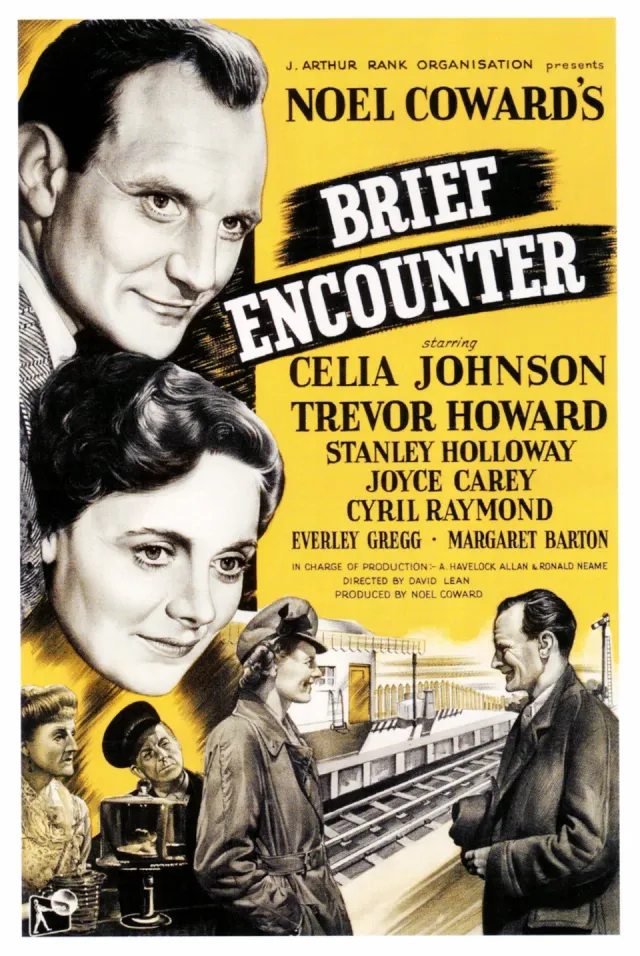
A married woman meets a doctor at a railway station and begins sharing afternoons with him during her weekly visits to town. Ordinary conversation develops into an attachment neither can easily reconcile with existing family commitments. Her recollection of their meetings turns small public spaces and limited time into the setting for an intensely private struggle between desire, responsibility and the impossibility of explaining herself.
Separate romantic disappointments generate eccentric routines and unexpected encounters within the same city.
Why this matches +
Selected for the central appeal: Restrained romances about longing, missed timing and intimacy shaped by social boundaries.
Genres: Romance / Drama
Shared film traits
Based on recorded story, mood and style. Your preferences can change the order.
Both directed by Wong Kar-wai.
What changes Chungking Express shares Wong Kar-wai's Hong Kong setting, atmospheric longing and stories of romantic disconnection.
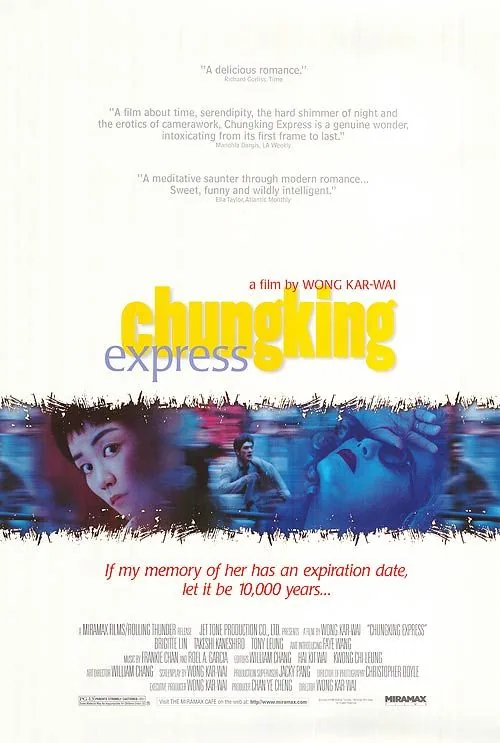
Two Hong Kong policemen deal with romantic disappointment in separate, loosely connected stories. One becomes fascinated by a mysterious woman while measuring loss through arbitrary expiry dates; another fails to notice how a snack-bar worker is quietly changing his apartment and routines. Urban movement and private rituals turn near encounters into portraits of loneliness and the unpredictable possibility of connection.
Three widely separated periods of contact turn reunion into an encounter with alternative lives rather than a simple opportunity to resume a childhood romance.
Why this matches +
Selected for the central appeal: Restrained romances about longing, missed timing and intimacy shaped by social boundaries.
Genres: Drama / Romance
Shared film traits
Based on recorded story, mood and style. Your preferences can change the order.
What changes Past Lives explores a quiet bond shaped by timing, distance and lives built with other partners.
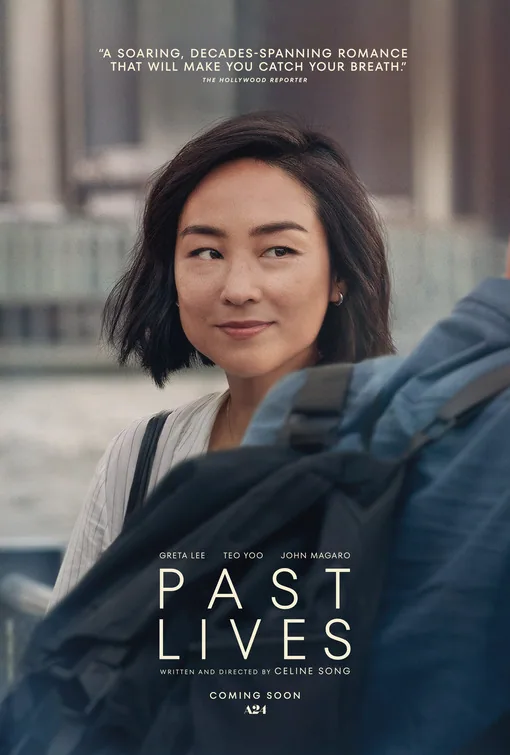
Two childhood friends separated when one family leaves South Korea reconnect years later across video calls and another long interval of separate lives. When they finally meet in New York, she is married and has built a language, career and identity that her old friend only partly knows. Their time together brings affection for an unrealised future into contact with responsibility toward the present they have actually chosen.
A temporary stay abroad creates an emotional interval in which two dissatisfied people can recognise feelings their ordinary routines conceal.
Why this matches +
These offer a related experience with a meaningful difference in story, tone, or presentation.
An adjacent discovery: a related idea with a different viewing experience.
Genres: Drama / Romance
Shared film traits
Based on recorded story, mood and style. Your preferences can change the order.
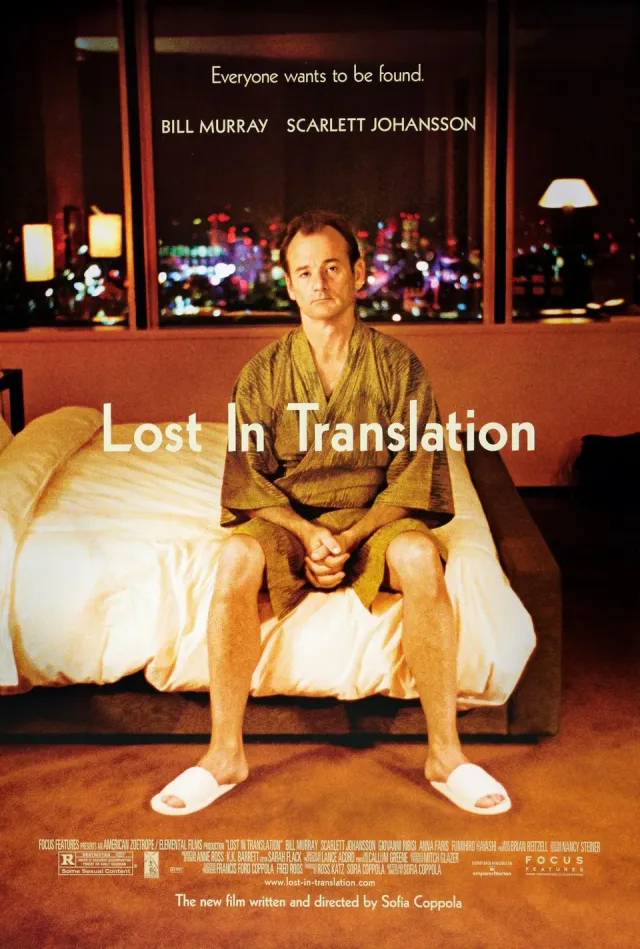
What changes Lost in Translation follows an intimate connection between lonely people in an unfamiliar city.
An American actor working on an advertisement in Tokyo meets a young woman accompanying a husband whose work leaves her largely alone. Dislocation, insomnia and uncertainty about their marriages create a companionship neither expected to find. Their shared movement through the city offers temporary relief from the roles awaiting them elsewhere, while the knowledge that the encounter is brief keeps affection poised between possibility and restraint.
The hidden portrait turns looking into both a professional task and an intimate negotiation over who controls the image.
Why this matches +
These offer a related experience with a meaningful difference in story, tone, or presentation.
An adjacent discovery: a related idea with a different viewing experience.
Genres: Drama / Romance
Shared film traits
Based on recorded story, mood and style. Your preferences can change the order.
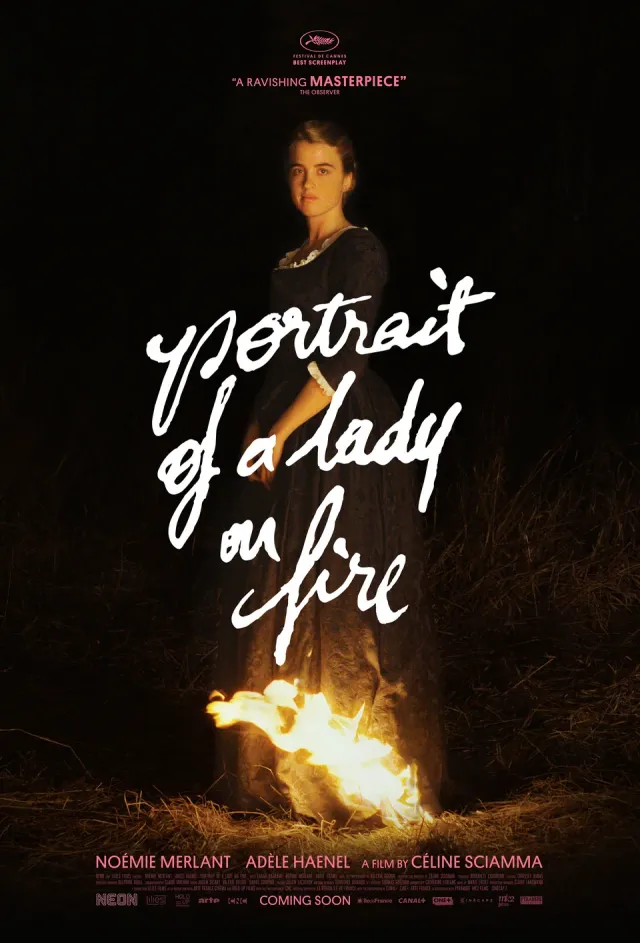
What changes Portrait of a Lady on Fire conveys forbidden love through careful observation, restraint and memory.
In late-eighteenth-century Brittany, painter Marianne is hired to make a portrait of Héloïse, a young woman whose arranged marriage depends on a painting she refuses to sit for. Marianne first observes her under the pretense of companionship, then paints from memory. When Héloïse agrees to pose, the two women develop an intimacy shaped by the short time before the marriage. Their relationship also includes the household’s young servant Sophie, whose pregnancy leads to a clandestine abortion. The portrait is completed, and Marianne and Héloïse separate, with a final later encounter preserving the force of their shared memory.
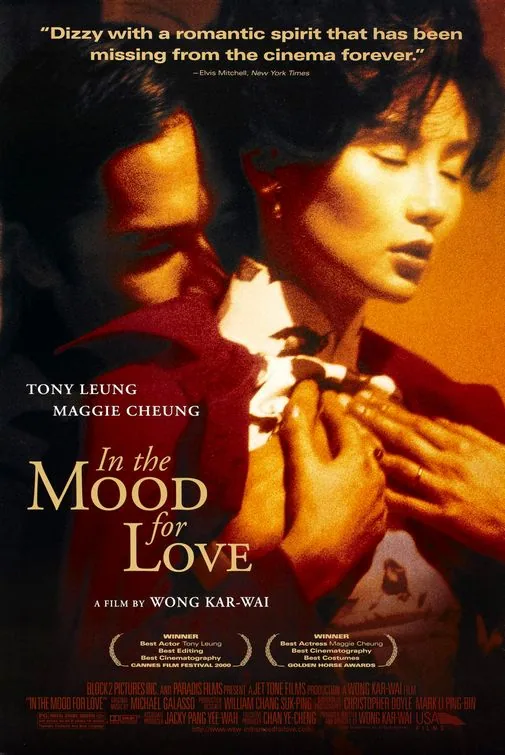
Neighbours in a crowded Hong Kong apartment building discover that their spouses may be having an affair with each other. Seeking to understand that betrayal, they begin rehearsing conversations and spending time together while insisting their own relationship will be different. Repetition, proximity and fear of gossip make a growing attachment both intensely felt and difficult to acknowledge.
What drives the story
Shared suspicion creates intimacy that remains constrained by social scrutiny and the characters' own moral boundaries.
The people at its centre
Two betrayed partners use imagined encounters to approach feelings they struggle to express directly.
What it feels like
Music, repeated gestures and tightly framed spaces privilege longing over explicit explanation.
Worth knowing
Its central pleasure is withheld emotion and formal repetition, rather than a rapidly developing or openly consummated romance.