Both share themes of loneliness, plus a melancholic atmosphere.
Why this matches +
Genres: Romance / Drama
Shared film traits
Based on recorded story, mood and style. Your preferences can change the order.
Both directed by Wong Kar-wai.
What changes Chungking Express: episodic and fast. In the Mood for Love: slow burn.
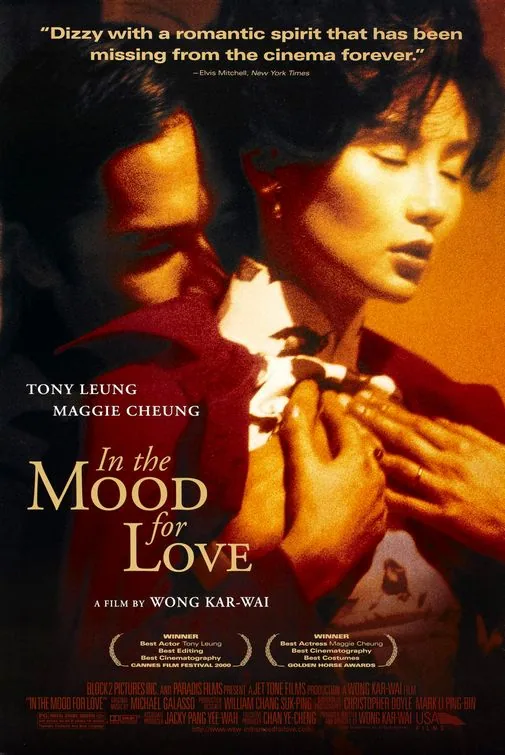
Neighbours in a crowded Hong Kong apartment building discover that their spouses may be having an affair with each other. Seeking to understand that betrayal, they begin rehearsing conversations and spending time together while insisting their own relationship will be different. Repetition, proximity and fear of gossip make a growing attachment both intensely felt and difficult to acknowledge.
Based on recorded story, mood and style. Your preferences can change the order.
Expect playful and sentimental, with fast and episodic pacing.
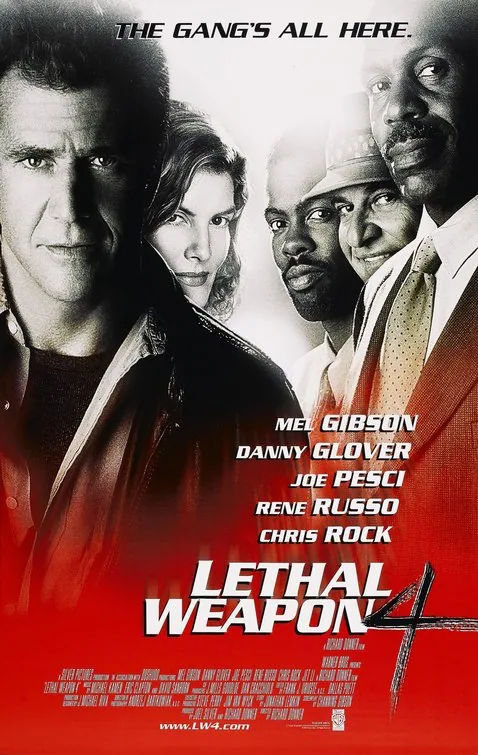
Longtime police partners face new family commitments while an immigrant-smuggling investigation reveals a counterfeiting scheme organized around releasing imprisoned criminal leaders. One partner shelters a family threatened by the network, bringing the case directly into an already expanding household. Hidden relationships and expectations about fatherhood turn professional partnership into a larger domestic arrangement. The late sequel uses aging and interdependence as comic resources, pairing an increasingly difficult physical threat with the possibility that the men can accept lives no longer organized around solitary endurance.
Both share themes of chance and love, plus a playful atmosphere.
Why this matches +
Genres: Comedy / Romance
Shared film traits
Based on recorded story, mood and style. Your preferences can change the order.
What changes Chungking Express: episodic and fast. Serendipity: measured and interwoven.
Two strangers meet during a holiday shopping trip in New York and feel an immediate connection, but they separate before exchanging reliable contact details. Years later, each is close to marriage while still wondering whether chance might reunite them. The romantic comedy follows parallel searches through friends, city locations and small coincidences, asking how much of love depends on deliberate choice.
Based on recorded story, mood and style. Your preferences can change the order.
What changes Chungking Express: episodic and fast. Fallen Angels: episodic, fragmented voice-over and sudden bursts of crime action.
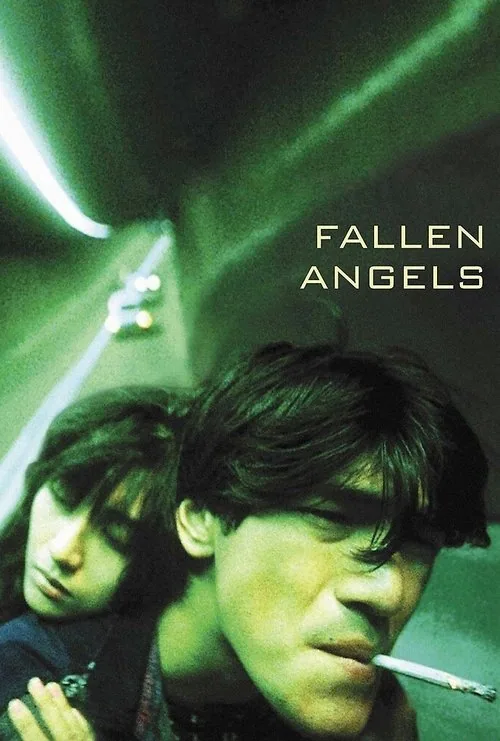
In nocturnal Hong Kong, a hitman's business partner arranges his jobs while imagining a more intimate relationship with him. Elsewhere, a mute ex-convict drifts through shops and apartments, performing services for strangers and briefly connecting with a woman searching for an old boyfriend. Wong Kar-wai links these loosely connected lives through neon streets, fragmented voice-over, and offbeat encounters, creating a crime-tinged portrait of city loneliness and people passing close without becoming known.
Based on recorded story, mood and style. Your preferences can change the order.
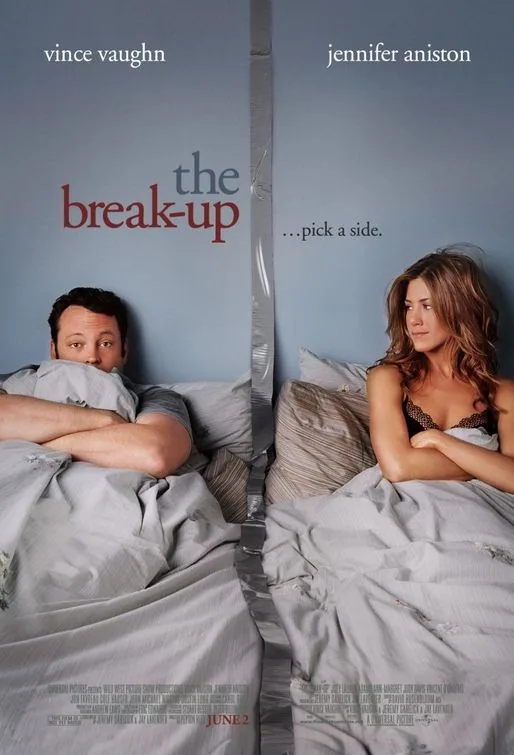
What changes Chungking Express is tagged playful and melancholic; The Break-Up is tagged bitter and comic.
After a painful breakup, a Chicago couple continues living in the same apartment because neither wants to leave it. Their attempts to make the other move become a series of escalating gestures that obscure the hurt beneath their arguments. The film observes how a relationship can end before shared routines and emotional expectations have caught up. A recognizable city setting and alternating comic and uncomfortable scenes keep the conflict grounded in ordinary domestic life.
Based on recorded story, mood and style. Your preferences can change the order.
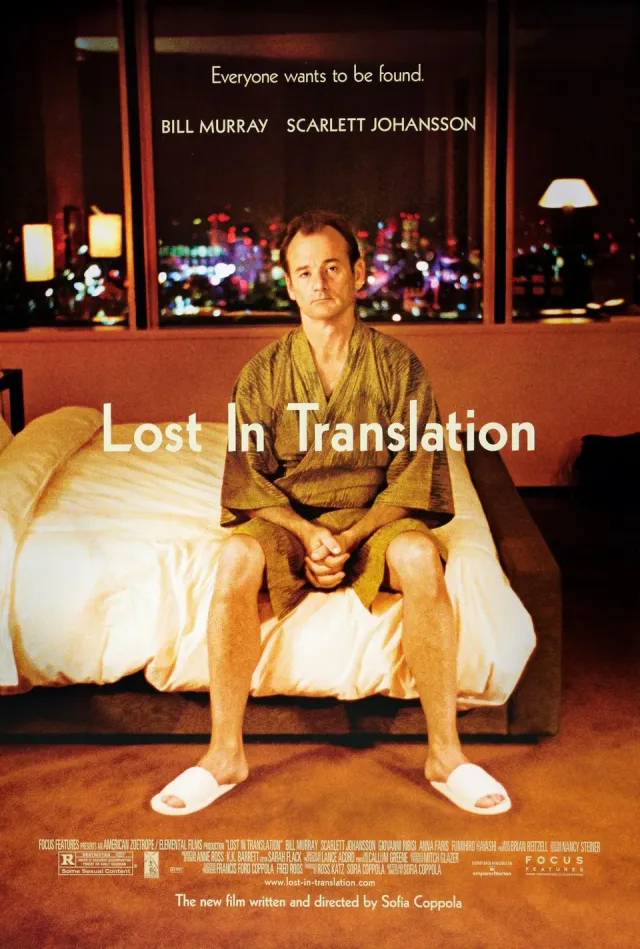
What changes Chungking Express: episodic and fast. Lost in Translation: meditative and measured.
An American actor working on an advertisement in Tokyo meets a young woman accompanying a husband whose work leaves her largely alone. Dislocation, insomnia and uncertainty about their marriages create a companionship neither expected to find. Their shared movement through the city offers temporary relief from the roles awaiting them elsewhere, while the knowledge that the encounter is brief keeps affection poised between possibility and restraint.
Based on recorded story, mood and style. Your preferences can change the order.
What changes Chungking Express is tagged playful and melancholic; Bridget Jones's Diary is tagged wry and warm.
A London publishing employee begins a diary while trying to reorganize a life she measures against expectations about romance, work, and appearance. Attraction to a confident boss and awkward encounters with another man initially seem to offer clear opposing choices. Discovering what their public manners conceal makes self-narration less reliable as a guide, while family changes complicate the idea that finding a partner will automatically supply adult certainty.
Based on recorded story, mood and style. Your preferences can change the order.
What changes Chungking Express: episodic and fast. Y tu mamá también: meandering and accumulating.
Two teenage friends take a road trip with an older woman who is dealing with a private loss, and their shifting trio turns a carefree journey into a reckoning with desire, class and growing up. A candid voice-over widens the story beyond the travelers’ self-image. The film’s erotic humor sits beside an attentive portrait of Mexican places and inequalities.
Based on recorded story, mood and style. Your preferences can change the order.
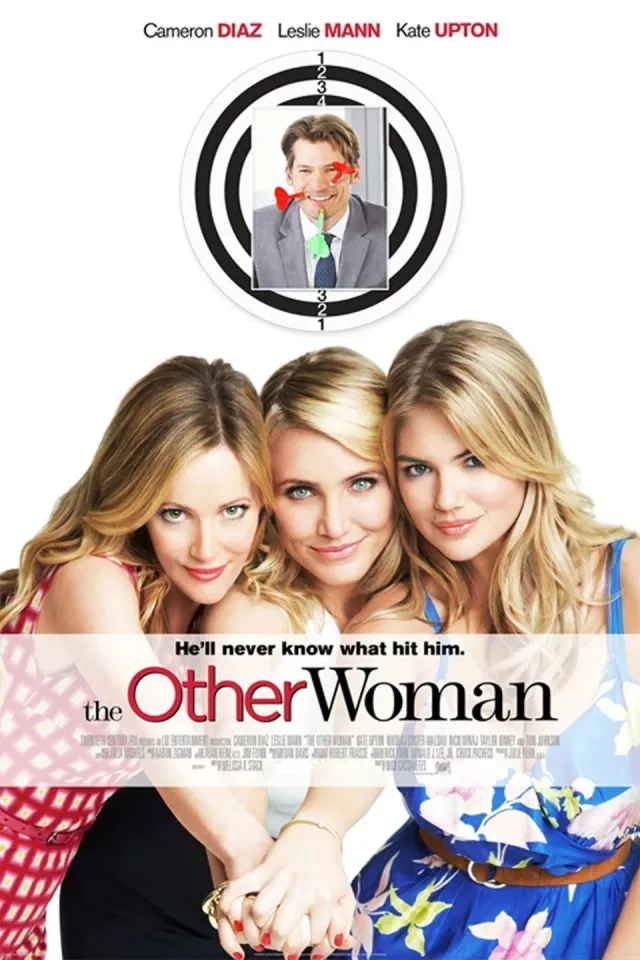
Expect playful and confident, with episodic and scheme-driven pacing.
When a lawyer discovers that her boyfriend is already married, she meets his wife and then another woman he has also deceived. Their shared anger becomes a friendship and a series of comic schemes aimed at exposing his double life. The story changes the usual romantic-rival setup into a female alliance, finding its lightness in collaboration and in each woman reassessing what she wants next.
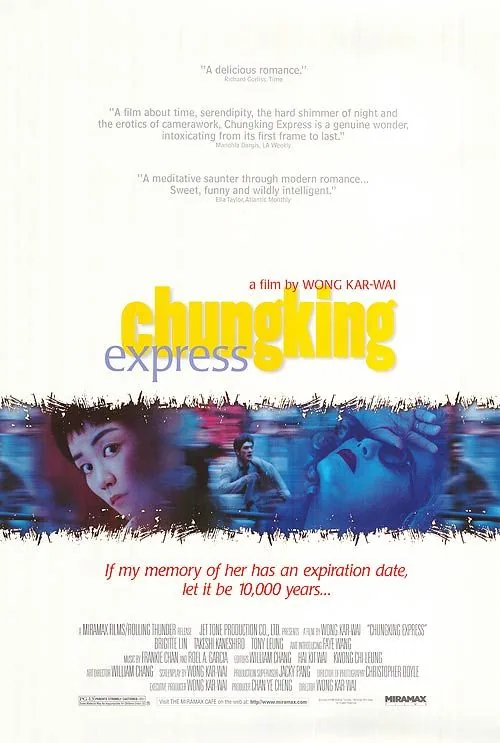
Two Hong Kong policemen deal with romantic disappointment in separate, loosely connected stories. One becomes fascinated by a mysterious woman while measuring loss through arbitrary expiry dates; another fails to notice how a snack-bar worker is quietly changing his apartment and routines. Urban movement and private rituals turn near encounters into portraits of loneliness and the unpredictable possibility of connection.
What drives the story
Separate romantic disappointments generate eccentric routines and unexpected encounters within the same city.
The people at its centre
Isolated people approach connection obliquely through objects, habits and intrusions into one another's lives.
What it feels like
Pop music, blurred movement and whimsical repetition make loneliness feel buoyant as well as sad.
Worth knowing
The stories are adjacent mood portraits rather than a tightly interlocking mystery or single conventional romance.