Explore films connected to Fallen Angels through urban loneliness, unreturned desire, chance encounters. Choose the qualities you want to carry into your next watch.
What should feel similar?
Find your next favourite
9 films · Closest overall matches
Hide films you’ve seen or don’t want. Saved on this device.
No matches for this combination yet.
Try another option or reset your choices to see more films.
Based on recorded story, mood and style. Your preferences can change the order.
Memory and identity
Expect dreamlike and sensual, with episodic and drifting pacing.
In 1950s Mexico City, expatriate writer William Lee spends his days in bars and drifting conversation, increasingly drawn to former soldier Eugene Allerton. Their uncertain connection pulls Lee into a search for closeness that he tries to manage through desire, alcohol and self-invention. When the two travel farther into South America, the relationship and Lee's fantasies become harder to separate from his isolation, creating an adaptation shaped by longing, obsession and the limits of mutual understanding.
Based on recorded story, mood and style. Your preferences can change the order.
What changes Fallen Angels: episodic, fragmented voice-over and sudden bursts of crime action. Chungking Express: episodic and fast.
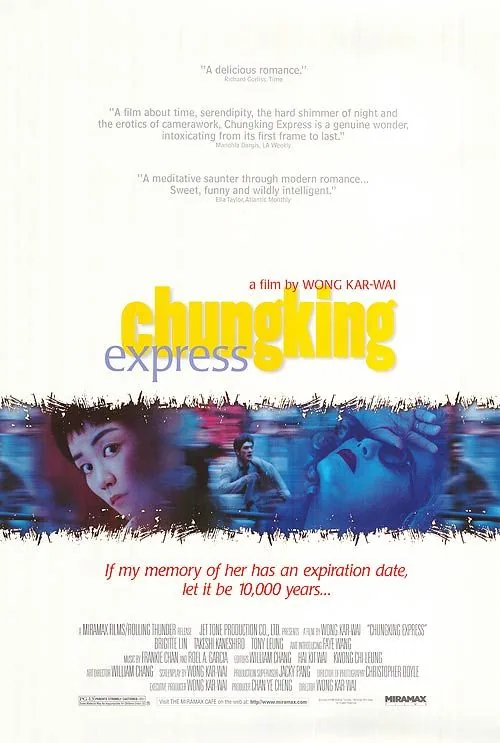
Two Hong Kong policemen deal with romantic disappointment in separate, loosely connected stories. One becomes fascinated by a mysterious woman while measuring loss through arbitrary expiry dates; another fails to notice how a snack-bar worker is quietly changing his apartment and routines. Urban movement and private rituals turn near encounters into portraits of loneliness and the unpredictable possibility of connection.
Based on recorded story, mood and style. Your preferences can change the order.
Criminal underworld · Memory and identity
What changes Fallen Angels: episodic, fragmented voice-over and sudden bursts of crime action. Hard Eight: measured character drama, gradual revelation and contained violence.
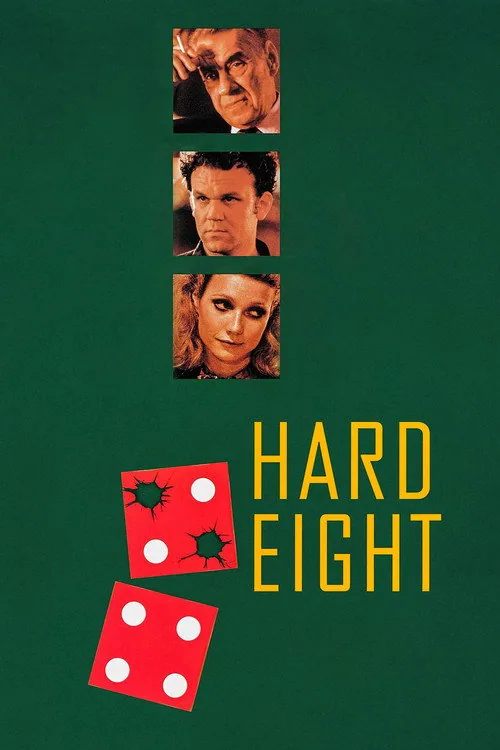
Veteran gambler Sydney Brown meets John, a homeless young man who has lost money and cannot afford his mother's funeral. Sydney teaches him how to use small casino stakes to earn complimentary rooms and food, then introduces him to the rhythms of Reno and Las Vegas. John gains a job and a relationship with cocktail waitress Clementine, but their choices draw the older gambler into a dangerous confrontation. Paul Thomas Anderson's debut feature studies mentorship, guilt, and a carefully hidden past.
Based on recorded story, mood and style. Your preferences can change the order.
Criminal underworld
What changes Fallen Angels: episodic, fragmented voice-over and sudden bursts of crime action. Romeo Must Die: propulsive and set-piece driven.
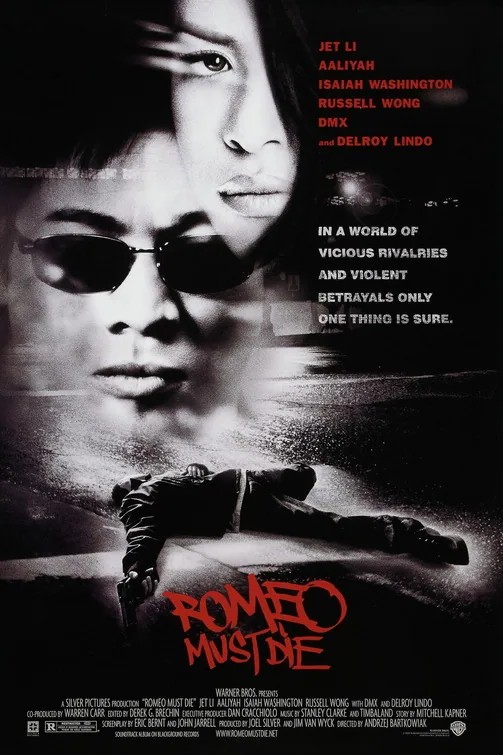
A former Hong Kong police officer travels to Oakland after his brother is killed, where he encounters the daughter of a rival crime-family leader. Their investigation crosses a conflict between Chinese and Black criminal organizations, while the two try to understand what is driving the violence. Martial-arts action and star-crossed romance shape the film’s stylized crime story.
Based on recorded story, mood and style. Your preferences can change the order.
Memory and identity
What changes Fallen Angels: episodic, fragmented voice-over and sudden bursts of crime action. Decision to Leave: measured procedural build and emotional turns reshape earlier scenes.
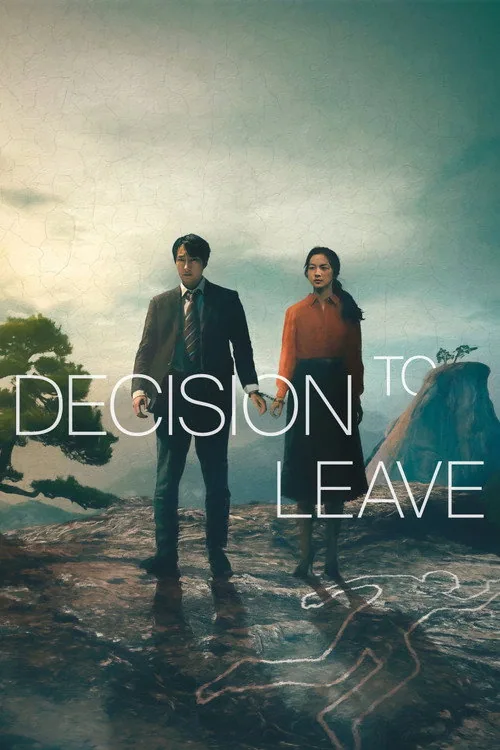
After a man dies in a fall from a mountain, detective Hae-joon investigates the death and focuses on the dead climber’s widow, Seo-rae. Their interviews and surveillance gradually develop into an attraction that complicates the case and Hae-joon’s own sense of professional distance. Park Chan-wook shapes the film as a Korean-language romantic mystery and psychological neo-noir, using shifts in perspective, meticulous visual design, and restrained performances to make attention itself a source of intimacy and doubt.
Based on recorded story, mood and style. Your preferences can change the order.
Memory and identity
What changes Fallen Angels: episodic, fragmented voice-over and sudden bursts of crime action. 2046: elliptical and repetitive.
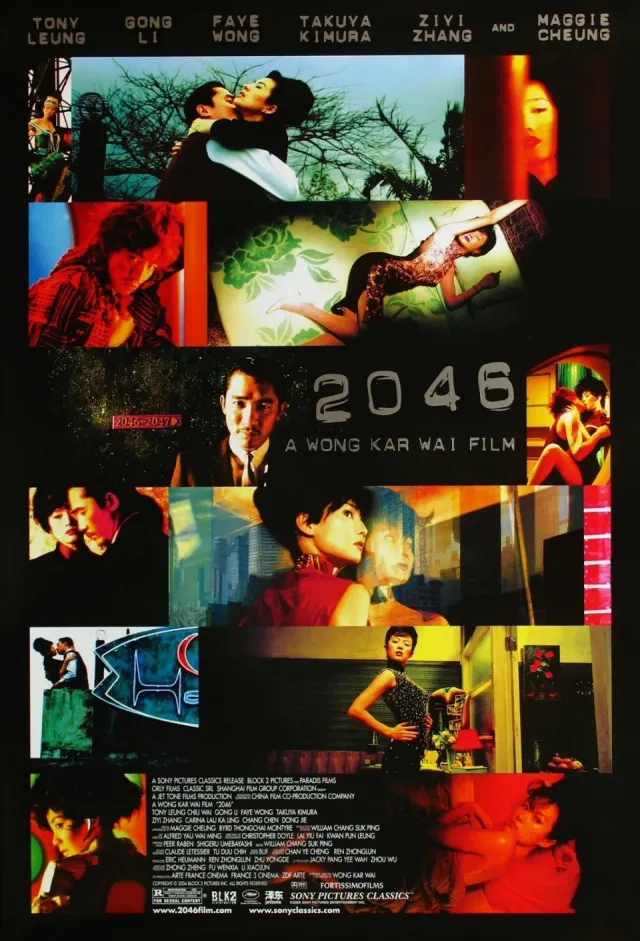
A writer in 1960s Hong Kong moves through relationships that are shaped by longing, secrecy and the fear of being left behind. He also writes about a train to a place called 2046, where travelers hope to recover lost memories. The film braids fiction and lived experience, revisiting a hotel room and recurring emotional patterns in a deliberately elliptical story about desire, regret and the stories people invent to contain loss.
Based on recorded story, mood and style. Your preferences can change the order.
Memory and identity
What changes Fallen Angels: episodic, fragmented voice-over and sudden bursts of crime action. Rockstar: college friendship, career rise and travel and music-centered tragic arc.
Delhi college student Janardhan Jakhar dreams of becoming a celebrated musician but is told that genuine artistic pain can only come through heartbreak. His friendship and romance with Heer Kaul become a turning point as he pursues music, travels abroad, and develops the persona of Jordan. Success brings public adoration and personal turmoil, while the relationship remains shaped by distance and sacrifice. Imtiaz Ali's Hindi musical drama traces how ambition, love, and a performed identity become inseparable in a rock singer's rise.
Based on recorded story, mood and style. Your preferences can change the order.
Memory and identity
What changes Fallen Angels: episodic, fragmented voice-over and sudden bursts of crime action. Lust, Caution: slow-burn and intensifying.
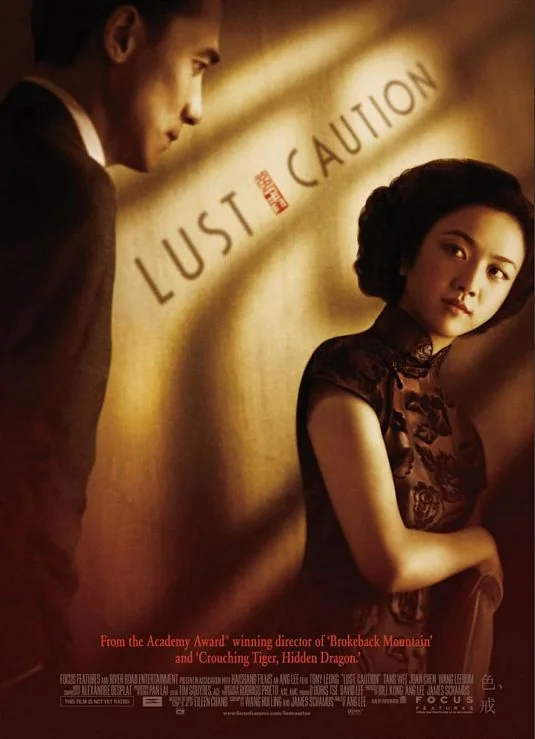
During wartime Shanghai, a young woman becomes involved in a resistance plan that requires her to approach a powerful official under an assumed identity. Their relationship grows into a dangerous entanglement that complicates the mission and her sense of agency. The period drama combines political espionage with intimate, adult material, examining how performance and desire can become tools of survival while leaving the participants vulnerable to betrayal.
Based on recorded story, mood and style. Your preferences can change the order.
Memory and identity
What changes Fallen Angels: episodic, fragmented voice-over and sudden bursts of crime action. Secretary: measured and character-led.
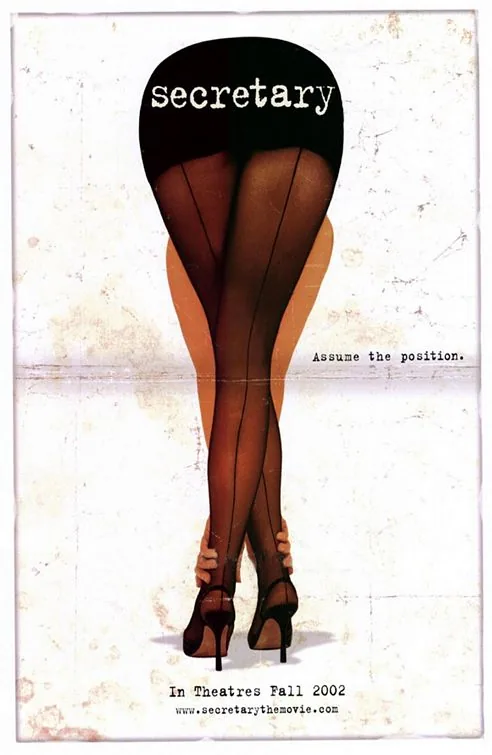
After leaving psychiatric care, Lee Holloway takes a secretarial job and develops a consensual but unconventional relationship with her demanding employer. Their connection brings questions of agency, boundaries and self-acceptance into both the office and Lee’s home life. The film approaches desire through awkwardness and negotiation rather than treating difference as a simple problem to cure. Restrained framing and intimate performances keep the workplace romance focused on power, communication and choice.
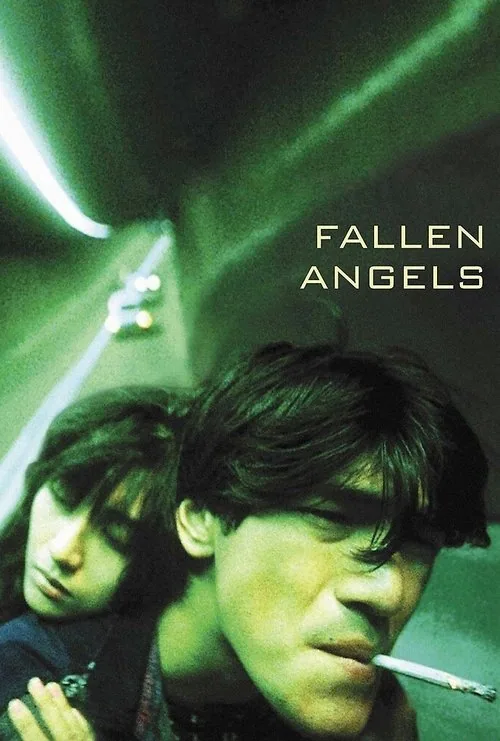
In nocturnal Hong Kong, a hitman's business partner arranges his jobs while imagining a more intimate relationship with him. Elsewhere, a mute ex-convict drifts through shops and apartments, performing services for strangers and briefly connecting with a woman searching for an old boyfriend. Wong Kar-wai links these loosely connected lives through neon streets, fragmented voice-over, and offbeat encounters, creating a crime-tinged portrait of city loneliness and people passing close without becoming known.
What drives the story
Two loosely linked urban stories follow a hitman's unseen partnership and a mute drifter's improvised nights in Hong Kong.
The people at its centre
The agent's devotion goes unanswered, while the drifter's brief attachments make connection seem possible but temporary.
What it feels like
A fragmented, visually restless film uses voice-over, music, neon, and close city spaces to evoke isolation.
Worth knowing
Crime provides one strand in an overlapping portrait of lonely night workers, rather than a tightly plotted gangster thriller.