A patient's uncertain identity and recollections gradually connect an intimate love affair with betrayals and irreversible losses across a wartime landscape.
Why this matches +
These offer a related experience with a meaningful difference in story, tone, or presentation.
An adjacent discovery: a related idea with a different viewing experience.
Genres: Drama / Romance
Shared film traits
Based on recorded story, mood and style. Your preferences can change the order.
War and civilian life
What changes A wartime romance is reconstructed through fragmented memories, with betrayal and historical violence shaping what can be recovered.
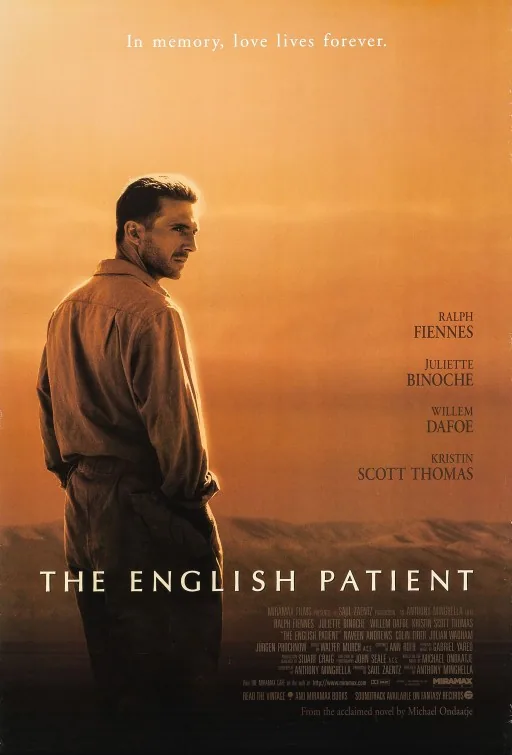
Near the end of the Second World War, a nurse tends a severely burned man in an abandoned Italian monastery while fragments of his earlier life emerge. His memories return to a desert mapping expedition, an affair with a married woman and decisions whose consequences cross wartime allegiances. Other displaced people briefly form a household around the patient's care, placing his consuming lost romance beside more tentative attempts to remain open to life.
Successive political upheavals interrupt a doctor's competing intimate commitments, leaving memory and artistic recognition to preserve connections that geography and state power have broken.
Why this matches +
These offer a related experience with a meaningful difference in story, tone, or presentation.
An adjacent discovery: a related idea with a different viewing experience.
Genres: Drama / Romance
Shared film traits
Based on recorded story, mood and style. Your preferences can change the order.
War and civilian life
What changes Lovers separated by war and political upheaval struggle to preserve a shared future amid forces beyond their control.
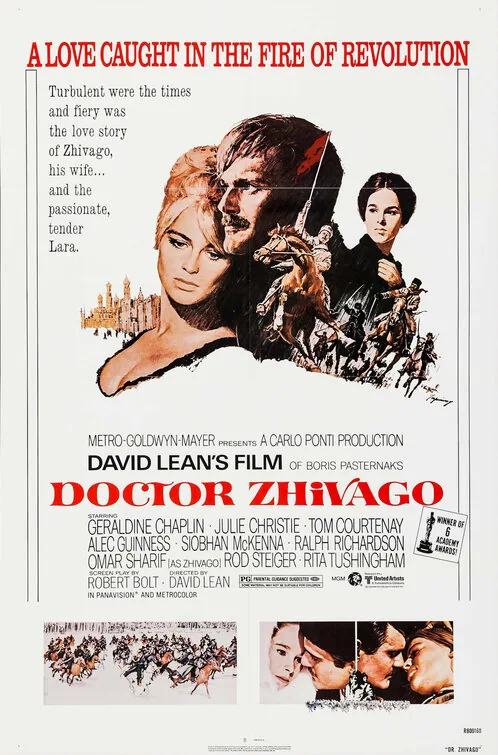
A doctor and poet's life becomes entangled with a woman he first encounters amid personal scandal and later meets through wartime medical work. Revolution and civil war repeatedly separate households, redirect travel and make private attachments subject to political suspicion. Their longing continues through choices that expose spouses, children and companions to different costs, while a later search for a lost daughter frames the uncertainty of what can be recovered from the lives history has dispersed. Its frame story turns Yuri and Lara’s private memory into the route through which a vast revolution is recalled.
A teenage affair resurfaces in a war-crimes trial, forcing Michael to reconcile private memory with Hanna's public culpability and concealed shame.
Why this matches +
These offer a related experience with a meaningful difference in story, tone, or presentation.
An adjacent discovery: a related idea with a different viewing experience.
Genres: Drama / Romance
Shared film traits
Based on recorded story, mood and style. Your preferences can change the order.
What changes An adult revisits a morally complicated relationship through memories shaped by wartime crimes, guilt and things left unsaid.
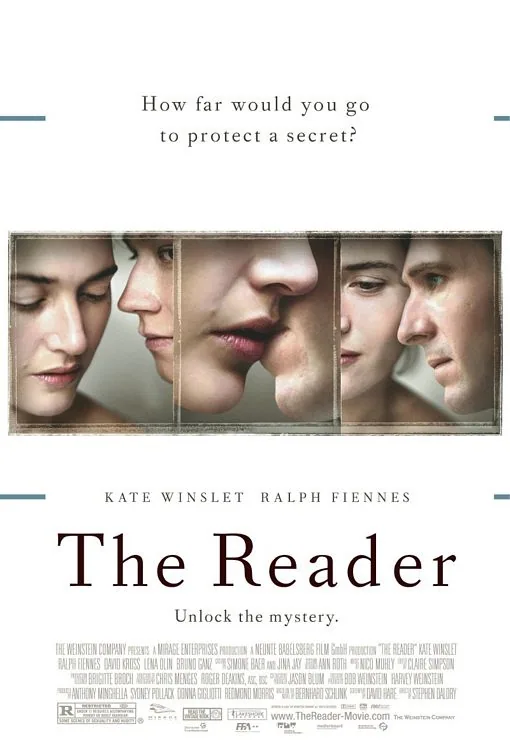
In 1958, fifteen-year-old Michael Berg begins a secret relationship with Hanna Schmitz, an older tram conductor who asks him to read aloud to her. Hanna disappears without explanation; years later, Michael sees her among former Nazi camp guards on trial for the deaths of prisoners during a death march. As a law student observing the proceedings, he recognizes details from their relationship and learns that shame about illiteracy is shaping how Hanna responds to the court. The revelation complicates Michael's memory of the affair without erasing the power imbalance or Hanna's crimes. He later records books for her in prison, but the connection remains defined by what he cannot say. The film links intimacy, literacy and postwar responsibility through one man's long, conflicted recollection.
A chance meeting becomes a recurring relationship constrained by schedules, marriage and social expectation.
Why this matches +
These offer a related experience with a meaningful difference in story, tone, or presentation.
An adjacent discovery: a related idea with a different viewing experience.
Genres: Romance / Drama
Shared film traits
Based on recorded story, mood and style. Your preferences can change the order.
What changes A love constrained by social expectations unfolds through private recollection and the painful limits of what the couple can choose.
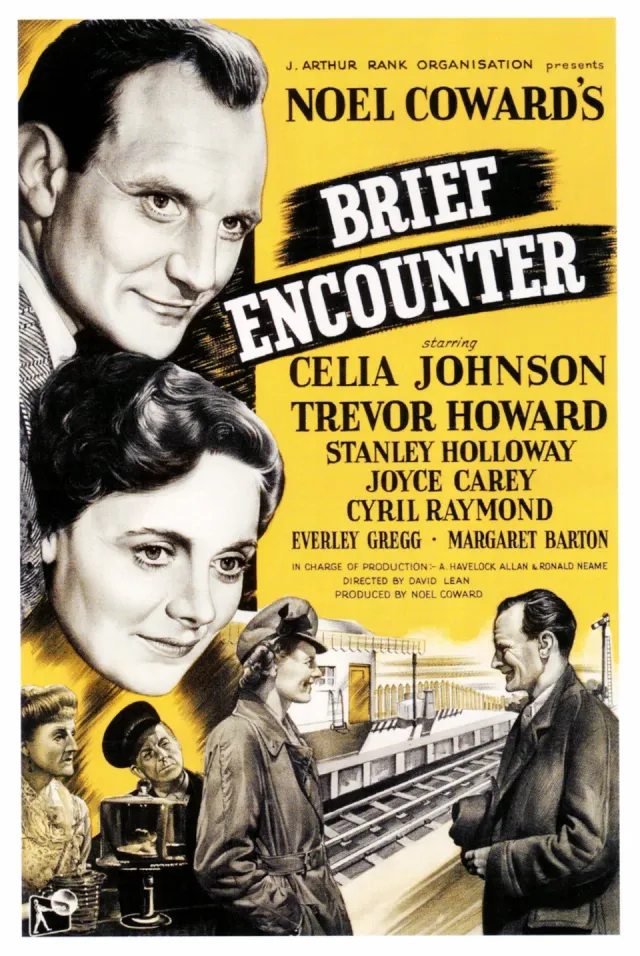
A married woman meets a doctor at a railway station and begins sharing afternoons with him during her weekly visits to town. Ordinary conversation develops into an attachment neither can easily reconcile with existing family commitments. Her recollection of their meetings turns small public spaces and limited time into the setting for an intensely private struggle between desire, responsibility and the impossibility of explaining herself.
Successive retellings of a forest encounter replace a stable reconstruction with contradictions shaped by each speaker's self-presentation.
Why this matches +
These offer a related experience with a meaningful difference in story, tone, or presentation.
An adjacent discovery: a related idea with a different viewing experience.
Genres: Crime / Drama
Shared film traits
Based on recorded story, mood and style. Your preferences can change the order.
What changes Conflicting accounts of an encounter reveal how perspective and self-interest can transform what others accept as truth.
Sheltering from rain at a ruined gate, several men discuss testimony concerning a violent encounter in a forest. A bandit, a woman, her dead husband through a medium, and another witness offer incompatible accounts of the same events. Each version rearranges agency, shame and honour, making the search for factual certainty inseparable from what people need their stories to say about themselves.
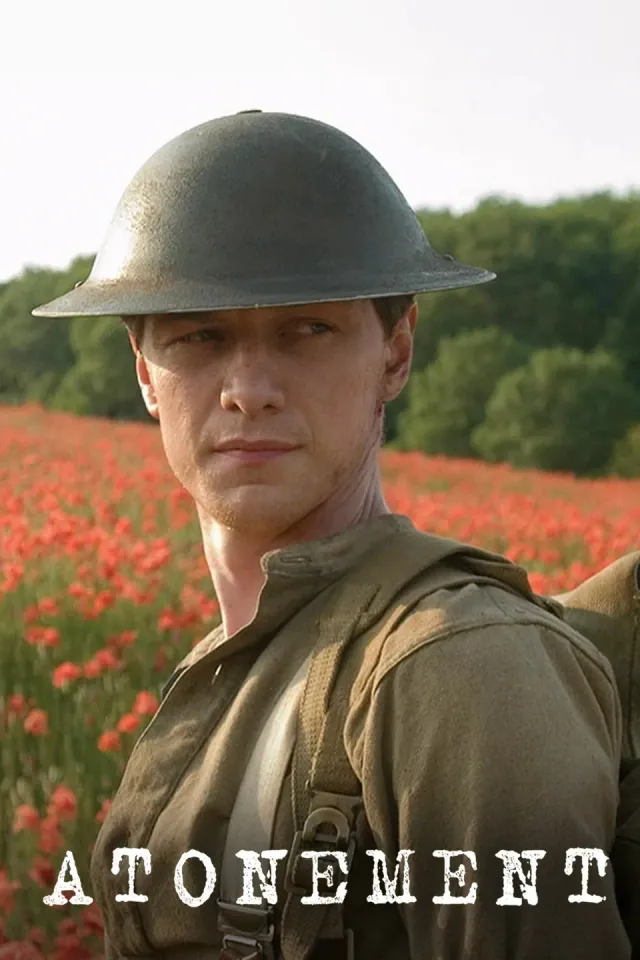
A young girl in an affluent English household misreads encounters between her older sister and the housekeeper's son, then gives testimony that converts private imagination into devastating institutional consequences. The separated couple's attempt to retain a future unfolds against prison, military service and wartime nursing. Later acts of narration revisit what can be known and repaired, exposing a gap between the consolations a story offers and the irreversible lives on which it depends.
What drives the story
A false accusation produced by limited observation and class assumptions creates a separation that later writing can revisit but cannot simply undo.
The people at its centre
The lovers' commitment exists alongside a younger witness's jealousy and interpretive certainty, while retrospective remorse tests the limits of claiming another person's story.
What it feels like
Shifting viewpoints, extended wartime sequences and carefully staged returns to earlier moments combine romantic intensity with increasing doubt about narrative reassurance.
Worth knowing
The final problem concerns authorship and irreparable responsibility, rather than a mystery whose corrected explanation automatically restores the injured people's lost future.