Both share themes of duty, plus a tense atmosphere.
Why this matches +
Genres: War / Drama
Shared film traits
Based on recorded story, mood and style. Your preferences can change the order.
War and civilian life
Expect tense and grave, with measured pacing.
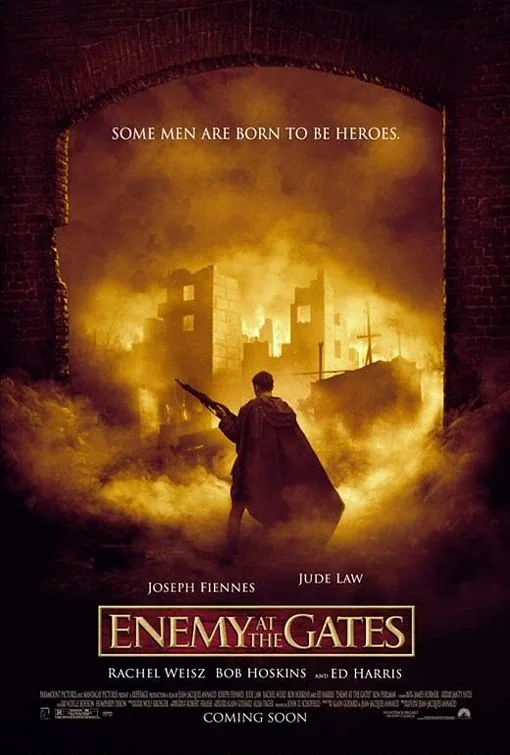
A Soviet soldier's skill as a sniper makes him valuable to a political officer seeking a figure who can restore morale in besieged Stalingrad. Public elevation draws an opposing marksman into a duel whose symbolic meaning exceeds the two men's immediate task. Friendship and romantic rivalry intersect with the machinery promoting the hero, making survival depend on seeing both an enemy's position and the expectations created by one's own side. A sniper duel narrows Stalingrad into personal suspense, subordinating the battle’s scale to a media and rivalry plot.
Based on recorded story, mood and style. Your preferences can change the order.
What changes The Duellists: measured, episodic and accumulative. The Last Duel: three-part and escalating.
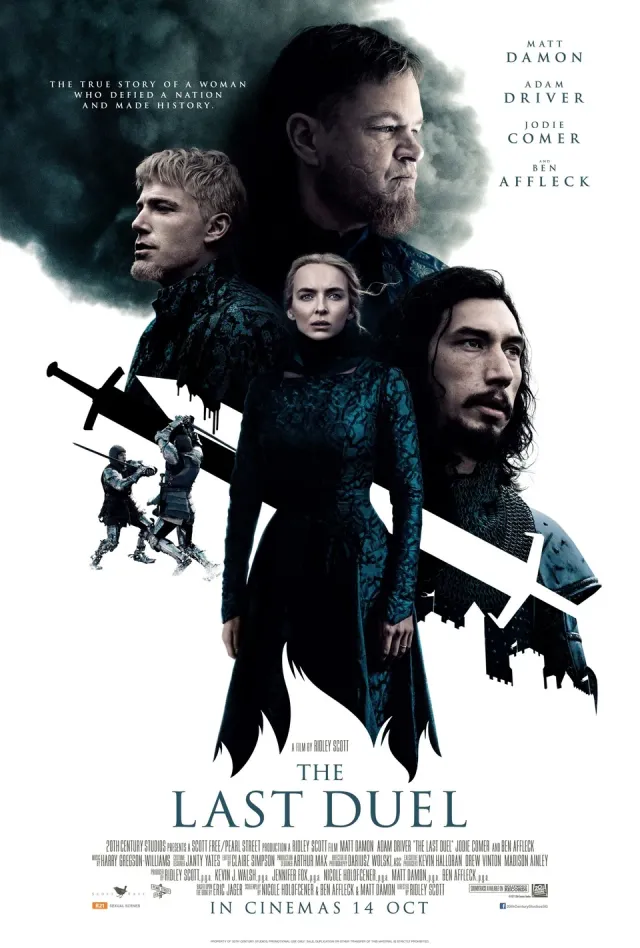
In medieval France, Jean de Carrouges accuses Jacques Le Gris of assaulting his wife Marguerite, and the claim is brought before the king. The film retells the events through three perspectives, revealing where memory, status and self-justification reshape the same encounters. As legal and social institutions fail to offer Marguerite a safe hearing, the impending duel becomes both a public judgment and a violent test of whose account will be believed.
Based on recorded story, mood and style. Your preferences can change the order.
War and civilian life
Expect reflective and somber, with measured pacing.
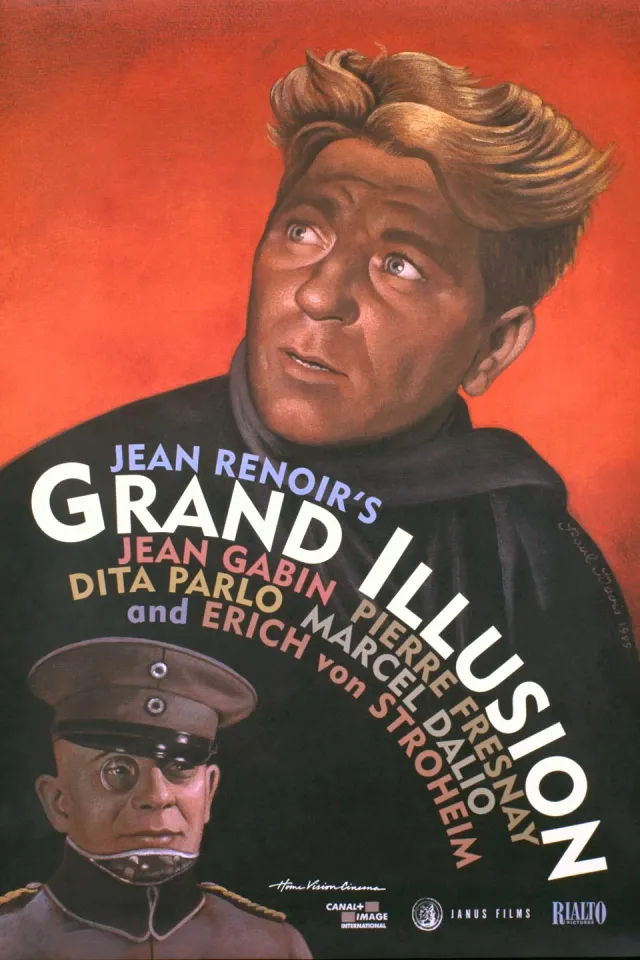
French officers held in German prisoner-of-war camps during the First World War form bonds that cross rank, nationality and class, but those bonds do not make their circumstances equal. Aristocratic captain de Boëldieu recognizes a shared code with German officer von Rauffenstein, while mechanic Maréchal and Jewish banker Rosenthal plan a more practical escape. The war’s changing fortunes expose the aristocrats’ fading social world and make the prisoners’ temporary solidarity less stable than it first appears. Renoir’s drama asks what holds people together when inherited class distinctions outlast formal declarations of fraternity. Its refuge story is humanist without presenting every character as interchangeable; Rosenthal’s Jewish identity and the contrasts in social mobility are central to what that humanism can and cannot include.
Based on recorded story, mood and style. Your preferences can change the order.
War and civilian life
What changes The Duellists: measured, episodic and accumulative. Troy: epic and intense.
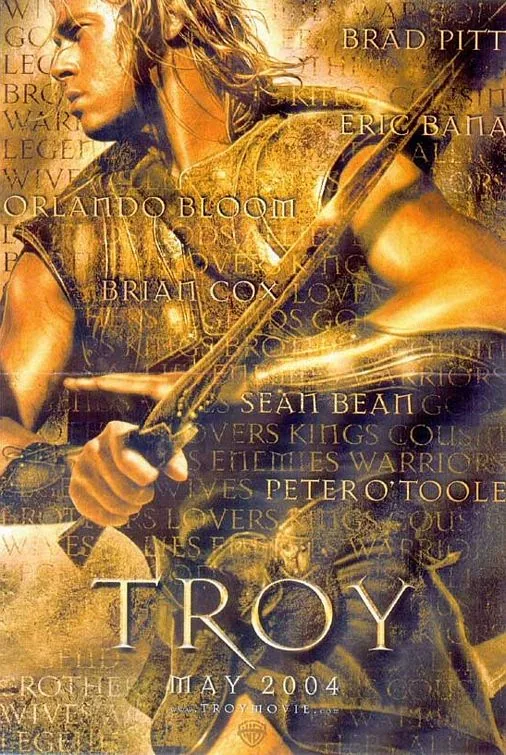
The departure of a prince and a married queen becomes the public cause for a Greek assault on Troy, but the expedition's leaders bring ambitions extending beyond the return of one woman. A celebrated warrior resists the king who needs his skill, while a Trojan defender attempts to protect a city whose fate is being shaped by family loyalty and political calculation. Personal attachment and the pursuit of lasting fame repeatedly expose others to consequences their champions cannot control.
Based on recorded story, mood and style. Your preferences can change the order.
War and civilian life
What changes The Duellists: measured, episodic and accumulative. Le vieux fusil: nonlinear, escalating and confrontational.
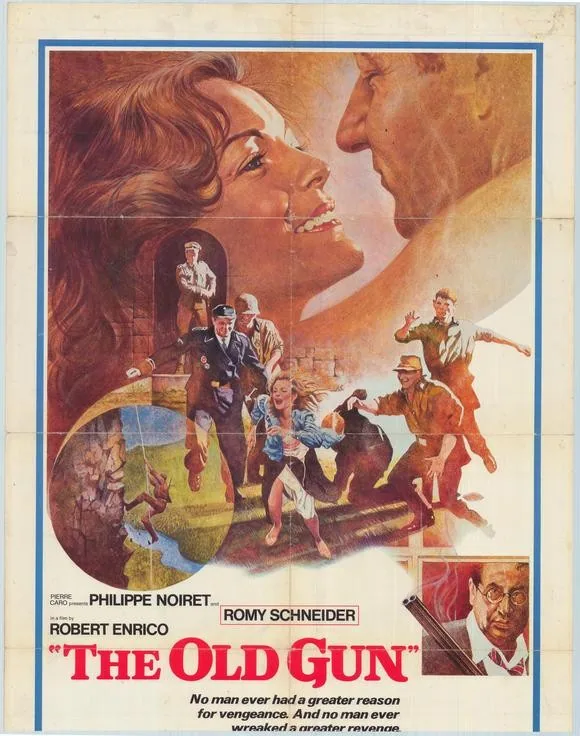
In occupied France, surgeon Julien Dandieu sends his wife Clara and daughter Florence to a remote family château, hoping to protect them from the advancing German forces. When he later finds the village massacred and his family dead, his pacifist convictions give way to a plan for revenge. Using the château's concealed passages and his old hunting rifle, he confronts the soldiers occupying the property, while flashbacks keep his former family life close to the violence.
Both share themes of duty, plus a tense atmosphere.
Why this matches +
Genres: Historical / War
Shared film traits
Based on recorded story, mood and style. Your preferences can change the order.
Both directed by Ridley Scott.
War and civilian life
Expect epic and somber, with measured pacing.
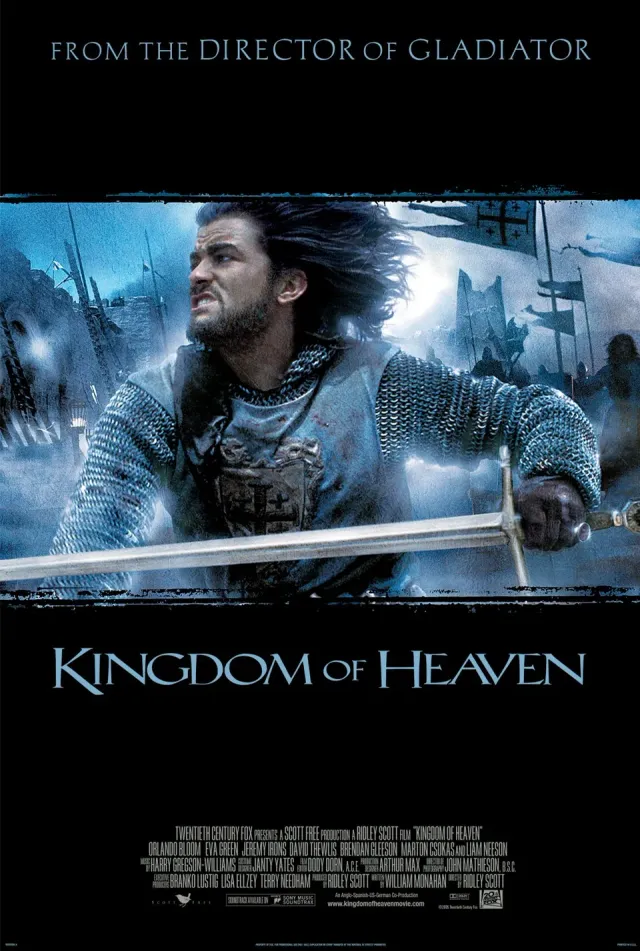
A grieving blacksmith follows his father toward Jerusalem, hoping to find meaning after personal loss. There he enters a fragile political settlement in which competing leaders use faith, honour and military power for incompatible ends. As aggression threatens the city, his obligations shift from earning spiritual absolution to protecting people whose survival depends on choices made by those claiming religious authority.
Based on recorded story, mood and style. Your preferences can change the order.
War and civilian life
What changes The Duellists is tagged austere and tense; Paths of Glory is tagged grave and angry.
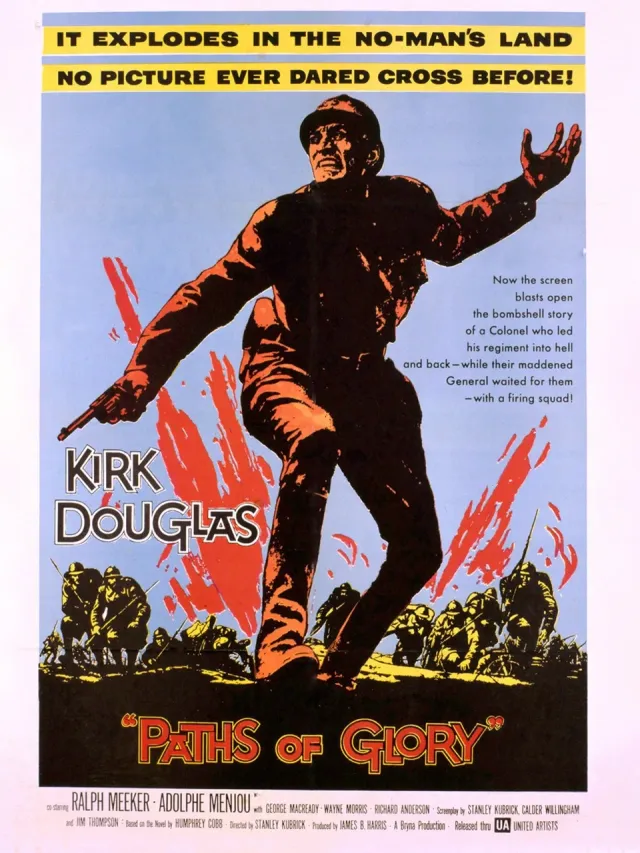
A French regiment is ordered into an attack that senior officers have little reason to expect it can survive. After failure, selected soldiers face trial for cowardice while their commander attempts to defend them. The proceedings expose a hierarchy more concerned with reputation and discipline than with the circumstances of the men whose lives it controls.
Based on recorded story, mood and style. Your preferences can change the order.
Expect atmospheric and bleak, with measured and slow burn pacing.
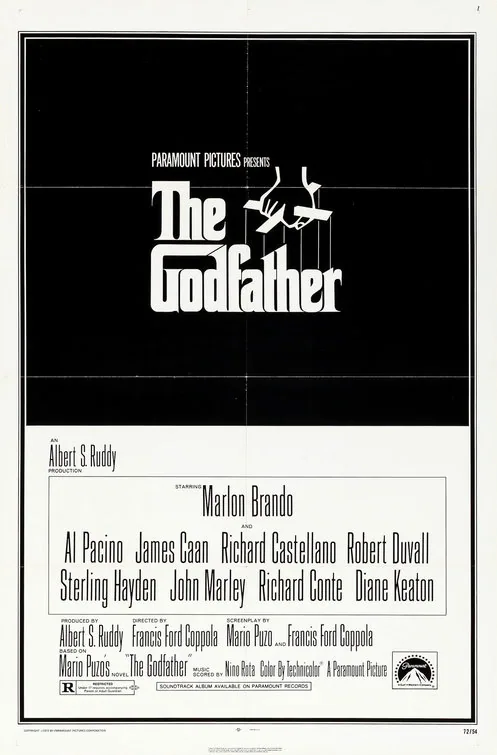
An organised-crime patriarch balances family celebration with requests for favours, presenting private authority as both protection and obligation. After an attack destabilises his position, the son who had planned a separate life becomes increasingly involved in defending the household. Each apparently necessary act draws that outsider further into a system where loyalty and power can make violence seem like care, while making genuine intimacy progressively harder to sustain.
Based on recorded story, mood and style. Your preferences can change the order.
War and civilian life
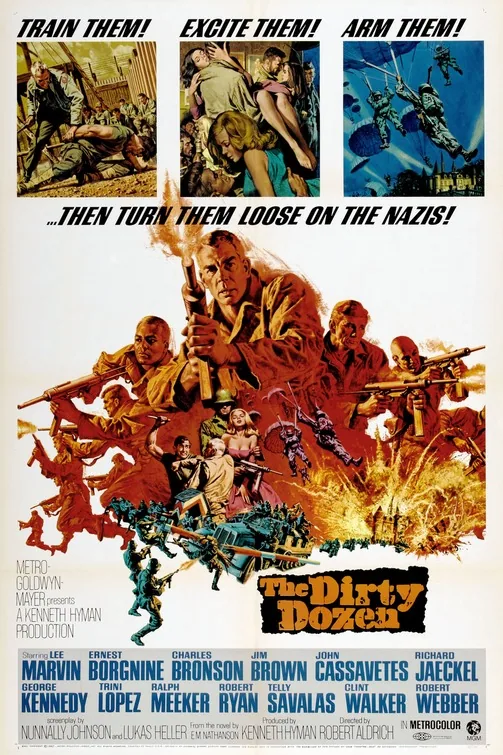
What changes The Duellists: measured, episodic and accumulative. The Dirty Dozen: training ensemble and mission escalation.
Army major John Reisman is ordered to train twelve military prisoners for a dangerous mission behind German lines before D-Day. The men have been convicted of serious crimes, and the deal is that survivors may receive amnesty. Reisman first has to make a hostile group follow orders, then prepare them to attack a château where German officers are gathered. Their training exposes rivalries and the limits of discipline; during the operation, a change in the target’s circumstances makes the plan more morally fraught than its briefing suggested. The mission depends on teamwork among men who distrust one another, while Reisman weighs the strategic objective against the cost of treating them as expendable weapons.
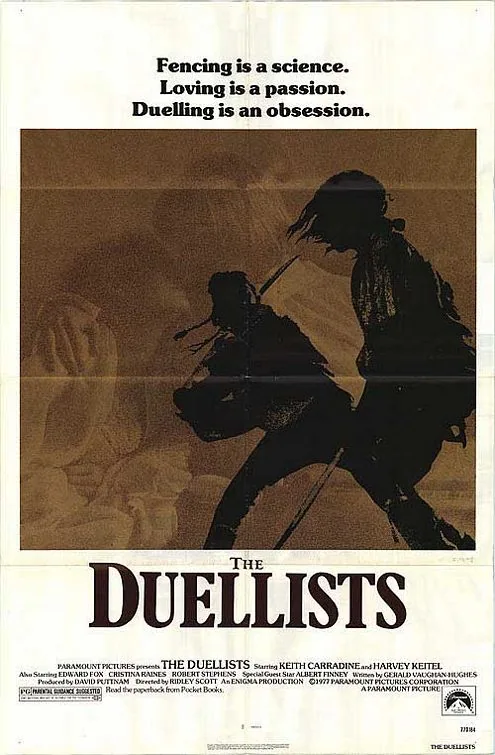
In Napoleonic-era France, an order to arrest fellow officer Gabriel Feraud sparks a personal grievance against Armand d'Hubert. Feraud insists on settling the matter through repeated duels, and their encounters recur across years of military service and political upheaval. D'Hubert tries to avoid a feud that threatens to dominate both men's lives, while Feraud treats each meeting as a question of honor. Campaigns and changing seasons frame their stubborn rivalry and eventual reckoning.
What drives the story
A slight perceived insult becomes a lifelong feud as two officers repeatedly return to the ritual of combat.
The people at its centre
D'Hubert seeks restraint and a life beyond the quarrel, while Feraud's fixation makes the rivalry central to his identity.
What it feels like
Quiet landscapes and carefully staged confrontations let time pass and give each duel cumulative weight.
Worth knowing
The drama follows an intimate personal rivalry across a military era; it is not an action-driven campaign.
HonorObsessionDuty
Mood
Austere · Tense · Reflective
Pacing
Measured · Episodic · Accumulative
Visual style
Painterly · Natural light · Period detail · Landscape compositions
Storytelling
Rivalry · Repeated duels · Military life · Passing time