Successive retellings of a forest encounter replace a stable reconstruction with contradictions shaped by each speaker's self-presentation.
Why this matches +
These films share important themes, atmosphere or storytelling interests with this selection.
Genres: Crime / Drama
Shared film traits
Based on recorded story, mood and style. Your preferences can change the order.
What changes Its own story: Successive retellings of a forest encounter replace a stable reconstruction with contradictions shaped by each speaker's self-presentation.
Sheltering from rain at a ruined gate, several men discuss testimony concerning a violent encounter in a forest. A bandit, a woman, her dead husband through a medium, and another witness offer incompatible accounts of the same events. Each version rearranges agency, shame and honour, making the search for factual certainty inseparable from what people need their stories to say about themselves.
A domestic arrangement produces a disputed incident whose interpretation threatens two families' futures.
Why this matches +
These films share important themes, atmosphere or storytelling interests with this selection.
Genres: Drama
Shared film traits
Based on recorded story, mood and style. Your preferences can change the order.
What changes Its own story: A domestic arrangement produces a disputed incident whose interpretation threatens two families' futures.
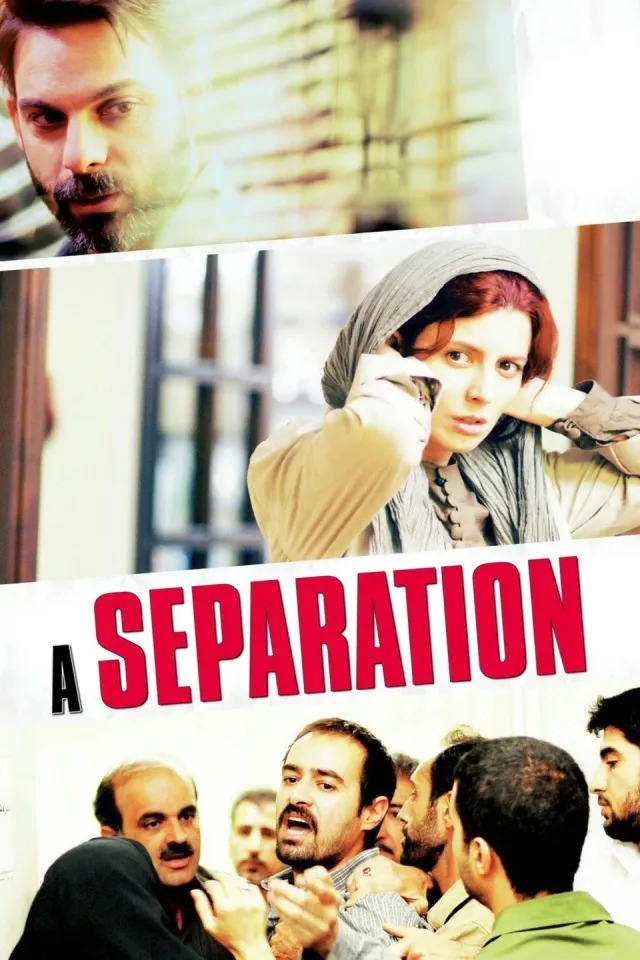
A couple's disagreement about leaving Iran leads to a household separation and the hiring of a caregiver for an elderly father. An incident between the caregiver and the husband produces accusations whose consequences reach both families. Class, religious obligation and partial knowledge complicate every account, while a daughter is pressed to navigate loyalties that the adults cannot reconcile.
The first plea bargain protects the perpetrators from public scrutiny; reopening the case makes the witnesses' participation, not Sarah's past, central evidence.
Why this matches +
These films share important themes, atmosphere or storytelling interests with this selection.
Genres: Crime / Drama
Shared film traits
Based on recorded story, mood and style. Your preferences can change the order.
What changes Its own story: The first plea bargain protects the perpetrators from public scrutiny; reopening the case makes the witnesses' participation, not Sarah's past, central evidence.
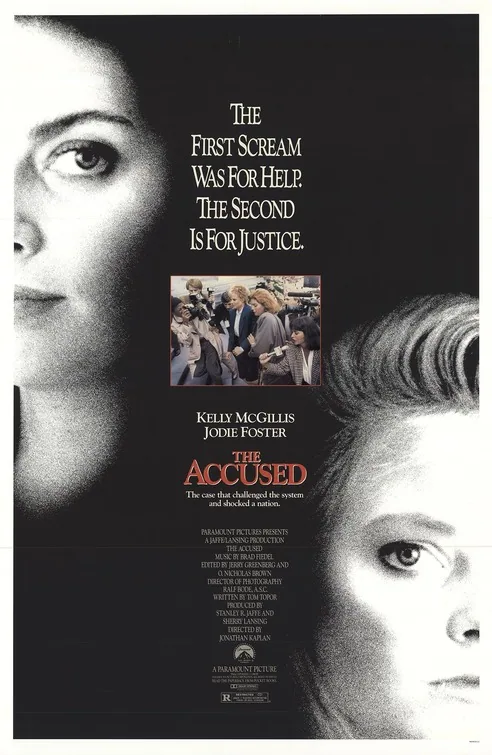
After Sarah Tobias is gang-raped at a bar, assistant district attorney Katheryn Murphy negotiates a plea deal that avoids a trial and reduces the attackers' charges. Sarah feels that the agreement silences her, especially when the men who encouraged the assault remain uncharged. When one of those bystanders later harasses her, she confronts him and is arrested. Katheryn then reopens the case and builds a prosecution around the witnesses who participated in the violence. Their courtroom effort shifts attention from Sarah's behavior to the men who chose to attack and assist them.
An unexplained death becomes a trial in which scraps of domestic life are assembled into incompatible accounts. The legal process seeks a verdict, but the film keeps the event's physical cause unresolved for viewers.
Why this matches +
These films share important themes, atmosphere or storytelling interests with this selection.
Genres: Drama / Thriller
Shared film traits
Based on recorded story, mood and style. Your preferences can change the order.
What changes Its own story: An unexplained death becomes a trial in which scraps of domestic life are assembled into incompatible accounts. The legal process seeks a verdict, but the film keeps the event's physical cause unresolved for viewers.
When writer Samuel is found dead outside the family's remote Alpine home, the police question whether he fell, died by suicide or was killed, and his wife Sandra becomes the main suspect. Their son Daniel, who is visually impaired, is drawn into a trial that turns private conversations, recorded arguments and the couple's uneven marriage into public evidence. Translation and interpretation complicate what witnesses can claim to know. The film lets the courtroom organize competing stories without making one account settle the death, so its suspense comes from judgment under uncertainty as much as from the mystery.
A child’s confused statement triggers suspicion, but the community’s reaction quickly becomes a second punishment Lucas cannot escape through ordinary explanation. The film aligns viewers with his innocence while preserving an unsettling residue of uncertainty at the end.
Why this matches +
These films share important themes, atmosphere or storytelling interests with this selection.
Genres: Drama
Shared film traits
Based on recorded story, mood and style. Your preferences can change the order.
What changes Its own story: A child’s confused statement triggers suspicion, but the community’s reaction quickly becomes a second punishment Lucas cannot escape through ordinary explanation. The film aligns viewers with his innocence while preserving an unsettling residue of uncertainty at the end.
Lucas, a divorced kindergarten teacher trying to rebuild his relationship with his teenage son, becomes the focus of suspicion after a young pupil’s confused statement is interpreted as abuse. As the allegation spreads through a close-knit Danish community, Lucas loses his job, friends and ordinary access to public life despite his denials. The film stays close to his experience of social rejection and the community’s fear, showing how uncertainty hardens when people repeat it. It strongly positions viewers to see the accusation as mistaken, but its single fictional case is not a general account of abuse investigations or children’s testimony. The unresolved final beat keeps social suspicion alive after the community appears ready to move on.
The vote gives each woman a formal voice in a crisis shaped by coercion.
Why this matches +
These films share important themes, atmosphere or storytelling interests with this selection.
Genres: Drama
Shared film traits
Based on recorded story, mood and style. Your preferences can change the order.
What changes Its own story: The vote gives each woman a formal voice in a crisis shaped by coercion.
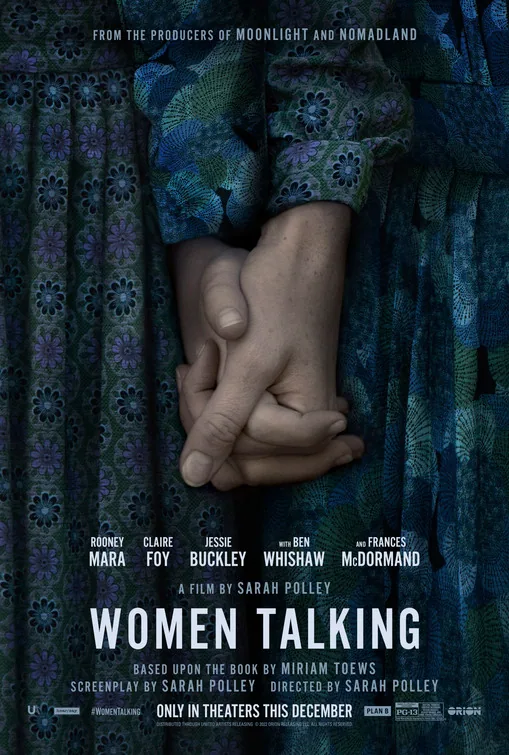
Women in an isolated Mennonite colony gather after discovering that men have drugged and sexually assaulted them. With the perpetrators absent, they debate whether to stay, fight, or leave, weighing faith, safety, family, and the future of their children. The drama centers collective deliberation rather than depicting violence as spectacle, asking how a community can make a decision when its inherited rules have failed to protect it.
Clare pursues the soldiers who harmed her, relying on Billy to navigate a dangerous colonial frontier.
Why this matches +
These films share important themes, atmosphere or storytelling interests with this selection.
Genres: Drama / Thriller
Shared film traits
Based on recorded story, mood and style. Your preferences can change the order.
What changes Its own story: Clare pursues the soldiers who harmed her, relying on Billy to navigate a dangerous colonial frontier.
In 1825 colonial Tasmania, Clare is an Irish convict seeking release from service under a British officer whose unit controls her future. When violence destroys what she hoped to build, she sets out after the men responsible and hires Billy, an Aboriginal tracker, to guide her through the wilderness. Their journey becomes an uneasy partnership shaped by grief, colonial power, racial violence, and the different histories each carries.
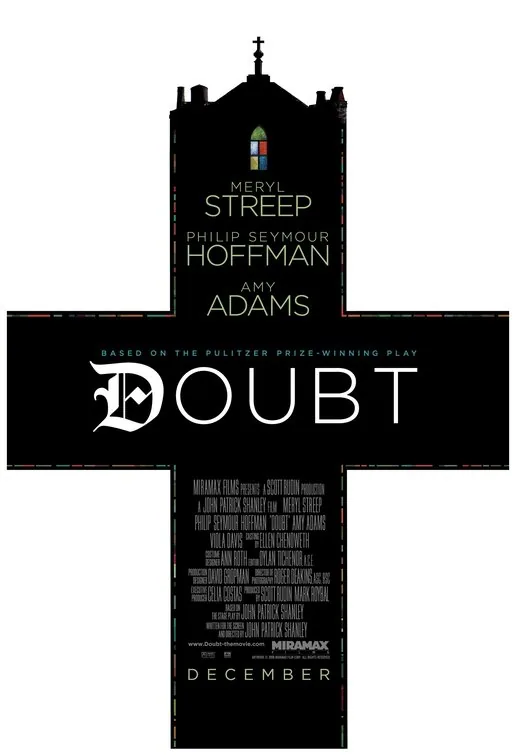
Suspicion leads a school leader to confront a more institutionally protected colleague, making the demand to act before proof collides with the risk of mistaking conviction for knowledge. A limited set of observations is interpreted by people with unequal authority and incompatible ideas of protection.
Why this matches +
These films share important themes, atmosphere or storytelling interests with this selection.
Genres: Drama
Shared film traits
Based on recorded story, mood and style. Your preferences can change the order.
What changes Its own story: Suspicion leads a school leader to confront a more institutionally protected colleague, making the demand to act before proof collides with the risk of mistaking conviction for knowledge. A limited set of observations is interpreted by people with unequal authority and incompatible ideas of protection.
At a Bronx Catholic school in 1964, a principal becomes convinced that a priest's relationship with a vulnerable student conceals misconduct. A younger teacher's observations provide troubling signs without a settled explanation, while the boy's mother faces dangers that do not fit the principal's preferred moral choices. Institutional rank and the fear of failing a child turn a dispute over evidence into an encounter with the cost of certainty, without supplying a definitive account of what occurred.
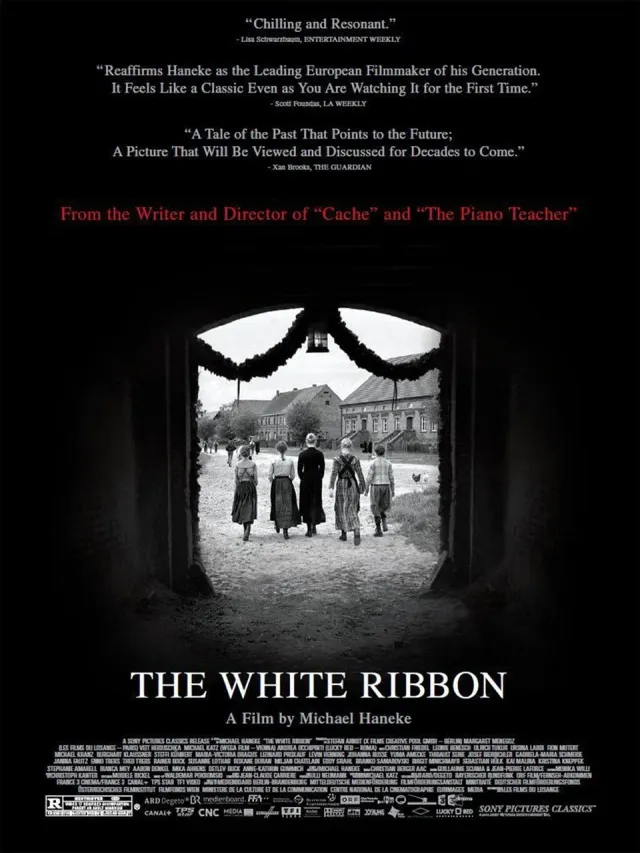
A string of unexplained injuries and acts of damage exposes a village where adult authority depends on fear and punishment.
Why this matches +
These films explore a related idea in a different setting, genre or style.
An adjacent discovery: a related idea with a different viewing experience.
Genres: Drama / Historical
Shared film traits
Based on recorded story, mood and style. Your preferences can change the order.
What changes Its own story: A string of unexplained injuries and acts of damage exposes a village where adult authority depends on fear and punishment.
In a Protestant village in northern Germany shortly before World War I, a doctor is injured when his horse trips over a wire, and a series of other disturbing incidents unsettles the community. The schoolteacher narrates events as he remembers them, including the abuse and rigid discipline imposed by adults, the baron’s household and the children’s choral group. Suspicion moves through the village, but the events are never conclusively assigned to a single culprit. The film connects private cruelty with social authority while preserving the limits of what its older narrator can know. The adults’ punishments are visible, while the identities and motives behind the attacks remain uncertain.
A pact between two strategists turns sexual reputation into leverage, then becomes unstable when one participant develops an attachment that threatens their performance of control.
Why this matches +
These films explore a related idea in a different setting, genre or style.
An adjacent discovery: a related idea with a different viewing experience.
Genres: Drama / Romance
Shared film traits
Based on recorded story, mood and style. Your preferences can change the order.
What changes Its own story: A pact between two strategists turns sexual reputation into leverage, then becomes unstable when one participant develops an attachment that threatens their performance of control.
In pre-revolutionary aristocratic society, former lovers Merteuil and Valmont make seduction a contest and a tool for revenge. Their targets include the young Cécile and the devout Madame de Tourvel, whose reputations are more vulnerable than those of the people manipulating them. Valmont's genuine attachment complicates the game but does not turn coercion into courtship, while Merteuil's awareness of gendered restriction does not excuse her use of others. Letters, manners and public exposure make power appear elegant until the consequences become visible. Letters allow Merteuil and Valmont to stage, record and later expose their private contests.
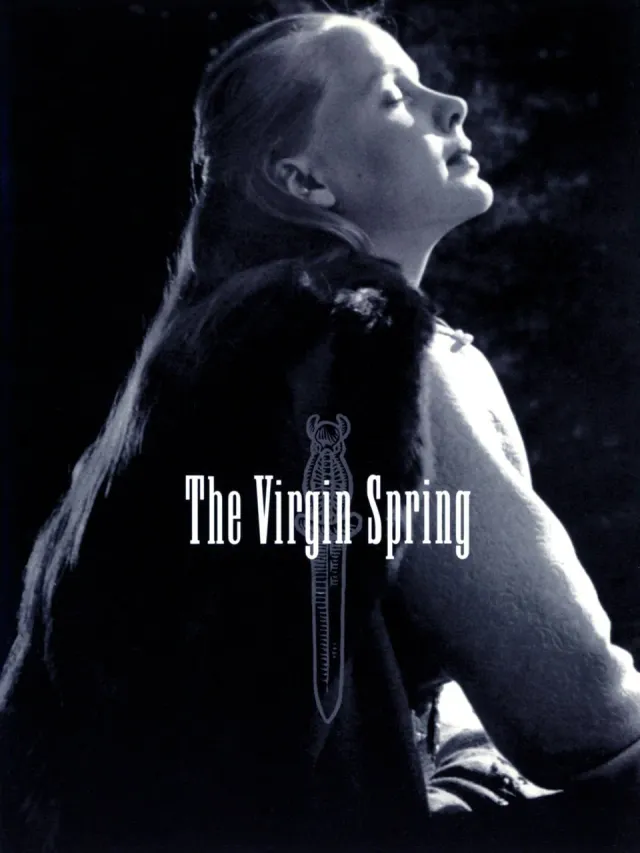
A daughter’s murder brings the violence of the road into the family home, where a grieving father must decide how to answer it.
Why this matches +
These films explore a related idea in a different setting, genre or style.
An adjacent discovery: a related idea with a different viewing experience.
Genres: Drama
Shared film traits
Based on recorded story, mood and style. Your preferences can change the order.
What changes Its own story: A daughter’s murder brings the violence of the road into the family home, where a grieving father must decide how to answer it.
In medieval Sweden, farmer Töre and his wife Märeta send their teenage daughter Karin to deliver candles to a church, accompanied by their foster daughter Ingeri. Karin’s confidence and privilege contrast with Ingeri’s resentment and foreboding. On the road, Ingeri leaves Karin alone, and three herdsmen assault and kill her before seeking shelter at Töre’s farm without recognizing their hosts. When the truth emerges, Töre’s grief becomes a deliberate act of revenge. The final image introduces a religious miracle but does not erase the violence or settle the moral cost of vengeance. The film leaves the miracle as a religious image beside human violence, not a resolution that cancels it.
Hal’s transformation is driven by decisions about responsibility rather than a sudden appetite for power.
Why this matches +
These films explore a related idea in a different setting, genre or style.
An adjacent discovery: a related idea with a different viewing experience.
Genres: Drama / History
Shared film traits
Based on recorded story, mood and style. Your preferences can change the order.
What changes Its own story: Hal’s transformation is driven by decisions about responsibility rather than a sudden appetite for power.
Prince Hal prefers taverns and the company of Falstaff to the court, but his father’s death forces him onto the English throne. As Henry V, he faces rebellion at home and a campaign in France while confronting the burdens of authority and the consequences of choosing whom to trust. David Michôd gives the Shakespeare-inspired history a somber, muddy visual texture and a restrained account of a young ruler becoming a wartime king.
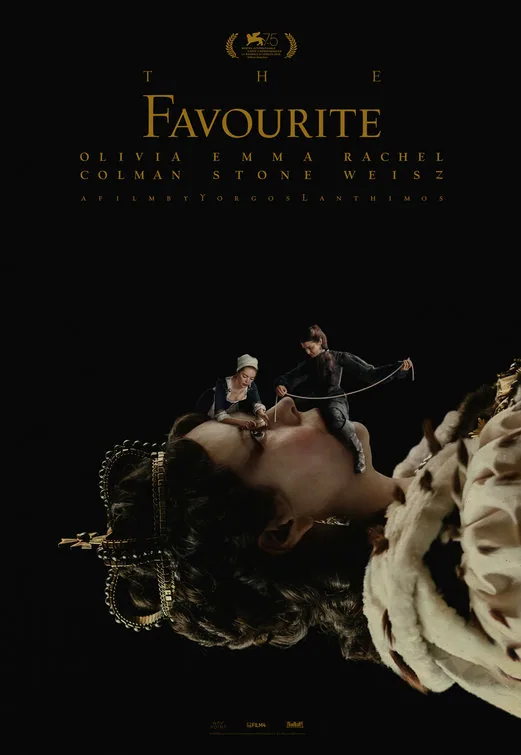
Two women compete for proximity to a ruler whose emotional and physical needs determine political access.
Why this matches +
These films explore a related idea in a different setting, genre or style.
An adjacent discovery: a related idea with a different viewing experience.
Genres: Drama / Comedy
Shared film traits
Based on recorded story, mood and style. Your preferences can change the order.
What changes Its own story: Two women compete for proximity to a ruler whose emotional and physical needs determine political access.
At the court of an ailing queen, a powerful confidante manages both political business and an intimate bond with the monarch. A newly arrived cousin uses apparent vulnerability to secure a position and challenge that influence. Their rivalry makes affection, bodily care and access to power difficult to distinguish, with state decisions shaped by intensely personal competition.
An exiled prince infiltrates his uncle’s household to fulfill a childhood oath of vengeance after his father’s murder.
Why this matches +
These films explore a related idea in a different setting, genre or style.
An adjacent discovery: a related idea with a different viewing experience.
Genres: Action / Drama
Shared film traits
Based on recorded story, mood and style. Your preferences can change the order.
What changes Its own story: An exiled prince infiltrates his uncle’s household to fulfill a childhood oath of vengeance after his father’s murder.
As a child, Amleth watches a coup tear apart his family and escapes with a vow to avenge his father. Years later he infiltrates the household of the uncle who seized power, where memories of violence compete with a future that might ask him to stop. The film’s saga-like journey binds revenge to inherited ritual, bodily ordeal and the cost of living by prophecy.
The year-long beheading bargain gives Gawain a fixed destination; the encounters along the road test whether he can meet its consequence without evasion.
Why this matches +
These films explore a related idea in a different setting, genre or style.
An adjacent discovery: a related idea with a different viewing experience.
Genres: Medieval / Speculative fiction
Shared film traits
Based on recorded story, mood and style. Your preferences can change the order.
What changes Its own story: The year-long beheading bargain gives Gawain a fixed destination; the encounters along the road test whether he can meet its consequence without evasion.
On Christmas at Camelot, King Arthur’s nephew Gawain accepts a supernatural challenger’s beheading game, agreeing to receive the same blow in a year. He travels to the Green Chapel to honour the bargain, passing through tests of courage, temptation and self-preservation that unsettle his idea of what a knight should be. The journey becomes stranger and more inward than a conventional quest, and Gawain must decide whether keeping his life at any cost counts as keeping his word. David Lowery’s adaptation uses the medieval romance as a dreamlike character study rather than a clean heroic adventure.
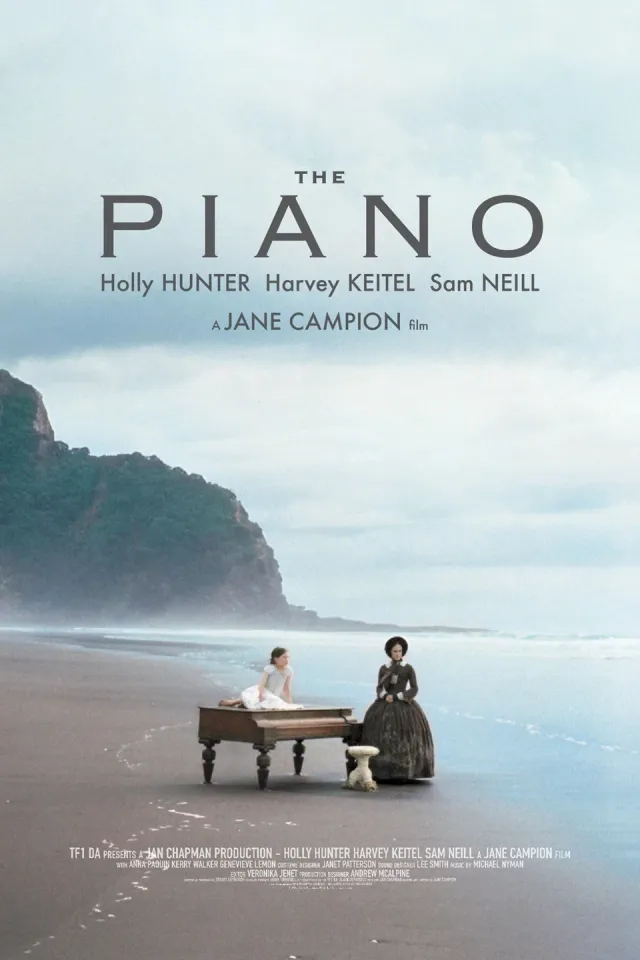
A piano left on the shore becomes the object of a bargain that draws Ada into a relationship outside her arranged marriage and intensifies her husband's control.
Why this matches +
These films explore a related idea in a different setting, genre or style.
An adjacent discovery: a related idea with a different viewing experience.
Genres: Drama / Romance
Shared film traits
Based on recorded story, mood and style. Your preferences can change the order.
What changes Its own story: A piano left on the shore becomes the object of a bargain that draws Ada into a relationship outside her arranged marriage and intensifies her husband's control.
Mute Scottish pianist Ada McGrath arrives in colonial New Zealand with her daughter Flora and her piano for an arranged marriage to settler Alisdair Stewart. When the piano is left on the beach, Ada persuades neighbor George Baines to retrieve it, and he makes a bargain: she can play it at his home if she gives him lessons. Their private meetings turn into an affair, while Alisdair's response to Ada's desire becomes increasingly controlling. Flora moves between interpreting for her mother and acting on loyalties of her own, changing the balance of power. Jane Campion's story links communication, erotic desire and colonial property, but the central woman's limited speech should not obscure the unequal conditions in which the men negotiate her choices.
Criminalization and the pregnancy's concealed stage give the provider leverage to demand sex rather than accept payment, turning practical help into an ordeal that the helping friend must manage herself.
Why this matches +
These films explore a related idea in a different setting, genre or style.
An adjacent discovery: a related idea with a different viewing experience.
Genres: Drama
Shared film traits
Based on recorded story, mood and style. Your preferences can change the order.
What changes Its own story: Criminalization and the pregnancy's concealed stage give the provider leverage to demand sex rather than accept payment, turning practical help into an ordeal that the helping friend must manage herself.
In late communist Romania, Otilia helps her roommate arrange an illegal abortion while carrying most of the work of finding money, a room and a provider. Inaccurate information narrows their options, allowing the man they depend on to impose increasingly coercive terms. Moving between the hotel, public transport and an ordinary family dinner, Otilia must absorb a private emergency that the surrounding social world either exploits or barely notices, straining solidarity without making abandonment an easy choice.
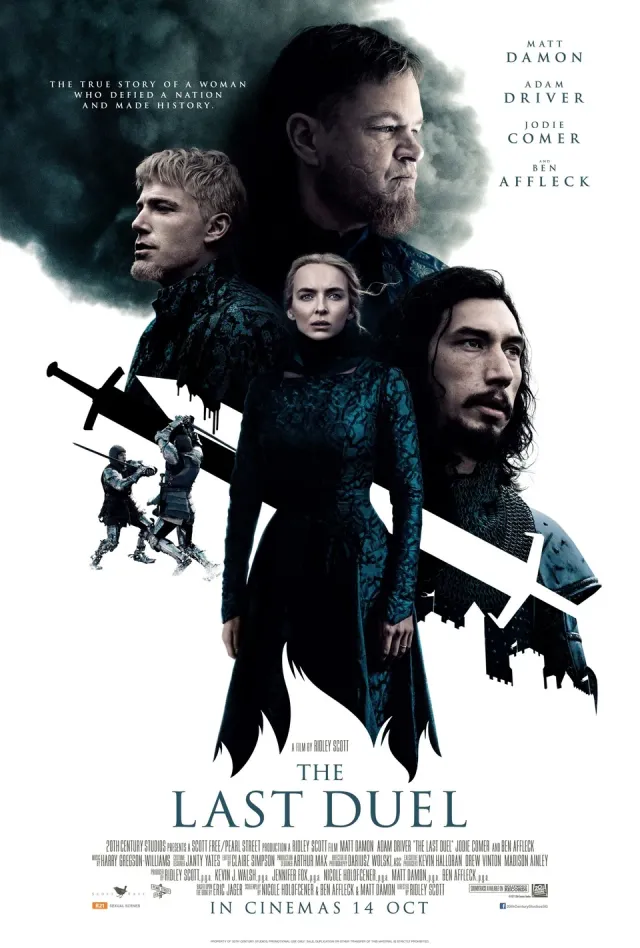
In medieval France, Jean de Carrouges accuses Jacques Le Gris of assaulting his wife Marguerite, and the claim is brought before the king. The film retells the events through three perspectives, revealing where memory, status and self-justification reshape the same encounters. As legal and social institutions fail to offer Marguerite a safe hearing, the impending duel becomes both a public judgment and a violent test of whose account will be believed.
What drives the story
An accusation in medieval France leads to a legally sanctioned duel after conflicting accounts are presented.
The people at its centre
Marguerite's testimony is framed against a social order that grants men control over her safety and reputation.
What it feels like
Repeated events shift meaning across chapters, making perspective and self-serving memory part of the structure.
Worth knowing
It treats a historical duel as the outcome of contested testimony and institutional failure.
JusticePowerTruth
Mood
Grim · Intense · Reflective
Pacing
Three-part · Escalating
Visual style
Period realism · Muted landscapes · Perspective shifts
Storytelling
Conflicting testimony · Medieval law · Trial by combat