A confessed killing appears straightforward until the defense builds its case around the wife's allegation and a contested legal category. The trial tests how language can authorize or constrain what the jury hears.
Why this matches +
Selected for the central appeal: Courtroom mysteries about uncertain evidence, private relationships and competing accounts of death.
Genres: Crime / Drama
Shared film traits
Based on recorded story, mood and style. Your preferences can change the order.
Investigation
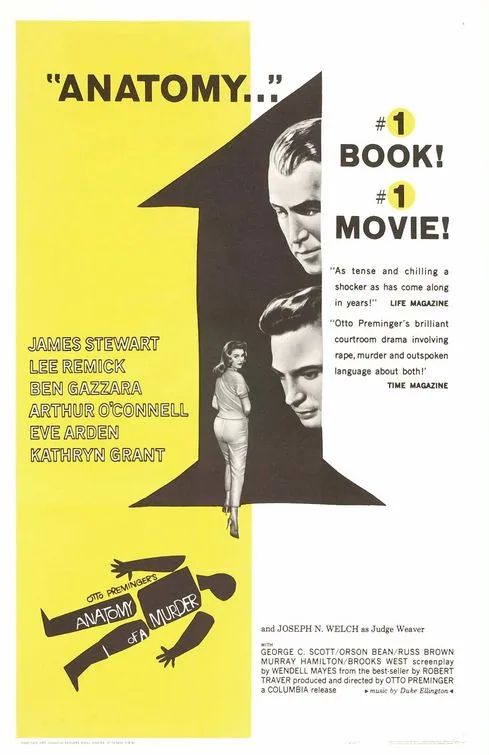
What changes Anatomy of a Murder uses a trial and conflicting testimony to examine how a killing is reconstructed.
When Lieutenant Frederick Manion admits killing tavern owner Barney Quill, defense lawyer Paul Biegler takes the case after Manion's wife says Quill raped her. In court, the account of the killing and the limits of what the law will allow become matters of strategy, euphemism and performance. Biegler's team contests the prosecution while the defendant's own motives remain difficult to read. Otto Preminger's film is notable for giving legal argument time and texture, but its courtroom procedure is a dramatic construction rather than a guide to how every real trial works.
A violent intrusion and an apartment's hidden history provoke a search for the responsible person, but the pursuit itself becomes a conflict within the marriage.
Why this matches +
Selected for the central appeal: Courtroom mysteries about uncertain evidence, private relationships and competing accounts of death.
Genres: Drama / Thriller
Shared film traits
Based on recorded story, mood and style. Your preferences can change the order.
Investigation
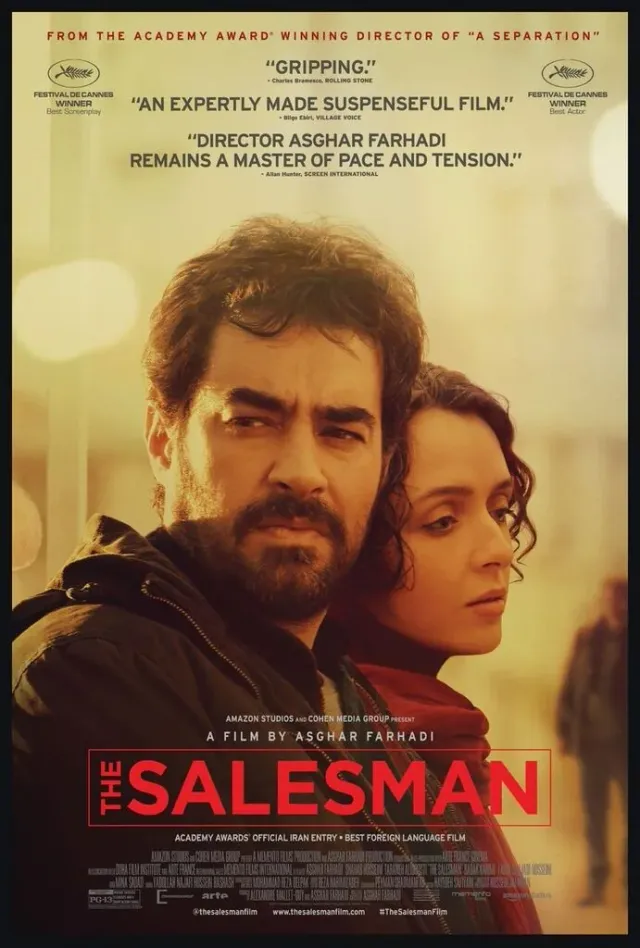
What changes The Salesman examines a marriage under strain as a traumatic incident leads to competing moral judgments.
Literature teacher Emad and his wife Rana are rehearsing Death of a Salesman when structural damage forces them from their Tehran apartment into a flat whose previous tenant has left unresolved complications. After an incident while Rana is alone, Emad becomes intent on identifying the person responsible, while Rana is more concerned with recovering a sense of safety and privacy. The couple's different responses place pressure on both their marriage and their theatrical work, which starts to mirror the play's themes of pride, dignity and public failure. Emad's investigation leads him to an older man connected to the apartment's past. Rather than leave the matter to the authorities or accept Rana's wishes, he engineers a private confrontation that shifts the story from mystery toward moral reckoning.
A disappearance investigation becomes a struggle over competing narratives whose power depends on the expectations of police, family and a watching public.
Why this matches +
These offer a related experience with a meaningful difference in story, tone, or presentation.
An adjacent discovery: a related idea with a different viewing experience.
Genres: Crime / Drama
Shared film traits
Based on recorded story, mood and style. Your preferences can change the order.
Investigation
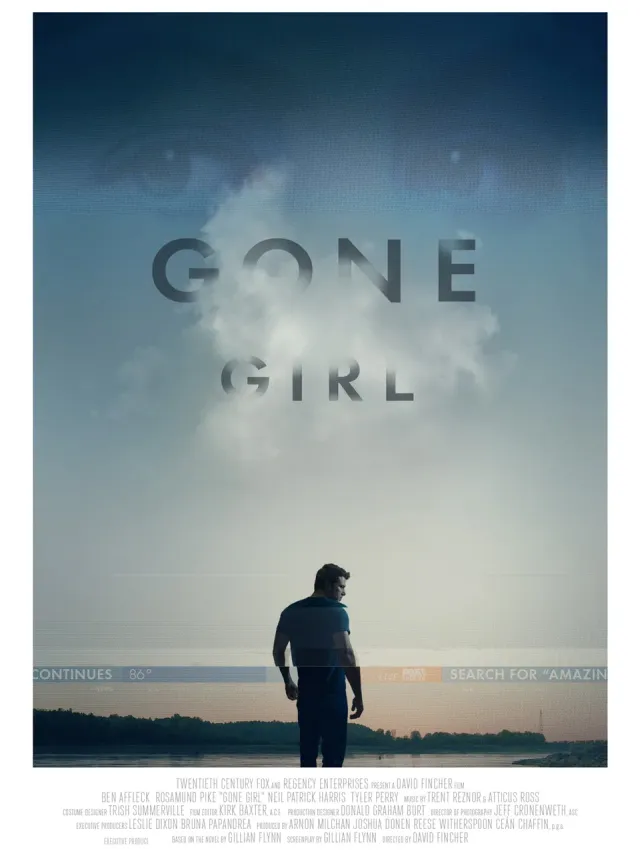
What changes Gone Girl turns a troubled marriage and a suspicious disappearance into a contest over public narratives.
A man's report that his wife has disappeared from their Missouri home draws investigators and a national audience into a marriage already strained by disappointment and resentment. Evidence and recollected accounts create a public narrative that he cannot control simply by insisting on his own explanation. Shifting access to information exposes how intimacy, performance and the market for a compelling victim story can turn a relationship into a contest over who gets to define what everyone else believes.
The film's engine follows procedure becomes suspense because the case turns on what can be established; this keeps the stakes tied to observable choices.
Why this matches +
These offer a related experience with a meaningful difference in story, tone, or presentation.
An adjacent discovery: a related idea with a different viewing experience.
Genres: Crime / Thriller
Shared film traits
Based on recorded story, mood and style. Your preferences can change the order.
Investigation
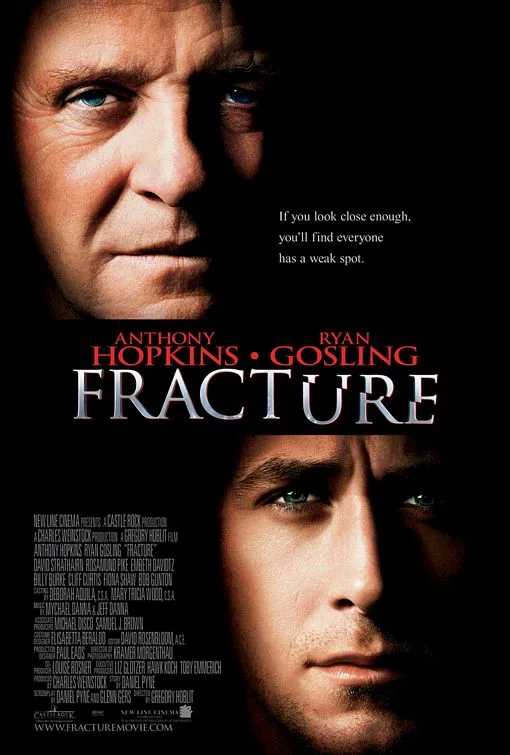
What changes Fracture follows a criminal case in which physical evidence and a carefully constructed account are contested.
A wealthy engineer is arrested after a shooting, but the case against him proves more complicated than the young prosecutor expects. As the defendant exploits procedural gaps and manipulates what can be proven, the prosecutor must reconsider the evidence and his own confidence. The thriller plays as a controlled legal cat-and-mouse game about strategy and conviction.
The film’s central action is Conrad’s attempt to live with grief, while the family’s outward order repeatedly blocks honest mourning.
Why this matches +
These offer a related experience with a meaningful difference in story, tone, or presentation.
An adjacent discovery: a related idea with a different viewing experience.
Genres: Drama
Shared film traits
Based on recorded story, mood and style. Your preferences can change the order.
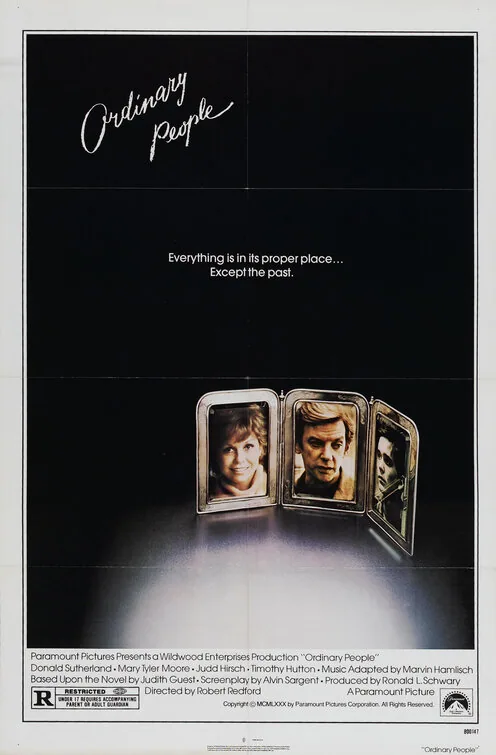
What changes Ordinary People explores the strain of grief and concealed resentment within a family.
After the accidental drowning death of their eldest son Buck, the affluent Jarrett family tries to resume ordinary routines. Younger son Conrad returns home after a suicide attempt and psychiatric hospitalization, struggling with guilt and the belief that he should have died instead. Therapy with Dr. Berger helps him name grief and anger, while his father Calvin tries to reconnect with both sons’ absence. His mother Beth maintains control through social appearances and finds Conrad’s vulnerability intolerable. Their conflict forces Calvin to recognize that family recovery may not mean preserving the household intact.
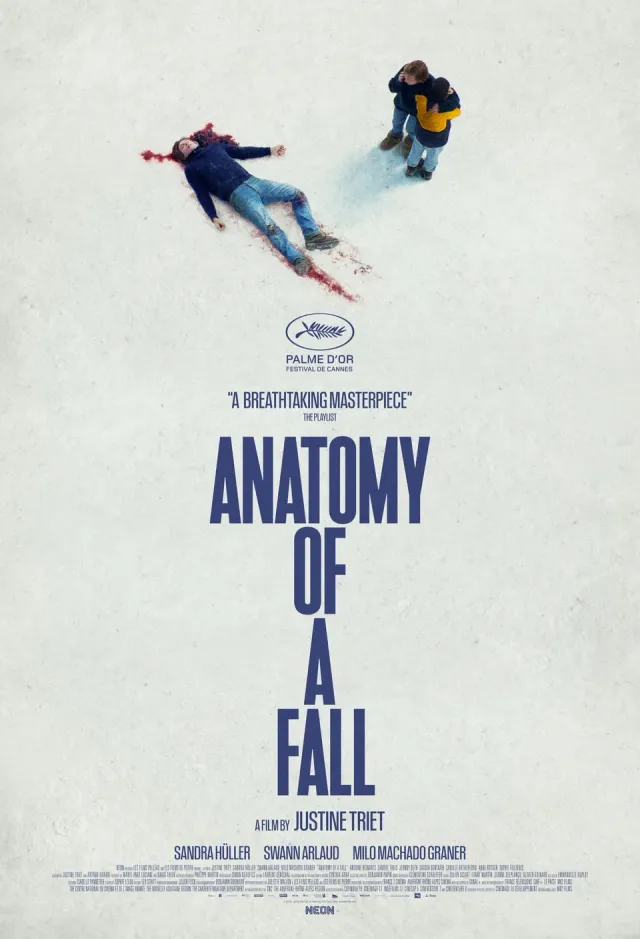
When writer Samuel is found dead outside the family's remote Alpine home, the police question whether he fell, died by suicide or was killed, and his wife Sandra becomes the main suspect. Their son Daniel, who is visually impaired, is drawn into a trial that turns private conversations, recorded arguments and the couple's uneven marriage into public evidence. Translation and interpretation complicate what witnesses can claim to know. The film lets the courtroom organize competing stories without making one account settle the death, so its suspense comes from judgment under uncertainty as much as from the mystery.
What drives the story
An unexplained death becomes a trial in which scraps of domestic life are assembled into incompatible accounts. The legal process seeks a verdict, but the film keeps the event's physical cause unresolved for viewers.
The people at its centre
Sandra is judged through a marriage described by both partners and reconstructed by outsiders. Daniel's testimony has emotional force but also responsibility; his bond with his parents does not give him a simple route to certainty.
What it feels like
Long courtroom scenes and changes between French, English and German make listening itself a source of tension. The restrained house and surrounding snow contrast with the increasingly public dissection of a private relationship.
Worth knowing
Compare domestic mysteries that turn testimony and translation into evidence, not whodunits that promise a final forensic reveal. The verdict resolves the legal case, but it does not establish one complete explanation of Samuel's death; keep the film's unresolved private truth distinct from the evidence and findings the court actually considers.