A delayed encounter with death creates a finite journey in which a search for certainty competes with the practical possibility of protecting others.
Why this matches +
A dreamlike adult Arthurian pilgrimage tests an inexperienced knight’s willingness to face mortality and honor a supernatural bargain.
Genres: Fantasy / Drama
Shared film traits
Based on recorded story, mood and style. Your preferences can change the order.
What changes Monochrome philosophical allegory emphasizes God’s silence over lush Arthurian trials.
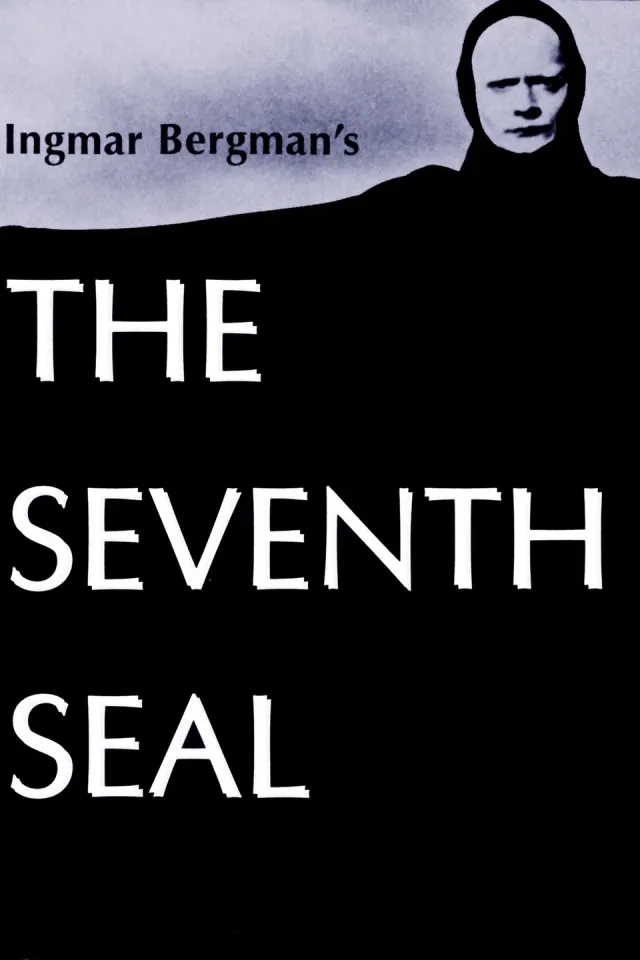
A knight returning from the Crusades encounters Death in a country devastated by plague and proposes a chess game to postpone his end. Travelling with a sceptical squire, he searches for evidence of divine presence among fear, cruelty and ordinary acts of care. A family of travelling performers offers a form of fragile happiness that shifts the value of the remaining time from obtaining an answer toward making one useful intervention.
After One-Eye escapes captivity, the expedition's journey becomes a series of encounters with terrain and beliefs beyond its control.
Why this matches +
A dreamlike adult Arthurian pilgrimage tests an inexperienced knight’s willingness to face mortality and honor a supernatural bargain.
Genres: Fantasy / Drama
Shared film traits
Based on recorded story, mood and style. Your preferences can change the order.
What changes A mute Viking and brutal violence make it bleaker than Gawain’s moral education.
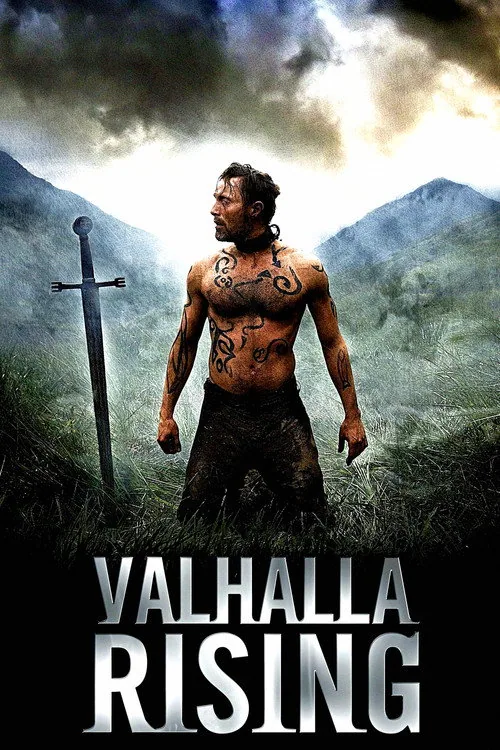
One-Eye, a mute captive forced to fight for a Norse chieftain, escapes with the help of a boy who has watched over him. They join a group of Christian Norsemen setting sail for the Holy Land, but their voyage delivers them to a harsh, unfamiliar landscape where the expedition's certainty begins to collapse. Nicolas Winding Refn tells the journey in sparse chapters, using long silences and stark images rather than conventional historical exposition. The result is a brutal, meditative adventure about violence, belief, and outsiders moving through a world they cannot master.
A child's supernatural trials unfold beside a resistance conflict, making refusal of cruel orders a recurring moral choice across both worlds.
Why this matches +
A dreamlike adult Arthurian pilgrimage tests an inexperienced knight’s willingness to face mortality and honor a supernatural bargain.
Genres: Fantasy / Drama
Shared film traits
Based on recorded story, mood and style. Your preferences can change the order.
What changes Ofelia’s trials intersect with fascist violence in 1940s Spain rather than medieval chivalry.
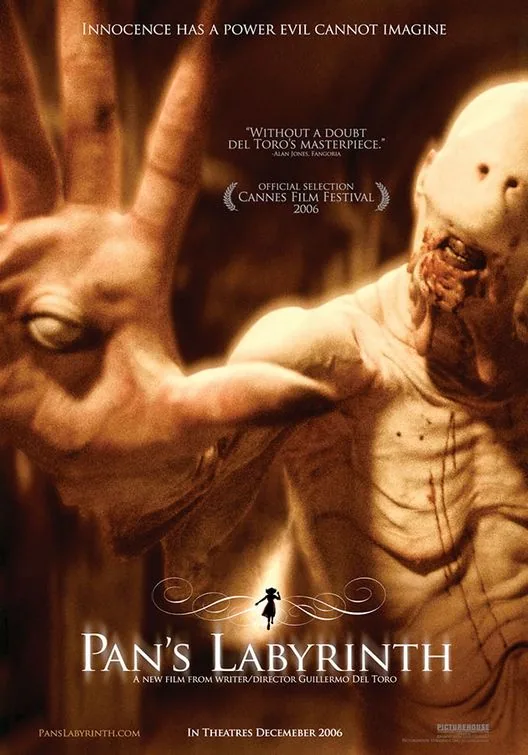
A young girl moves with her pregnant mother to a rural military post commanded by a brutal officer in the aftermath of the Spanish Civil War. A mysterious creature offers her a sequence of tasks connected to a hidden identity, while a servant and doctor covertly aid the resistance nearby. The child's imaginative world and the adults' violent struggle repeatedly test obedience, sacrifice and the authority of people demanding absolute submission.
An exiled prince infiltrates his uncle’s household to fulfill a childhood oath of vengeance after his father’s murder.
Why this matches +
Specific shared appeal and viewing differences are recorded for each pair.
An adjacent discovery: a related idea with a different viewing experience.
Genres: Action / Drama
Shared film traits
Based on recorded story, mood and style. Your preferences can change the order.
What changes Amleth’s revenge and combat replace a hesitant knight’s ambiguous tests of honor.
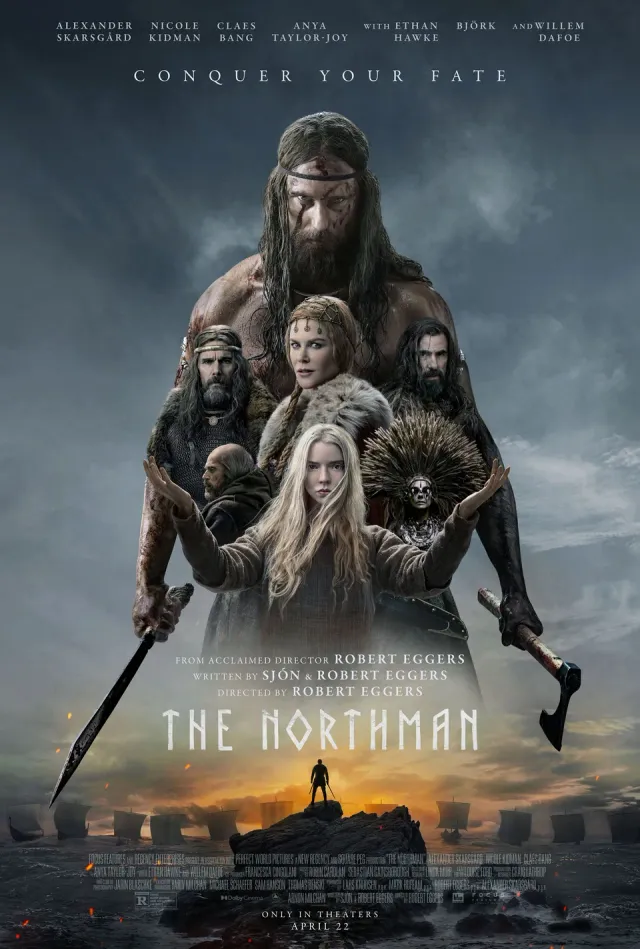
As a child, Amleth watches a coup tear apart his family and escapes with a vow to avenge his father. Years later he infiltrates the household of the uncle who seized power, where memories of violence compete with a future that might ask him to stop. The film’s saga-like journey binds revenge to inherited ritual, bodily ordeal and the cost of living by prophecy.
The layered strands transform a search for a cure into a broader question about whether love can coexist with mortality.
Why this matches +
Specific shared appeal and viewing differences are recorded for each pair.
An adjacent discovery: a related idea with a different viewing experience.
Genres: Drama / Romance
Shared film traits
Based on recorded story, mood and style. Your preferences can change the order.
What changes Love and grief span several eras and genres rather than a single Arthurian quest.
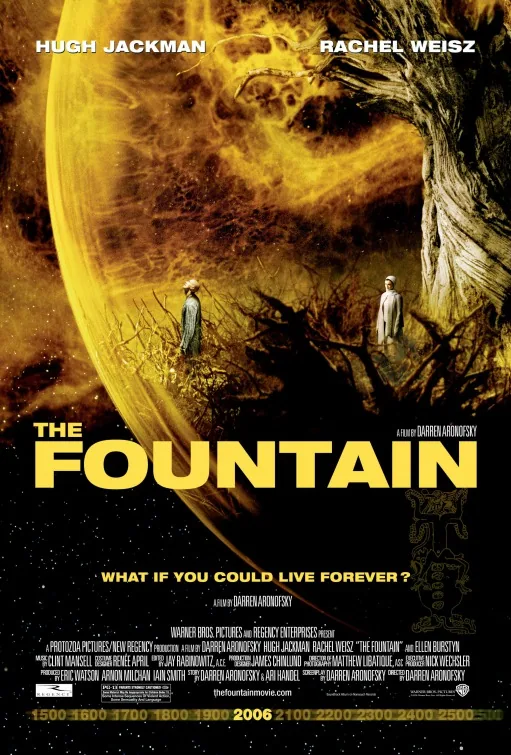
A scientist searches for a way to save his dying wife, while a writer creates a story about a conquistador seeking a tree of life and a later figure journeys through space. The film intertwines these strands without settling every connection between them. Darren Aronofsky’s drama uses recurring images and a compressed structure to explore love, mortality, grief and the desire to defeat loss.
An isolated household's attempt at spiritual and economic independence collapses into accusation under pressure from loss and a hostile environment.
Why this matches +
Specific shared appeal and viewing differences are recorded for each pair.
An adjacent discovery: a related idea with a different viewing experience.
Genres: Horror / Drama
Shared film traits
Based on recorded story, mood and style. Your preferences can change the order.
What changes A Puritan household deteriorates in escalating horror rather than undertaking an episodic pilgrimage.
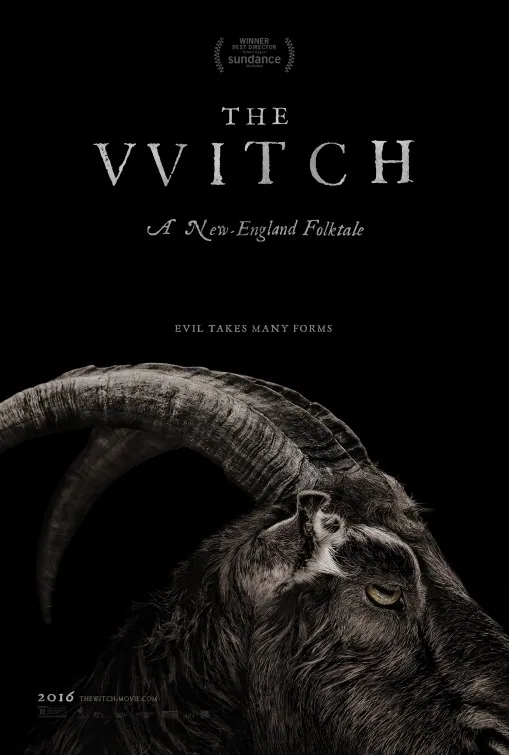
A religious family expelled from a colonial settlement tries to establish a farm beside a forbidding forest. The disappearance of an infant intensifies material hardship and turns private guilt into suspicion among the remaining household members. As religious certainty fails to explain their losses, a teenage daughter's place in the family becomes increasingly precarious within a world where supernatural danger and ordinary patriarchal fear cannot be cleanly separated.
A hierarchical temporary job becomes an indefinite confinement in which denied access, exhaustion and resentment destabilise both cooperation and perception.
Why this matches +
Specific shared appeal and viewing differences are recorded for each pair.
An adjacent discovery: a related idea with a different viewing experience.
Genres: Horror / Drama
Shared film traits
Based on recorded story, mood and style. Your preferences can change the order.
What changes Two isolated keepers and stark monochrome replace wandering medieval fantasy.
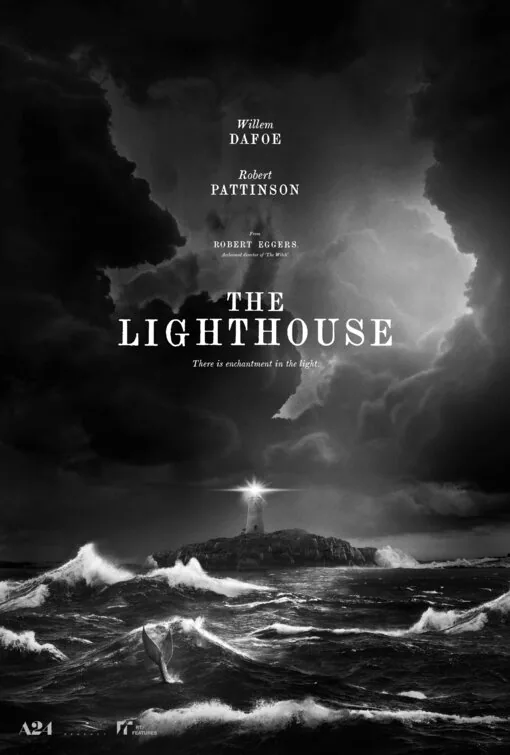
A younger keeper arrives for a short assignment on a remote New England island under an older man's strict supervision. Unequal work, exclusion from the lantern room and growing resentment make their dependence on one another increasingly hostile. When weather disrupts the expected relief, drinking and incompatible accounts of time, identity and responsibility turn the isolated workplace into a struggle whose physical and imagined threats cannot be confidently separated.
A ghost remains in a house across changing occupants and eras, attached to a note hidden by his wife.
Why this matches +
Specific shared appeal and viewing differences are recorded for each pair.
An adjacent discovery: a related idea with a different viewing experience.
Genres: Drama / Fantasy
Shared film traits
Based on recorded story, mood and style. Your preferences can change the order.
What changes A ghost remains tethered to a home without folklore trials or a heroic bargain.
After musician C dies in a car accident, he returns to the house he shared with his wife M beneath a white sheet. Unable to communicate, he watches her grieve and eventually leave, while the house passes through new residents and changing eras. The ghost’s experience stretches across time as he remains attached to a hidden note in the home. David Lowery’s supernatural drama uses long still compositions and a deliberately slow pace to explore memory, grief, and the persistence of place.
Prophecy and the pursuit of kingship transform Macbeth’s choices into a tragedy about ambition and the cost of political power.
Why this matches +
Specific shared appeal and viewing differences are recorded for each pair.
An adjacent discovery: a related idea with a different viewing experience.
Genres: Drama / History
Shared film traits
Based on recorded story, mood and style. Your preferences can change the order.
What changes A political murderer drives a tightly scripted Shakespearean tragedy rather than a dreamlike pilgrimage.
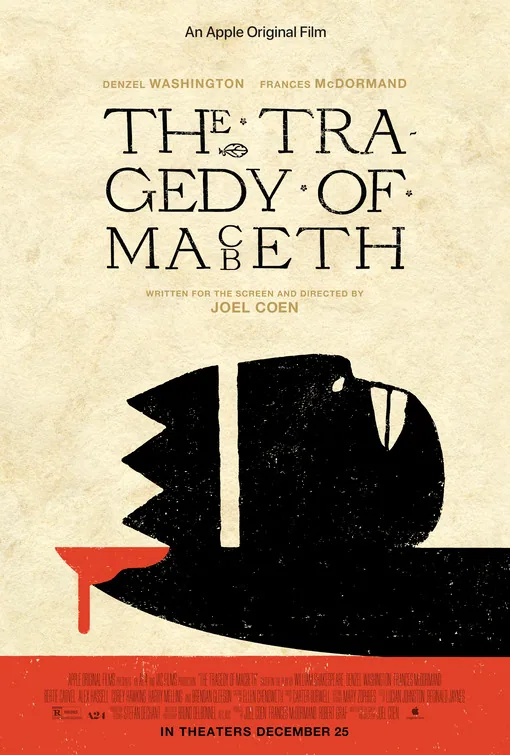
After three witches tell Macbeth that he will become king, the Scottish commander and his wife consider how prophecy might be turned into power. Their decisions set off a cycle of suspicion, violence and political resistance. Joel Coen’s adaptation focuses on the play’s verbal force and on how ambition changes the couple’s judgment as the kingdom shifts around them.
Roy’s story changes as Alexandria recasts its heroes using the people and feelings around her.
Why this matches +
Specific shared appeal and viewing differences are recorded for each pair.
An adjacent discovery: a related idea with a different viewing experience.
Genres: Adventure / Drama
Shared film traits
Based on recorded story, mood and style. Your preferences can change the order.
What changes An injured stuntman narrates a colorful adventure to a child rather than honoring a supernatural contract.
In a 1920s Los Angeles hospital, injured stuntman Roy tells young patient Alexandria an elaborate story about a masked bandit and a band of heroes. Alexandria imagines the characters through people she sees around her, and her contributions gradually shape a fantasy that reflects Roy’s private pain. Tarsem Singh’s film moves between intimate hospital scenes and vivid landscapes, exploring storytelling as a shared act that can comfort, manipulate, and give a listener a voice.
A legitimizing object enables political unity, but concealed desires and dynastic manipulation expose the limits of authority before a quest seeks to restore its ethical and symbolic foundations. Excalibur legitimizes rule, but a succession founded through Uther’s coercive bargain seeds later betrayal and conflict.
Why this matches +
Specific shared appeal and viewing differences are recorded for each pair.
An adjacent discovery: a related idea with a different viewing experience.
Genres: Fantasy / Adventure
Shared film traits
Based on recorded story, mood and style. Your preferences can change the order.
What changes An operatic treatment of Arthur’s reign and several knights differs from Gawain’s individual reckoning.
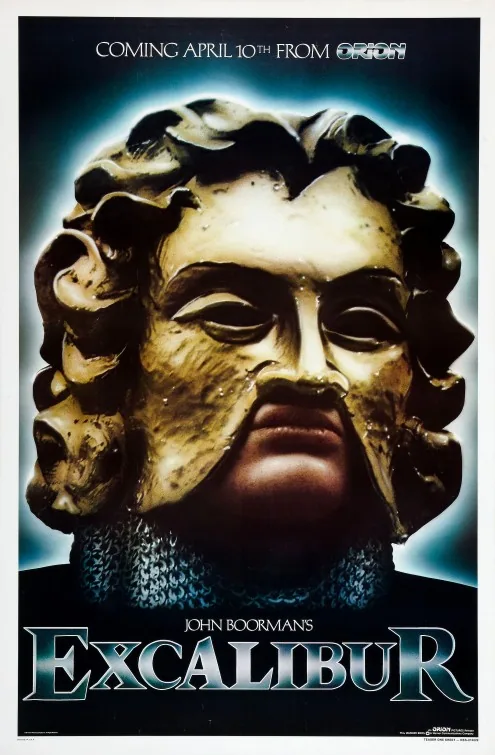
A magical sword gives a young man a claim to kingship in a land exhausted by competing rulers. Building a shared order requires more than possessing the object, as intimate betrayal, manipulated lineage and the ruler's own failures fracture the court that gathers around him. A later search for renewal turns the kingdom's physical condition into an image of damaged authority, making recovery depend on acts that neither military victory nor hereditary certainty can supply alone. The mythic cycle makes the pursuit of unity depend on authority born through desire, coercion and concealed lineage.
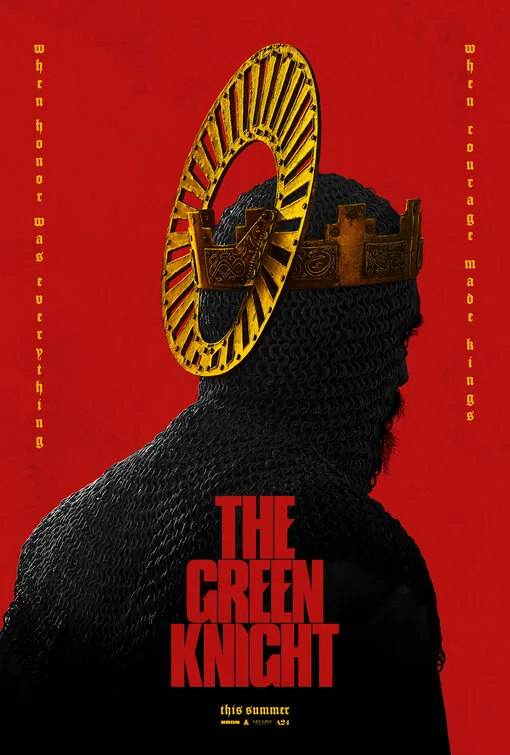
On Christmas at Camelot, King Arthur’s nephew Gawain accepts a supernatural challenger’s beheading game, agreeing to receive the same blow in a year. He travels to the Green Chapel to honour the bargain, passing through tests of courage, temptation and self-preservation that unsettle his idea of what a knight should be. The journey becomes stranger and more inward than a conventional quest, and Gawain must decide whether keeping his life at any cost counts as keeping his word. David Lowery’s adaptation uses the medieval romance as a dreamlike character study rather than a clean heroic adventure.
What drives the story
The year-long beheading bargain gives Gawain a fixed destination; the encounters along the road test whether he can meet its consequence without evasion.
The people at its centre
Gawain wants the honour attached to the Round Table before he has earned it. His relationship with Essel and his mother’s expectations complicate what he thinks a heroic future should look like.
What it feels like
Sparse dialogue, ominous landscapes and symbolic encounters create an elliptical, folkloric mood. The film leaves some images open to interpretation instead of explaining every supernatural event.
Worth knowing
A fit for viewers who enjoy mythic, patient fantasy about honour and fear. It is less like a brisk quest adventure than a medieval fable that asks the audience to sit with ambiguity.