Based on recorded story, mood and style. Your preferences can change the order.
Dream worlds
What changes The Fall: a framed conversation expands into a collaborative imagined quest. The Imaginarium of Doctor Parnassus: episodic and visually shifting.
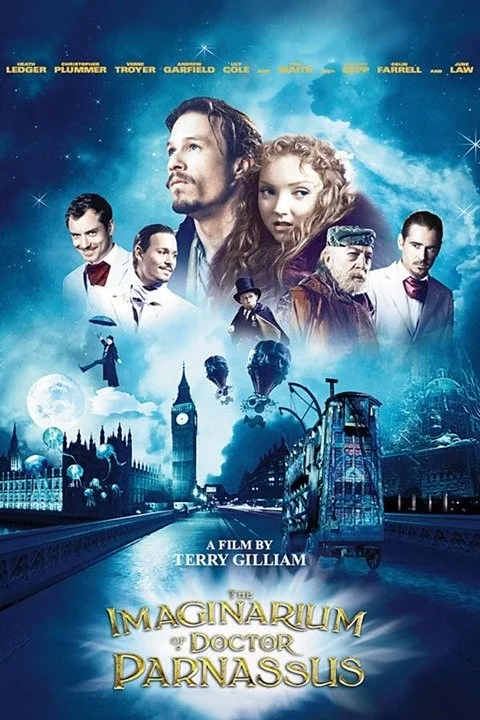
A traveling theatre led by Doctor Parnassus offers audiences passage into fantastical inner worlds, but its founder’s bargain with the Devil threatens his daughter’s future. When a mysterious stranger joins the troupe, the performers try to outmaneuver the deal through imagination and changing appearances. The fantasy uses shifting visual styles and theatrical artifice to explore temptation, storytelling and the price of trying to control another person’s fate.
Based on recorded story, mood and style. Your preferences can change the order.
Memory and identity
What changes The Fall: a framed conversation expands into a collaborative imagined quest. Good Fortune: a magical role reversal organizes a character-driven urban comedy.
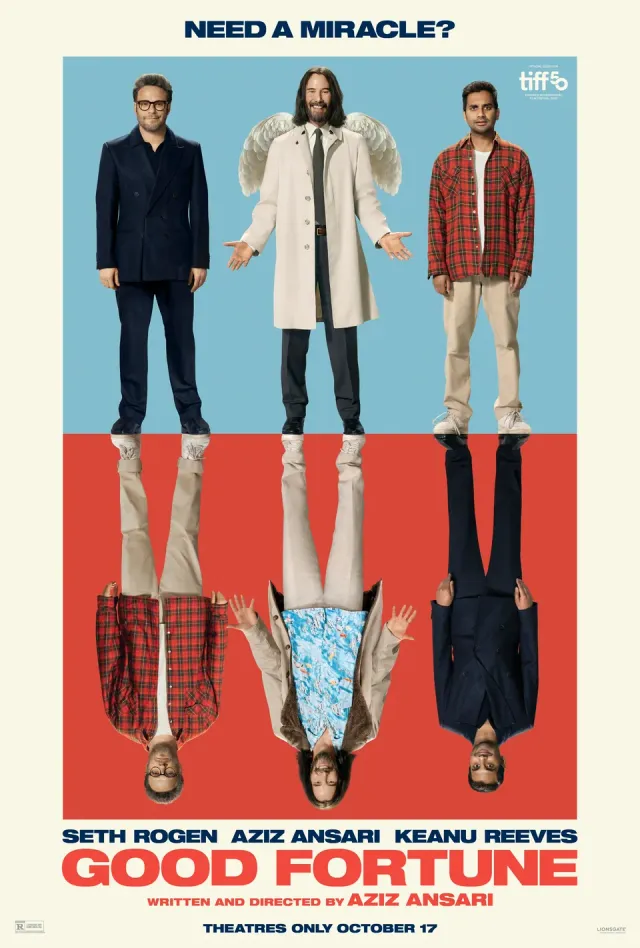
Gabriel, a low-ranking guardian angel, tries to prove that he can change human lives after repeatedly intervening in ordinary accidents. His attempt to help a struggling gig worker and a wealthy businessman goes awry, leaving the characters to confront what they value and how they treat one another. The comedy uses an angelic role reversal to examine class, luck, and the difference between temporary relief and real change.
Based on recorded story, mood and style. Your preferences can change the order.
Memory and identity
What changes The Fall: a framed conversation expands into a collaborative imagined quest. Wings of Desire: patient and essay-like.
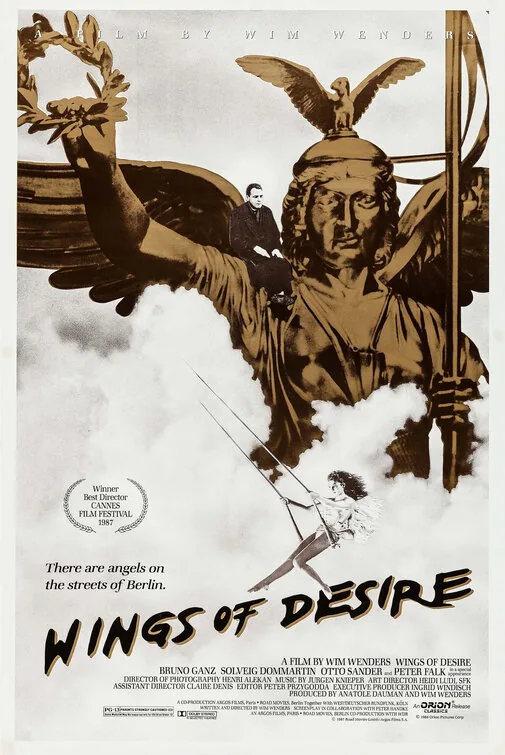
In divided Berlin, angels Damiel and Cassiel observe people’s private thoughts and sorrows while remaining unable to participate in ordinary sensation. Damiel becomes increasingly drawn to human experience and to Marion, a trapeze artist whose own life is changing. Peter Falk’s arrival as a visiting actor, who seems aware of the angels, helps connect Damiel’s abstract longing to the physical routines of city life. Wim Wenders places the love story among Berlin’s streets, memories and postwar histories, making the city itself part of the film’s meditation. By listening to individual voices, the film makes inward life its dramatic landscape. Actor Peter Falk links angelic distance to a human who has chosen embodiment.
Both share themes of grief and connection, plus a bittersweet atmosphere.
Why this matches +
Genres: Comedy / Fantasy
Shared film traits
Based on recorded story, mood and style. Your preferences can change the order.
Memory and identity
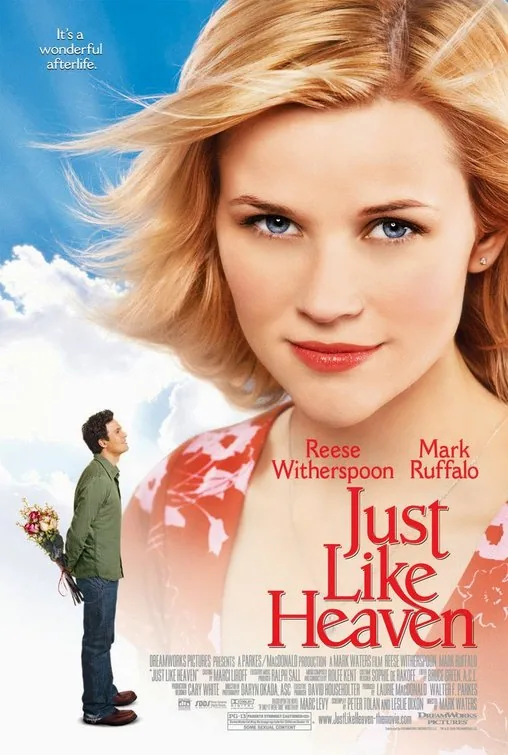
What changes The Fall: a framed conversation expands into a collaborative imagined quest. Just like Heaven: measured and gentle.
An architect rents a San Francisco apartment and discovers that a woman’s presence seems to remain there, though she cannot explain how she arrived. Their early conflict gives way to a search for answers and a relationship built under unusual circumstances. The romantic fantasy balances grief, memory and domestic comedy as the pair confront what can and cannot be changed.
Both share story within a story, plus themes of imagination.
Why this matches +
Genres: Fantasy / Adventure
Shared film traits
Based on recorded story, mood and style. Your preferences can change the order.
Dream worlds
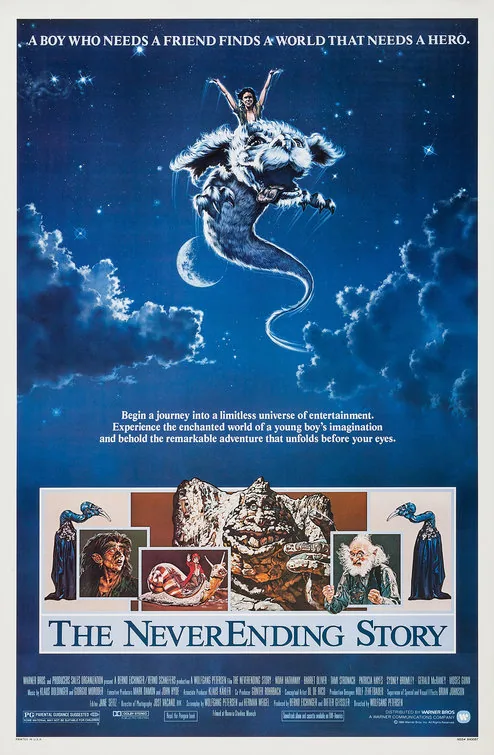
What changes The Fall: a framed conversation expands into a collaborative imagined quest. The NeverEnding Story: quest-driven and measured.
A lonely boy named Bastian hides in an old book and discovers Fantasia, a world threatened by a force called the Nothing. As the young warrior Atreyu searches for a way to save the Childlike Empress, Bastian realizes that reading has drawn him into the fate of the story. Their intertwined journeys explore how imagination can offer comfort while also asking for courage and participation.
Based on recorded story, mood and style. Your preferences can change the order.
Dream worlds
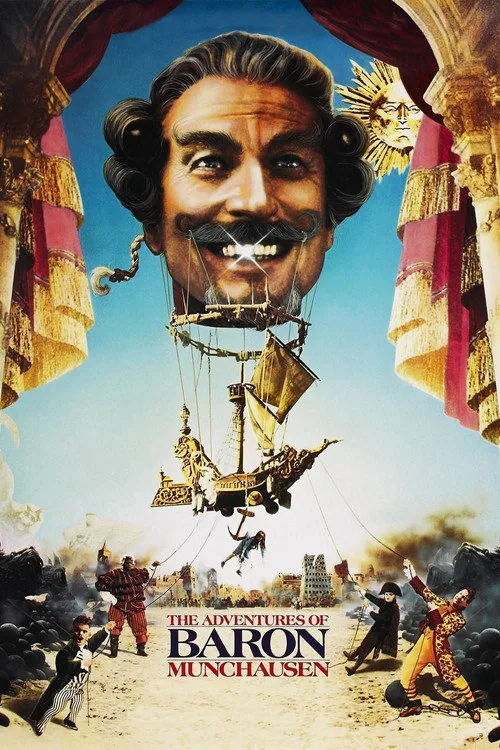
What changes The Fall: a framed conversation expands into a collaborative imagined quest. The Adventures of Baron Munchausen: episodic fantasy adventures, theatrical scene changes and large siege finale.
An aging Baron Munchausen interrupts a stage play in a besieged European city and claims to be the real man whose adventures the actors have misrepresented. With a young girl named Sally, he sets out to recruit his extraordinary old companions and stop an Ottoman army from taking the city. Terry Gilliam turns the journey into a cascade of tall tales, theatrical transitions, and impossible escapes, blurring the distinction between an aging storyteller's imagination and a world desperate for wonder.
Based on recorded story, mood and style. Your preferences can change the order.
Memory and identity
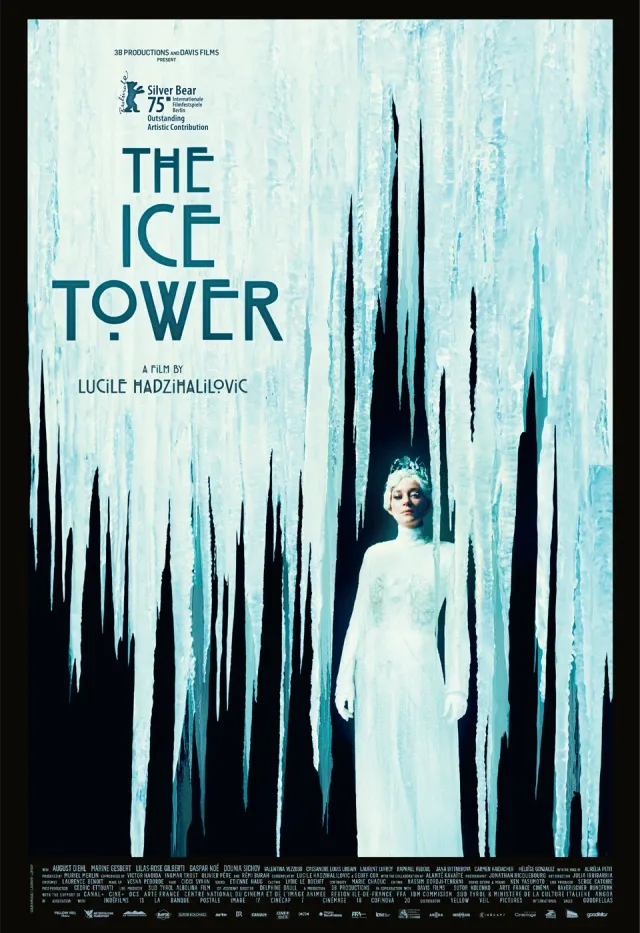
What changes The Fall: a framed conversation expands into a collaborative imagined quest. The Ice Tower: deliberate, dreamlike and suspenseful.
In the 1970s, runaway Jeanne takes refuge in a film studio and becomes fascinated by Cristina, the enigmatic star of a Snow Queen adaptation being shot there. Their attraction grows into a mutual but potentially dangerous fixation, with the production’s fairy-tale world echoing the unequal realities around them. Lucile Hadžihalilović’s film blends psychological drama and fantasy through an atmosphere of solitude, performance, and desire.
Based on recorded story, mood and style. Your preferences can change the order.
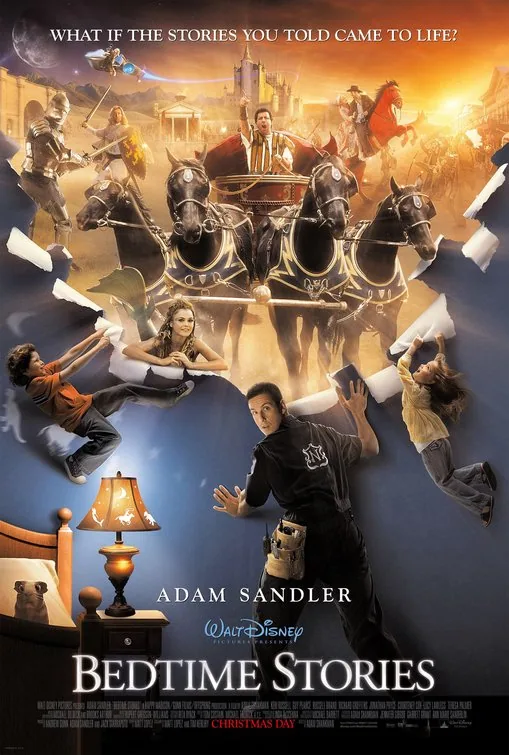
What changes The Fall: a framed conversation expands into a collaborative imagined quest. Bedtime Stories: episodic and escalating.
A hotel handyman tells elaborate bedtime stories to his niece and nephew, only to discover that details from the stories begin appearing in his everyday life. As he experiments with the strange connection, his invented adventures collide with work, family bonds and a possible romance. The fantasy comedy treats storytelling as a shared activity whose consequences cannot be controlled, linking wish fulfillment to the responsibility of caring for children.
Both share themes of grief, plus a bittersweet atmosphere.
Why this matches +
Genres: Action / Comedy
Shared film traits
Based on recorded story, mood and style. Your preferences can change the order.
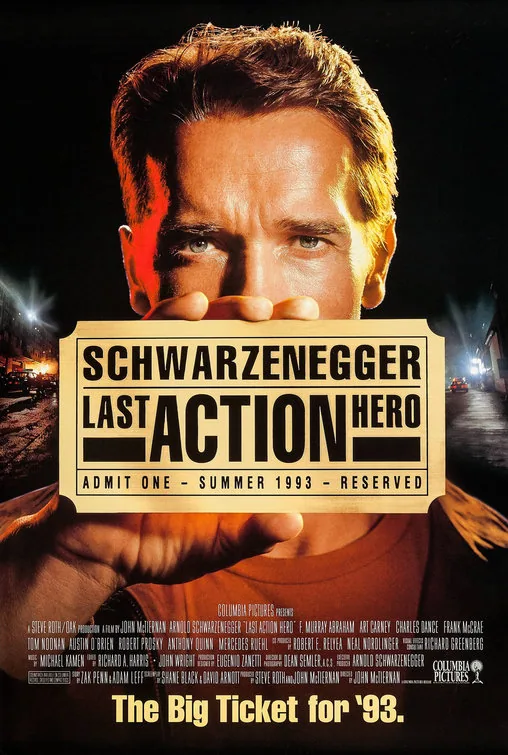
What changes The Fall: a framed conversation expands into a collaborative imagined quest. Last Action Hero: fast and tonal shift.
A bereaved boy escapes into an action-film series until a magical ticket carries him into its latest installment. Recognizing conventions gives him useful knowledge that the fictional hero initially refuses to accept, but a villain obtains the same means of crossing into ordinary New York. The hero then meets a world where injuries and moral outcomes do not obey his familiar guarantees. The fantasy makes spectatorship reciprocal, asking what comfort a manufactured protector can offer once both child and character recognize the limits of the story that brought them together.
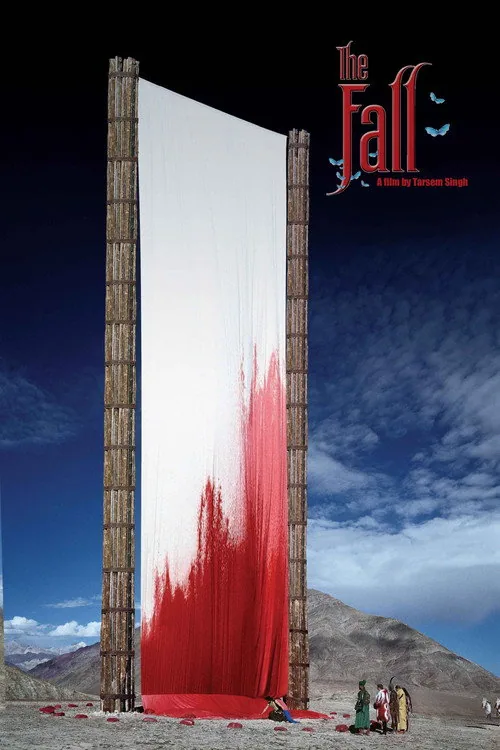
In a 1920s Los Angeles hospital, injured stuntman Roy tells young patient Alexandria an elaborate story about a masked bandit and a band of heroes. Alexandria imagines the characters through people she sees around her, and her contributions gradually shape a fantasy that reflects Roy’s private pain. Tarsem Singh’s film moves between intimate hospital scenes and vivid landscapes, exploring storytelling as a shared act that can comfort, manipulate, and give a listener a voice.
What drives the story
Roy’s story changes as Alexandria recasts its heroes using the people and feelings around her.
The people at its centre
Roy tries to control the tale for his own reasons, while Alexandria increasingly insists that she has a stake in how it ends.
What it feels like
The film contains a suicide attempt and a child’s serious injury, balanced by visual wonder and warmth.
Worth knowing
It is a visually ambitious story about two patients and an invented adventure, not a conventional fantasy quest with a single external world.
StorytellingImaginationGrief
Mood
Lyrical · Visually rich · Bittersweet
Pacing
A framed conversation expands into a collaborative imagined quest
Visual style
Surreal compositions · International locations · Rich saturated color
Storytelling
Story within a story · Hospital friendship · Fantasy adventure