Explore films connected to The Adventures of Baron Munchausen through imagination against bureaucracy, aging and vitality, truth and storytelling. Choose the qualities you want to carry into your next watch.
What should feel similar?
Find your next favourite
9 films · Closest overall matches
Hide films you’ve seen or don’t want. Saved on this device.
No matches for this combination yet.
Try another option or reset your choices to see more films.
Both share a whimsical and adventurous atmosphere.
Why this matches +
Genres: Family / Fantasy
Shared film traits
Based on recorded story, mood and style. Your preferences can change the order.
Dream worlds
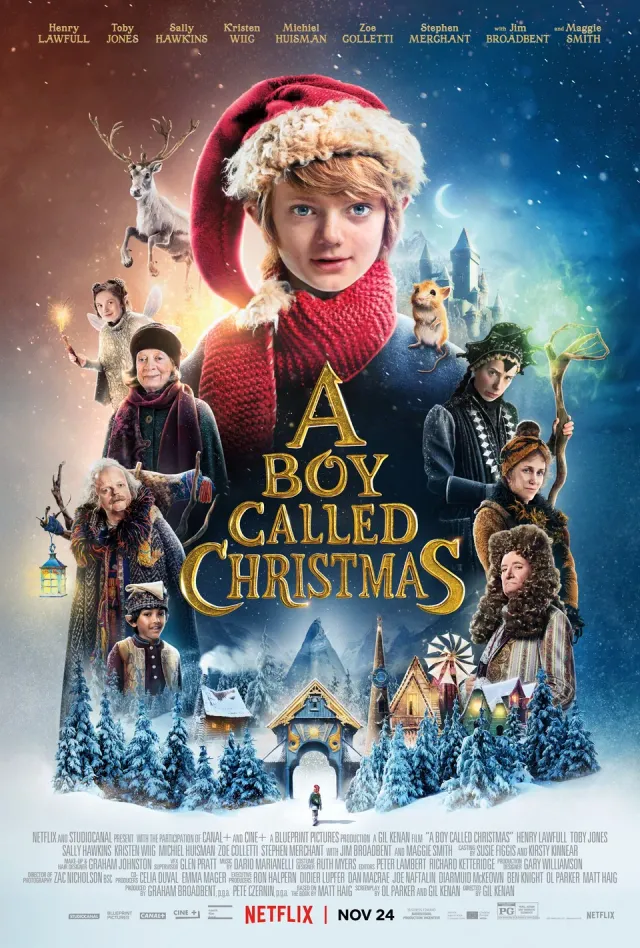
What changes The Adventures of Baron Munchausen: episodic fantasy adventures, theatrical scene changes and large siege finale. A Boy Called Christmas: aunt ruth begins a story of nikolas’s quest and and each stage of his journey brings him closer to elfhelm and its people..
On Christmas Eve, Aunt Ruth tells three grieving children a story about Nikolas, a boy who leaves home to search for the fabled land of Elfhelm. With his speaking mouse Miika, Nikolas encounters a world of elves and dangers while trying to discover what happened to his father and help the people he meets. The frame story and fantasy journey connect loss with generosity and hope.
Based on recorded story, mood and style. Your preferences can change the order.
Escape and pursuit
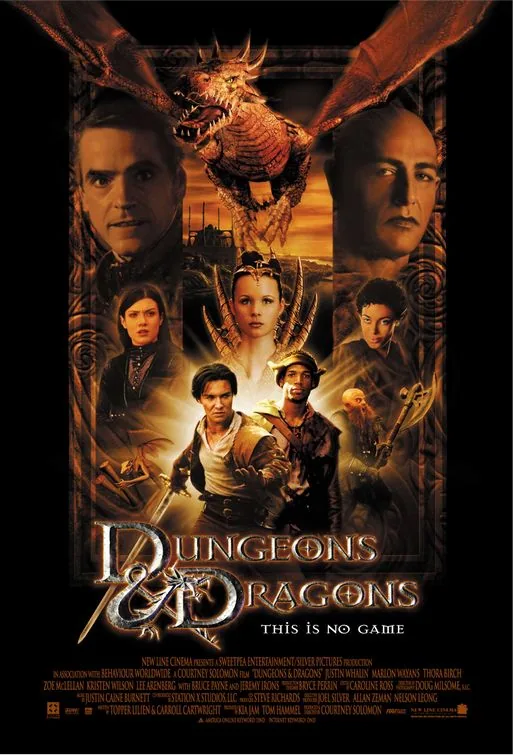
What changes The Adventures of Baron Munchausen: episodic fantasy adventures, theatrical scene changes and large siege finale. Dungeons & Dragons: escalating and adventure-led.
A young empress hires a pair of inexperienced thieves to help her recover a magical object that could upset the balance of power in her kingdom. Their mission brings them into conflict with a court magician and an alliance of unlikely companions. The film turns a tabletop-inspired quest into broad fantasy adventure, with loyalty and improvisation more important than heroic polish.
Based on recorded story, mood and style. Your preferences can change the order.
Dream worlds
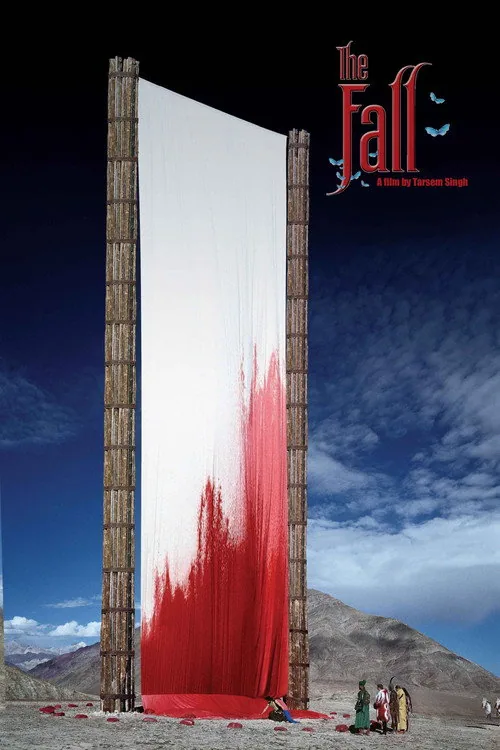
What changes The Adventures of Baron Munchausen: episodic fantasy adventures, theatrical scene changes and large siege finale. The Fall: a framed conversation expands into a collaborative imagined quest.
In a 1920s Los Angeles hospital, injured stuntman Roy tells young patient Alexandria an elaborate story about a masked bandit and a band of heroes. Alexandria imagines the characters through people she sees around her, and her contributions gradually shape a fantasy that reflects Roy’s private pain. Tarsem Singh’s film moves between intimate hospital scenes and vivid landscapes, exploring storytelling as a shared act that can comfort, manipulate, and give a listener a voice.
Based on recorded story, mood and style. Your preferences can change the order.
Escape and pursuit
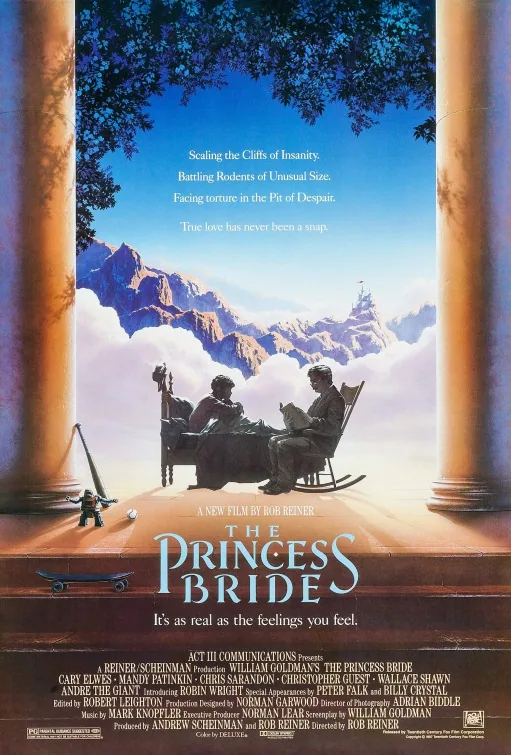
What changes The Adventures of Baron Munchausen: episodic fantasy adventures, theatrical scene changes and large siege finale. The Princess Bride: quest-driven and episodic.
In a frame story, a grandfather reads a tale of true love and high adventure to his reluctant grandson. In the story, farmhand Westley and Buttercup fall in love before Westley leaves to seek his fortune and is believed killed by the Dread Pirate Roberts. Buttercup is then forced to marry Prince Humperdinck and is kidnapped by a trio of hired misfits, including Inigo Montoya, who seeks the man who killed his father. A masked pursuer catches up with them, and the shifting alliances open a path toward the castle. The film moves between romance, swordplay, revenge and comic interruption, while the reader's reactions keep reminding us that the story knows it is being told. Its sincerity is part of the joke, not cancelled by it.
Based on recorded story, mood and style. Your preferences can change the order.
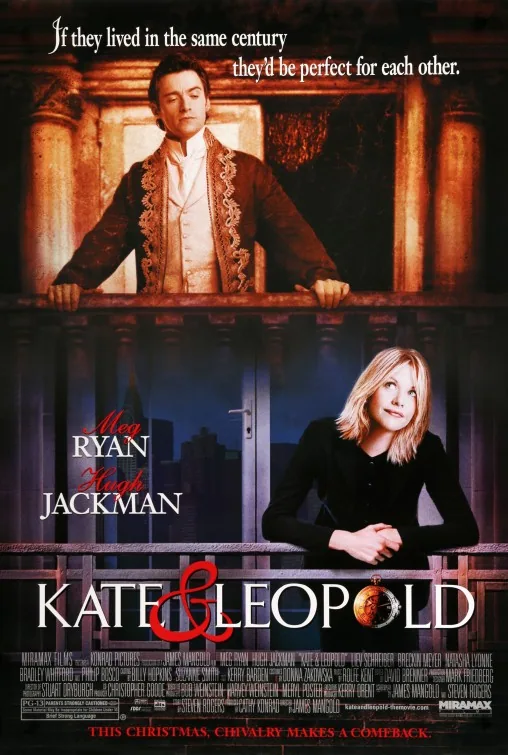
What changes The Adventures of Baron Munchausen: episodic fantasy adventures, theatrical scene changes and large siege finale. Kate & Leopold: measured and romantic build.
A 19th-century duke is displaced into present-day New York, where he meets Kate, a career-minded woman skeptical of romance. Their attraction puts social manners, ambition and the possibility of belonging in tension across two eras. The time-travel comedy builds its central question around whether a person can adapt to a different historical world without losing the values that define him.
Based on recorded story, mood and style. Your preferences can change the order.
Dream worlds · Escape and pursuit
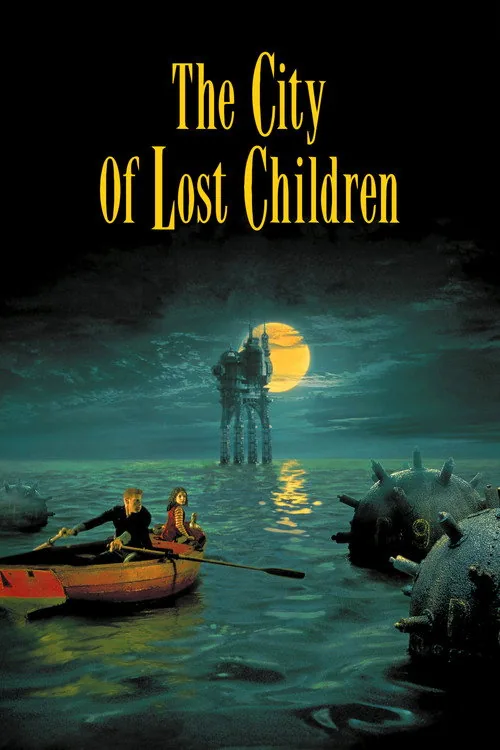
What changes The Adventures of Baron Munchausen: episodic fantasy adventures, theatrical scene changes and large siege finale. The City of Lost Children: quest structure, episodic encounters and fairy-tale adventure.
In a fantastical harbor city, the scientist Krank kidnaps children so he can steal their dreams, hoping to escape his inability to sleep. One captive is the little brother of strongman One, who joins forces with a streetwise girl named Miette to find him. Marc Caro and Jean-Pierre Jeunet’s French-language fantasy builds an eccentric world of mechanical devices, clones, sailors, and elaborate sets, mixing adventure and dark whimsy around the value of imagination and memory.
Based on recorded story, mood and style. Your preferences can change the order.
Escape and pursuit
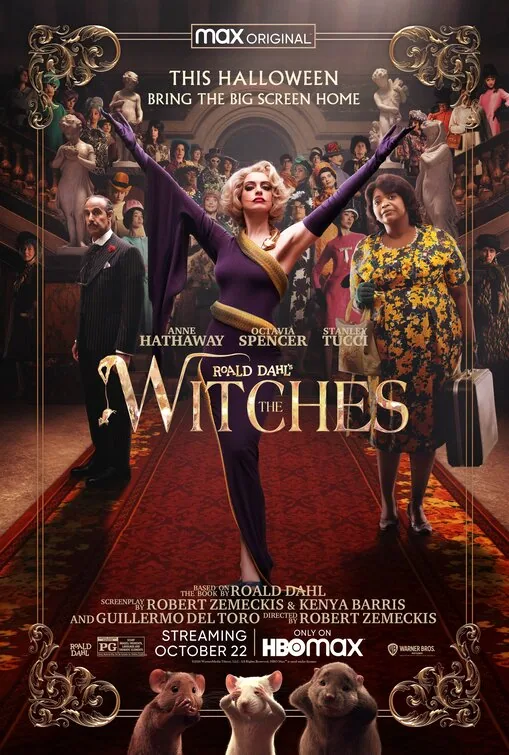
What changes The Adventures of Baron Munchausen: episodic fantasy adventures, theatrical scene changes and large siege finale. The Witches: adventure-led and escalating.
After losing his parents, young Charlie moves in with his grandmother, who knows how to recognize witches hiding among ordinary people. Their stay at a hotel turns dangerous when they discover a gathering led by the Grand High Witch and a plan that threatens children. Robert Zemeckis adapts the Roald Dahl story as macabre family fantasy, balancing comic spectacle with a child's resourcefulness and a close bond between generations.
Based on recorded story, mood and style. Your preferences can change the order.
Dream worlds
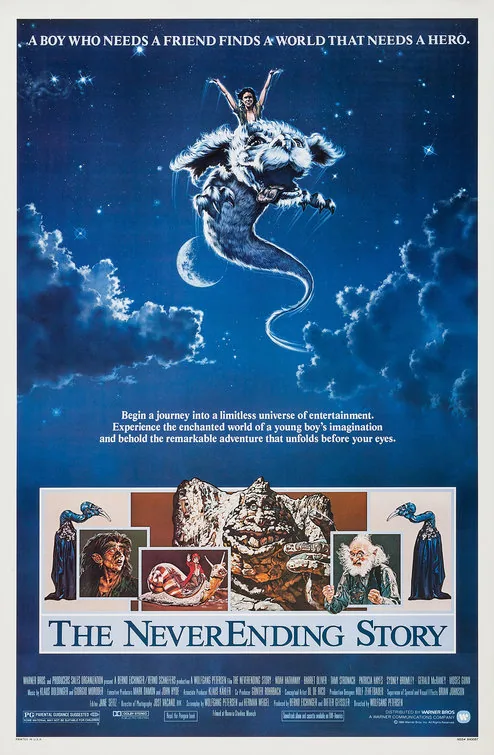
What changes The Adventures of Baron Munchausen: episodic fantasy adventures, theatrical scene changes and large siege finale. The NeverEnding Story: quest-driven and measured.
A lonely boy named Bastian hides in an old book and discovers Fantasia, a world threatened by a force called the Nothing. As the young warrior Atreyu searches for a way to save the Childlike Empress, Bastian realizes that reading has drawn him into the fate of the story. Their intertwined journeys explore how imagination can offer comfort while also asking for courage and participation.
Based on recorded story, mood and style. Your preferences can change the order.
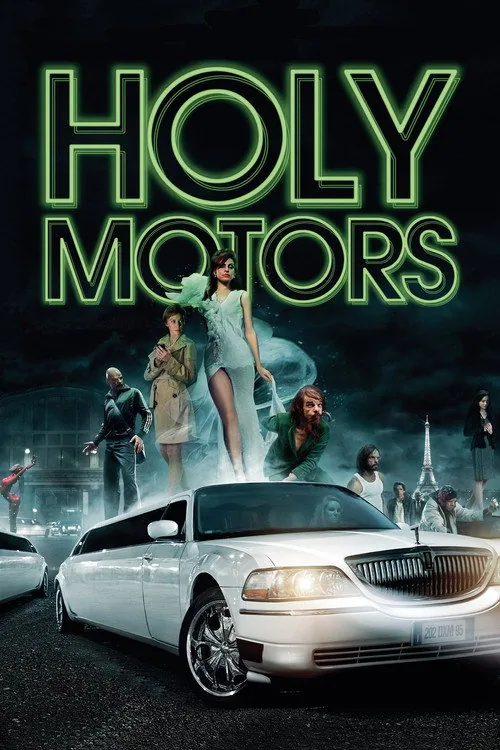
What changes The Adventures of Baron Munchausen: episodic fantasy adventures, theatrical scene changes and large siege finale. Holy Motors: episodic transformations, interludes between performances and late-day reflection on work.
A wealthy passenger named Mr. Oscar rides through Paris in a white limousine, receiving a series of appointments from his driver Céline. At each stop he transforms into another person: a beggar, motion-capture performer, violent sewer-dweller, father, gangster, and more. No obvious audience or camera explains the performances, and fragments of personal history surface between them. The surreal drama treats identity as work and performance, asking what remains of an actor when roles continue through an apparently ordinary day.
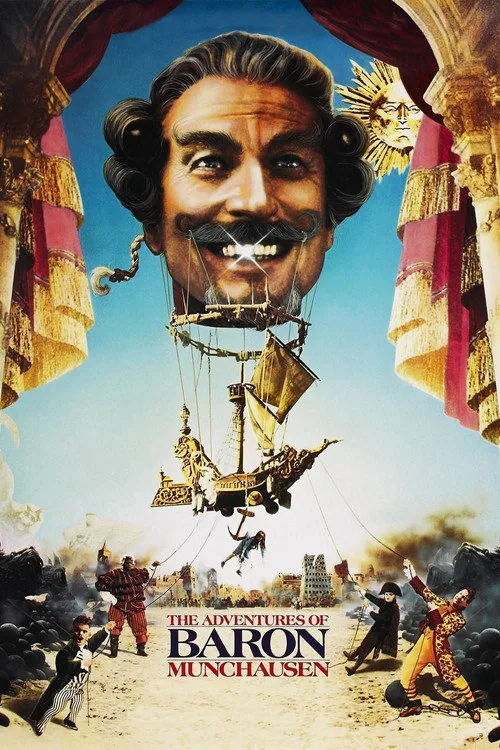
An aging Baron Munchausen interrupts a stage play in a besieged European city and claims to be the real man whose adventures the actors have misrepresented. With a young girl named Sally, he sets out to recruit his extraordinary old companions and stop an Ottoman army from taking the city. Terry Gilliam turns the journey into a cascade of tall tales, theatrical transitions, and impossible escapes, blurring the distinction between an aging storyteller's imagination and a world desperate for wonder.
What drives the story
Munchausen leaves a besieged city to gather his remarkable companions and challenge the army threatening it.
The people at its centre
Sally's practical curiosity gives the Baron's extravagant self-mythology an audience and an occasional check.
What it feels like
A lavish fantasy adventure leaps between theatrical set pieces, visual inventions, and stories within stories.
Worth knowing
Its hero moves through intentionally impossible tall tales, rather than a historically grounded biography of the real Baron.
imagination against bureaucracyaging and vitalitytruth and storytelling
Mood
whimsical · baroque · adventurous
Pacing
episodic fantasy adventures · theatrical scene changes · large siege finale
Visual style
elaborate practical fantasy sets · storybook costumes · surreal miniature and stage effects
Storytelling
baron interrupts a play about himself · girl joins quest to recruit companions · tall tales resist a rational war authority