A ghost remains in a house across changing occupants and eras, attached to a note hidden by his wife.
Why this matches +
Selected for the central appeal: Poetic fantasies about observing human lives, longing for connection and the meaning of embodiment.
Genres: Drama / Fantasy
Shared film traits
Based on recorded story, mood and style. Your preferences can change the order.
Memory and identity
What changes A Ghost Story follows a nonhuman observer through time and ordinary human spaces while contemplating loss.
After musician C dies in a car accident, he returns to the house he shared with his wife M beneath a white sheet. Unable to communicate, he watches her grieve and eventually leave, while the house passes through new residents and changing eras. The ghost’s experience stretches across time as he remains attached to a hidden note in the home. David Lowery’s supernatural drama uses long still compositions and a deliberately slow pace to explore memory, grief, and the persistence of place.
A wandering narrator’s passage through the palace makes historical periods coexist in one present-tense route.
Why this matches +
These offer a related experience with a meaningful difference in story, tone, or presentation.
An adjacent discovery: a related idea with a different viewing experience.
Genres: Fantasy / Historical
Shared film traits
Based on recorded story, mood and style. Your preferences can change the order.
Memory and identity
What changes Russian Ark moves through a city and its history using an unseen observer's perspective.
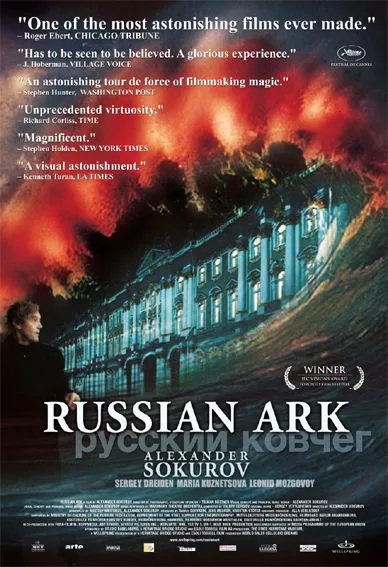
A disembodied narrator wanders through the Hermitage and Winter Palace, encountering figures from different periods of Russian history alongside a European diplomat. The journey unfolds as one continuous camera movement, connecting rooms, art and social rituals without conventional cuts. The film makes the museum’s architecture its organizing principle and turns a walk through accumulated history into a meditation on memory and cultural identity.
After being shot in Tokyo, a young man’s consciousness travels through the city and his memories. Oscar watches Linda and revisits events shaping their lives.
Why this matches +
These offer a related experience with a meaningful difference in story, tone, or presentation.
An adjacent discovery: a related idea with a different viewing experience.
Genres: Drama / Fantasy
Shared film traits
Based on recorded story, mood and style. Your preferences can change the order.
Memory and identity
What changes Enter the Void uses a disembodied perspective to move through a city and reflect on life and death.
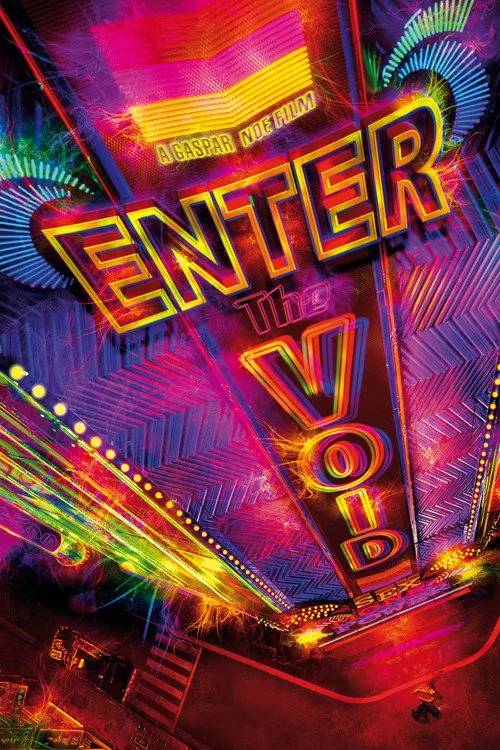
American siblings Oscar and Linda live together in Tokyo after their parents’ deaths. Oscar sells drugs and Linda works in a nightclub; after police kill him during a sting, the film follows his disembodied point of view as it drifts through the city and revisits their past. His journey connects nightlife, memory, death, and reincarnation. Gaspar Noé’s experimental drama uses long floating first-person shots and intense color to make its afterlife story a prolonged sensory experience.
A retired conductor and a working filmmaker revisit the value of their art during a resort stay.
Why this matches +
These offer a related experience with a meaningful difference in story, tone, or presentation.
An adjacent discovery: a related idea with a different viewing experience.
Genres: Drama
Shared film traits
Based on recorded story, mood and style. Your preferences can change the order.
Memory and identity
What changes Youth reflects on aging, art and the intimate thoughts of people sharing a temporary place.
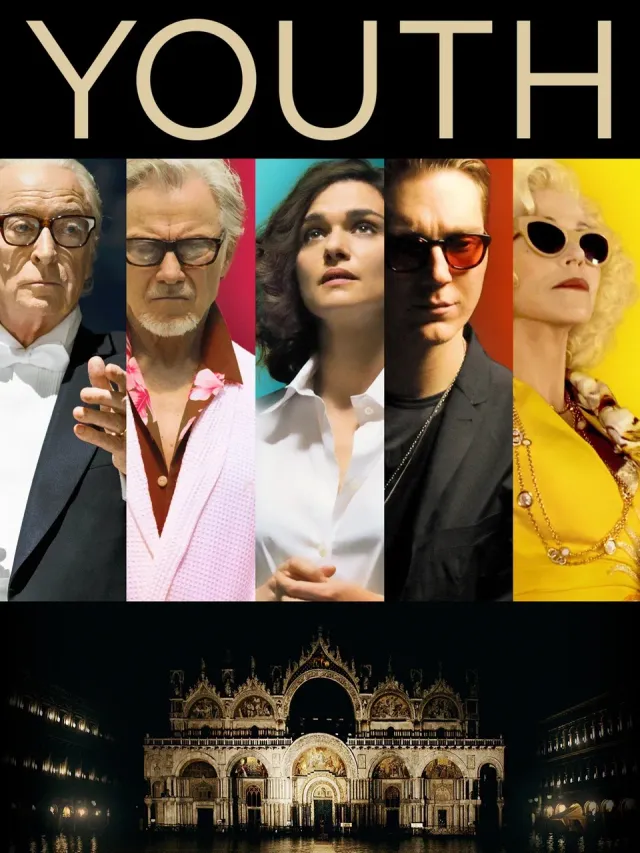
At a Swiss mountain resort, retired conductor Fred Ballinger spends time with his filmmaker friend Mick Boyle while their adult children and other guests occupy the same enclosed world. A request from Queen Elizabeth brings Fred's musical past back into view, while Mick continues working on a film meant to define his career. Paolo Sorrentino's drama observes age, artistic ambition and desire through stylized encounters.
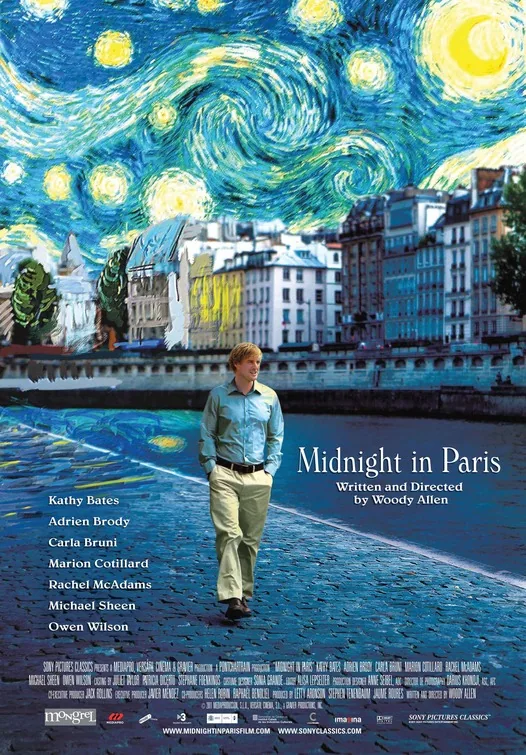
A recurring journey into an idealised past tests whether nostalgia offers creative renewal or another way to postpone choices in the present.
Why this matches +
These offer a related experience with a meaningful difference in story, tone, or presentation.
An adjacent discovery: a related idea with a different viewing experience.
Genres: Fantasy / Romance
Shared film traits
Based on recorded story, mood and style. Your preferences can change the order.
What changes Midnight in Paris combines a city's atmosphere with a fantastical longing for another way of living.
A screenwriter visiting Paris with his fiancée longs for the artistic life he associates with an earlier generation. Late-night walks unexpectedly give him access to the writers and artists he idealises, whose encouragement makes his present relationship feel increasingly constrained. Attraction to a woman within that past complicates the fantasy when he discovers that dissatisfaction with the present can survive even inside someone else's imagined golden age.
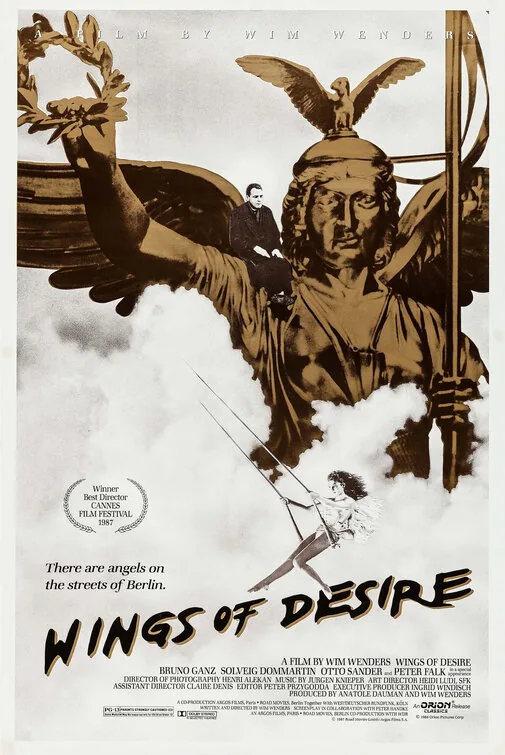
In divided Berlin, angels Damiel and Cassiel observe people’s private thoughts and sorrows while remaining unable to participate in ordinary sensation. Damiel becomes increasingly drawn to human experience and to Marion, a trapeze artist whose own life is changing. Peter Falk’s arrival as a visiting actor, who seems aware of the angels, helps connect Damiel’s abstract longing to the physical routines of city life. Wim Wenders places the love story among Berlin’s streets, memories and postwar histories, making the city itself part of the film’s meditation. By listening to individual voices, the film makes inward life its dramatic landscape. Actor Peter Falk links angelic distance to a human who has chosen embodiment.
What drives the story
Damiel’s desire to become human grows from listening to countless separate lives and recognizing the limits of distant compassion.
The people at its centre
Marion’s independence and loneliness mirror Damiel’s wish for participation from the opposite direction, while Cassiel remains an observer rather than an easy guide.
What it feels like
Black-and-white angelic vision shifts into color with embodied experience; voiceover, city textures and deliberate pacing create a lyrical essay-like form.
Worth knowing
A fit for contemplative fantasy about mortality, attention and divided-city memory. It is an art-film meditation rather than a plot-forward supernatural romance.
mortalityattentionhuman connection
Mood
lyrical · contemplative · wistful
Pacing
patient · essay-like
Visual style
black-and-white to color · urban poetry
Storytelling
angelic observation · choice to become human · city memory