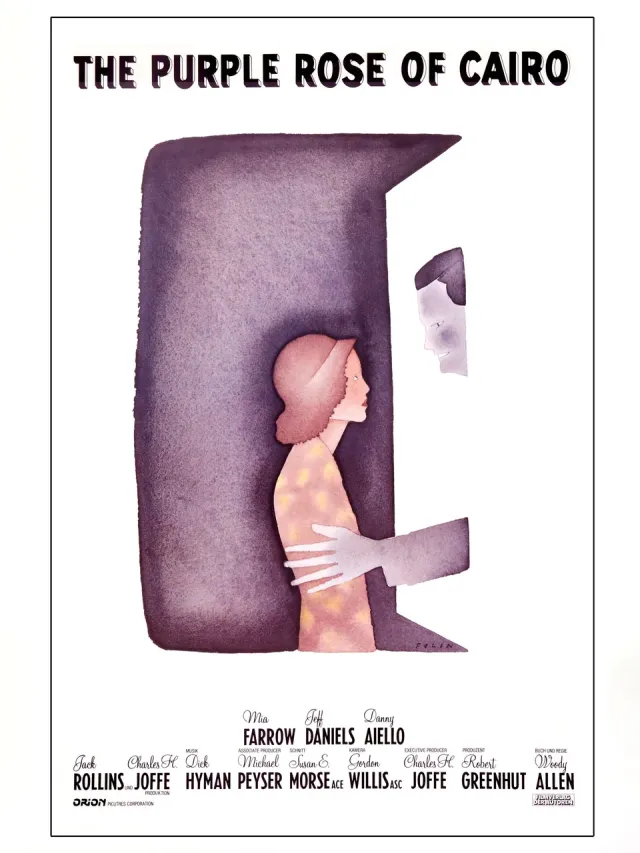
A movie character leaves his film for a spectator, bringing the studio, the actor and the stalled picture into Cecilia's private life.
Why this matches +
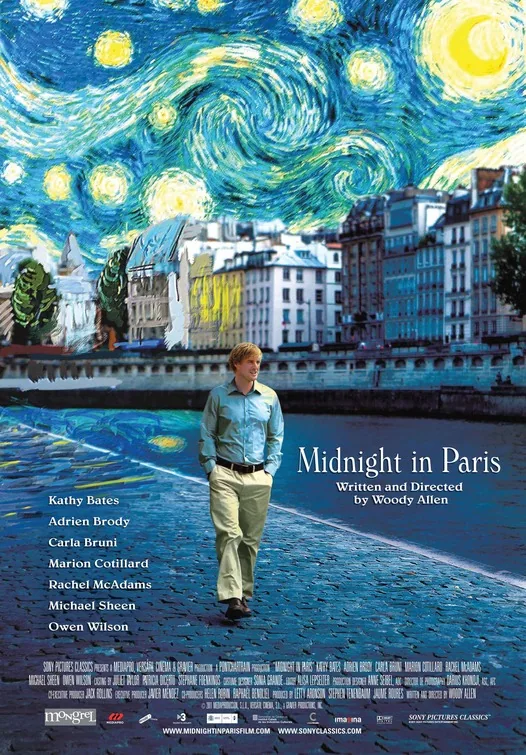
Selected for the central appeal: A screenwriter visits an idealized Parisian past and discovers that nostalgia does not resolve dissatisfaction.
Genres: Fantasy / Romance
Shared film traits
Based on recorded story, mood and style. Your preferences can change the order.
What changes A dissatisfied person escapes everyday life through a fantastical encounter with an idealized world, forcing a choice between fantasy and reality.
During the Depression, New Jersey waitress Cecilia escapes an abusive marriage and an exhausting job by returning to the cinema. A character in her favorite picture, archaeologist Tom Baxter, notices her and steps out of the screen, leaving the other film characters unable to continue. The studio sends Tom's actor, Gil Shepherd, to bring him back, and Cecilia becomes the focus of competing affections from the fictional adventurer and the man who portrays him. As the movie's producer threatens to destroy copies unless Tom returns, Cecilia must decide whether she wants a life with someone who belongs to fantasy or with someone who can move through the real world. The story's play with cinema is also a melancholic account of how little escape can change material circumstances.
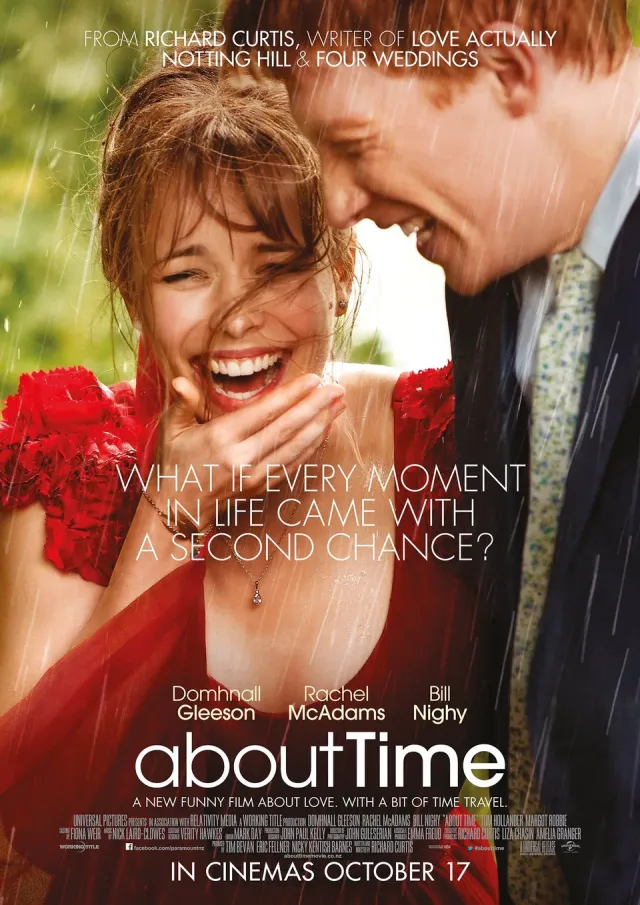
Time travel begins as a means of improving dates and mistakes, but its family consequences place limits on what Tim can revise without changing the people he loves. The film favors emotional consequence over a fully consistent mechanics puzzle.
Why this matches +
These offer a related experience with a meaningful difference in story, tone, or presentation.
An adjacent discovery: a related idea with a different viewing experience.
Genres: Comedy / Drama
Shared film traits
Based on recorded story, mood and style. Your preferences can change the order.
What changes A man uses time travel to revisit romantic choices and learns that an appealing alternative does not eliminate life's difficulties.
On his twenty-first birthday, Tim learns from his father that the men in their family can travel back through their own lives by entering a dark place and concentrating on a moment. He first uses the ability to repair awkward encounters, then pursues Mary while concealing how much he can revise their shared past. Family life makes the power harder to treat as a private advantage: changes can alter who is born, and returning to earlier moments cannot restore every later attachment. The romantic comedy gradually becomes a story about accepting ordinary days and the grief no perfect revision can remove.
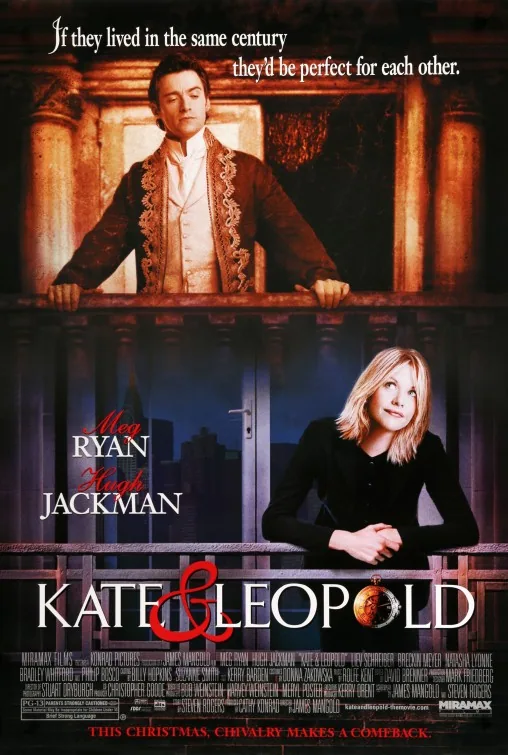
Leopold’s arrival in the present creates a courtship shaped by different expectations and social codes.
Why this matches +
These offer a related experience with a meaningful difference in story, tone, or presentation.
An adjacent discovery: a related idea with a different viewing experience.
Genres: Comedy / Fantasy
Shared film traits
Based on recorded story, mood and style. Your preferences can change the order.
What changes A romance across time encourages its protagonists to reconsider the appeal of an earlier era and the constraints of their present lives.
A 19th-century duke is displaced into present-day New York, where he meets Kate, a career-minded woman skeptical of romance. Their attraction puts social manners, ambition and the possibility of belonging in tension across two eras. The time-travel comedy builds its central question around whether a person can adapt to a different historical world without losing the values that define him.
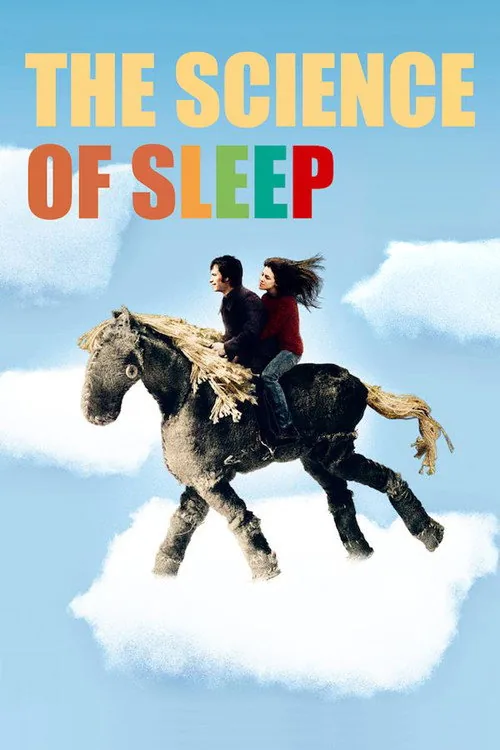
Stéphane’s elaborate dreams keep intruding into his attempts to work, communicate, and build a relationship with Stéphanie.
Why this matches +
These offer a related experience with a meaningful difference in story, tone, or presentation.
An adjacent discovery: a related idea with a different viewing experience.
Genres: Fantasy / Comedy
Shared film traits
Based on recorded story, mood and style. Your preferences can change the order.
What changes A creative person's romantic desires and dissatisfaction blur the boundary between imaginative fantasy and everyday reality.
After his father’s death, Stéphane returns to Paris and takes an unsatisfying job, where he meets his neighbor Stéphanie. His dreams are vivid, handmade worlds that increasingly spill into his waking life, making it hard to know whether a conversation, invention, or romantic gesture has actually happened. Michel Gondry’s French-language comedy blends fantasy, romance, and surreal craft imagery to follow a shy man whose imagination both connects him with another person and complicates ordinary intimacy.
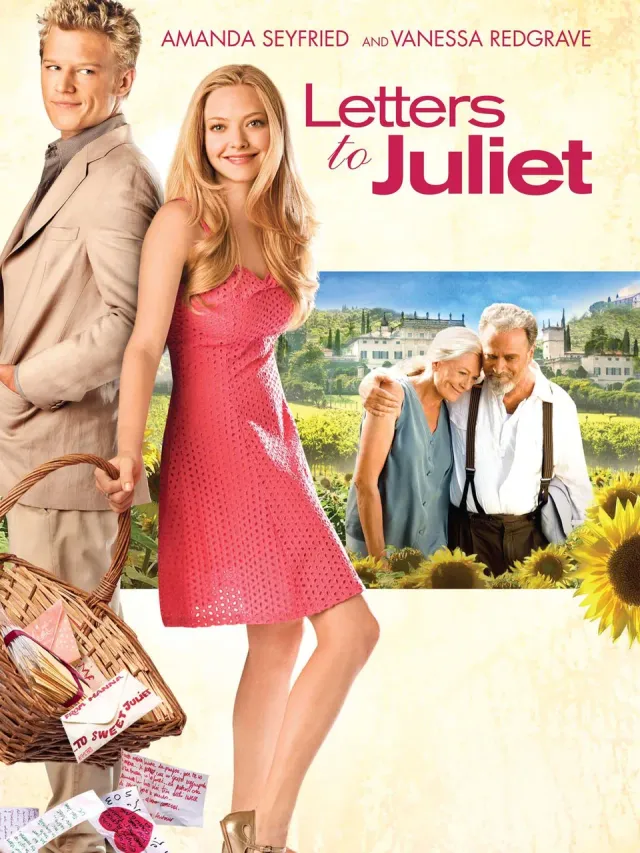
An answered old letter initiates a geographically uncertain reunion search that also reveals the younger helper's dissatisfaction with her current engagement.
Why this matches +
These offer a related experience with a meaningful difference in story, tone, or presentation.
An adjacent discovery: a related idea with a different viewing experience.
Genres: Romance / Comedy
Shared film traits
Based on recorded story, mood and style. Your preferences can change the order.
What changes A traveler in Europe follows a trail tied to an earlier romance and reassesses her own relationship and aspirations.
An aspiring writer on a neglected romantic holiday answers a decades-old plea for advice and unexpectedly brings its author back to Italy. Searching for the man the older woman once left turns an abstract regret into a sequence of uncertain encounters. The woman's grandson resents the renewed risk while growing closer to the younger stranger encouraging it. The romantic travel story lets one search expose another relationship's unmet expectations, making attention to someone else's past a way of reconsidering the future one has already accepted.
A screenwriter visiting Paris with his fiancée longs for the artistic life he associates with an earlier generation. Late-night walks unexpectedly give him access to the writers and artists he idealises, whose encouragement makes his present relationship feel increasingly constrained. Attraction to a woman within that past complicates the fantasy when he discovers that dissatisfaction with the present can survive even inside someone else's imagined golden age.
What drives the story
A recurring journey into an idealised past tests whether nostalgia offers creative renewal or another way to postpone choices in the present.
The people at its centre
A disapproving fiancée and admiring historical companions pull the writer toward different versions of himself, while a new attraction exposes the relativity of nostalgia.
What it feels like
Warm nocturnal streets, literary encounters and light verbal comedy give the time-slip fantasy a relaxed, wistful rhythm.
Worth knowing
Time travel is a device for examining romanticised eras and artistic insecurity, rather than a rule-heavy causal puzzle or a historical reconstruction.