A recurring journey into an idealised past tests whether nostalgia offers creative renewal or another way to postpone choices in the present.
Why this matches +
Selected for the central appeal: Bittersweet fantasies about cinema, fictional escape and a woman seeking a different life.
Genres: Fantasy / Romance
Shared film traits
Based on recorded story, mood and style. Your preferences can change the order.
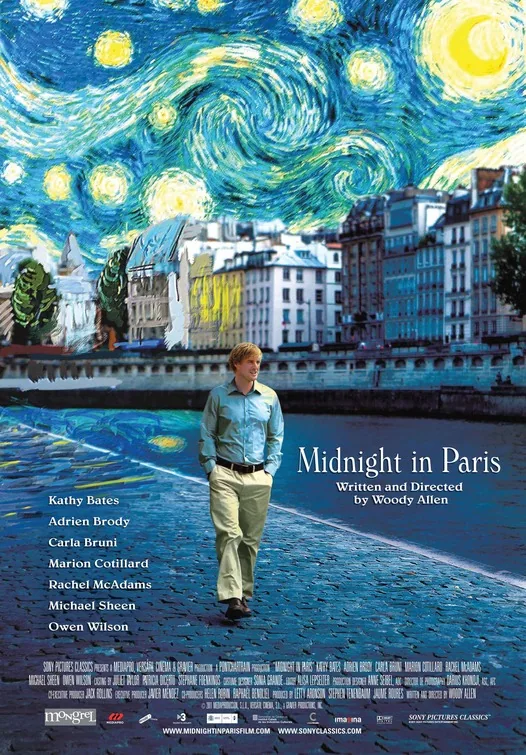
What changes Midnight in Paris follows a protagonist whose escape into an imagined past exposes dissatisfaction with the present.
A screenwriter visiting Paris with his fiancée longs for the artistic life he associates with an earlier generation. Late-night walks unexpectedly give him access to the writers and artists he idealises, whose encouragement makes his present relationship feel increasingly constrained. Attraction to a woman within that past complicates the fantasy when he discovers that dissatisfaction with the present can survive even inside someone else's imagined golden age.
News from home opens a recollection in which apprenticeship, first love and departure shape the meaning of a later artistic life.
Why this matches +
These offer a related experience with a meaningful difference in story, tone, or presentation.
An adjacent discovery: a related idea with a different viewing experience.
Genres: Drama / Coming-of-age
Shared film traits
Based on recorded story, mood and style. Your preferences can change the order.
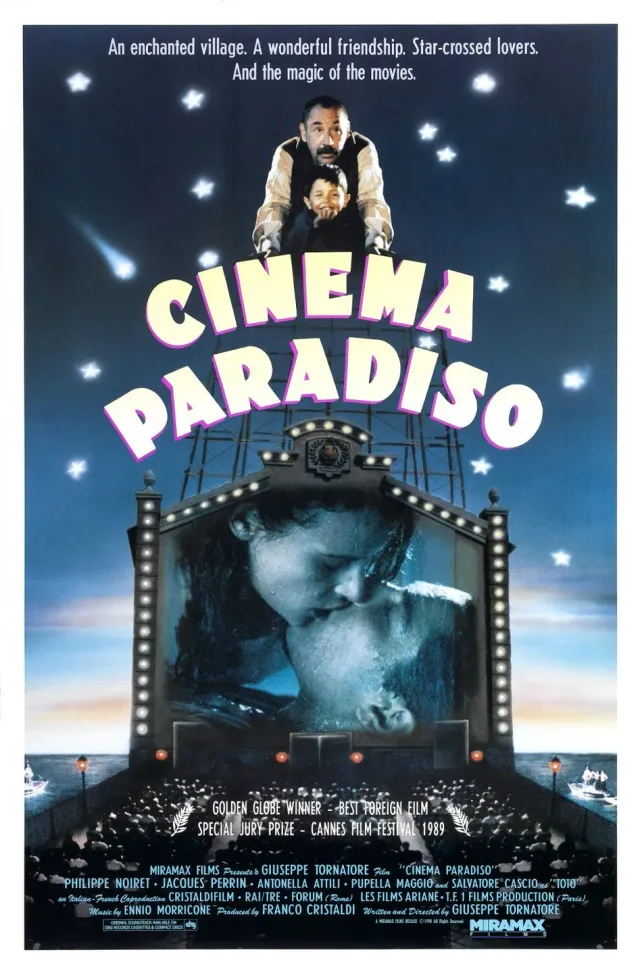
What changes Cinema Paradiso portrays the emotional refuge cinema offers amid difficult personal circumstances.
A successful filmmaker learns of a death in the Sicilian town he left decades earlier and revisits his childhood through memories of its cinema. Friendship with a projectionist introduced him to images, forbidden access and the communal life organised around a screen. Growing older brings romance and the difficult possibility that following a vocation may require leaving the place and people through which that vocation first became imaginable.
Two modern siblings enter a fictional television town whose routines start to shift around them.
Why this matches +
These offer a related experience with a meaningful difference in story, tone, or presentation.
An adjacent discovery: a related idea with a different viewing experience.
Genres: Comedy / Drama
Shared film traits
Based on recorded story, mood and style. Your preferences can change the order.
Constructed reality
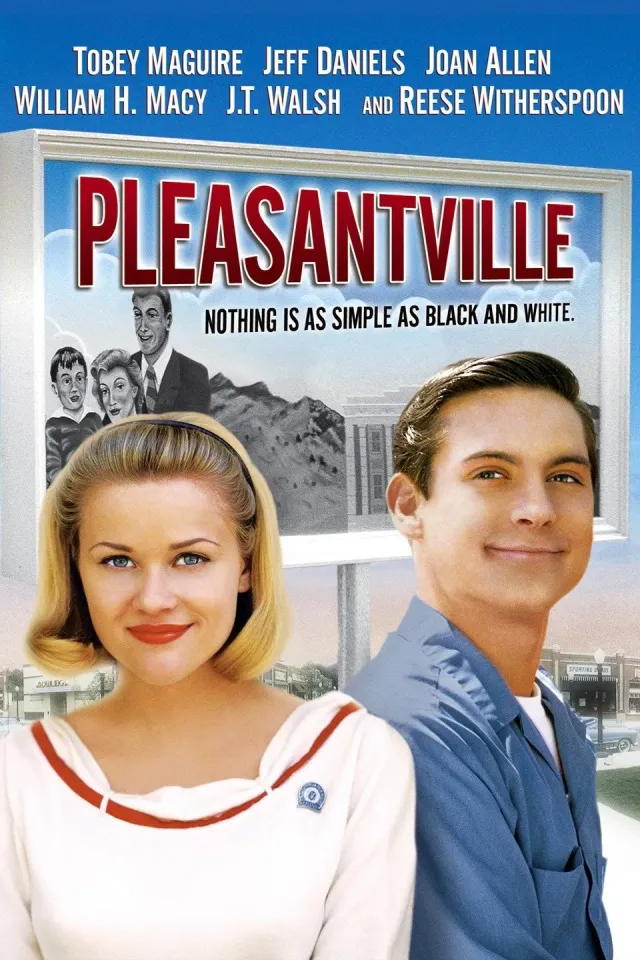
What changes Pleasantville brings fictional screen worlds into contact with people whose assumptions are changed by the encounter.
Siblings David and Jennifer are drawn into a black-and-white television sitcom world where life follows a tidy set of rules. Their arrival brings small changes that begin to alter both the people and the images around them, unsettling the town's expectations of gender, race, art, and desire. As the residents encounter choices beyond the program's script, the siblings discover how difficult it is to change a world that depends on keeping everyone predictable.
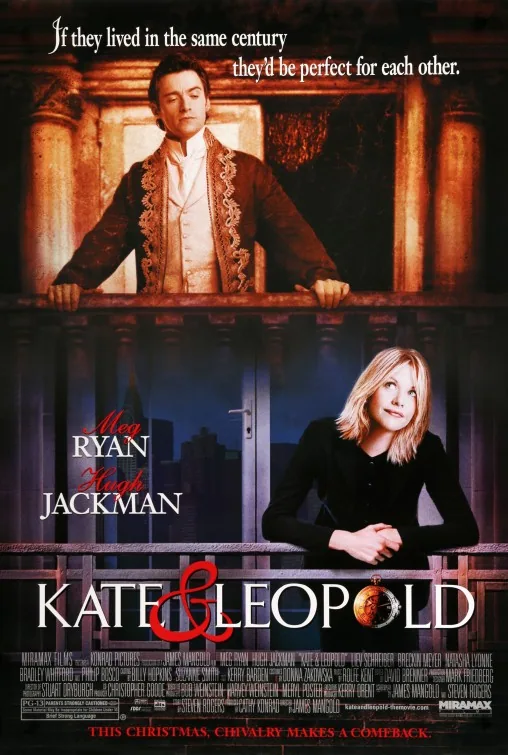
Leopold’s arrival in the present creates a courtship shaped by different expectations and social codes.
Why this matches +
These offer a related experience with a meaningful difference in story, tone, or presentation.
An adjacent discovery: a related idea with a different viewing experience.
Genres: Comedy / Fantasy
Shared film traits
Based on recorded story, mood and style. Your preferences can change the order.
What changes Kate & Leopold combines an impossible cross-time romance with uncertainty about where a partner belongs.
A 19th-century duke is displaced into present-day New York, where he meets Kate, a career-minded woman skeptical of romance. Their attraction puts social manners, ambition and the possibility of belonging in tension across two eras. The time-travel comedy builds its central question around whether a person can adapt to a different historical world without losing the values that define him.
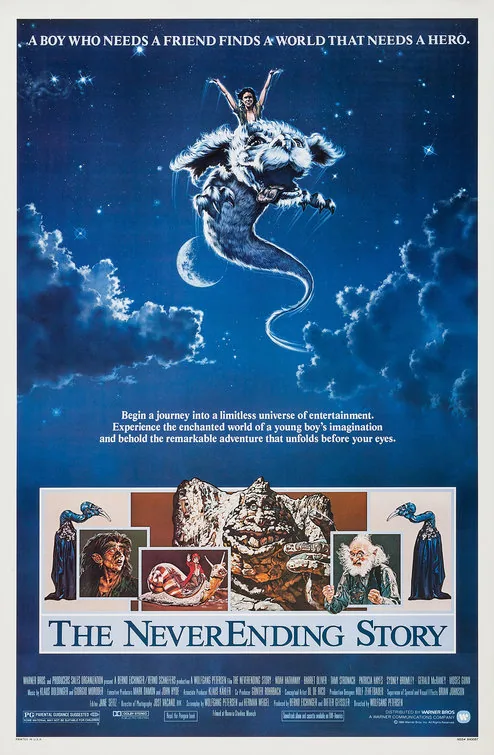
A reader follows a hero through a threatened fantasy world and gradually discovers his own role in its survival.
Why this matches +
These offer a related experience with a meaningful difference in story, tone, or presentation.
An adjacent discovery: a related idea with a different viewing experience.
Genres: Fantasy / Adventure
Shared film traits
Based on recorded story, mood and style. Your preferences can change the order.
What changes The NeverEnding Story centers a viewer whose connection to a fictional world changes the story itself.
A lonely boy named Bastian hides in an old book and discovers Fantasia, a world threatened by a force called the Nothing. As the young warrior Atreyu searches for a way to save the Childlike Empress, Bastian realizes that reading has drawn him into the fate of the story. Their intertwined journeys explore how imagination can offer comfort while also asking for courage and participation.
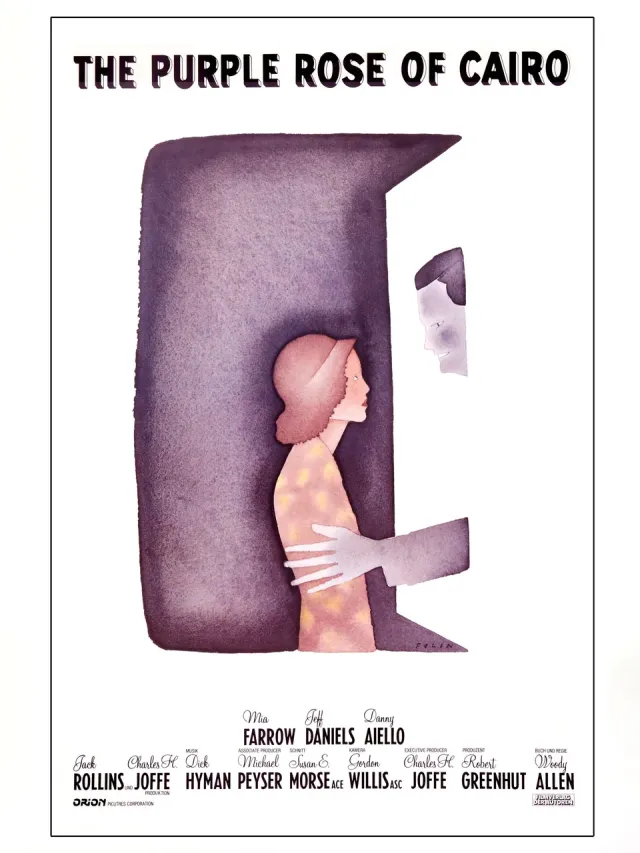
During the Depression, New Jersey waitress Cecilia escapes an abusive marriage and an exhausting job by returning to the cinema. A character in her favorite picture, archaeologist Tom Baxter, notices her and steps out of the screen, leaving the other film characters unable to continue. The studio sends Tom's actor, Gil Shepherd, to bring him back, and Cecilia becomes the focus of competing affections from the fictional adventurer and the man who portrays him. As the movie's producer threatens to destroy copies unless Tom returns, Cecilia must decide whether she wants a life with someone who belongs to fantasy or with someone who can move through the real world. The story's play with cinema is also a melancholic account of how little escape can change material circumstances.
What drives the story
A movie character leaves his film for a spectator, bringing the studio, the actor and the stalled picture into Cecilia's private life.
The people at its centre
Cecilia's longing makes Tom feel like rescue, but Gil's ordinary presence is more complicated than the role he plays; both men's choices expose her limited options.
What it feels like
A light, self-aware fantasy gradually turns bittersweet, moving between a Depression-era town, a theater audience and a fictional screen world.
Worth knowing
For viewers who enjoy metafiction and romantic melancholy. Its fantasy is about cinema's limits and pleasures, not a magical romance that simply rewards escape.
CinemaRealityLonging
Mood
Bittersweet · Whimsical · Melancholic
Pacing
Measured · Metafictional
Visual style
Period fantasy · Minimalist
Storytelling
Cinema and memory · Mistaken identity entanglement