Recurring images and family memories accumulate associatively, connecting private experience with the upheavals of Soviet history rather than driving toward one external goal.
Why this matches +
These offer a related experience with a meaningful difference in story, tone, or presentation.
An adjacent discovery: a related idea with a different viewing experience.
Genres: Drama / Biography
Shared film traits
Based on recorded story, mood and style. Your preferences can change the order.
Memory and identity
What changes A formally experimental Russian film moves through memory, history and personal identity without a conventional linear narrative; Tarkovsky's intimate family images.
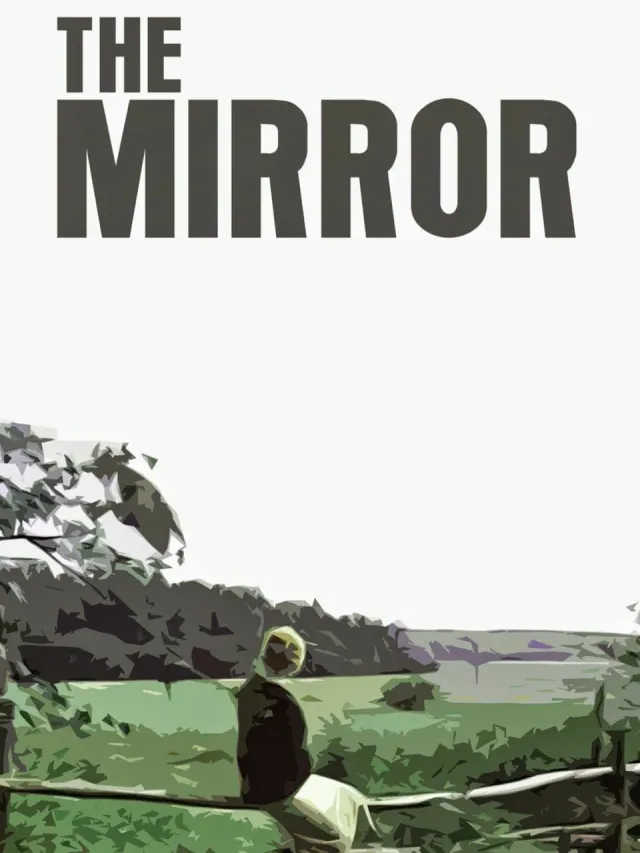
A dying man’s memories unfold in fragments across childhood, adulthood and wartime, with the film shifting between a boy named Alex, his mother and the adult voice remembering them. Images of a country house, a printing press and family separations recur without being arranged into a conventional chronological plot. Andrei Tarkovsky weaves autobiographical material, poetry and historical footage into a meditation on memory and inheritance. The scenes do not always clarify whether they belong to recollection, dream or present action; their emotional links matter more than a single explanatory mystery.
A working day becomes raw material for an editor who exposes how camera placement and cutting build a cinematic account of collective life.
Why this matches +
These offer a related experience with a meaningful difference in story, tone, or presentation.
An adjacent discovery: a related idea with a different viewing experience.
Genres: Documentary / Experimental
The approach A documentary treatment rather than a dramatic feature.
Shared film traits
Based on recorded story, mood and style. Your preferences can change the order.
Constructed reality
What changes An innovative nonfiction film uses camera movement and visual form to explore a city's cultural life; Soviet urban montage rather than a continuous museum journey.
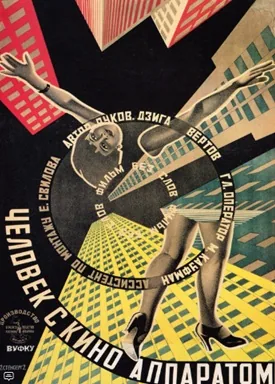
Across a day in several Soviet cities, a cameraman records streets, factories, transport, leisure and public events while an editor assembles the footage into a dynamic portrait of modern urban life. The film repeatedly shows the camera operator at work and the editor arranging the very images the audience sees, making production part of its subject. There is no conventional cast or dialogue-driven plot: visual associations, superimpositions and changes in speed turn ordinary labor and motion into an experiment in what cinema can reveal and construct.
A recurring journey into an idealised past tests whether nostalgia offers creative renewal or another way to postpone choices in the present.
Why this matches +
These offer a related experience with a meaningful difference in story, tone, or presentation.
An adjacent discovery: a related idea with a different viewing experience.
Genres: Fantasy / Romance
Shared film traits
Based on recorded story, mood and style. Your preferences can change the order.
What changes A visitor moves among figures from different historical periods and considers art, memory and cultural identity; a nostalgic romantic fantasy in Paris.
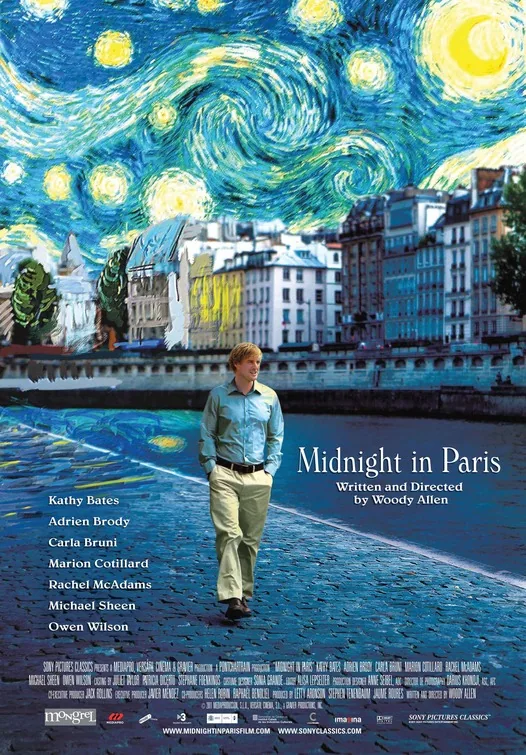
A screenwriter visiting Paris with his fiancée longs for the artistic life he associates with an earlier generation. Late-night walks unexpectedly give him access to the writers and artists he idealises, whose encouragement makes his present relationship feel increasingly constrained. Attraction to a woman within that past complicates the fantasy when he discovers that dissatisfaction with the present can survive even inside someone else's imagined golden age.
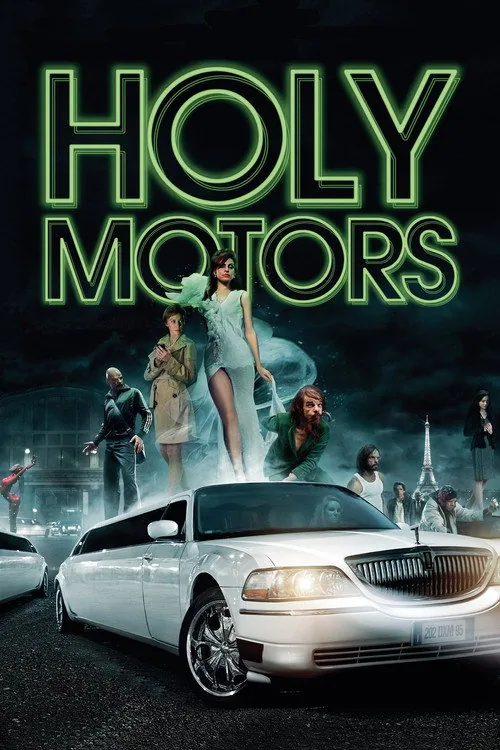
Mr. Oscar travels between scheduled performances, repeatedly changing appearance and behavior without clear explanation of who arranged or watches them.
Why this matches +
These offer a related experience with a meaningful difference in story, tone, or presentation.
An adjacent discovery: a related idea with a different viewing experience.
Genres: Drama / Fantasy
Shared film traits
Based on recorded story, mood and style. Your preferences can change the order.
Memory and identity · Constructed reality
What changes A wandering figure passes through shifting performances and identities in a formally playful meditation on cinema and modern life; episodic Parisian encounters.
A wealthy passenger named Mr. Oscar rides through Paris in a white limousine, receiving a series of appointments from his driver Céline. At each stop he transforms into another person: a beggar, motion-capture performer, violent sewer-dweller, father, gangster, and more. No obvious audience or camera explains the performances, and fragments of personal history surface between them. The surreal drama treats identity as work and performance, asking what remains of an actor when roles continue through an apparently ordinary day.
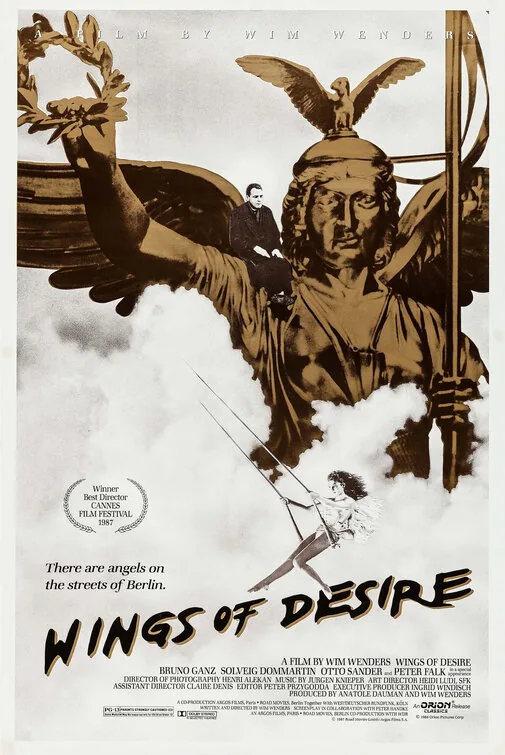
Damiel’s desire to become human grows from listening to countless separate lives and recognizing the limits of distant compassion.
Why this matches +
These offer a related experience with a meaningful difference in story, tone, or presentation.
An adjacent discovery: a related idea with a different viewing experience.
Genres: Fantasy / Drama
Shared film traits
Based on recorded story, mood and style. Your preferences can change the order.
Memory and identity
What changes An unseen observer moves through a city listening to lives and reflecting on history and human experience; angels in divided Berlin.
In divided Berlin, angels Damiel and Cassiel observe people’s private thoughts and sorrows while remaining unable to participate in ordinary sensation. Damiel becomes increasingly drawn to human experience and to Marion, a trapeze artist whose own life is changing. Peter Falk’s arrival as a visiting actor, who seems aware of the angels, helps connect Damiel’s abstract longing to the physical routines of city life. Wim Wenders places the love story among Berlin’s streets, memories and postwar histories, making the city itself part of the film’s meditation. By listening to individual voices, the film makes inward life its dramatic landscape. Actor Peter Falk links angelic distance to a human who has chosen embodiment.
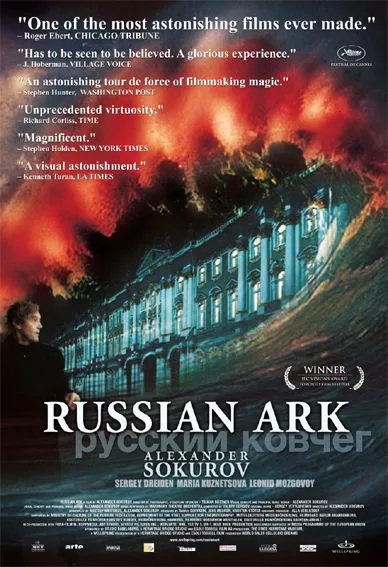
A disembodied narrator wanders through the Hermitage and Winter Palace, encountering figures from different periods of Russian history alongside a European diplomat. The journey unfolds as one continuous camera movement, connecting rooms, art and social rituals without conventional cuts. The film makes the museum’s architecture its organizing principle and turns a walk through accumulated history into a meditation on memory and cultural identity.
What drives the story
A wandering narrator’s passage through the palace makes historical periods coexist in one present-tense route.
The people at its centre
The narrator and diplomat offer contrasting perspectives as they move among court society and artworks.
What it feels like
Its uninterrupted camera movement encourages immersion and careful attention to space.
Worth knowing
Formal museum journey differs from dialogue-led historical drama with a linear plot.
HistoryMemoryArt
Mood
Dreamlike · Reflective · Majestic
Pacing
Unhurried · Continuous
Visual style
Single-take historical pageant
Storytelling
Historical encounters · Continuous journey · Time travel