The film’s engine is a progression of visual relations rather than a plot: landscape, construction, machines and human crowds are placed in sequence so viewers form the argument themselves.
Why this matches +
These films share important themes, atmosphere or storytelling interests with this selection.
Genres: Documentary / Experimental
Shared film traits
Based on recorded story, mood and style. Your preferences can change the order.
What changes Its own story: The film’s engine is a progression of visual relations rather than a plot: landscape, construction, machines and human crowds are placed in sequence so viewers form the argument themselves.
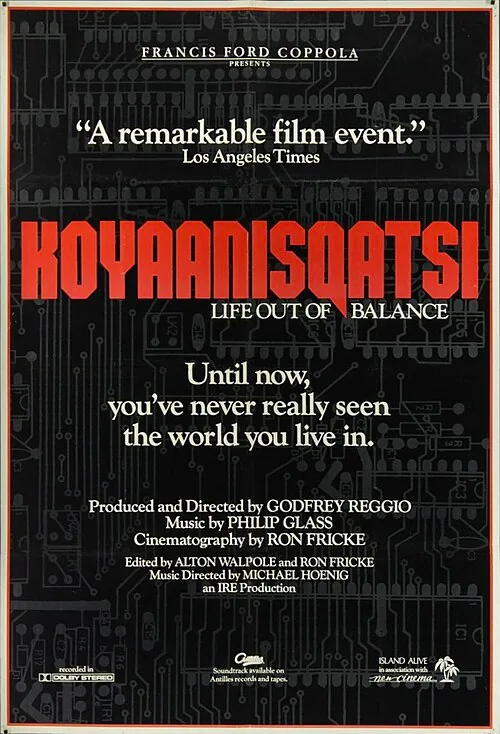
Without conventional dialogue or a central character, Koyaanisqatsi moves from deserts, clouds and geological formations to cities, factories, traffic and crowds. Philip Glass’s repeating score turns time-lapse images into mounting rhythms, while slow motion makes ordinary movement strange. The juxtaposition invites viewers to connect industrial speed and environmental change, but the film does not state one simple thesis through narration. Its title comes from a Hopi word translated in the film as life out of balance; that use should not be mistaken for a complete or neutral account of Hopi philosophy. The experience is an audiovisual essay whose sequence and music guide interpretation even as its nonverbal form leaves room for disagreement about what the images prove.
A wandering narrator’s passage through the palace makes historical periods coexist in one present-tense route.
Why this matches +
These films share important themes, atmosphere or storytelling interests with this selection.
Genres: Fantasy / Historical
The approach A dramatic feature rather than documentary footage.
Shared film traits
Based on recorded story, mood and style. Your preferences can change the order.
Constructed reality
What changes Its own story: A wandering narrator’s passage through the palace makes historical periods coexist in one present-tense route.
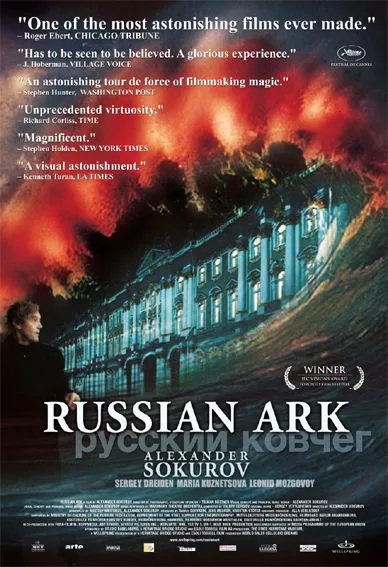
A disembodied narrator wanders through the Hermitage and Winter Palace, encountering figures from different periods of Russian history alongside a European diplomat. The journey unfolds as one continuous camera movement, connecting rooms, art and social rituals without conventional cuts. The film makes the museum’s architecture its organizing principle and turns a walk through accumulated history into a meditation on memory and cultural identity.
A routine visit and a group tour move through an impersonal modern city until a restaurant opening transforms formality into chaos.
Why this matches +
These films share important themes, atmosphere or storytelling interests with this selection.
Genres: Comedy
The approach A dramatic feature rather than documentary footage.
Shared film traits
Based on recorded story, mood and style. Your preferences can change the order.
What changes Its own story: A routine visit and a group tour move through an impersonal modern city until a restaurant opening transforms formality into chaos.
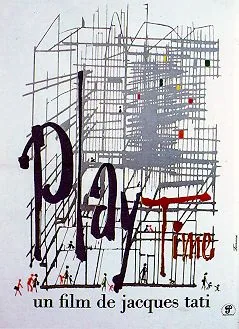
Monsieur Hulot arrives in a modern Paris of glass offices, airports and standardized interiors, where a routine appointment proves hard to complete. American tourist Barbara and her companions move through the same confusing spaces, observing a city shaped by consumer culture and modern design. Their paths converge at a newly opened restaurant, where an elaborate evening gradually dissolves into cheerful disorder.
Shared characteristics
Theme: Modernity
Poster: Film rights holders; original promotional poster documented by Wikipedia · Image source
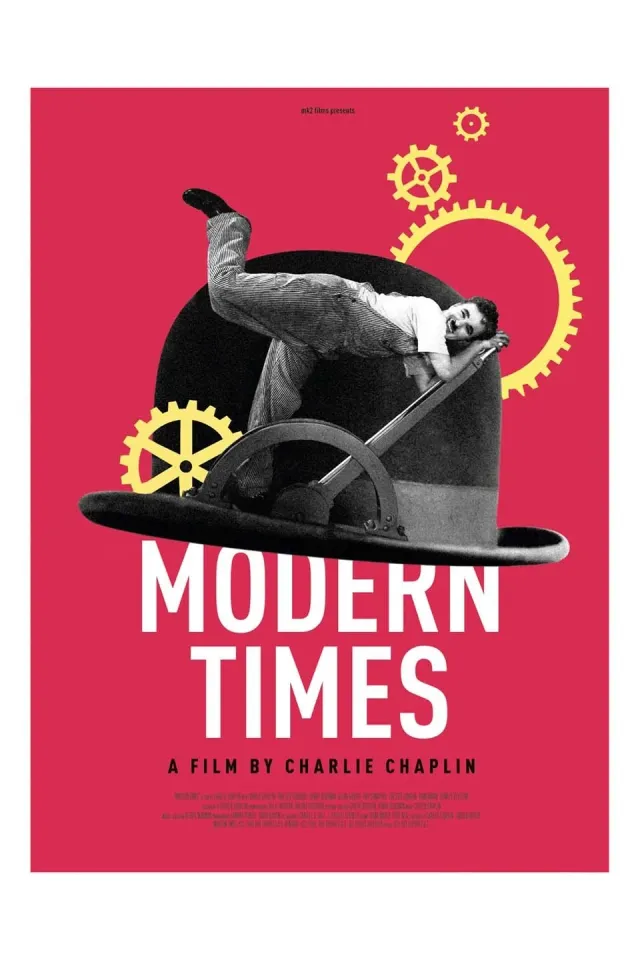
Repeated attempts to secure work and shelter are undone by industrial demands, policing and accidents beyond the protagonists' limited control.
Why this matches +
These films share important themes, atmosphere or storytelling interests with this selection.
Genres: Drama / Romance
The approach A dramatic feature rather than documentary footage.
Shared film traits
Based on recorded story, mood and style. Your preferences can change the order.
What changes Its own story: Repeated attempts to secure work and shelter are undone by industrial demands, policing and accidents beyond the protagonists' limited control.
A factory worker struggles to keep pace with a production system that treats his body as another machine. After breakdown, unemployment and repeated arrests, he forms a partnership with a young woman also trying to find food and shelter. Their shifting jobs and improvised domestic hopes turn the search for an ordinary livelihood into an episodic confrontation with economic insecurity, mechanised discipline and institutions that mistake vulnerability for disorder.
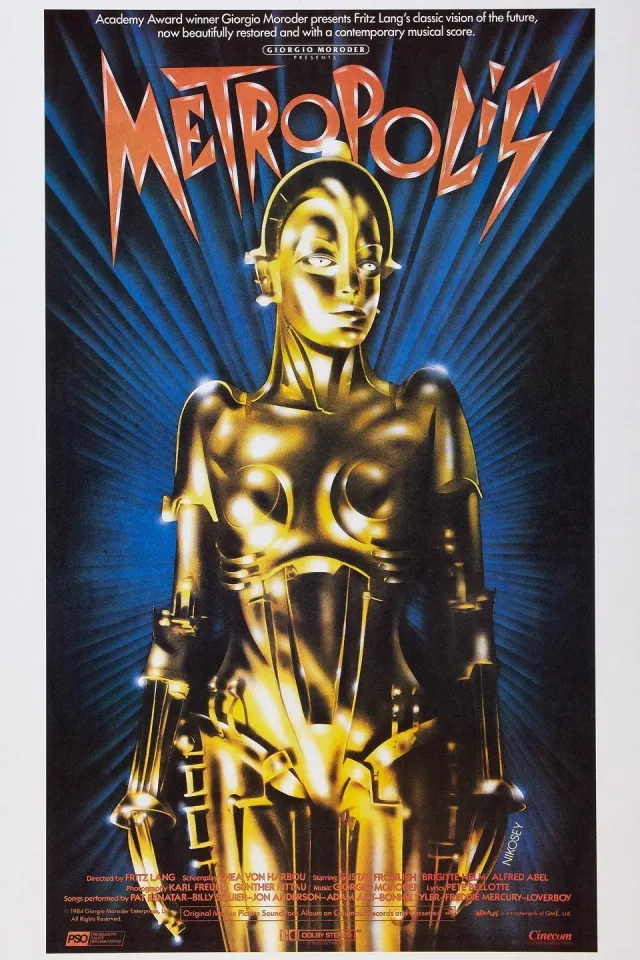
A concealed class order is destabilised when an artificial double redirects workers' hopes and grievances into actions serving competing private agendas.
Why this matches +
These films share important themes, atmosphere or storytelling interests with this selection.
Genres: Science fiction / Drama
The approach A dramatic feature rather than documentary footage.
Shared film traits
Based on recorded story, mood and style. Your preferences can change the order.
What changes Its own story: A concealed class order is destabilised when an artificial double redirects workers' hopes and grievances into actions serving competing private agendas.
The privileged son of an industrial ruler discovers the exhaustion and danger sustaining life beneath his futuristic city. His attraction to a workers' advocate draws him into a conflict his father tries to control through surveillance and a manufactured double. As mechanised labour, religious imagery and mass unrest converge, attempts to manipulate collective fear threaten the very people the opposing leaders claim to represent.
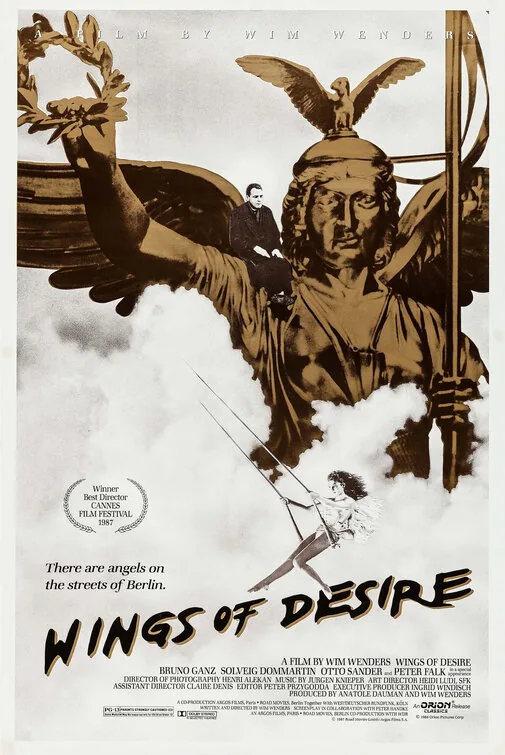
Damiel’s desire to become human grows from listening to countless separate lives and recognizing the limits of distant compassion.
Why this matches +
These films explore a related idea in a different setting, genre or style.
An adjacent discovery: a related idea with a different viewing experience.
Genres: Fantasy / Drama
The approach A dramatic feature rather than documentary footage.
Shared film traits
Based on recorded story, mood and style. Your preferences can change the order.
What changes Its own story: Damiel’s desire to become human grows from listening to countless separate lives and recognizing the limits of distant compassion.
In divided Berlin, angels Damiel and Cassiel observe people’s private thoughts and sorrows while remaining unable to participate in ordinary sensation. Damiel becomes increasingly drawn to human experience and to Marion, a trapeze artist whose own life is changing. Peter Falk’s arrival as a visiting actor, who seems aware of the angels, helps connect Damiel’s abstract longing to the physical routines of city life. Wim Wenders places the love story among Berlin’s streets, memories and postwar histories, making the city itself part of the film’s meditation. By listening to individual voices, the film makes inward life its dramatic landscape. Actor Peter Falk links angelic distance to a human who has chosen embodiment.
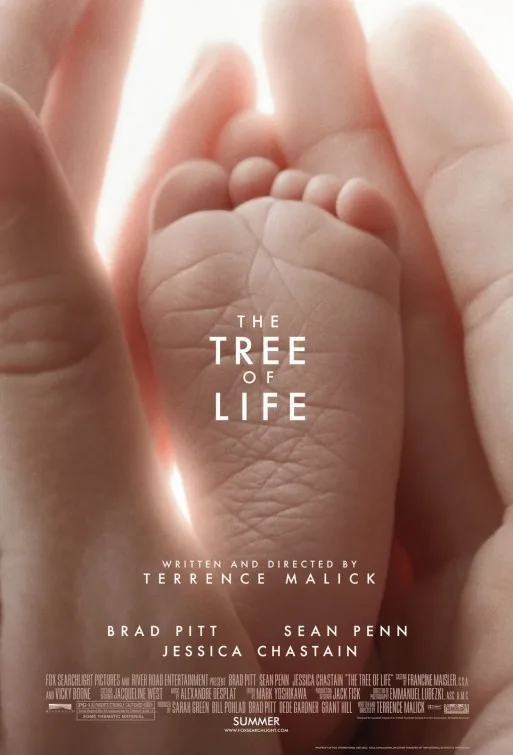
An adult revisits family memories and a sibling's death while the film places his private grief beside an immense cosmic history.
Why this matches +
These films explore a related idea in a different setting, genre or style.
An adjacent discovery: a related idea with a different viewing experience.
Genres: Drama / Coming-of-age
The approach A dramatic feature rather than documentary footage.
Shared film traits
Based on recorded story, mood and style. Your preferences can change the order.
What changes Its own story: An adult revisits family memories and a sibling's death while the film places his private grief beside an immense cosmic history.
Adult Jack reflects on his childhood in 1950s Texas, where his mother's warmth and his father's strict, ambitious parenting shaped his ideas about love and power. The memory of a family loss runs through his recollections, making ordinary moments of play, discipline and sibling rivalry feel charged with questions he could not answer as a child. The film moves between Jack's present, fragmented family memories and vast images of the universe's origins, placing private grief beside the scale of creation. Rather than offer a single explanatory account of the past, it lets images, music and recurrence carry much of the emotional argument. Jack's adult search is for a way to hold anger, love and absence together.
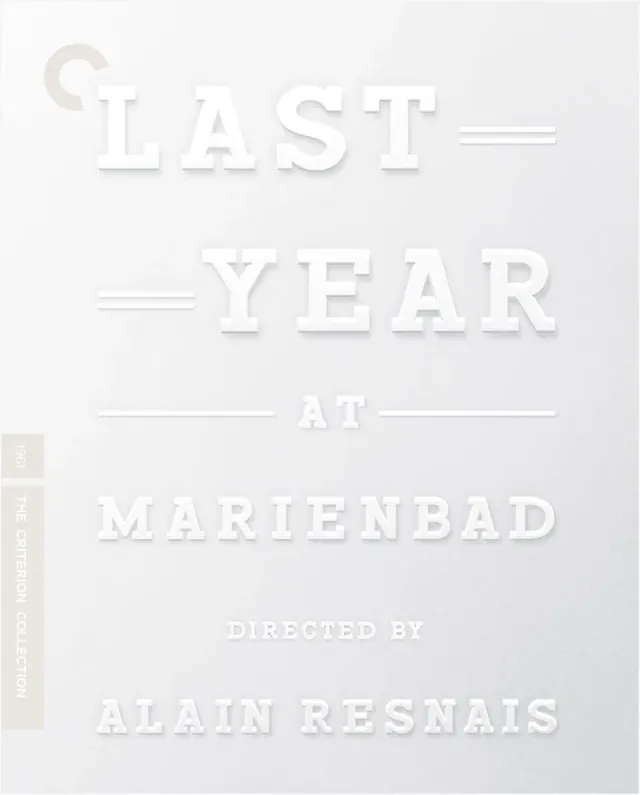
The unnamed man keeps trying to convert his account of a prior meeting into a present obligation. The film’s loops do not establish whether he remembers, invents or imposes the story.
Why this matches +
These films explore a related idea in a different setting, genre or style.
An adjacent discovery: a related idea with a different viewing experience.
Genres: Drama / Mystery
The approach A dramatic feature rather than documentary footage.
Shared film traits
Based on recorded story, mood and style. Your preferences can change the order.
What changes Its own story: The unnamed man keeps trying to convert his account of a prior meeting into a present obligation. The film’s loops do not establish whether he remembers, invents or imposes the story.
At an ornate European resort, a man insists that a woman met him the previous year and agreed to leave with him. She resists his version, while their conversations return to rooms, gardens and events that seem familiar but never settle into one chronology. A second man’s presence turns their exchange into a contest over memory and authority as much as a possible romance. Alain Resnais’s film withholds the evidence that would make the story a conventional mystery; its repeated spaces and contradictory statements keep the viewer inside a struggle over what may have happened. Ambiguity does not make the woman’s resistance incidental. The film’s formal puzzle and the pressure exerted by the man’s insistence need to be held together rather than resolved into a single secret answer.
Rather than build toward a conventional dramatic resolution, the film returns to contrasts between two environments and lets everyday tasks reveal what each way of living values.
Why this matches +
These films explore a related idea in a different setting, genre or style.
An adjacent discovery: a related idea with a different viewing experience.
Genres: Comedy
The approach A dramatic feature rather than documentary footage.
Shared film traits
Based on recorded story, mood and style. Your preferences can change the order.
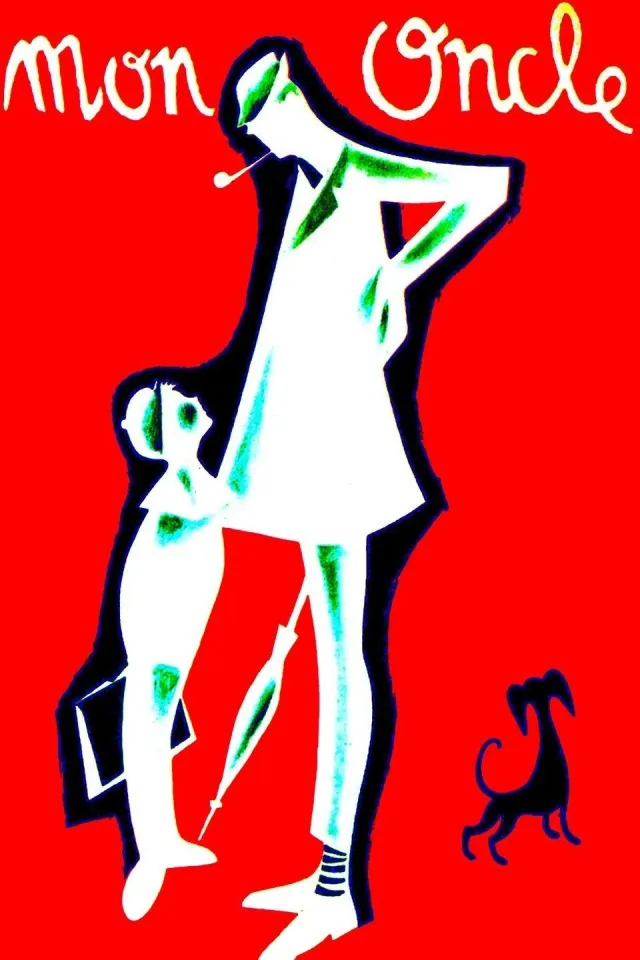
What changes Its own story: Rather than build toward a conventional dramatic resolution, the film returns to contrasts between two environments and lets everyday tasks reveal what each way of living values.
Gérard Arpel lives with status-conscious parents in Villa Arpel, an immaculate modern home where awkward design and noisy appliances frustrate ordinary life. His beloved uncle, Monsieur Hulot, lives in an older Paris neighborhood and shares the boy's appetite for spontaneous play. The Arpels decide Hulot needs employment and arrange a position at M. Arpel's plastics factory, hoping to redirect his aimless habits. Their efforts repeatedly create comic disorder, while Gérard's attachment to Hulot exposes the emotional sterility beneath his parents' polished social performance.
A stolen work tool turns an ordinary first day into a search whose failure threatens a family's fragile income and the father's self-respect.
Why this matches +
These films explore a related idea in a different setting, genre or style.
An adjacent discovery: a related idea with a different viewing experience.
Genres: Drama / Art
The approach A dramatic feature rather than documentary footage.
Shared film traits
Based on recorded story, mood and style. Your preferences can change the order.
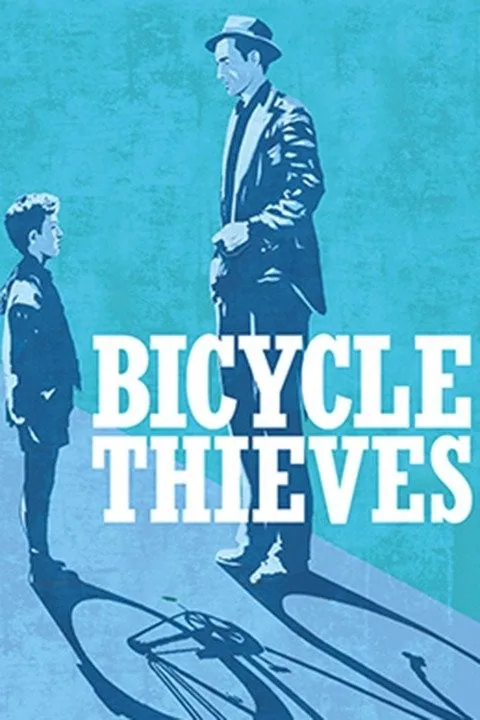
What changes Its own story: A stolen work tool turns an ordinary first day into a search whose failure threatens a family's fragile income and the father's self-respect.
A father in postwar Rome finally obtains work that depends on owning a bicycle, only to have it stolen at the beginning of the job. Searching the city with his young son reveals how little protection formal authority and community can offer against material desperation. Each failed lead narrows his options, exposing the pressure poverty places on the identity he hopes to maintain in front of a child who still depends on him.
A sequence of rides creates a loose structure in which brief encounters and conversation carry each episode.
Why this matches +
These films explore a related idea in a different setting, genre or style.
An adjacent discovery: a related idea with a different viewing experience.
Genres: Comedy / Drama
The approach A dramatic feature rather than documentary footage.
Shared film traits
Based on recorded story, mood and style. Your preferences can change the order.
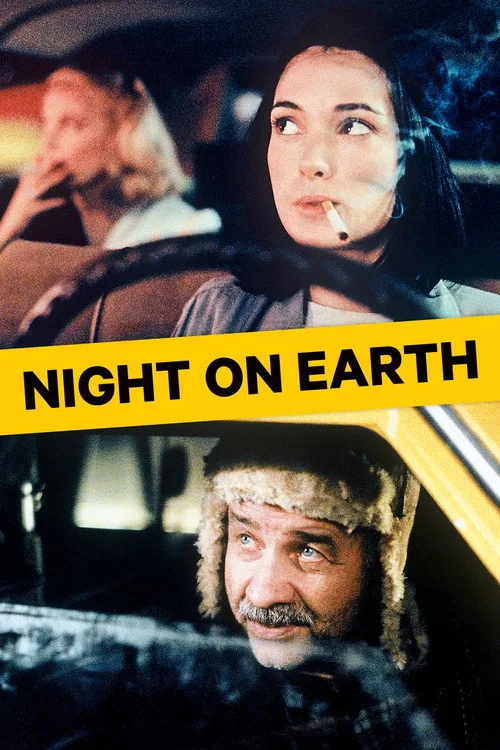
What changes Its own story: A sequence of rides creates a loose structure in which brief encounters and conversation carry each episode.
Five taxi rides unfold during one night in Los Angeles, New York, Paris, Rome, and Helsinki. Each vignette pairs a driver with passengers whose brief conversation reveals differences in language, work, class, family, or temperament. Jim Jarmusch keeps the action largely inside the taxis, making the rides feel like small temporary worlds where strangers can talk more freely than they might elsewhere. The film is an ensemble anthology of comic, awkward, and unexpectedly intimate encounters rather than one continuous plot.
A child's attempt to recover a connection with his father opens an investigation into another person's interrupted vocation and the possibility of restoring recognition.
Why this matches +
These films explore a related idea in a different setting, genre or style.
An adjacent discovery: a related idea with a different viewing experience.
Genres: Drama / Adventure
The approach A dramatic feature rather than documentary footage.
Shared film traits
Based on recorded story, mood and style. Your preferences can change the order.
What changes Its own story: A child's attempt to recover a connection with his father opens an investigation into another person's interrupted vocation and the possibility of restoring recognition.
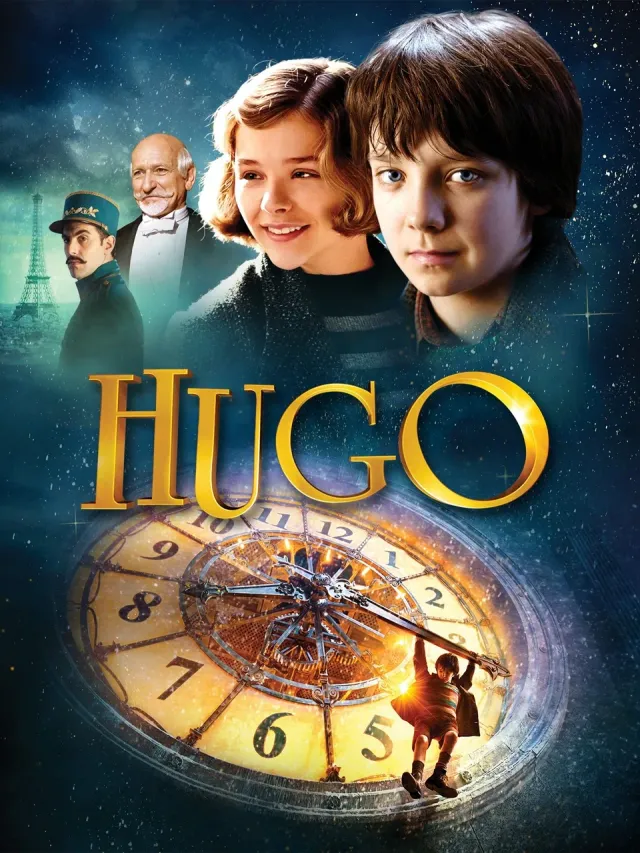
An orphan secretly maintaining the clocks in a Paris railway station tries to repair a mechanical figure he had worked on with his father. Theft of necessary parts brings him into conflict with a shopkeeper whose apparent bitterness conceals a lost creative life. Friendship with a curious girl turns the mechanism into a route through cinematic history, while staying hidden from official supervision remains a practical condition of preserving the fragile home he has made for himself.
A technological change threatens a star's livelihood and identity while someone linked to his past finds new opportunity.
Why this matches +
These films explore a related idea in a different setting, genre or style.
An adjacent discovery: a related idea with a different viewing experience.
Genres: Drama / Romance
The approach A dramatic feature rather than documentary footage.
Shared film traits
Based on recorded story, mood and style. Your preferences can change the order.
What changes Its own story: A technological change threatens a star's livelihood and identity while someone linked to his past finds new opportunity.
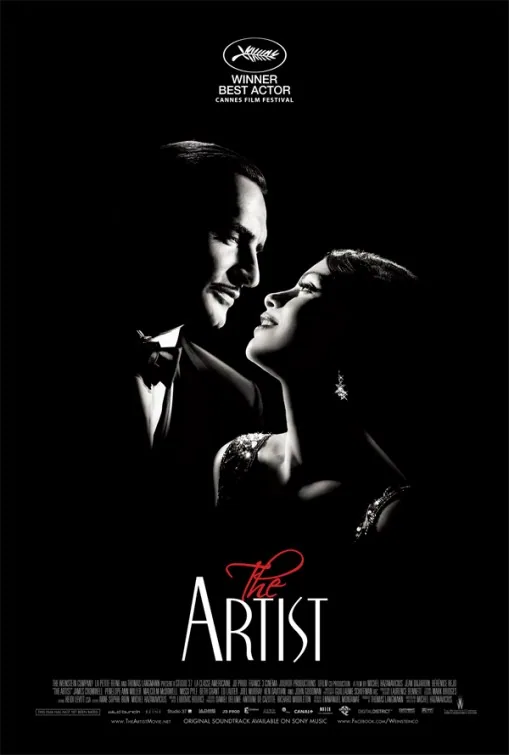
A celebrated silent-film actor enjoys an established public identity just as recorded dialogue begins changing the industry around him. A young performer he briefly helps adapts to the new medium, and their careers move in opposite directions. Pride and fear make offers of assistance difficult to accept, turning professional obsolescence into a private crisis about whether affection can survive unequal success.
A mistaken impression of wealth gives an outsider a chance to help someone he loves while exposing how little material security he can actually offer.
Why this matches +
These films explore a related idea in a different setting, genre or style.
An adjacent discovery: a related idea with a different viewing experience.
Genres: Drama / Romance
The approach A dramatic feature rather than documentary footage.
Shared film traits
Based on recorded story, mood and style. Your preferences can change the order.
What changes Its own story: A mistaken impression of wealth gives an outsider a chance to help someone he loves while exposing how little material security he can actually offer.
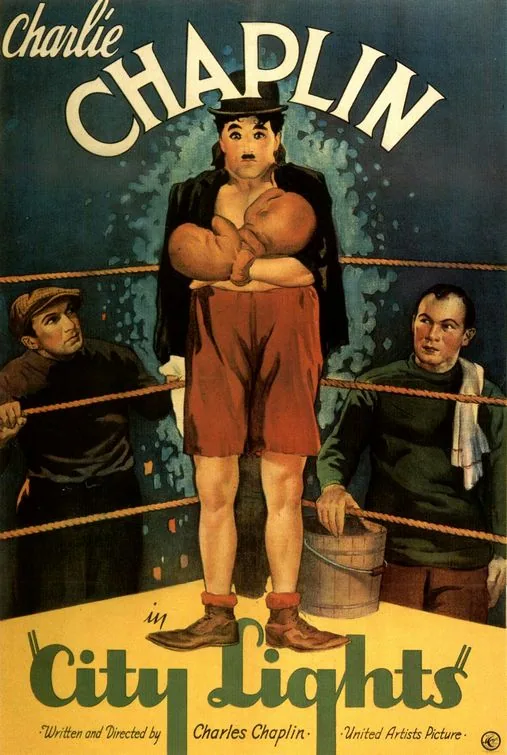
A wandering poor man falls in love with a blind flower seller who mistakes him for someone wealthy. Help from a rich acquaintance proves unstable because that man's affection changes with sobriety, leaving the admirer to invent other ways of making his assumed identity useful. Providing real assistance becomes increasingly difficult to separate from preserving a misunderstanding that also protects him from possible rejection.
The stolen locomotive gives Johnnie a clear pursuit objective, while each obstacle becomes a new physical and mechanical problem to solve.
Why this matches +
These films explore a related idea in a different setting, genre or style.
An adjacent discovery: a related idea with a different viewing experience.
Genres: Romance / Comedy
The approach A dramatic feature rather than documentary footage.
Shared film traits
Based on recorded story, mood and style. Your preferences can change the order.
What changes Its own story: The stolen locomotive gives Johnnie a clear pursuit objective, while each obstacle becomes a new physical and mechanical problem to solve.
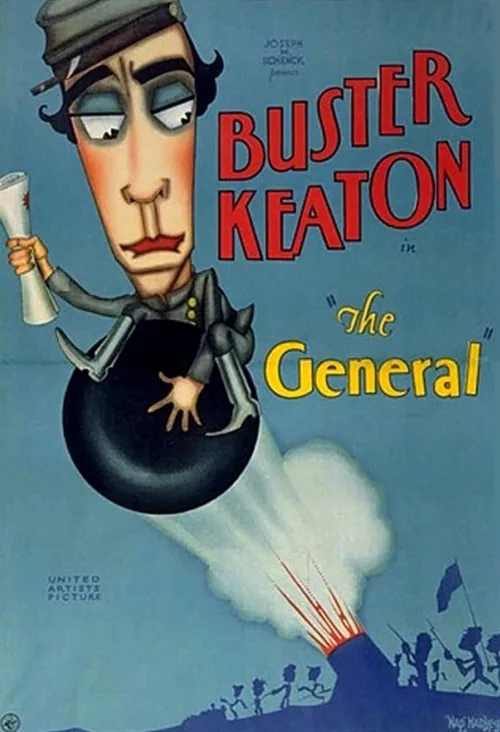
When Union spies steal the locomotive the General and accidentally carry off Annabelle Lee, Confederate engineer Johnnie Gray races after them in a second train. His attempts to recover both the engine and Annabelle produce a chain of mechanical mishaps, pursuit and improvised heroics. Buster Keaton builds the comedy around Johnnie’s precise physical problem-solving as the railroad chase grows into a large-scale Civil War spectacle. The film presents its conflict through a Confederate protagonist and a comic adventure frame, so its historical viewpoint is partial rather than a neutral account of the war.
Separate encounters with an unexplained intelligence frame a voyage destabilised by conflict between humans and their own machine.
Why this matches +
These films explore a related idea in a different setting, genre or style.
An adjacent discovery: a related idea with a different viewing experience.
Genres: Science fiction / Adventure
The approach A dramatic feature rather than documentary footage.
Shared film traits
Based on recorded story, mood and style. Your preferences can change the order.
What changes Its own story: Separate encounters with an unexplained intelligence frame a voyage destabilised by conflict between humans and their own machine.
A mysterious object connects stages of human development separated by vast spans of time. During a later voyage towards Jupiter, two astronauts oversee a spacecraft whose intelligent computer begins behaving in ways they cannot safely interpret. The journey moves beyond a practical struggle for survival into an encounter that leaves ordinary categories of time, space and human understanding unsettled.
Roy’s story changes as Alexandria recasts its heroes using the people and feelings around her.
Why this matches +
These films explore a related idea in a different setting, genre or style.
An adjacent discovery: a related idea with a different viewing experience.
Genres: Adventure / Drama
The approach A dramatic feature rather than documentary footage.
Shared film traits
Based on recorded story, mood and style. Your preferences can change the order.
What changes Its own story: Roy’s story changes as Alexandria recasts its heroes using the people and feelings around her.
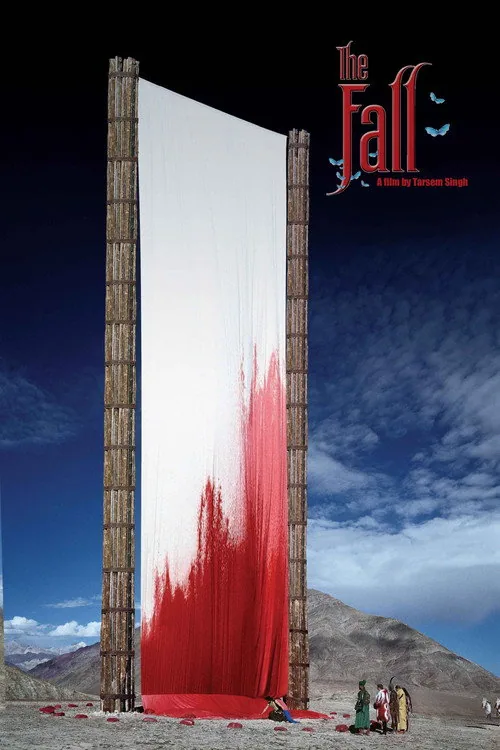
In a 1920s Los Angeles hospital, injured stuntman Roy tells young patient Alexandria an elaborate story about a masked bandit and a band of heroes. Alexandria imagines the characters through people she sees around her, and her contributions gradually shape a fantasy that reflects Roy’s private pain. Tarsem Singh’s film moves between intimate hospital scenes and vivid landscapes, exploring storytelling as a shared act that can comfort, manipulate, and give a listener a voice.
The concert structure links separate compositions through evolving visual interpretation, not through a protagonist whose decisions cause one segment to lead into another. The orchestra and program order supply continuity where plot and characters deliberately do not.
Why this matches +
These films explore a related idea in a different setting, genre or style.
An adjacent discovery: a related idea with a different viewing experience.
Genres: Animation / Music
The approach A dramatic feature rather than documentary footage.
Shared film traits
Based on recorded story, mood and style. Your preferences can change the order.
What changes An animated music anthology replaces nonfiction city observation, and some sequences are frightening; the connection concerns visual rhythm and experimentation.
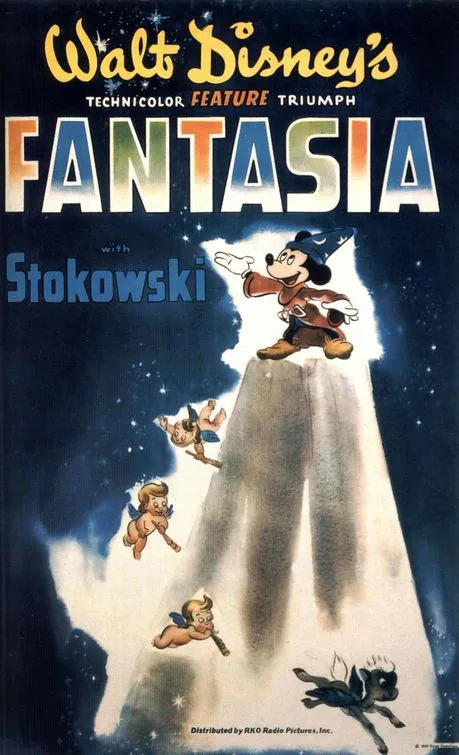
Fantasia arranges animated interpretations of classical compositions as a concert program rather than a single continuous story. Abstract shapes, seasonal dances, a sorcerer’s apprentice, prehistoric creatures and animal ballet give way to darker images of death and a dawn procession. The segments differ in tone and in how directly they animate a recognizable narrative, so their changes in scale and feeling matter more than an invented anthology-wide character arc. The Pastoral Symphony’s racist Sunflower caricature was removed from later releases, making edition history essential when discussing the film’s representation.
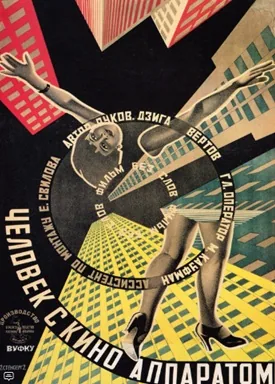
Across a day in several Soviet cities, a cameraman records streets, factories, transport, leisure and public events while an editor assembles the footage into a dynamic portrait of modern urban life. The film repeatedly shows the camera operator at work and the editor arranging the very images the audience sees, making production part of its subject. There is no conventional cast or dialogue-driven plot: visual associations, superimpositions and changes in speed turn ordinary labor and motion into an experiment in what cinema can reveal and construct.
What drives the story
A working day becomes raw material for an editor who exposes how camera placement and cutting build a cinematic account of collective life.
The people at its centre
The camera operator and editor appear as working makers within the film, while city residents form a varied social subject rather than fictional protagonists.
What it feels like
Rapid montage, split screens, freeze frames, double exposure and variable speed make this silent documentary an active study of film form.
Worth knowing
It has no character-led story or conventional resolution; compare it through experimental editing and documentary self-reflection rather than treating it as a city-set drama.