Explore films connected to Koyaanisqatsi through Technology, Collective life, Environmental transformation. Choose the qualities you want to carry into your next watch.
What should feel similar?
Find your next favourite
9 films · Closest overall matches
Hide films you’ve seen or don’t want. Saved on this device.
No matches for this combination yet.
Try another option or reset your choices to see more films.
Both share themes of technology, plus a contemplative atmosphere.
Why this matches +
Genres: Documentary / Experimental
Shared film traits
Based on recorded story, mood and style. Your preferences can change the order.
What changes Koyaanisqatsi: measured and accelerating. Man with a Movie Camera: variable.
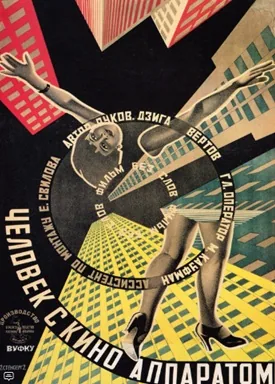
Across a day in several Soviet cities, a cameraman records streets, factories, transport, leisure and public events while an editor assembles the footage into a dynamic portrait of modern urban life. The film repeatedly shows the camera operator at work and the editor arranging the very images the audience sees, making production part of its subject. There is no conventional cast or dialogue-driven plot: visual associations, superimpositions and changes in speed turn ordinary labor and motion into an experiment in what cinema can reveal and construct.
Based on recorded story, mood and style. Your preferences can change the order.
What changes Koyaanisqatsi: measured and accelerating. Robert Richardson: The White Devil: observational.
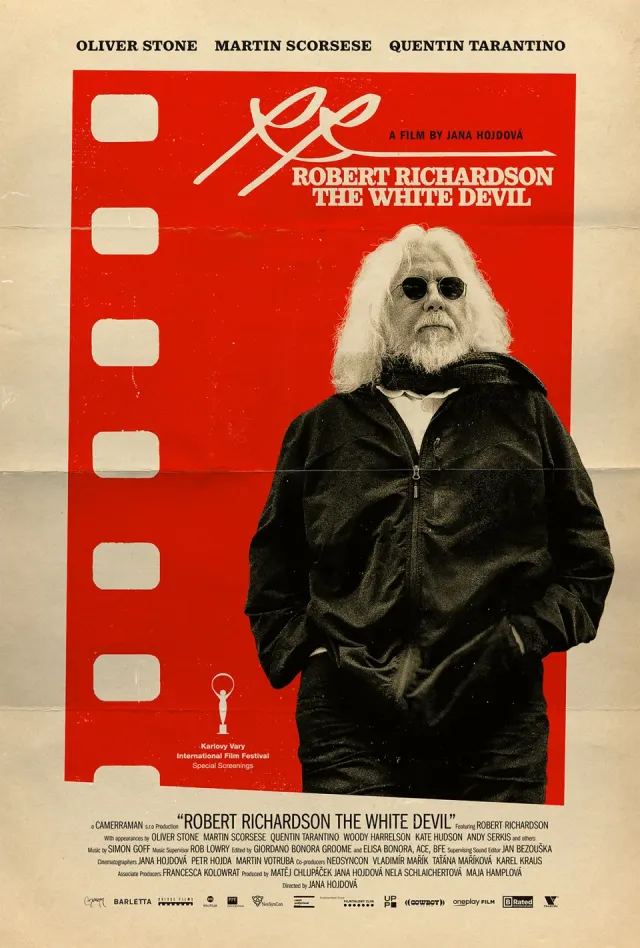
A film-school project leads Jana Hojdová into a lasting relationship with cinematographer Robert Richardson. Access to his private recordings and professional life grows into a documentary about an artist known for collaborations with major directors. Conversations and archival material connect the creation of celebrated screen images with personal experience, allowing the relationship between filmmaker and subject to become part of the portrait.
Based on recorded story, mood and style. Your preferences can change the order.
What changes Koyaanisqatsi: measured and accelerating. The Alpinist: a meeting with leclerc leads the crew into different climbing environments and where each ascent tests both his ability and the filmmakers’ access to his process..
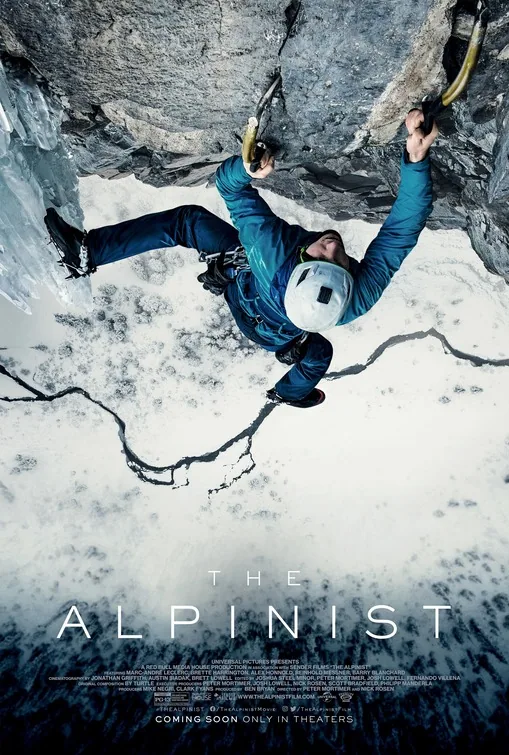
The filmmakers follow Canadian climber Marc-André Leclerc as he pursues difficult solo ascents on rock, ice and remote alpine routes. Leclerc’s low-profile approach resists the attention the camera brings, leaving the crew to document a climber who often prefers to move without an audience. The resulting portrait combines the practical danger of mountaineering with questions about solitude, risk and why he climbs.
Based on recorded story, mood and style. Your preferences can change the order.
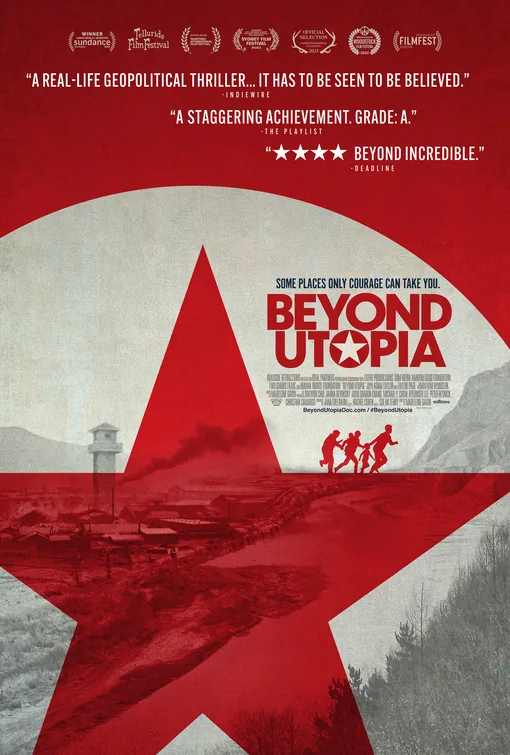
What changes Koyaanisqatsi: measured and accelerating. Beyond Utopia: forward-moving, suspenseful and interwoven.
This documentary follows North Korean families attempting to escape through a dangerous route across borders and unfamiliar terrain. Their journeys are connected by a South Korean pastor who helps guide people toward safety, with relatives and intermediaries facing serious risks. The film combines recorded travel with testimony to show the uncertainty of escape, the work of assistance and the lasting consequences for people separated by political borders.
Based on recorded story, mood and style. Your preferences can change the order.
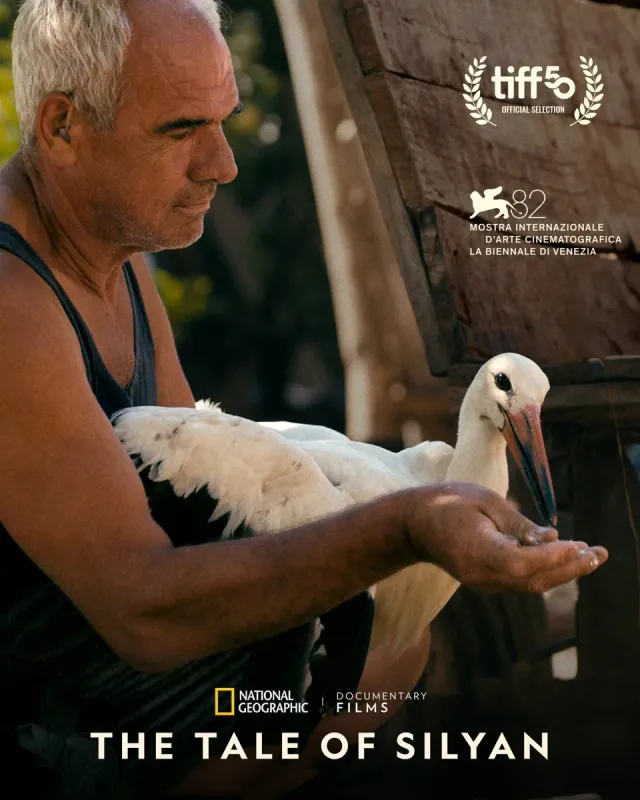
What changes Koyaanisqatsi: measured and accelerating. The Tale of Silyan: patient, seasonal and reflective.
In North Macedonia, farmer Nikola faces economic hardship as members of his family leave to seek work abroad. He encounters an injured white stork, Silyan, and their developing bond becomes the center of a documentary shaped by a local folktale. Tamara Kotevska connects the farmer’s changing life with migration, rural work, and the fragile relationship between people, animals, and the land around them.
Based on recorded story, mood and style. Your preferences can change the order.
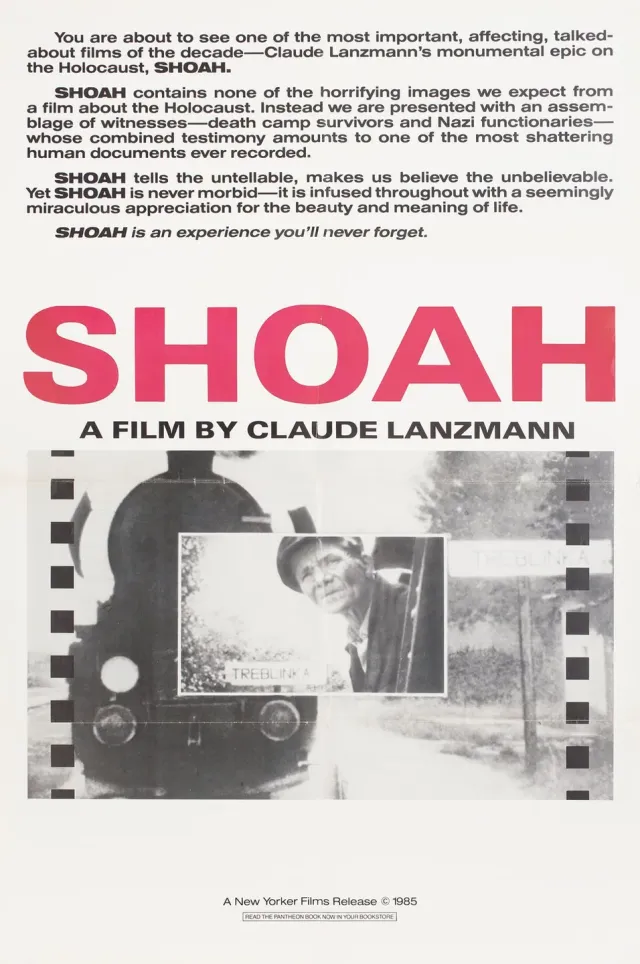
What changes Koyaanisqatsi: measured and accelerating. Shoah: durational, cumulative, deliberate and reflective.
Claude Lanzmann’s documentary returns to Holocaust sites in Poland and builds its account through extended interviews with survivors, witnesses and perpetrators. Its conversations and location visits focus particularly on Chełmno, Treblinka, Auschwitz-Birkenau and the Warsaw Ghetto. Rather than present the history as a short narrated overview, the film gives testimony time to unfold, following memories, evasions and difficult acts of explanation across languages and perspectives. Made over eleven years and running more than nine hours, it asks viewers to stay with individual accounts and with the landscapes where mass murder occurred. The work’s scale and patient method make remembrance an encounter with people who experienced, observed or carried out the events.
Based on recorded story, mood and style. Your preferences can change the order.
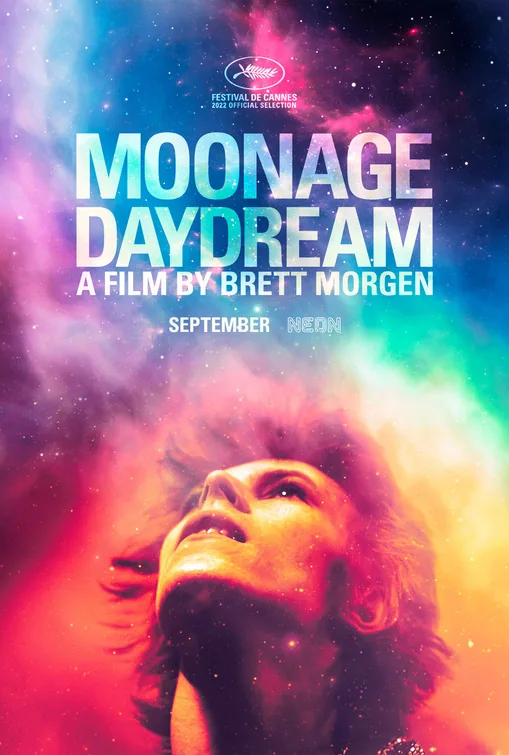
What changes Koyaanisqatsi: measured and accelerating. Moonage Daydream: associative, montage-driven, concert-like and nonlinear.
Brett Morgen constructs an audiovisual portrait of David Bowie from concert performances, archival interviews, photographs and film fragments drawn across the musician’s career. Bowie’s recorded voice and music carry the film through shifting chapters about fame, artistic reinvention, identity and spiritual inquiry. Rather than use a conventional sequence of talking-head commentary, the documentary treats Bowie’s changing public selves and creative work as the material of an immersive montage.
Based on recorded story, mood and style. Your preferences can change the order.
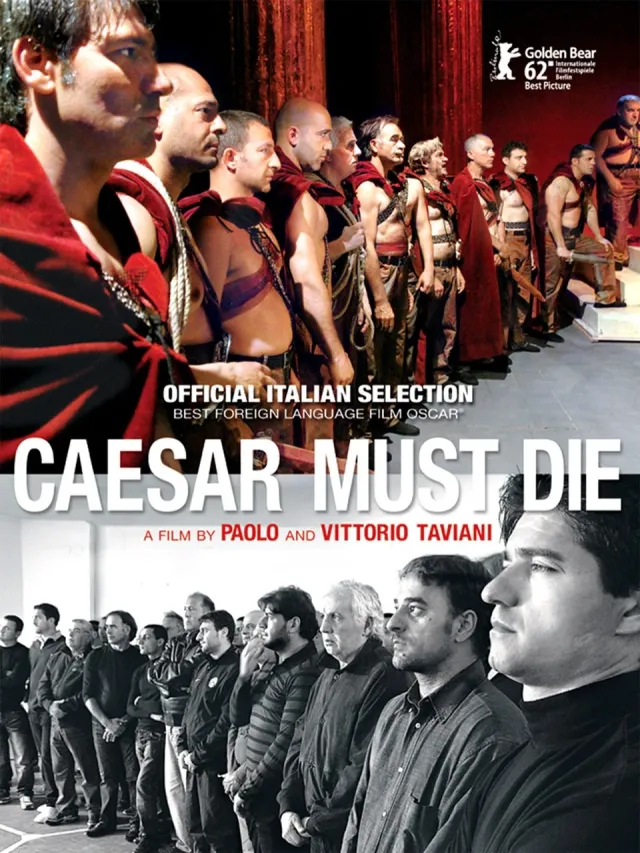
What changes Koyaanisqatsi is tagged hypnotic and contemplative; Caesar Must Die is tagged reflective and restrained.
In Rome's Rebibbia prison, inmates prepare a production of Shakespeare's Julius Caesar under the direction of a theater group. Rehearsals bring the play's questions of power and loyalty into the prisoners' own experiences, while the film moves between performance and the routines of incarceration. Paolo and Vittorio Taviani blur documentary observation with staged drama, creating a compact reflection on acting, confinement and the way stories can echo across lives.
Based on recorded story, mood and style. Your preferences can change the order.
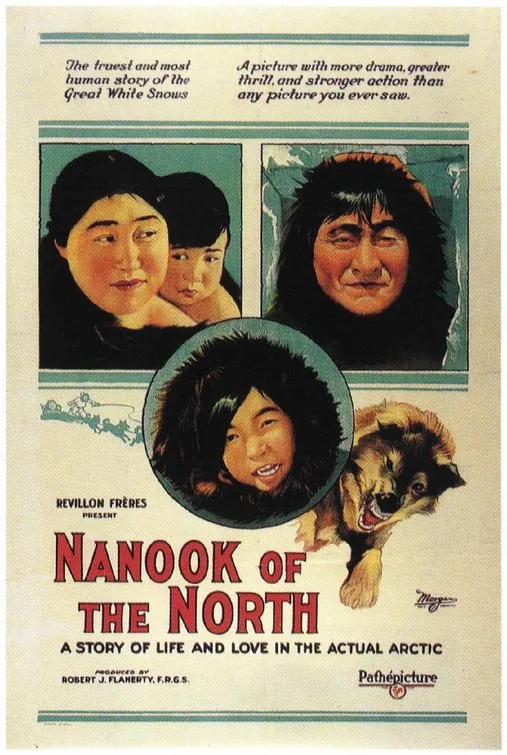
Expect contemplative and wondrous, with measured and episodic pacing.
The silent film follows Inuk hunter Nanook, his wife Nyla and their family as they travel through the Ungava Peninsula in search of food and trade. It shows hunting, shelter-building and other daily tasks as tests of endurance in the Arctic. Inuit participants helped stage hunting and igloo-building scenes, repair the camera and review footage, so the film's documentary appearance contains both collaboration and reconstruction. Its images preserve a particular cinematic encounter shaped by Flaherty's outsider expectations, not an untouched record of Inuit life.
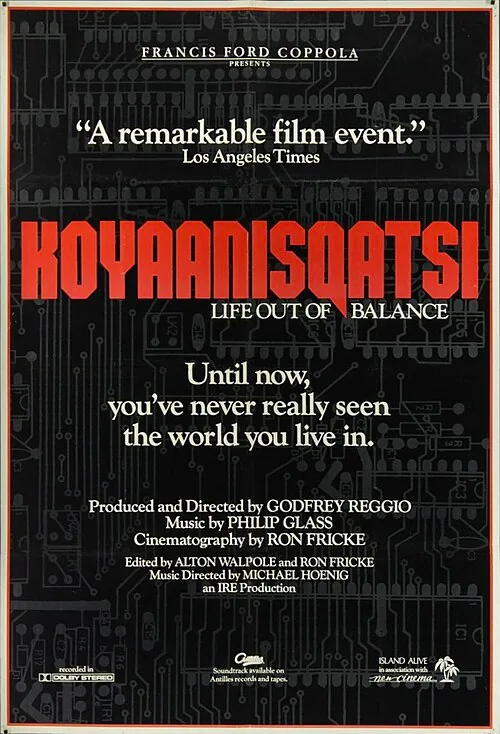
Without conventional dialogue or a central character, Koyaanisqatsi moves from deserts, clouds and geological formations to cities, factories, traffic and crowds. Philip Glass’s repeating score turns time-lapse images into mounting rhythms, while slow motion makes ordinary movement strange. The juxtaposition invites viewers to connect industrial speed and environmental change, but the film does not state one simple thesis through narration. Its title comes from a Hopi word translated in the film as life out of balance; that use should not be mistaken for a complete or neutral account of Hopi philosophy. The experience is an audiovisual essay whose sequence and music guide interpretation even as its nonverbal form leaves room for disagreement about what the images prove.
What drives the story
The film’s engine is a progression of visual relations rather than a plot: landscape, construction, machines and human crowds are placed in sequence so viewers form the argument themselves.
The people at its centre
People appear mainly as collective movement or isolated gestures instead of developed individuals. That scale can sharpen attention to systems, but it also limits the perspectives and social causes available within the film’s frame.
What it feels like
Time-lapse and slow motion transform familiar environments, while Glass’s repeating motifs supply pulse and emotional direction. The score does not merely decorate the images; it makes the movement between them feel cumulative and sometimes ominous.
Worth knowing
Treat the title’s Hopi-language translation and the film’s ecological reading as distinct contexts. It is not an authoritative Indigenous account of modernity or a neutral documentary explanation of every social pattern it juxtaposes.