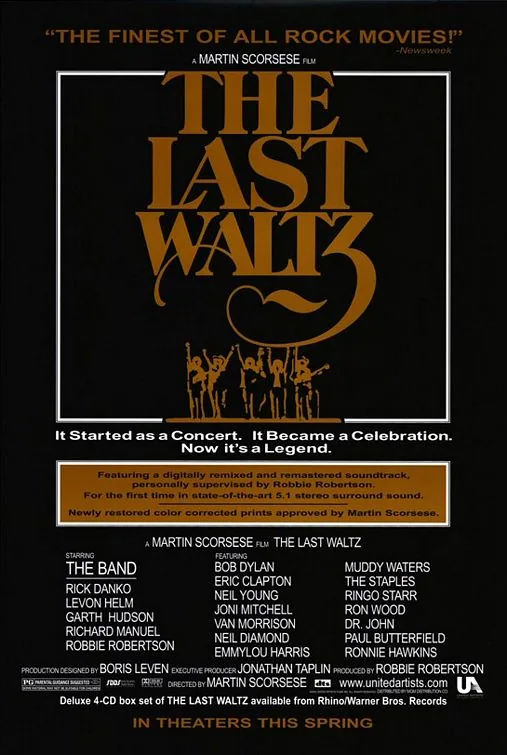
A farewell concert gathers The Band and guests to revisit a shared musical history.
Why this matches +
These films share important themes, atmosphere or storytelling interests with this selection.
Genres: Documentary / Music
Shared film traits
Based on recorded story, mood and style. Your preferences can change the order.
Music and performance · Memory and identity
What changes Its own story: A farewell concert gathers The Band and guests to revisit a shared musical history.
Martin Scorsese's concert documentary records The Band's farewell performance at San Francisco's Winterland Ballroom, framed by conversations and rehearsal scenes. The musicians perform career favorites with guests including Bob Dylan, Joni Mitchell, Neil Young, Muddy Waters, Van Morrison, and Eric Clapton. Interviews with Robbie Robertson and other members reflect on the group's history and decision to stop touring. A single concert becomes both a musical celebration and a farewell to a shared chapter.
Separate figures embody different public selves, allowing the film to approach an artist's life through parallel stories rather than chronology.
Why this matches +
These films share important themes, atmosphere or storytelling interests with this selection.
Genres: Drama / Biography
The approach A dramatic feature rather than documentary footage.
Shared film traits
Based on recorded story, mood and style. Your preferences can change the order.
Music and performance · Memory and identity
What changes Its own story: Separate figures embody different public selves, allowing the film to approach an artist's life through parallel stories rather than chronology.
Six characters, each played by a different actor, embody distinct facets of the public persona and artistic history of Bob Dylan. Their stories move through folk music, fame, protest, reinvention, and retreat without forming a single chronological biography. Todd Haynes uses shifting eras and visual styles to resist the idea that one person can be captured by a stable public image. The result is an experimental musical drama about performance, mythmaking, and the many identities an artist can inhabit, with Dylan's songs functioning as a connective thread rather than a conventional soundtrack.
The recovered recordings make the festival’s audience and atmosphere present across time.
Why this matches +
These films share important themes, atmosphere or storytelling interests with this selection.
Genres: Documentary / Music
Shared film traits
Based on recorded story, mood and style. Your preferences can change the order.
Music and performance
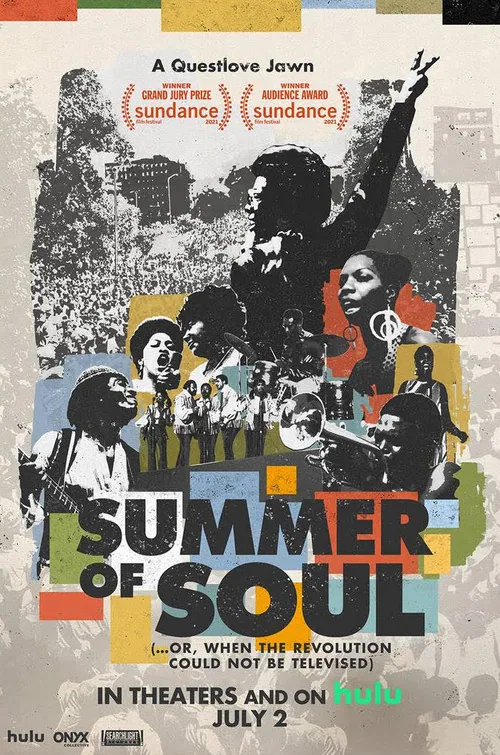
What changes Its own story: The recovered recordings make the festival’s audience and atmosphere present across time.
This documentary revisits the 1969 Harlem Cultural Festival through recovered performance footage, archival news material, and interviews with people connected to the event. Music and testimony place the concerts within a period of political change and cultural pride. Its central act is also one of historical recovery: it asks how a major public gathering could be so widely attended yet remain peripheral in later popular memory.
An account of musical success is organized around the emotional crises that bring Elton into rehabilitation.
Why this matches +
These films share important themes, atmosphere or storytelling interests with this selection.
Genres: Biography / Musical
The approach A dramatic feature rather than documentary footage.
Shared film traits
Based on recorded story, mood and style. Your preferences can change the order.
Music and performance
What changes Its own story: An account of musical success is organized around the emotional crises that bring Elton into rehabilitation.
Elton John recounts the experiences that shaped his career while confronting addiction and emotional damage. His musical partnership with Bernie Taupin opens a route from an unhappy childhood to extraordinary public success, but recognition cannot resolve his need for affection. Familiar songs become dramatized memories and fantasies, turning a performer's rise into a story about self-invention, exploitative intimacy and the work of accepting care.
The Doors' rise gives Jim Morrison a stage on which artistic ambition and public notoriety increasingly collide.
Why this matches +
These films share important themes, atmosphere or storytelling interests with this selection.
Genres: Biography / Drama
The approach A dramatic feature rather than documentary footage.
Shared film traits
Based on recorded story, mood and style. Your preferences can change the order.
Music and performance
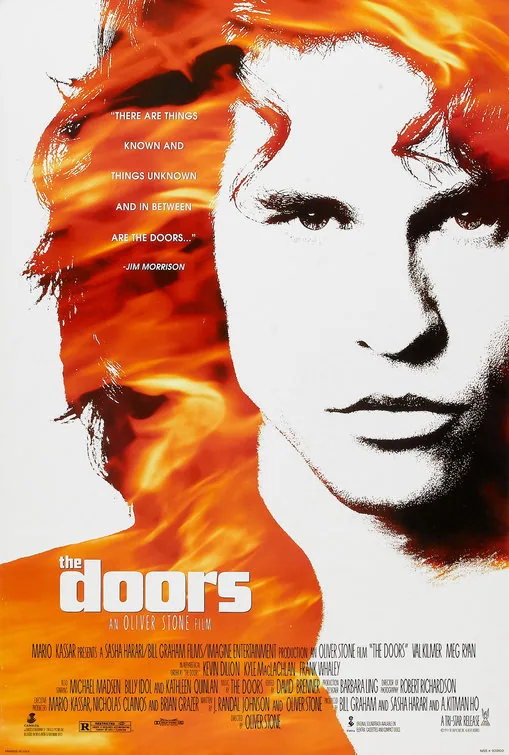
What changes Its own story: The Doors' rise gives Jim Morrison a stage on which artistic ambition and public notoriety increasingly collide.
The story follows Jim Morrison from his early creative ambitions through the rise of the Doors and the pressures of becoming a celebrated rock frontman. Concerts, recording sessions, relationships, and public controversy all feed the image Morrison builds and the band must live beside. The film presents performance as both artistic release and a source of escalating excess, asking how a public persona can overtake the people who create it.
The animated bricks literalize Pharrell’s view of ideas as reusable building blocks.
Why this matches +
These films share important themes, atmosphere or storytelling interests with this selection.
Genres: Animation / Documentary
Shared film traits
Based on recorded story, mood and style. Your preferences can change the order.
Memory and identity · Constructed reality
What changes Its own story: The animated bricks literalize Pharrell’s view of ideas as reusable building blocks.
Pharrell Williams recounts his life and creative development through animated Lego imagery, from childhood in Virginia Beach to musical collaborations and global success. Interview material and performance history are translated into a playful visual language that makes music feel like construction: sounds, influences, and partnerships become pieces assembled into new forms. The documentary’s unusual format connects personal memory with an accessible account of artistic process.
A life story is assembled from performances, interviews and staged memories.
Why this matches +
These films explore a related idea in a different setting, genre or style.
An adjacent discovery: a related idea with a different viewing experience.
Genres: Documentary / Music
Shared film traits
Based on recorded story, mood and style. Your preferences can change the order.
What changes Its own story: A life story is assembled from performances, interviews and staged memories.
This documentary traces Elvis Presley's life through archival performances, news footage and dramatized segments with actors. It moves from early success through major career changes and later personal strain, using the performer’s public image as a guide to a more complicated private story. The film asks how audiences can remember a figure whose work and vulnerability were both made public.
The film's engine follows performance appears as collective labor alongside the star; this keeps the stakes tied to observable choices.
Why this matches +
These films explore a related idea in a different setting, genre or style.
An adjacent discovery: a related idea with a different viewing experience.
Genres: Documentary / Music
Shared film traits
Based on recorded story, mood and style. Your preferences can change the order.
Music and performance
What changes Its own story: The film's engine follows performance appears as collective labor alongside the star; this keeps the stakes tied to observable choices.
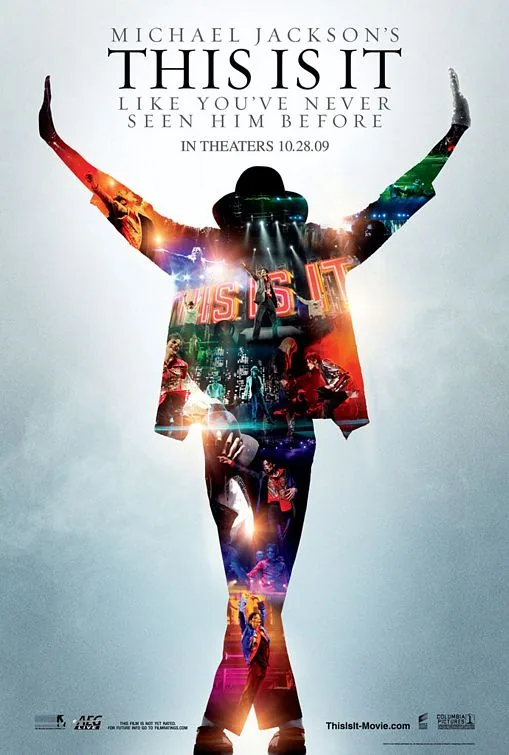
This documentary assembles rehearsal footage from Michael Jackson’s preparation for a planned concert residency in London. Musicians, dancers and production staff collaborate on songs, choreography, staging and technical details, showing the work behind a large performance. It is less a conventional biography than a record of artistic process, centered on an unfinished concert project.
Winehouse's own recordings and archival footage carry a chronological account from early promise to international fame.
Why this matches +
These films explore a related idea in a different setting, genre or style.
An adjacent discovery: a related idea with a different viewing experience.
Genres: Documentary / Music
Shared film traits
Based on recorded story, mood and style. Your preferences can change the order.
Music and performance · Memory and identity
What changes Its own story: Winehouse's own recordings and archival footage carry a chronological account from early promise to international fame.
This documentary traces singer-songwriter Amy Winehouse from teenage performances in London through the success of her albums Frank and Back to Black. Archival home videos, interviews, recordings, and concert footage show her developing artistry alongside relationships, addiction, and intrusive media attention. The film follows her rapid rise and the pressures that intensified as private struggles became public spectacle. Asif Kapadia's portrait examines both the musician's distinctive voice and the circumstances surrounding her death at age 27.
Two admirers follow contradictory stories about Rodriguez, seeking to learn what happened to the singer whose work shaped their lives.
Why this matches +
These films explore a related idea in a different setting, genre or style.
An adjacent discovery: a related idea with a different viewing experience.
Genres: Documentary / Music
Shared film traits
Based on recorded story, mood and style. Your preferences can change the order.
Music and performance
What changes Its own story: Two admirers follow contradictory stories about Rodriguez, seeking to learn what happened to the singer whose work shaped their lives.
Malik Bendjelloul’s documentary follows two South African fans who investigate the fate of Sixto Rodriguez, a Detroit musician whose records became unexpectedly influential in South Africa while he remained obscure in the United States. Rumors about his life and death circulate among listeners, prompting the fans to search for reliable answers. The film links a music mystery with rediscovery, cultural memory, and the surprising paths by which songs can find an audience far from their creator’s home.
A band's ascent is tested by the tensions between individual reinvention, collaborative work and the commercial demands of success.
Why this matches +
These films explore a related idea in a different setting, genre or style.
An adjacent discovery: a related idea with a different viewing experience.
Genres: Drama / Biography
The approach A dramatic feature rather than documentary footage.
Shared film traits
Based on recorded story, mood and style. Your preferences can change the order.
Music and performance
What changes Its own story: A band's ascent is tested by the tensions between individual reinvention, collaborative work and the commercial demands of success.
A young singer joins a band whose contrasting members gradually develop a distinctive sound and public identity. Creative ambition and growing fame offer personal reinvention while exposing disagreements about authorship, belonging and the demands of a shared career. As the frontman's private life becomes more difficult to reconcile with the group, a major performance creates an opportunity to recover a sense of connection without erasing the costs that preceded it.
A manager's discovery of a marketable performer develops into a controlling arrangement that turns the machinery of success into an obstacle to artistic and personal freedom. Commercial success expands Elvis’s audience while Parker’s financial and contractual control narrows the choices the film dramatizes.
Why this matches +
These films explore a related idea in a different setting, genre or style.
An adjacent discovery: a related idea with a different viewing experience.
Genres: Biography / Drama
The approach A dramatic feature rather than documentary footage.
Shared film traits
Based on recorded story, mood and style. Your preferences can change the order.
Music and performance
What changes Its own story: A manager's discovery of a marketable performer develops into a controlling arrangement that turns the machinery of success into an obstacle to artistic and personal freedom. Commercial success expands Elvis’s audience while Parker’s financial and contractual control narrows the choices the film dramatizes.
A young performer's musical force attracts a manager who recognizes how rebellion can be sold while claiming he alone can protect the career it creates. Success reshapes family life, public image and the terms on which the singer can work, as promises of opportunity become increasingly difficult to separate from financial confinement. The relationship is narrated through the manager's self-defense, making the spectacle of stardom also an argument over who gets to explain its costs. Parker’s retrospective narration shapes the story, so the manager’s account is part of its subject and a limit.
Curtis’s growing musical success unfolds alongside illness and relationship pressures that increasingly narrow his choices.
Why this matches +
These films explore a related idea in a different setting, genre or style.
An adjacent discovery: a related idea with a different viewing experience.
Genres: Biography / Drama
The approach A dramatic feature rather than documentary footage.
Shared film traits
Based on recorded story, mood and style. Your preferences can change the order.
Music and performance
What changes Its own story: Curtis’s growing musical success unfolds alongside illness and relationship pressures that increasingly narrow his choices.
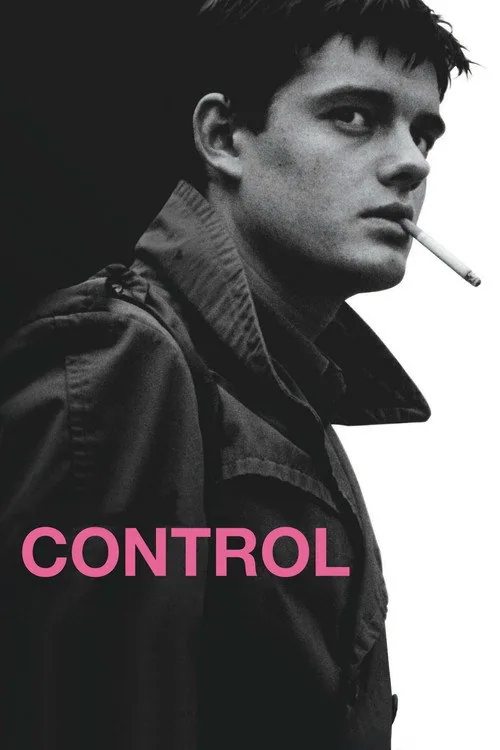
In 1970s Manchester, young Ian Curtis joins the post-punk band Joy Division while balancing marriage, fatherhood, touring, and a growing relationship with another woman. His epilepsy and periods of depression intensify the pressures of performing and living with expectations he cannot easily meet. Anton Corbijn’s black-and-white biographical drama adapts Deborah Curtis’s memoir and follows the singer’s short life through music, domestic conflict, and illness. It addresses Curtis’s suicide and should be approached with awareness of that subject matter.
Sid and Nancy alternately depend on and damage one another, while friends struggle to help from outside the relationship.
Why this matches +
These films explore a related idea in a different setting, genre or style.
An adjacent discovery: a related idea with a different viewing experience.
Genres: Drama / Music
The approach A dramatic feature rather than documentary footage.
Shared film traits
Based on recorded story, mood and style. Your preferences can change the order.
Music and performance
What changes Its own story: Sid and Nancy alternately depend on and damage one another, while friends struggle to help from outside the relationship.
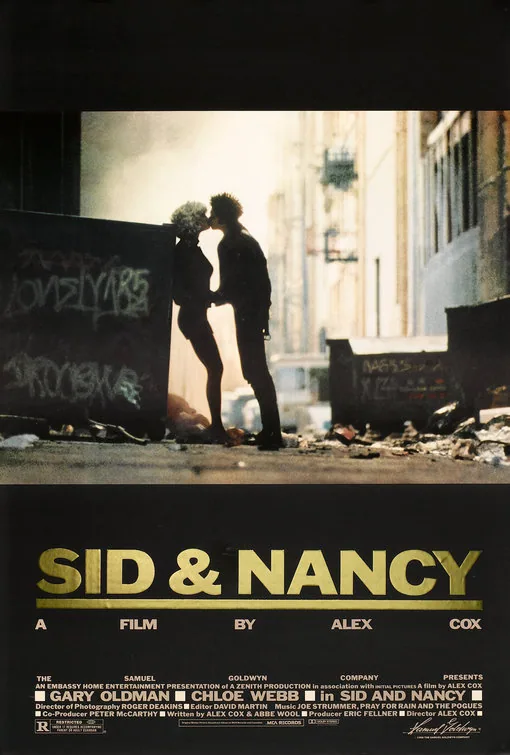
The film opens with the aftermath of Nancy Spungen’s death and moves back to the London punk scene where she meets Sex Pistols bassist Sid Vicious. Sid’s attraction to Nancy grows into a consuming relationship shaped by heroin use, touring and the band’s disintegration. Friends and managers try to intervene, but the pair’s dependence isolates them from support and repeatedly pulls them toward crisis. The story follows Sid and Nancy from London to New York, where a brief attempt at a new life is overshadowed by addiction, volatility and the unresolved circumstances of her death. Alex Cox presents their romance as an intimate, stylized tragedy rather than a comprehensive history of punk music.
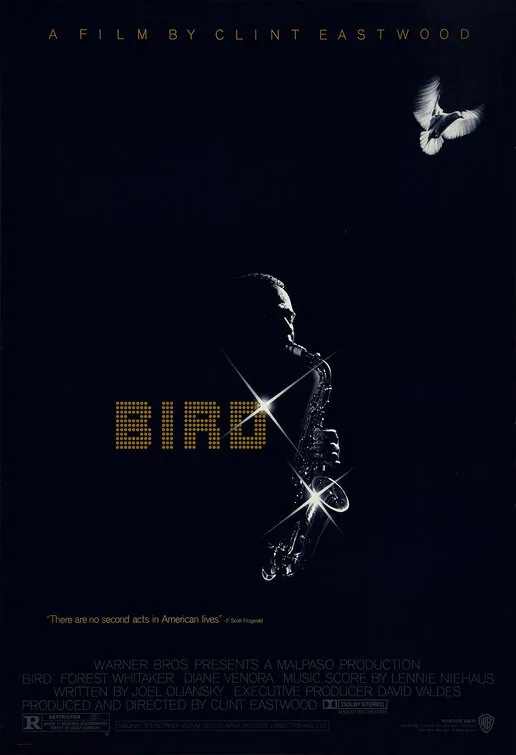
Parker’s charisma and brilliance coexist with dependency and self-destruction; Chan tries to keep a home life possible.
Why this matches +
These films explore a related idea in a different setting, genre or style.
An adjacent discovery: a related idea with a different viewing experience.
Genres: Drama / Biography
The approach A dramatic feature rather than documentary footage.
Shared film traits
Based on recorded story, mood and style. Your preferences can change the order.
Music and performance · Memory and identity
What changes Its own story: Parker’s charisma and brilliance coexist with dependency and self-destruction; Chan tries to keep a home life possible.
The film follows jazz saxophonist Charlie Parker from his early Kansas City performances into the New York bebop scene and his turbulent life with Chan Parker. Success brings periods of exhilaration and collapse, while drug and alcohol dependence repeatedly interrupts his playing and relationships. Chan helps reconnect him with work and family life, but Parker’s health and artistic drive remain difficult to separate. Told through shifting memories and music, the portrait moves between performance, intimacy and breakdown, framing bebop as a creative revolution carried by a life under strain.
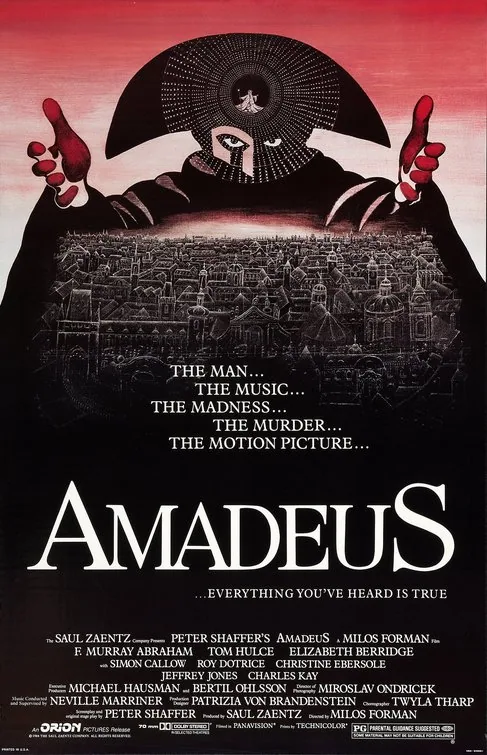
A musician's belief that talent should reward virtue is destabilised by a rival whose genius exposes the limits of earned achievement.
Why this matches +
These films explore a related idea in a different setting, genre or style.
An adjacent discovery: a related idea with a different viewing experience.
Genres: Drama / Biography
The approach A dramatic feature rather than documentary footage.
Shared film traits
Based on recorded story, mood and style. Your preferences can change the order.
Music and performance
What changes Its own story: A musician's belief that talent should reward virtue is destabilised by a rival whose genius exposes the limits of earned achievement.
An elderly composer recounts his relationship with a younger musician whose effortless brilliance seemed incompatible with his vulgar behaviour. Admiration becomes resentment as professional rivalry collides with religious belief and a painful awareness of his own limitations. Court patronage, money and personal vulnerability create opportunities for interference, while the act of retelling makes confession and self-dramatisation difficult to distinguish.
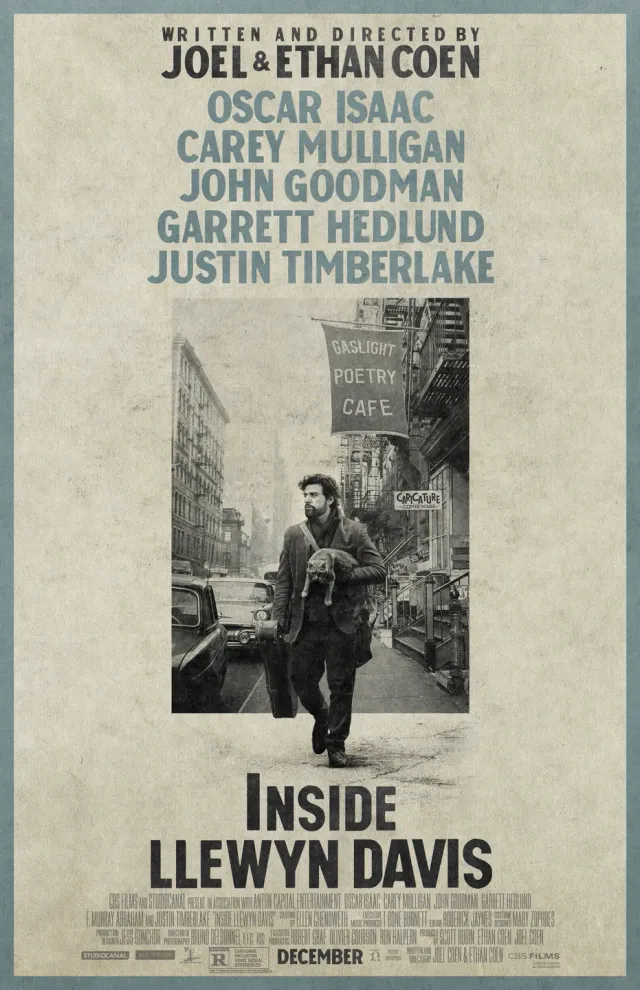
A musician's repeated attempts to secure work and shelter expose a pattern that talent alone cannot resolve.
Why this matches +
These films explore a related idea in a different setting, genre or style.
An adjacent discovery: a related idea with a different viewing experience.
Genres: Drama / Music
The approach A dramatic feature rather than documentary footage.
Shared film traits
Based on recorded story, mood and style. Your preferences can change the order.
Music and performance
What changes Its own story: A musician's repeated attempts to secure work and shelter expose a pattern that talent alone cannot resolve.
A struggling folk singer moves between borrowed sofas, uncertain gigs and failed professional opportunities in an early-1960s music scene. Small obligations and self-defeating encounters interrupt every attempt to gain momentum. Grief and pride remain difficult for him to articulate, leaving his artistry at odds with the practical and emotional cooperation that a sustainable life might require.
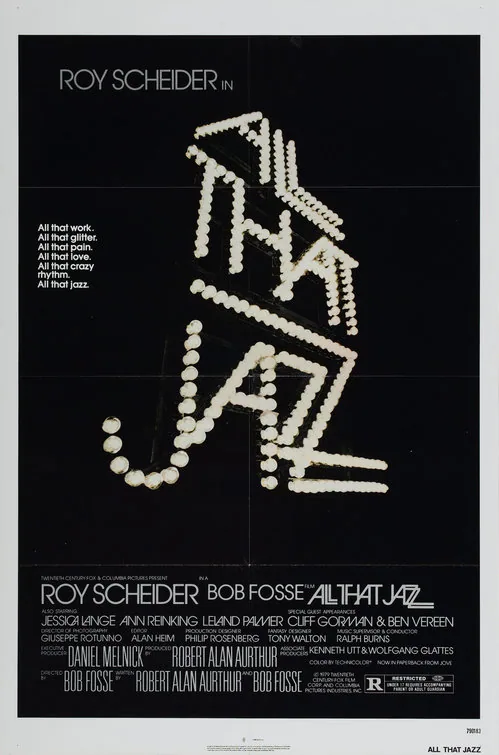
Gideon keeps moving between stage rehearsal, film editing and medical strain, trying to preserve work and appetite by editing out the evidence of collapse. The production process itself becomes the plot's accelerating clock.
Why this matches +
These films explore a related idea in a different setting, genre or style.
An adjacent discovery: a related idea with a different viewing experience.
Genres: Drama / Musical
The approach A dramatic feature rather than documentary footage.
Shared film traits
Based on recorded story, mood and style. Your preferences can change the order.
Music and performance
What changes Its own story: Gideon keeps moving between stage rehearsal, film editing and medical strain, trying to preserve work and appetite by editing out the evidence of collapse. The production process itself becomes the plot's accelerating clock.
Joe Gideon, a Broadway director and choreographer, juggles a new stage production, the editing of his latest film, family obligations and a punishing work routine. His theatrical discipline depends on treating exhaustion as something to be cut around, while the people close to him watch that self-image fail. Fantasies with an imagined figure of death interrupt rehearsals and daily life, making performance a way to control what he cannot admit. Bob Fosse's semi-autobiographical musical turns the labor of making a show into a show about the cost of making one.
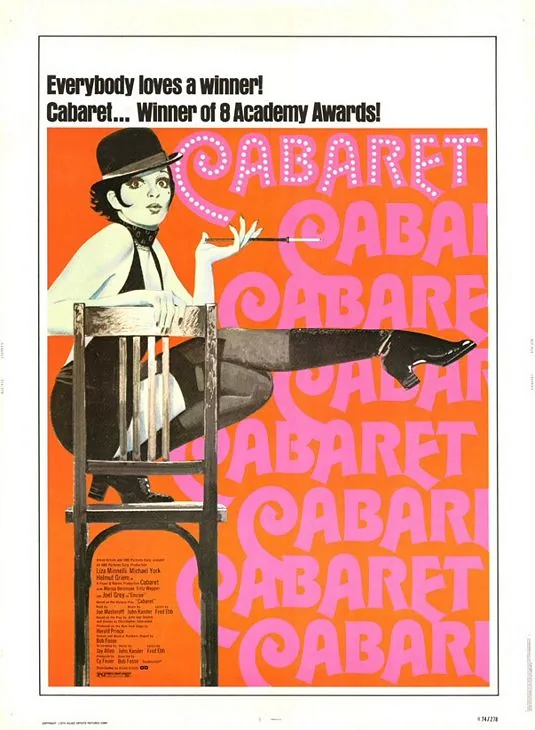
Romantic and sexual experiments unfold alongside fascism's rise, with the club's stage translating political change into performance but not stopping it. The songs comment on events without making performers politically omniscient.
Why this matches +
These films explore a related idea in a different setting, genre or style.
An adjacent discovery: a related idea with a different viewing experience.
Genres: Musical / Drama
The approach A dramatic feature rather than documentary footage.
Shared film traits
Based on recorded story, mood and style. Your preferences can change the order.
Music and performance
What changes Its own story: Romantic and sexual experiments unfold alongside fascism's rise, with the club's stage translating political change into performance but not stopping it. The songs comment on events without making performers politically omniscient.
In 1931 Berlin, English academic Brian Roberts meets American performer Sally Bowles in the world around the Kit Kat Club. Their relationship, her attachment to a wealthy patron and the club's exuberant performances unfold as political exclusion becomes ordinary outside its stage. The musical numbers comment on the dramatic action without safely standing apart from it: spectacle can expose brutality while also helping a community treat it as someone else's problem. Personal freedom and romantic choice remain unequal as fascism tightens its hold. The Emcee's numbers can turn a casual audience's laughter into part of the film's critique.
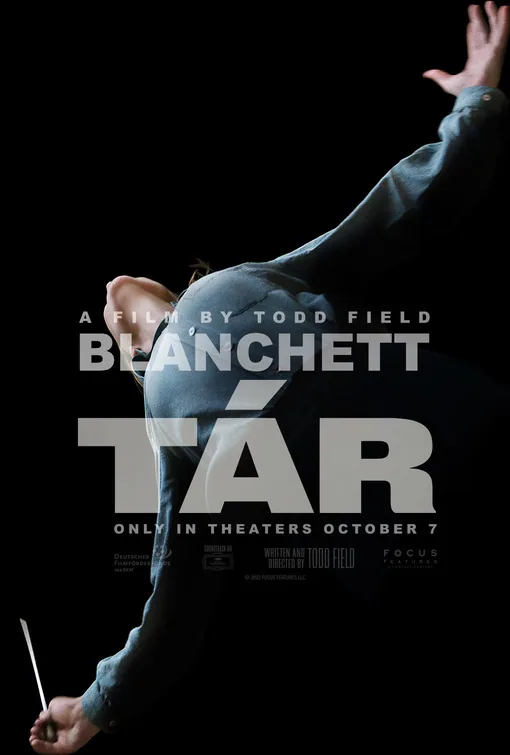
A conductor's authority is tested as her career and private relationships begin to fracture.
Why this matches +
These films explore a related idea in a different setting, genre or style.
An adjacent discovery: a related idea with a different viewing experience.
Genres: Drama / Music
The approach A dramatic feature rather than documentary footage.
Shared film traits
Based on recorded story, mood and style. Your preferences can change the order.
Music and performance
What changes Its own story: A conductor's authority is tested as her career and private relationships begin to fracture.
Lydia Tár, a celebrated conductor preparing a major recording with a Berlin orchestra, exercises broad influence over musicians and institutions. Her carefully managed career begins to destabilize as allegations, professional decisions, and strained relationships accumulate around her. Todd Field's drama follows Lydia through rehearsals, interviews, teaching, and public scrutiny, examining artistic authority and accountability without reducing the story to a simple rise-and-fall verdict.
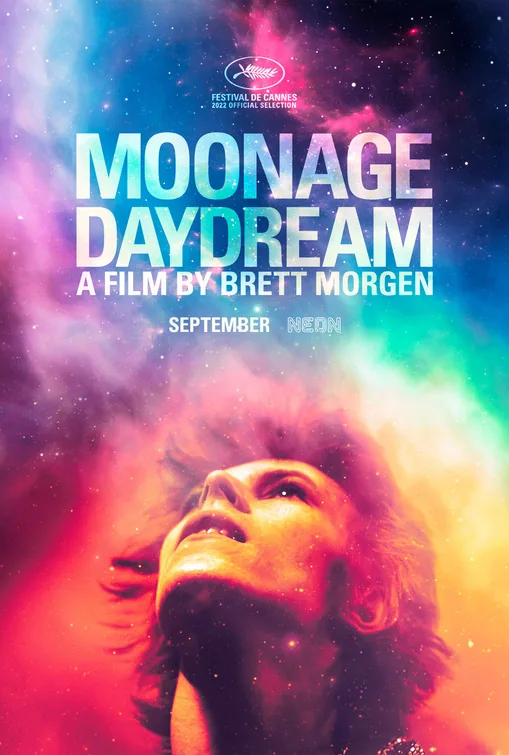
Brett Morgen constructs an audiovisual portrait of David Bowie from concert performances, archival interviews, photographs and film fragments drawn across the musician’s career. Bowie’s recorded voice and music carry the film through shifting chapters about fame, artistic reinvention, identity and spiritual inquiry. Rather than use a conventional sequence of talking-head commentary, the documentary treats Bowie’s changing public selves and creative work as the material of an immersive montage.
What drives the story
Archival images and Bowie’s own recorded reflections move through career periods and artistic questions without conventional interview narration.
The people at its centre
The portrait follows Bowie’s public personas as expressions of a changing artist rather than a single fixed identity.
What it feels like
A dense sound-and-image collage turns a music biography into a theatrical encounter with performance and reinvention.
Worth knowing
An experimental documentary for viewers who want concert footage and associative visual storytelling more than a conventional biography.