Based on recorded story, mood and style. Your preferences can change the order.
Music and performance · Memory and identity
What changes Bird: nonlinear biographical portrait, recurring musical passages and memory-led transitions. Get on Up: nonlinear life episodes build toward legacy.
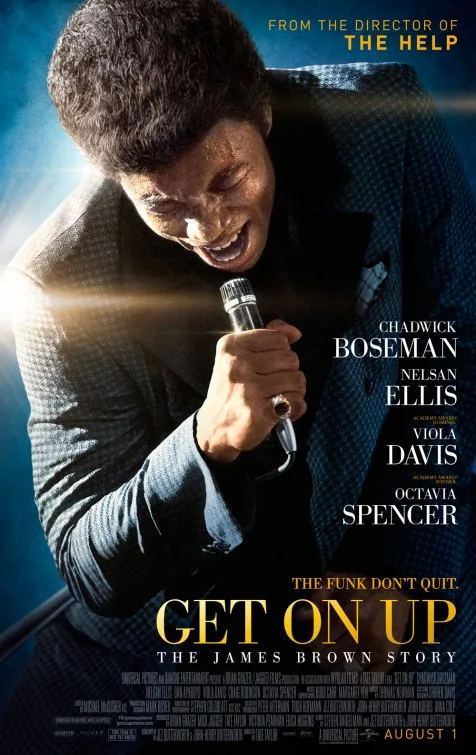
A musical biopic follows James Brown from a difficult childhood through the rise of a singular stage performer whose discipline and ambition reshape popular music. The narrative moves across time rather than offering a simple rise-and-fall sequence, connecting performance to family wounds, business power and the cost of control. Its energy comes from music and Brown’s forceful presence, alongside a frank look at the damage behind his success.
Based on recorded story, mood and style. Your preferences can change the order.
Music and performance
What changes Bird: nonlinear biographical portrait, recurring musical passages and memory-led transitions. Dolemite Is My Name: brisk rise-to-production arc and ensemble comic scenes.
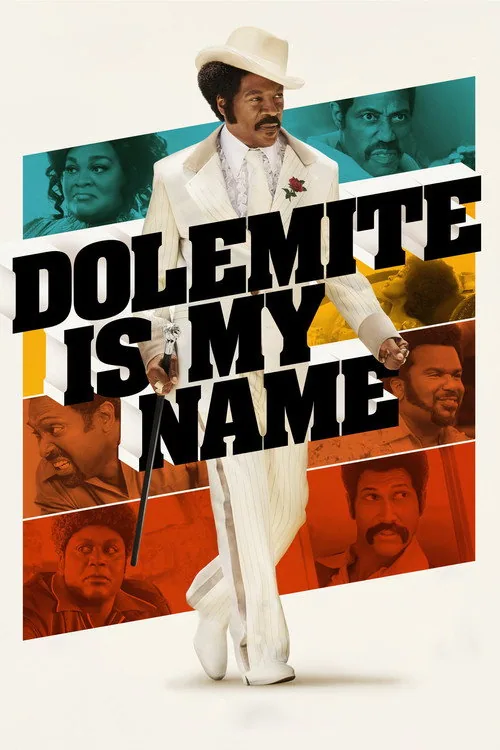
Struggling Los Angeles comedian Rudy Ray Moore invents the brash character Dolemite and uses his own money and connections to record comedy albums and build an audience. When Hollywood will not make the film he wants, Moore gathers a group of collaborators and sets out to produce it himself. Craig Brewer’s biographical comedy follows a determined performer turning a local act into a landmark independent film, celebrating Black creativity, self-financed production, and the friends who help transform an unlikely idea into a popular persona.
Both share themes of memory, plus an intimate atmosphere.
Why this matches +
Genres: Drama / Biography
Shared film traits
Based on recorded story, mood and style. Your preferences can change the order.
Memory and identity · Mental health
What changes Bird: nonlinear biographical portrait, recurring musical passages and memory-led transitions. Gods and Monsters: sittings and conversations deepen the connection and while whale’s memories and worsening health place new strain on it.
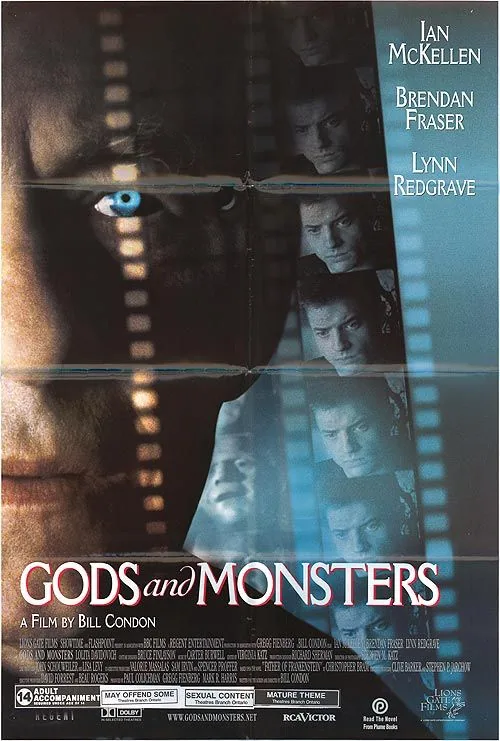
Retired filmmaker James Whale lives with his devoted housekeeper, Hanna, while coping with the effects of several strokes and memories of earlier losses. He befriends Clayton Boone, a young gardener who agrees to pose for his drawings, and the two build a wary connection across differences in age, class and experience. Whale’s stories about his past and his frankness about desire unsettle Boone, while declining health and depression make the friendship harder to navigate. Their conversations bring together Hollywood memory, loneliness and the need to be seen by another person.
Based on recorded story, mood and style. Your preferences can change the order.
Music and performance
What changes Bird: nonlinear biographical portrait, recurring musical passages and memory-led transitions. Elvis: fast.
A young performer's musical force attracts a manager who recognizes how rebellion can be sold while claiming he alone can protect the career it creates. Success reshapes family life, public image and the terms on which the singer can work, as promises of opportunity become increasingly difficult to separate from financial confinement. The relationship is narrated through the manager's self-defense, making the spectacle of stardom also an argument over who gets to explain its costs. Parker’s retrospective narration shapes the story, so the manager’s account is part of its subject and a limit.
Based on recorded story, mood and style. Your preferences can change the order.
Memory and identity
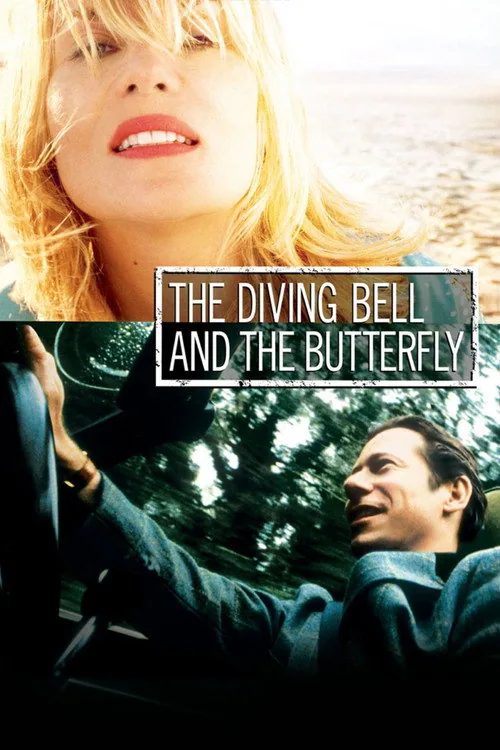
What changes Bird: nonlinear biographical portrait, recurring musical passages and memory-led transitions. The Diving Bell and the Butterfly: a slow alphabet read aloud lets bauby compose a book from inside an unresponsive body..
After a stroke leaves fashion editor Jean-Dominique Bauby with locked-in syndrome, he wakes in a hospital unable to speak or move except for one eyelid. A speech therapist develops a letter-by-letter blinking system, allowing Bauby to communicate with his family and dictate the memoir on which the film is based. Julian Schnabel’s drama begins within Bauby’s restricted point of view, then opens into memories, imagination, and the lives of visitors. It follows the act of writing as a way to remain connected while living with profound physical paralysis.
Based on recorded story, mood and style. Your preferences can change the order.
Music and performance · Memory and identity
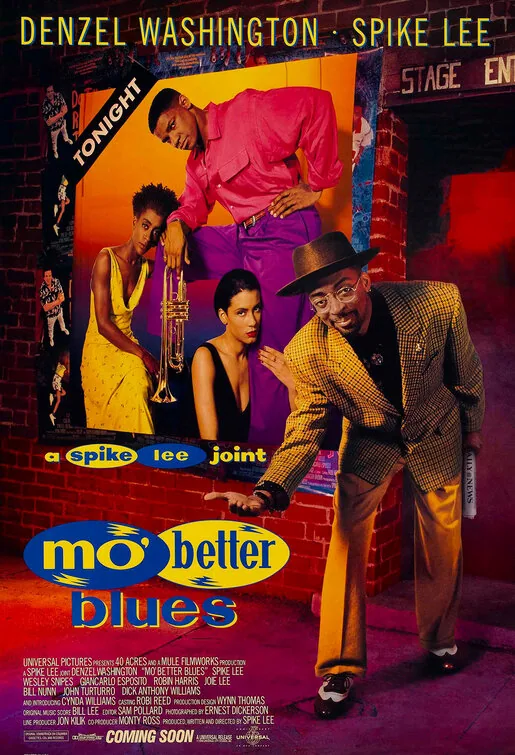
What changes Bird: nonlinear biographical portrait, recurring musical passages and memory-led transitions. Mo' Better Blues: measured musical and relationship arcs.
Jazz trumpeter Bleek Gilliam leads a successful quintet in Brooklyn, but his rigid control over the music and his relationships creates a series of avoidable conflicts. He must balance two romantic partners, the needs of his band and the advice of his manager and childhood friend Giant. The music is central to the drama, which links artistic discipline with questions of loyalty and responsibility.
Based on recorded story, mood and style. Your preferences can change the order.
Music and performance · Memory and identity
What changes Bird: nonlinear biographical portrait, recurring musical passages and memory-led transitions. I'm Not There: nonlinear and episodic, shifts in tone and reflective musical interludes.
Six characters, each played by a different actor, embody distinct facets of the public persona and artistic history of Bob Dylan. Their stories move through folk music, fame, protest, reinvention, and retreat without forming a single chronological biography. Todd Haynes uses shifting eras and visual styles to resist the idea that one person can be captured by a stable public image. The result is an experimental musical drama about performance, mythmaking, and the many identities an artist can inhabit, with Dylan's songs functioning as a connective thread rather than a conventional soundtrack.
Based on recorded story, mood and style. Your preferences can change the order.
Music and performance
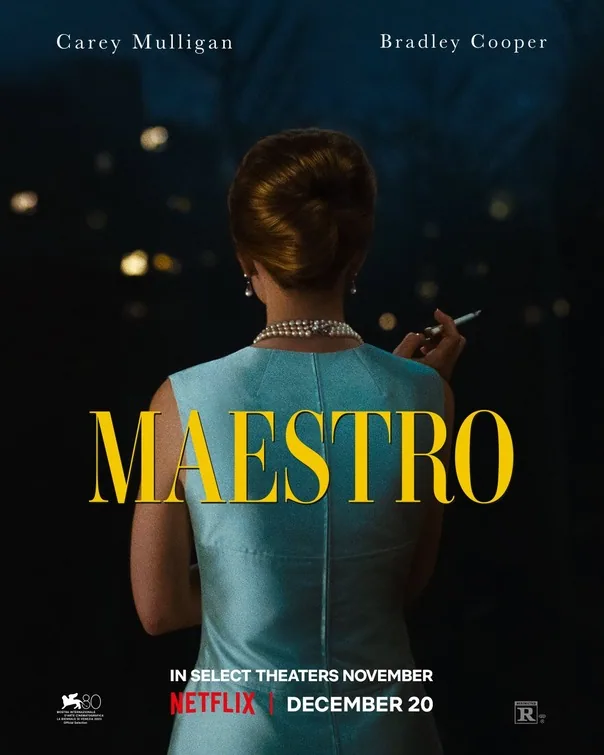
What changes Bird: nonlinear biographical portrait, recurring musical passages and memory-led transitions. Maestro: interwoven and decade-spanning.
Leonard Bernstein’s conducting career begins with an unexpected debut, while his long relationship with actress Felicia Montealegre becomes the emotional center of his personal life. The film follows their marriage through professional success, parenthood and Bernstein’s complicated identity, moving across decades and shifts in style. Bradley Cooper uses music, performance and black-and-white-to-color transitions to portray public artistry alongside private strain, without reducing either spouse to a simple role.
Based on recorded story, mood and style. Your preferences can change the order.
Music and performance
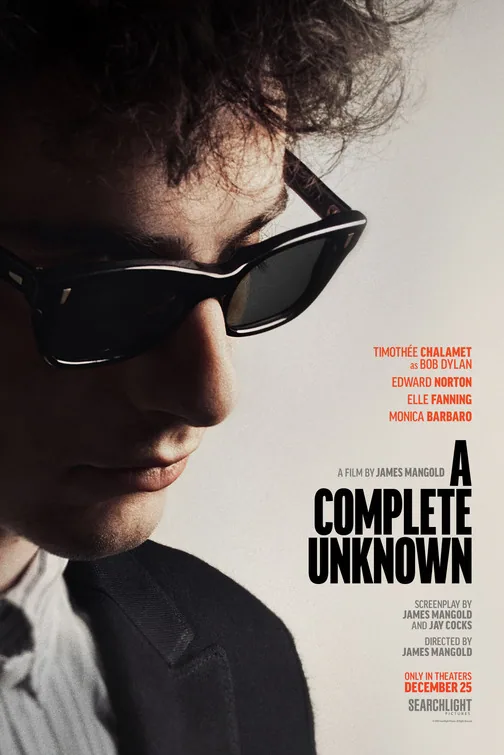
What changes Bird: nonlinear biographical portrait, recurring musical passages and memory-led transitions. A Complete Unknown: episodic and performance-led.
A young Bob Dylan arrives in New York seeking connection with Woody Guthrie and enters a folk community that helps establish his reputation. As his songwriting gains influence, friendships, romance and the expectations of committed audiences become harder to reconcile with his changing interests. The film follows artistic independence through performed songs and contested public choices, treating recognition as both an opportunity and a pressure to remain legible to others.
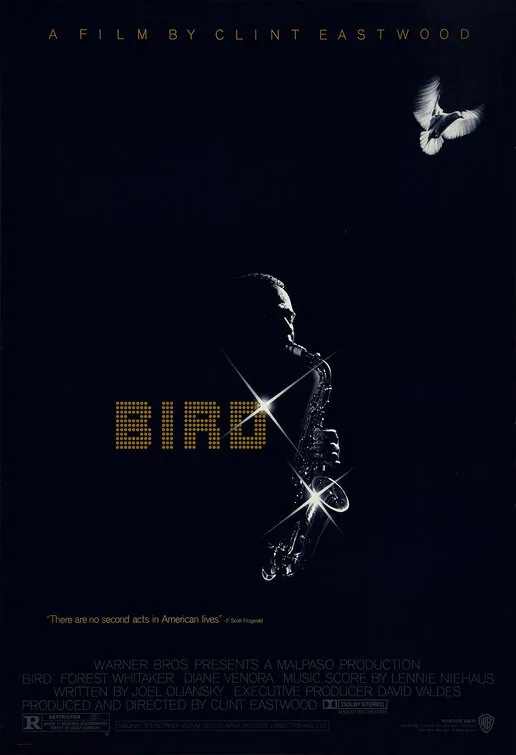
The film follows jazz saxophonist Charlie Parker from his early Kansas City performances into the New York bebop scene and his turbulent life with Chan Parker. Success brings periods of exhilaration and collapse, while drug and alcohol dependence repeatedly interrupts his playing and relationships. Chan helps reconnect him with work and family life, but Parker’s health and artistic drive remain difficult to separate. Told through shifting memories and music, the portrait moves between performance, intimacy and breakdown, framing bebop as a creative revolution carried by a life under strain.
What drives the story
Parker’s charisma and brilliance coexist with dependency and self-destruction; Chan tries to keep a home life possible.
The people at its centre
Chan’s loyalty gives Parker support but cannot make his life stable; friendships with fellow musicians are bound to the changing jazz scene.
What it feels like
Music becomes both evidence of Parker’s craft and a form through which the film organizes fractured recollection and private pain.
Worth knowing
A jazz biopic shaped by performance, memory and the costs of creative intensity.