Explore films connected to The Diving Bell and the Butterfly through Communication, Memory, Creativity. Choose the qualities you want to carry into your next watch.
What should feel similar?
Find your next favourite
9 films · Closest overall matches
Hide films you’ve seen or don’t want. Saved on this device.
No matches for this combination yet.
Try another option or reset your choices to see more films.
Both share an intimate and melancholic atmosphere.
Why this matches +
Genres: Drama / LGBTQ-related
Shared film traits
Based on recorded story, mood and style. Your preferences can change the order.
Memory and identity
What changes The Diving Bell and the Butterfly: a slow alphabet read aloud lets bauby compose a book from inside an unresponsive body.. A Single Man: measured and interior.
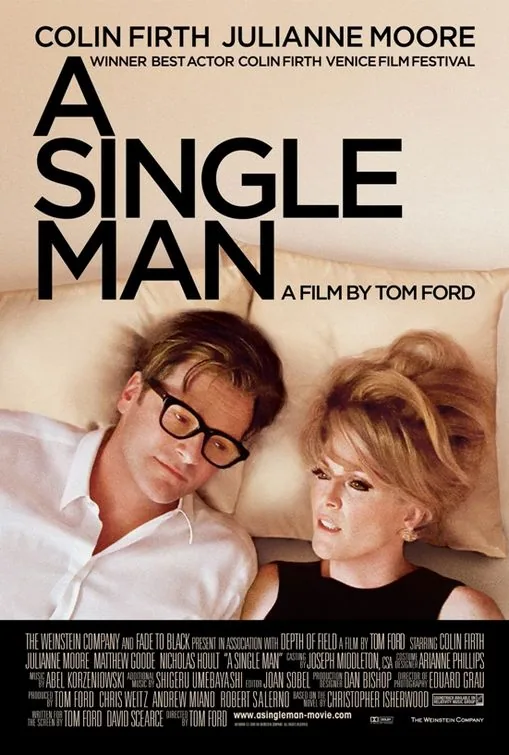
In 1960s Los Angeles, a British professor is grieving the sudden death of his partner and tries to move through one day while deciding whether he can continue living alone. Encounters with a friend, a student and strangers alter the emotional texture of that day without undoing his loss. The film turns clothing, color and routine into close expressions of grief, loneliness and the fragile possibility of renewed attention.
Both share themes of memory, plus an intimate atmosphere.
Why this matches +
Genres: Drama / Romance
Shared film traits
Based on recorded story, mood and style. Your preferences can change the order.
Memory and identity
What changes The Diving Bell and the Butterfly: a slow alphabet read aloud lets bauby compose a book from inside an unresponsive body.. Iris: interwoven timelines and measured.
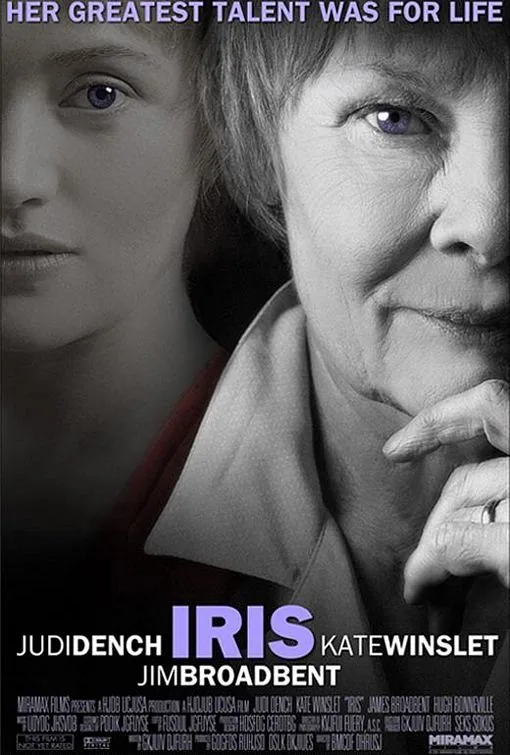
The film follows novelist Iris Murdoch and her husband John Bayley across their courtship and later years, when her developing dementia changes their shared life. Young Iris’s curiosity and unconventional energy are placed beside the painful limits that illness imposes on memory and communication. The story is a portrait of enduring attachment, shaped by shifts between the couple’s early intellectual intimacy and later caregiving.
Based on recorded story, mood and style. Your preferences can change the order.
Memory and identity
What changes The Diving Bell and the Butterfly: a slow alphabet read aloud lets bauby compose a book from inside an unresponsive body.. Bird: nonlinear biographical portrait, recurring musical passages and memory-led transitions.
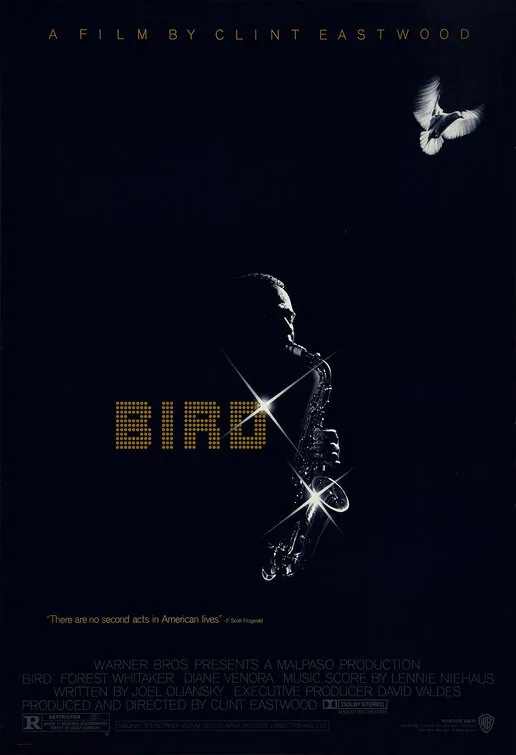
The film follows jazz saxophonist Charlie Parker from his early Kansas City performances into the New York bebop scene and his turbulent life with Chan Parker. Success brings periods of exhilaration and collapse, while drug and alcohol dependence repeatedly interrupts his playing and relationships. Chan helps reconnect him with work and family life, but Parker’s health and artistic drive remain difficult to separate. Told through shifting memories and music, the portrait moves between performance, intimacy and breakdown, framing bebop as a creative revolution carried by a life under strain.
Both share themes of memory, plus an intimate atmosphere.
Why this matches +
Genres: Drama
Shared film traits
Based on recorded story, mood and style. Your preferences can change the order.
Memory and identity
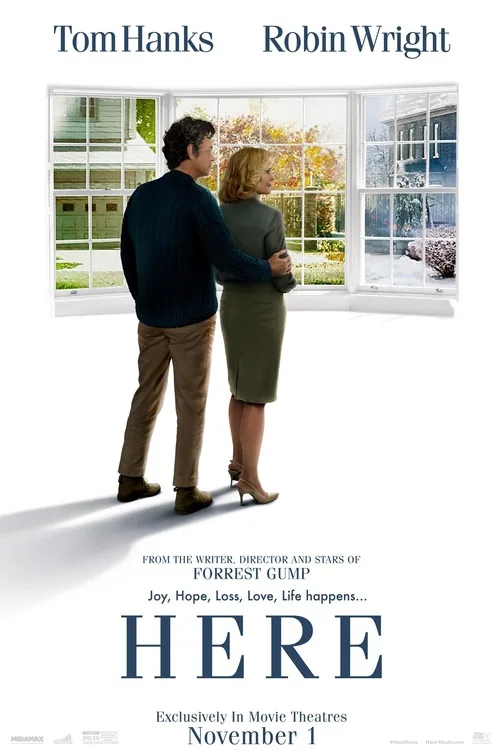
What changes The Diving Bell and the Butterfly: a slow alphabet read aloud lets bauby compose a book from inside an unresponsive body.. Here: a non-linear structure revisits one place across multiple generations.
The film remains anchored to one location while moving across different periods and generations of people who live in or pass through it. Domestic routines, relationships, and historical change become visible through the space itself, making the room a witness to lives it cannot control. The drama adapts a graphic-novel structure into a meditation on memory, time, family, and the meanings that accumulate around an ordinary place.
Based on recorded story, mood and style. Your preferences can change the order.
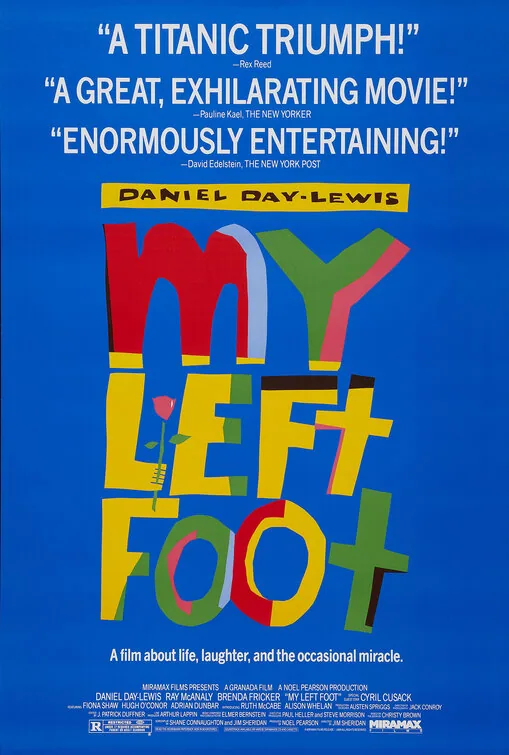
What changes The Diving Bell and the Butterfly: a slow alphabet read aloud lets bauby compose a book from inside an unresponsive body.. My Left Foot: character-led and measured.
Born with cerebral palsy in working-class Dublin, Christy Brown is able to control only his left foot, but learns to use it to write and paint. His family supports his development while he fights for education, independence, and recognition as an artist. The biographical drama follows a life shaped by both physical barriers and determined self-expression, while keeping Christy's humor, anger, and complicated relationships in view.
Based on recorded story, mood and style. Your preferences can change the order.
Memory and identity
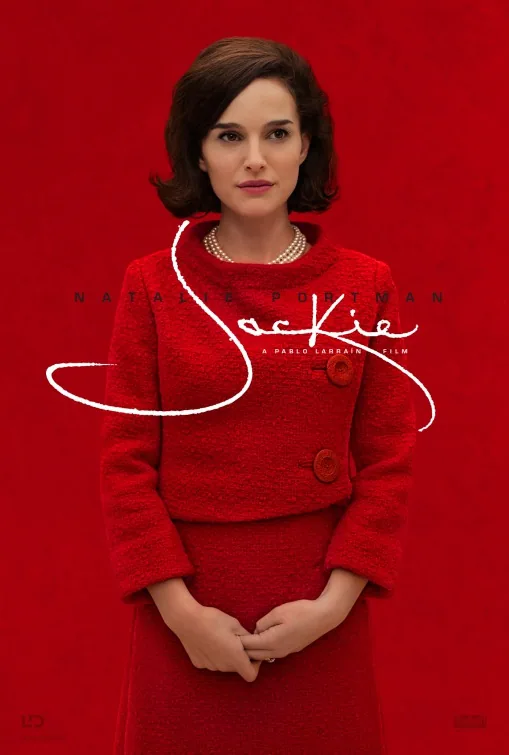
What changes The Diving Bell and the Butterfly: a slow alphabet read aloud lets bauby compose a book from inside an unresponsive body.. Jackie: fragmented and subjective.
After President John F. Kennedy's assassination, Jacqueline Kennedy gives an interview about the days surrounding the funeral and her effort to shape how the country remembers her husband. The film moves through grief, public duty, and private conversations as she negotiates the White House's transition and the limits of her control over an official narrative. Pablo Larraín's portrait is intimate and subjective, using performance and ritual to explore mourning under constant observation.
Both share an intimate and melancholic atmosphere.
Why this matches +
Genres: Drama
Shared film traits
Based on recorded story, mood and style. Your preferences can change the order.
Memory and identity
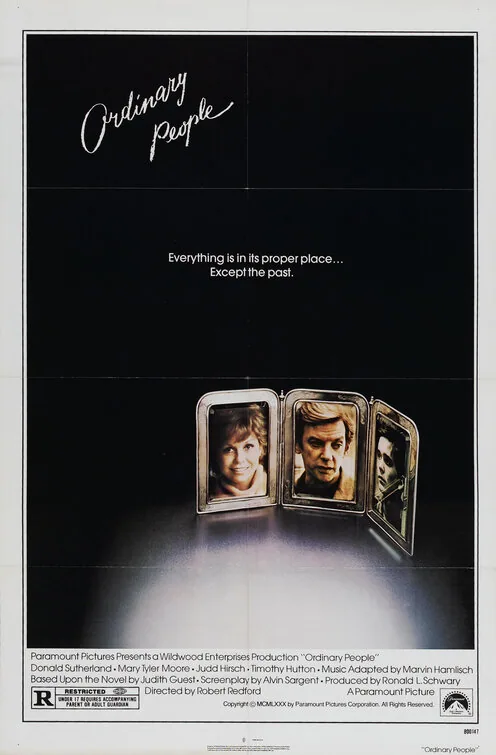
What changes The Diving Bell and the Butterfly: a slow alphabet read aloud lets bauby compose a book from inside an unresponsive body.. Ordinary People: measured and steady.
After the accidental drowning death of their eldest son Buck, the affluent Jarrett family tries to resume ordinary routines. Younger son Conrad returns home after a suicide attempt and psychiatric hospitalization, struggling with guilt and the belief that he should have died instead. Therapy with Dr. Berger helps him name grief and anger, while his father Calvin tries to reconnect with both sons’ absence. His mother Beth maintains control through social appearances and finds Conrad’s vulnerability intolerable. Their conflict forces Calvin to recognize that family recovery may not mean preserving the household intact.
Based on recorded story, mood and style. Your preferences can change the order.
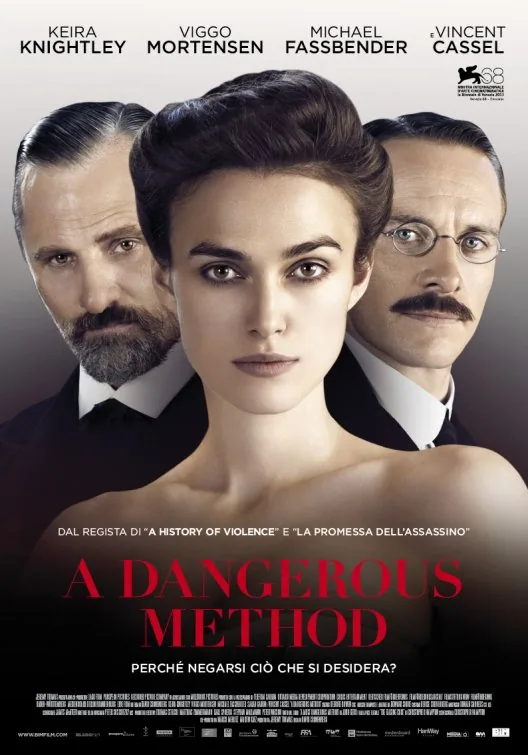
What changes The Diving Bell and the Butterfly: a slow alphabet read aloud lets bauby compose a book from inside an unresponsive body.. A Dangerous Method: measured.
A young woman enters psychiatric treatment under Carl Jung and becomes both an intellectual contributor and an intimate disruption in his life. Jung's relationship with Sigmund Freud initially offers a framework for exploring the mind, but professional disagreements and private desire strain their alliance. The film follows the overlap of therapeutic authority, sexual transgression, and competing ambitions during an early period of psychoanalysis.
Based on recorded story, mood and style. Your preferences can change the order.
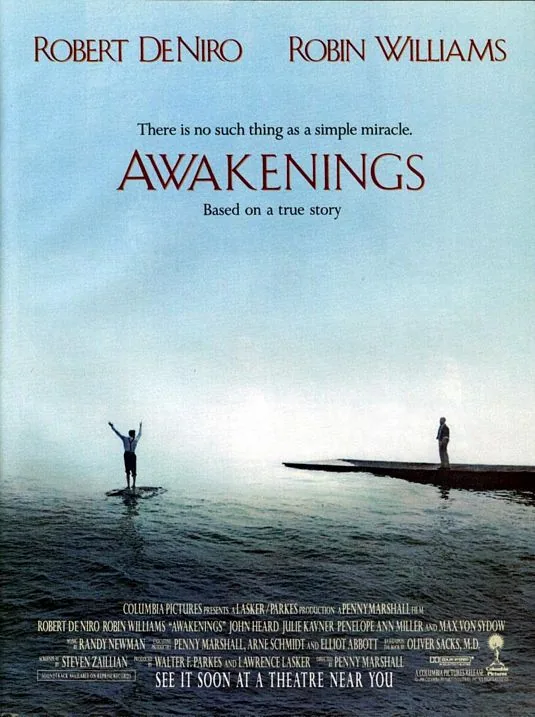
What changes The Diving Bell and the Butterfly: a slow alphabet read aloud lets bauby compose a book from inside an unresponsive body.. Awakenings: measured.
Neurologist Malcolm Sayer begins working with patients who survived encephalitis lethargica but have spent years in catatonic or severely limited states. His careful observations lead him to try L-DOPA, and Leonard Lowe's response opens a brief period of renewed speech, movement and independent desire. The change is a medical breakthrough and a challenge to the institution's assumptions about what the patients can experience. When the improvement proves unstable, the story shifts from cure to the difficult ethics of care, dignity and time. It is inspired by Oliver Sacks's work but substantially dramatized.
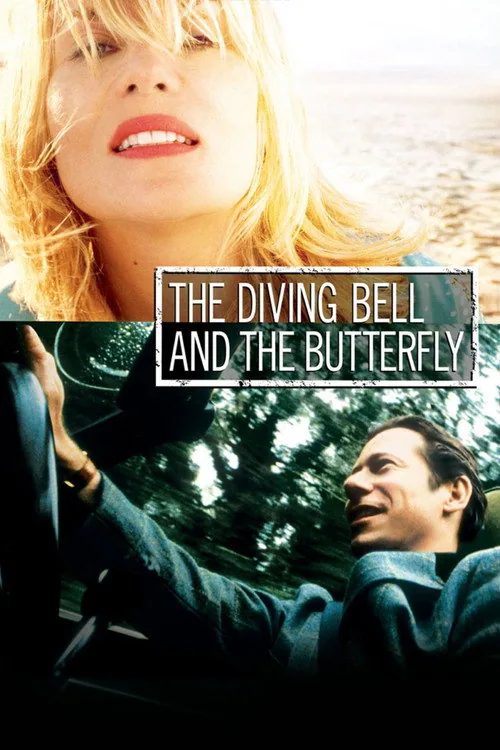
After a stroke leaves fashion editor Jean-Dominique Bauby with locked-in syndrome, he wakes in a hospital unable to speak or move except for one eyelid. A speech therapist develops a letter-by-letter blinking system, allowing Bauby to communicate with his family and dictate the memoir on which the film is based. Julian Schnabel’s drama begins within Bauby’s restricted point of view, then opens into memories, imagination, and the lives of visitors. It follows the act of writing as a way to remain connected while living with profound physical paralysis.
What drives the story
Bauby works with a transcriber to dictate his memoir after his stroke.
The people at its centre
His children, former partner, friends, and caretakers keep his inner life in conversation with the outside world.
What it feels like
The film depicts stroke, paralysis, medical care, disability, and grief through Bauby’s interior viewpoint.
Worth knowing
Its first-person form emphasizes a specific memoir and lived perspective rather than defining locked-in syndrome for everyone.
CommunicationMemoryCreativity
Mood
Intimate · Imaginative · Melancholic
Pacing
A slow alphabet read aloud lets Bauby compose a book from inside an unresponsive body.
Visual style
Subjective camera · Textural close-ups · Glacier and water imagery