The loss of language makes everyday work and family conversation newly difficult, so Alice's tools for holding onto agency become central to the story.
Why this matches +
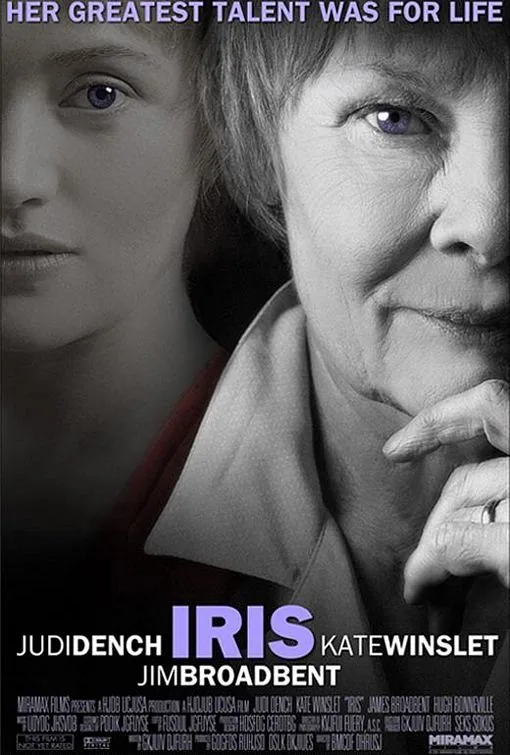
Selected for the central appeal: Novelist Iris Murdoch and her husband navigate a long marriage as dementia changes their shared life.
Genres: Drama
Shared film traits
Based on recorded story, mood and style. Your preferences can change the order.
Memory and identity
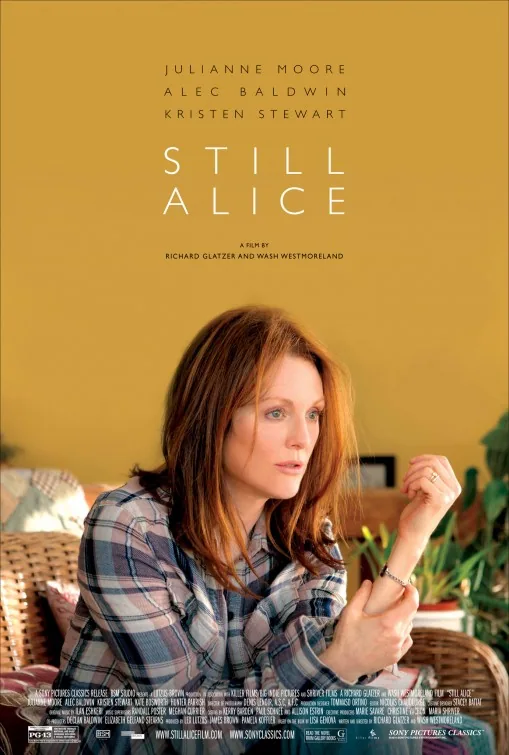
What changes A noted academic and her family confront dementia's effects on language, identity and everyday relationships; a linguistics professor in contemporary America.
Alice Howland is a successful linguistics professor whose occasional word loss and disorientation lead to a diagnosis of early-onset familial Alzheimer's disease. As she builds reminders and routines to preserve independence, her husband John and their adult children respond in different ways. Her daughter Anna learns she carries the inherited risk, while aspiring actress Lydia declines testing and remains closely involved with her mother. Alice's career, memory and ability to communicate change over time, shifting the family's idea of care and of who Alice is.
A relationship formed under an apparently limited future must repeatedly renegotiate care, ambition and independence as life continues beyond initial expectations.
Why this matches +
These offer a related experience with a meaningful difference in story, tone, or presentation.
An adjacent discovery: a related idea with a different viewing experience.
Genres: Drama / Romance
Shared film traits
Based on recorded story, mood and style. Your preferences can change the order.
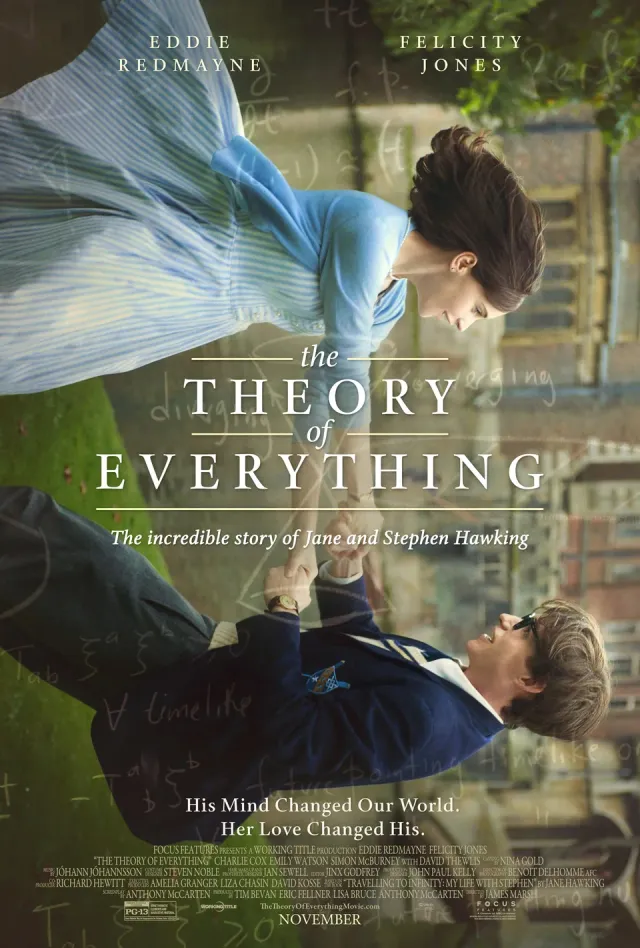
What changes A long marriage adapts to a celebrated intellectual's progressive illness, caregiving and changing expectations; physicist Stephen Hawking and his wife.
A Cambridge student developing ideas about the origins of the universe begins a relationship just as a diagnosis threatens the future he imagined. Marriage and a growing family become intertwined with the practical demands of disability, professional recognition and changing forms of communication. As his condition and career develop, the couple's commitment must accommodate exhaustion, outside attachments and desires that cannot be resolved by the early promise to face everything together.
A recounted youthful romance traces repeated separations while its telling becomes part of a present-day effort to sustain recognition.
Why this matches +
These offer a related experience with a meaningful difference in story, tone, or presentation.
An adjacent discovery: a related idea with a different viewing experience.
Genres: Romance / Drama
Shared film traits
Based on recorded story, mood and style. Your preferences can change the order.
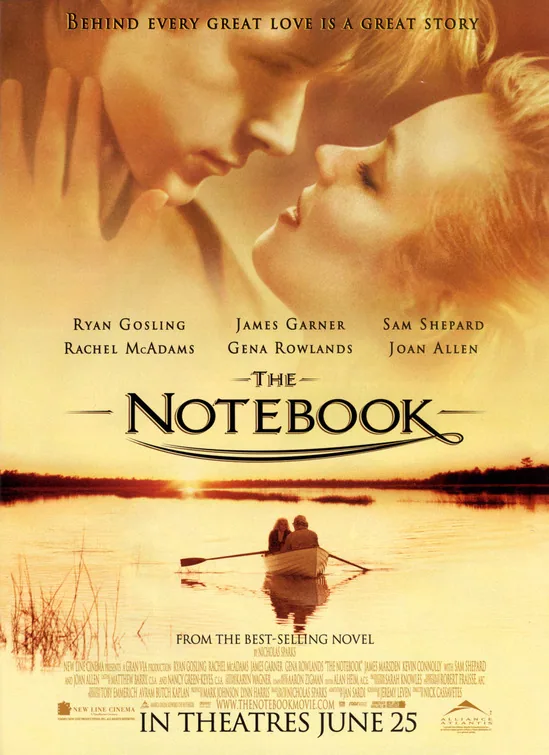
What changes An older couple's shared romantic past is recalled as memory loss changes their present relationship; a more overtly sentimental romance.
An older man reads a story of a young couple whose summer attachment develops across a sharp difference in class and family expectation. Separation, war and other relationships make their eventual choices less straightforward than the intensity of the first encounter suggests. The framing situation gradually gives the remembered romance another emotional purpose, connecting the promise of enduring devotion with the vulnerability of memory and bodily aging.
Progressive illness makes an intimate promise of care increasingly difficult to sustain.
Why this matches +
These offer a related experience with a meaningful difference in story, tone, or presentation.
An adjacent discovery: a related idea with a different viewing experience.
Genres: Drama / Romance
Shared film traits
Based on recorded story, mood and style. Your preferences can change the order.
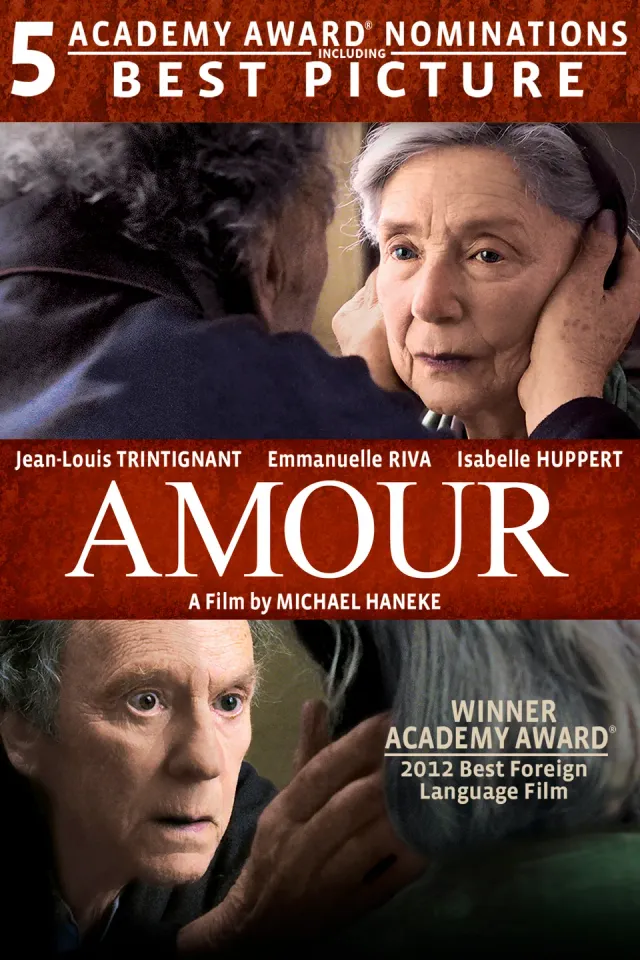
What changes An elderly couple's enduring attachment is tested as illness changes their daily routines and caregiving responsibilities; a spare French drama.
An elderly married couple's settled Parisian life changes after the wife suffers a stroke and becomes increasingly dependent on care. Her husband's promise to look after her at home brings routines of intimacy into contact with exhaustion, humiliation and fear. Visits from their daughter expose differences between observing decline from outside and living within its demands each day.
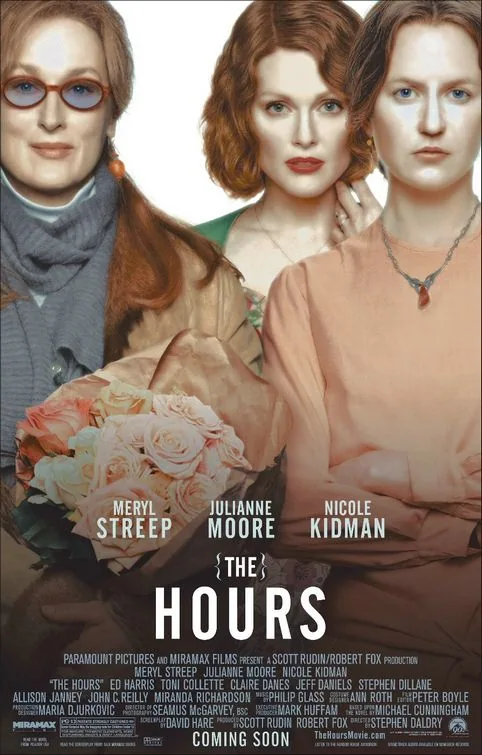
A day in each woman’s life forms a braided structure; their choices echo one another while belonging to different relationships and historical moments.
Why this matches +
These offer a related experience with a meaningful difference in story, tone, or presentation.
An adjacent discovery: a related idea with a different viewing experience.
Genres: Drama / LGBTQ-related
Shared film traits
Based on recorded story, mood and style. Your preferences can change the order.
Memory and identity
What changes Writers and the people close to them confront psychological suffering and the limits of caregiving across linked periods; interwoven lives rather than one marriage.
The film follows three women on separate days in different decades: Virginia Woolf in 1920s England, Laura Brown in 1950s Los Angeles and Clarissa Vaughan in contemporary New York. Virginia writes Mrs. Dalloway while struggling with illness and the restrictions of her life; Laura reads the novel as domestic dissatisfaction closes around her; Clarissa cares for Richard, a poet and former lover dying of AIDS. Editing and recurring gestures connect the women without making their experiences identical. The result is a literary drama about care, escape and the futures people imagine for themselves.
The film follows novelist Iris Murdoch and her husband John Bayley across their courtship and later years, when her developing dementia changes their shared life. Young Iris’s curiosity and unconventional energy are placed beside the painful limits that illness imposes on memory and communication. The story is a portrait of enduring attachment, shaped by shifts between the couple’s early intellectual intimacy and later caregiving.
What drives the story
The changing timeline makes memory itself part of the form through which the marriage is understood.
The people at its centre
John’s role shifts from fascinated partner to caregiver while Iris’s individuality remains more than her diagnosis.
What it feels like
Quiet performances and restrained staging keep the focus on daily intimacy, loss and adaptation.
Worth knowing
A marriage shaped by cognitive illness differs from a conventional biographical account of artistic achievement.
LoveMemoryIllness
Mood
Tender · Sad · Intimate
Pacing
Interwoven timelines · Measured
Visual style
Literary period drama
Storytelling
Long partnership · Dementia · Retrospective structure