Both share themes of independence, plus an intimate atmosphere.
Why this matches +
Genres: Drama
Shared film traits
Based on recorded story, mood and style. Your preferences can change the order.
Memory and identity
What changes Still Alice: gradual decline and domestic observation. Queen at Sea: measured.
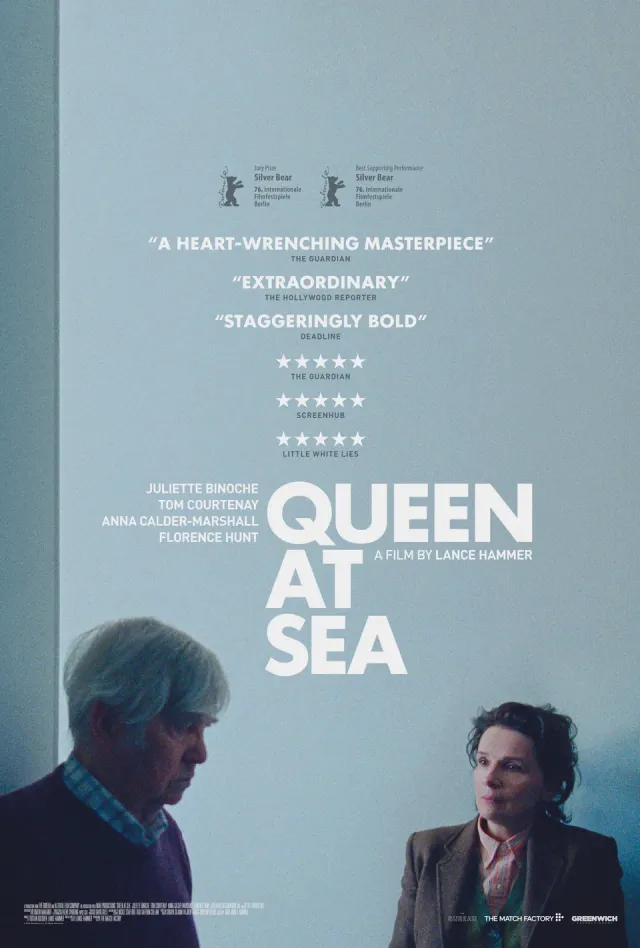
Amanda and her stepfather Martin disagree over how to care for Leslie, whose dementia makes questions of consent and independence increasingly difficult. Each believes they are acting in her interests, but their decisions expose divisions within the family. This drama follows the uncertain boundary between protecting someone and taking control of their life, with no easy agreement about who should decide.
Both centre on care partnership and grief and adjustment.
Why this matches +
Genres: Drama / Romance
Shared film traits
Based on recorded story, mood and style. Your preferences can change the order.
Memory and identity
What changes Still Alice: gradual decline and domestic observation. Iris: interwoven timelines and measured.
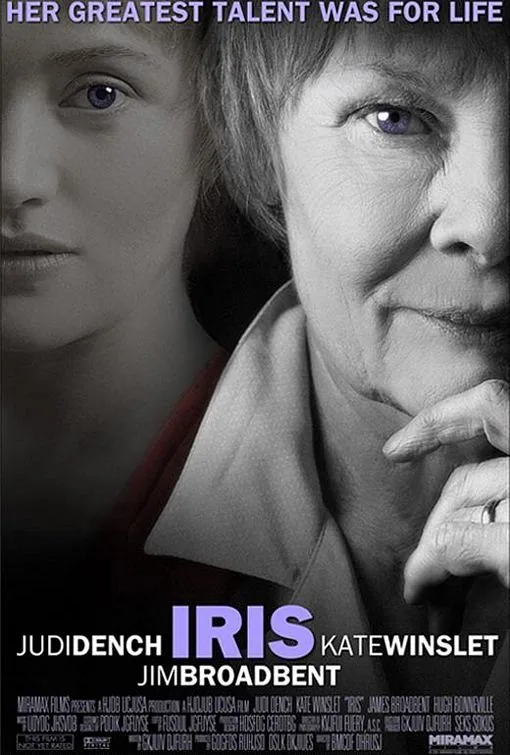
The film follows novelist Iris Murdoch and her husband John Bayley across their courtship and later years, when her developing dementia changes their shared life. Young Iris’s curiosity and unconventional energy are placed beside the painful limits that illness imposes on memory and communication. The story is a portrait of enduring attachment, shaped by shifts between the couple’s early intellectual intimacy and later caregiving.
Based on recorded story, mood and style. Your preferences can change the order.
Memory and identity
What changes Still Alice: gradual decline and domestic observation. Interiors: measured, chamber-like and reflective.
Arthur, a New York attorney, tells his wife Eve that he wants to separate and begin a different life. Their three adult daughters respond in different ways: Renata, a poet, feels caught between sympathy for her mother and concern for her father; Joey struggles with her own direction; and Flyn is often away working as an actress. When Arthur returns from a trip with Pearl, a warm and outgoing woman unlike Eve, the family must confront grief, resentment, and the emotional distance that has long shaped their home.
Both share themes of memory, plus an intimate atmosphere.
Why this matches +
Genres: Drama / Psychological drama
Shared film traits
Based on recorded story, mood and style. Your preferences can change the order.
Memory and identity
What changes Still Alice: gradual decline and domestic observation. Face to Face: slow, fragmented and intensifying.
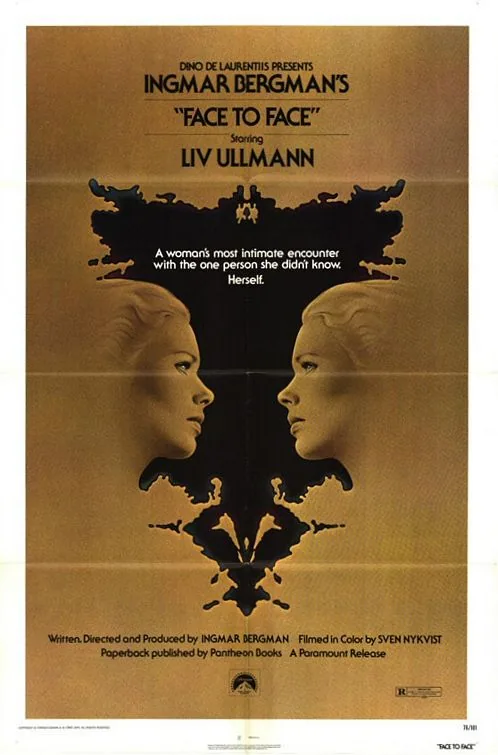
Dr. Jenny Isaksson, a psychiatrist, takes a temporary post in a mental hospital while her husband and daughter are away. Staying in her grandparents' old home awakens painful childhood memories, and visions intrude on her daily life. As Jenny's professional duties and strained relationships press closer, the story moves between waking reality, dreams and crisis, examining the instability beneath a life built around understanding other people's minds.
Both centre on care partnership and grief and adjustment.
Why this matches +
Genres: Drama / Psychological
Shared film traits
Based on recorded story, mood and style. Your preferences can change the order.
Memory and identity
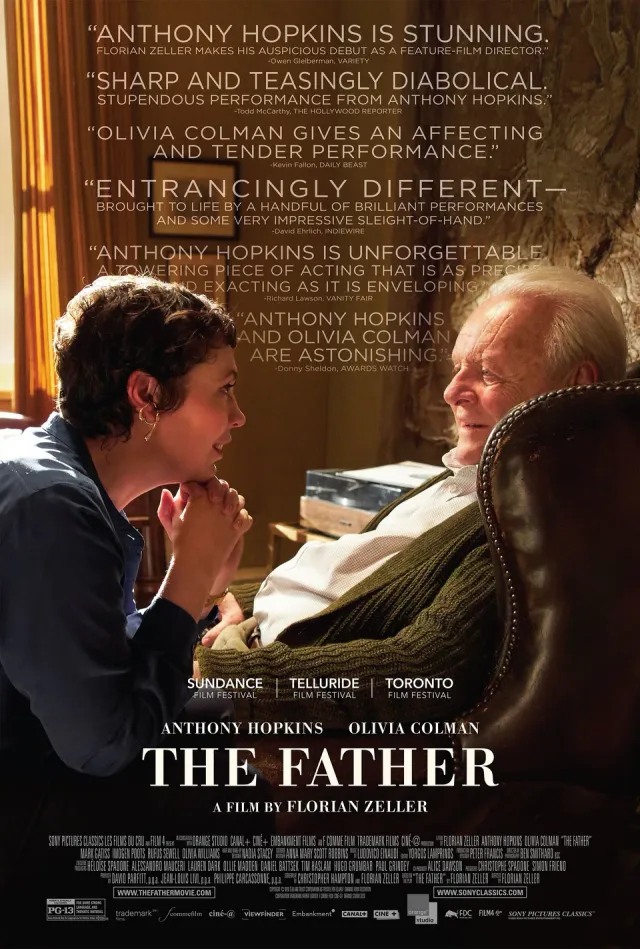
What changes Still Alice: gradual decline and domestic observation. The Father: repetition and rupture and gradual destabilization.
Anthony, an older man living alone in London, insists he does not need help even as his daughter Anne struggles to find a caregiver he will accept. He is certain his watch has been stolen and that Anne is still married, but the people and rooms around him begin to change without warning. A man who claims to be Anne’s husband appears in Anthony’s flat; Anne herself seems to have a different face, and dates and memories refuse to line up. The film stays close to Anthony’s perception, making the audience share his uncertainty rather than explain it from outside. As Anne weighs her responsibilities and her own life, Anthony searches for the familiar home and mother he can no longer locate.
Based on recorded story, mood and style. Your preferences can change the order.
Memory and identity
What changes Still Alice: gradual decline and domestic observation. The Divine Secrets of the Ya-Ya Sisterhood: alternating timelines and character-led.
A playwright's public comments about her childhood deepen a long-running rift with her mother and threaten to disrupt her upcoming wedding. The mother's lifelong friends intervene, bringing the daughter into a shared history that spans girlhood, marriage and painful family choices. The drama uses memories and an ensemble of older women to ask how adult children can understand parents without excusing the harm they experienced.
Both centre on care partnership and grief and adjustment.
Why this matches +
Genres: Comedy / Drama
Shared film traits
Based on recorded story, mood and style. Your preferences can change the order.
Memory and identity
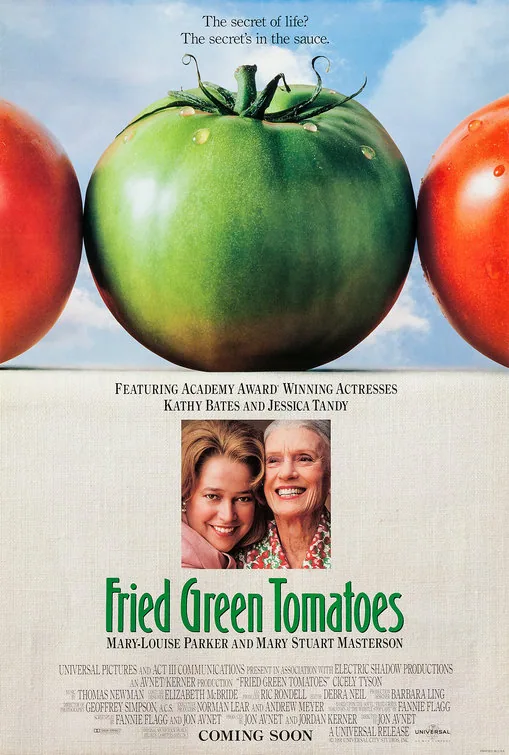
What changes Still Alice: gradual decline and domestic observation. Fried Green Tomatoes: unhurried and interwoven timelines.
In 1980s Alabama, Evelyn Couch visits an older woman named Ninny Threadgoode in a nursing home and hears stories about the people of Whistle Stop. Ninny's memories center on the friendship between Idgie Threadgoode and Ruth Jamison, whose lives are shaped by love, violence, and a close-knit community. The interwoven timelines let Evelyn's quiet present be changed by the courage and loyalty she discovers in the past.
Both share themes of memory, plus a tender atmosphere.
Why this matches +
Genres: Drama / Coming-of-age
Shared film traits
Based on recorded story, mood and style. Your preferences can change the order.
Memory and identity
What changes Still Alice: gradual decline and domestic observation. Mysterious Skin: interwoven timelines, character-led and gradual revelation.
Neil McCormick and Brian Lackey were Little League teammates who experienced abuse by their coach as children, but they remember and respond to the events differently. As young adults, Neil pursues older men while Brian interprets gaps in memory through fantasies of alien abduction. Their separate lives eventually bring them back together, where shared recollection changes Brian’s understanding of his past. Gregg Araki’s adaptation of Scott Heim’s novel is a difficult coming-of-age drama about trauma, memory, and the distinct ways survivors seek explanation.
Based on recorded story, mood and style. Your preferences can change the order.
Memory and identity
What changes Still Alice: gradual decline and domestic observation. Reign Over Me: a dentist reconnects with a friend who has isolated himself after the death of his family..
Alan Johnson, a New York dentist with a busy family life, unexpectedly reconnects with Charlie Fineman, his former college roommate. Charlie has withdrawn from other people after losing his wife and daughters in the September 11 attacks, and he avoids discussing the loss. Alan’s attempts to rebuild their friendship bring him into contact with Charlie’s family and therapist, while also exposing his own dissatisfaction and poor communication at home. Mike Binder’s drama follows two men whose friendship develops through companionship, grief, and the difficult process of accepting help.
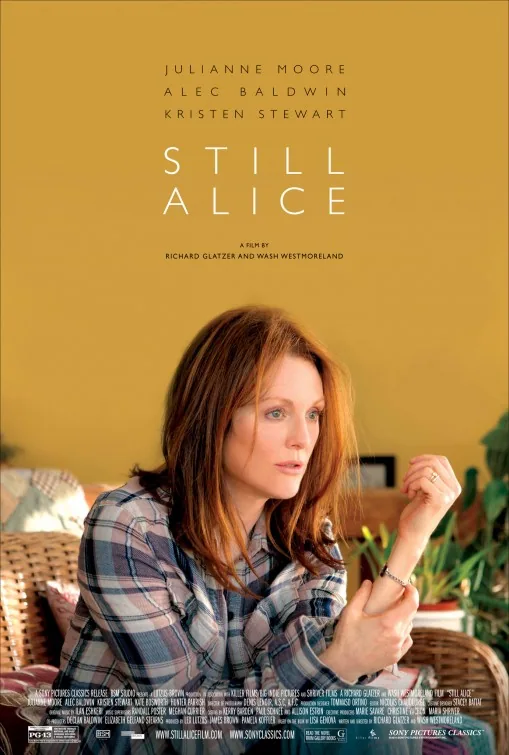
Alice Howland is a successful linguistics professor whose occasional word loss and disorientation lead to a diagnosis of early-onset familial Alzheimer's disease. As she builds reminders and routines to preserve independence, her husband John and their adult children respond in different ways. Her daughter Anna learns she carries the inherited risk, while aspiring actress Lydia declines testing and remains closely involved with her mother. Alice's career, memory and ability to communicate change over time, shifting the family's idea of care and of who Alice is.
What drives the story
The loss of language makes everyday work and family conversation newly difficult, so Alice's tools for holding onto agency become central to the story.
The people at its centre
John's professional certainty cannot protect him from an unpredictable illness, while Lydia's patient presence differs from the family's efforts to manage the future.
What it feels like
A close, restrained performance-led drama follows cognitive change through lectures, domestic rituals and repeated attempts to communicate.
Worth knowing
A fit for intimate family dramas about illness and care; it is emotionally heavy and should not be treated as a clinical guide to Alzheimer's.
MemoryFamily careIndependence
Mood
Tender · Grave · Intimate
Pacing
Gradual decline · Domestic observation
Visual style
Restrained realism · Close performance
Storytelling
Early-onset Alzheimer’s · Changing family roles · Language loss