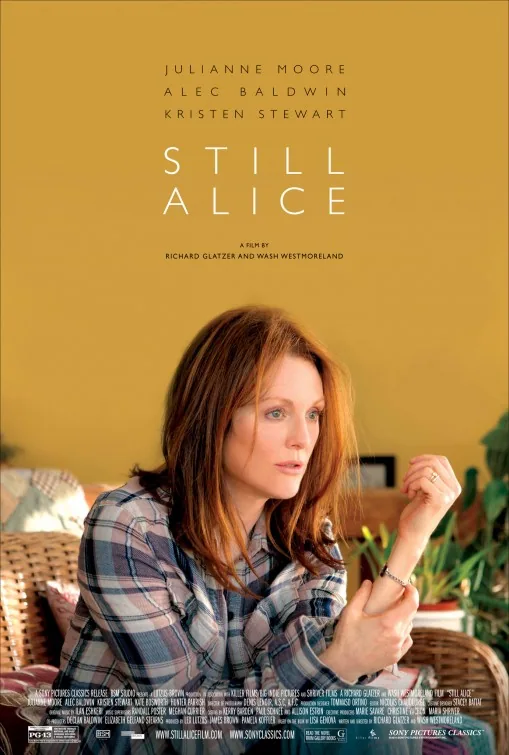
The loss of language makes everyday work and family conversation newly difficult, so Alice's tools for holding onto agency become central to the story.
Why this matches +
Cognitive decline or progressive illness changes intimate responsibilities and puts personal autonomy under pressure.
Genres: Drama
Shared film traits
Based on recorded story, mood and style. Your preferences can change the order.
Memory and identity
What changes The affected woman’s own professional and family life is foregrounded, with younger-onset illness rather than a spouse-child caregiving conflict.
Alice Howland is a successful linguistics professor whose occasional word loss and disorientation lead to a diagnosis of early-onset familial Alzheimer's disease. As she builds reminders and routines to preserve independence, her husband John and their adult children respond in different ways. Her daughter Anna learns she carries the inherited risk, while aspiring actress Lydia declines testing and remains closely involved with her mother. Alice's career, memory and ability to communicate change over time, shifting the family's idea of care and of who Alice is.
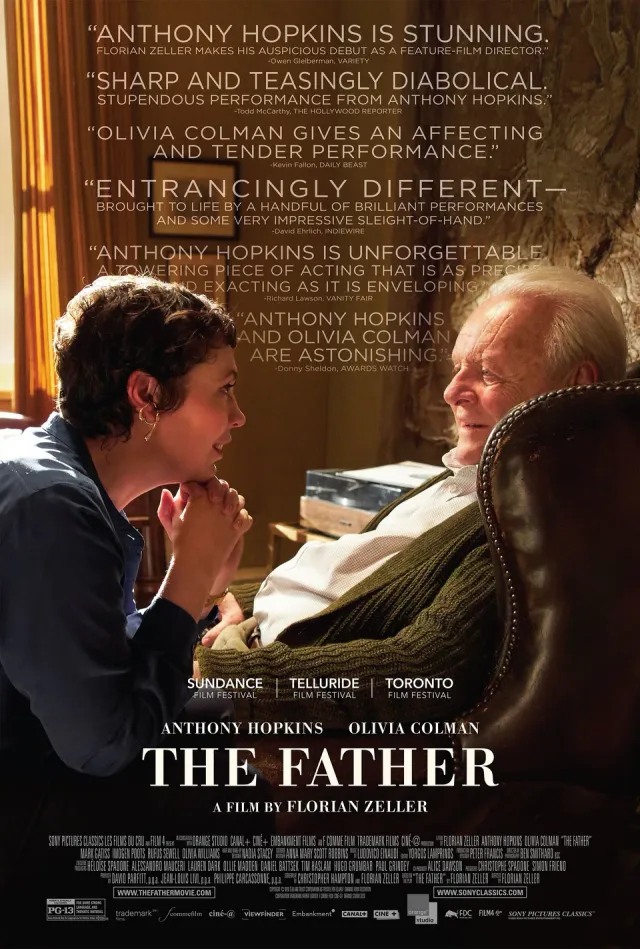
Shifting actors, rooms and timelines are not a puzzle for Anthony to solve; they place viewers inside the disorientation that shapes his choices.
Why this matches +
Cognitive decline or progressive illness changes intimate responsibilities and puts personal autonomy under pressure.
Genres: Drama / Psychological
Shared film traits
Based on recorded story, mood and style. Your preferences can change the order.
Memory and identity
What changes Its shifting subjective form places viewers inside the affected parent’s disorientation rather than primarily between competing caregivers.
Anthony, an older man living alone in London, insists he does not need help even as his daughter Anne struggles to find a caregiver he will accept. He is certain his watch has been stolen and that Anne is still married, but the people and rooms around him begin to change without warning. A man who claims to be Anne’s husband appears in Anthony’s flat; Anne herself seems to have a different face, and dates and memories refuse to line up. The film stays close to Anthony’s perception, making the audience share his uncertainty rather than explain it from outside. As Anne weighs her responsibilities and her own life, Anthony searches for the familiar home and mother he can no longer locate.
Progressive illness makes an intimate promise of care increasingly difficult to sustain.
Why this matches +
Cognitive decline or progressive illness changes intimate responsibilities and puts personal autonomy under pressure.
Genres: Drama / Romance
Shared film traits
Based on recorded story, mood and style. Your preferences can change the order.
What changes The focus stays mainly within a marriage rather than a daughter and stepfather’s dispute over dementia and consent.
An elderly married couple's settled Parisian life changes after the wife suffers a stroke and becomes increasingly dependent on care. Her husband's promise to look after her at home brings routines of intimacy into contact with exhaustion, humiliation and fear. Visits from their daughter expose differences between observing decline from outside and living within its demands each day.
The changing timeline makes memory itself part of the form through which the marriage is understood.
Why this matches +
Cognitive decline or progressive illness changes intimate responsibilities and puts personal autonomy under pressure.
Genres: Drama / Romance
Shared film traits
Based on recorded story, mood and style. Your preferences can change the order.
Memory and identity
What changes A biographical portrait and alternating time periods replace the contemporary family’s immediate consent dispute.
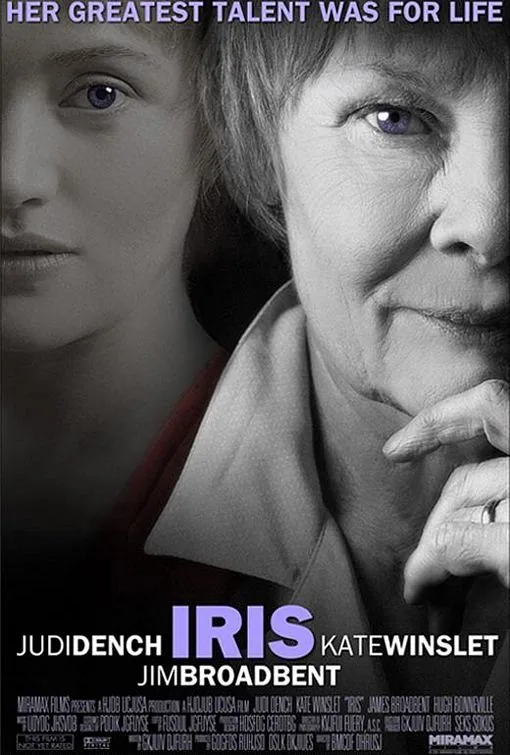
The film follows novelist Iris Murdoch and her husband John Bayley across their courtship and later years, when her developing dementia changes their shared life. Young Iris’s curiosity and unconventional energy are placed beside the painful limits that illness imposes on memory and communication. The story is a portrait of enduring attachment, shaped by shifts between the couple’s early intellectual intimacy and later caregiving.
a bodily-autonomy claim forcing the family to revisit protective choices
Why this matches +
Family protection becomes ethically uncertain when treatment, caregiving or bodily choice divides people who claim to be acting for someone else.
An adjacent discovery: a related idea with a different viewing experience.
Genres: Drama
Shared film traits
Based on recorded story, mood and style. Your preferences can change the order.
What changes A child’s medical treatment and a sibling’s legal claim replace an older woman’s dementia and capacity to consent.
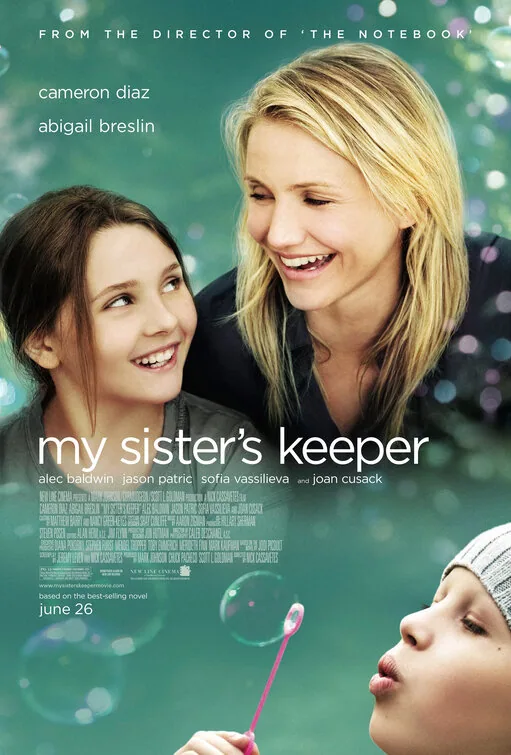
A family’s effort to care for a daughter with a serious illness is disrupted when her younger sister seeks the right to make medical decisions for herself. The court dispute exposes different forms of love, fear and sacrifice carried by each family member. The drama examines the strain of treating one child as a possible source of help for another and asks who gets to choose what their body endures.
A medical crisis reunites estranged sisters and makes an unshared caregiving burden impossible to keep private.
Why this matches +
Family protection becomes ethically uncertain when treatment, caregiving or bodily choice divides people who claim to be acting for someone else.
An adjacent discovery: a related idea with a different viewing experience.
Genres: Drama
Shared film traits
Based on recorded story, mood and style. Your preferences can change the order.
What changes Estranged sisters and a further medical crisis replace the spouse-daughter disagreement; its tone includes more warmth and humor.
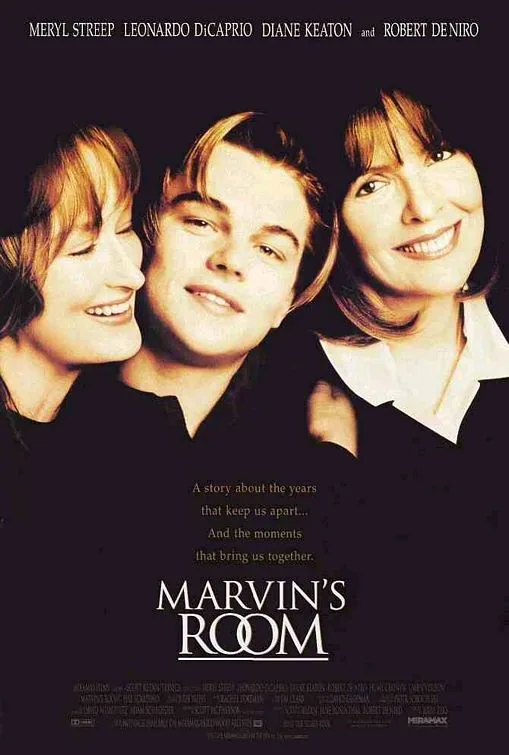
For twenty years Bessie has cared for her bedridden father Marvin and her aunt Ruth in Florida, while her sister Lee built a separate life in Ohio. When Bessie is diagnosed with leukemia and needs a marrow donor, Lee returns with her troubled teenage son Hank, whose anger recently led him to set a fire. The hospital search brings the sisters into close quarters and exposes how differently they have handled duty, independence and family resentment. Neither of Lee's sons is a match, but Lee eventually offers to move her family closer and share the care Bessie has carried alone.
A domestic arrangement produces a disputed incident whose interpretation threatens two families' futures.
Why this matches +
Family protection becomes ethically uncertain when treatment, caregiving or bodily choice divides people who claim to be acting for someone else.
An adjacent discovery: a related idea with a different viewing experience.
Genres: Drama
Shared film traits
Based on recorded story, mood and style. Your preferences can change the order.
What changes A legal accusation and class and religious pressures drive the conflict; dementia-related sexual consent is not its central dilemma.
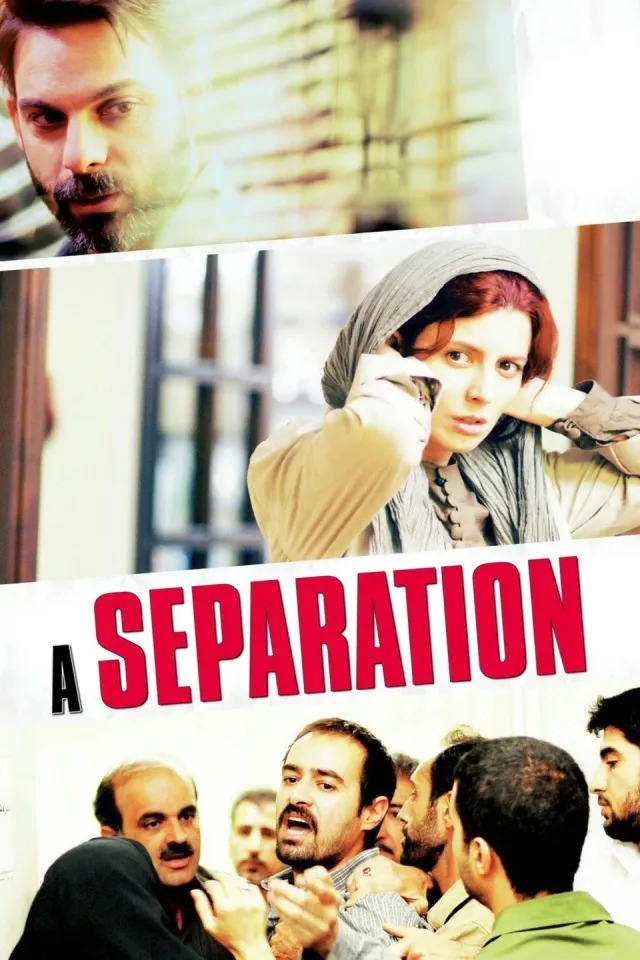
A couple's disagreement about leaving Iran leads to a household separation and the hiring of a caregiver for an elderly father. An incident between the caregiver and the husband produces accusations whose consequences reach both families. Class, religious obligation and partial knowledge complicate every account, while a daughter is pressed to navigate loyalties that the adults cannot reconcile.
Amanda and her stepfather Martin disagree over how to care for Leslie, whose dementia makes questions of consent and independence increasingly difficult. Each believes they are acting in her interests, but their decisions expose divisions within the family. This drama follows the uncertain boundary between protecting someone and taking control of their life, with no easy agreement about who should decide.
What drives the story
Dementia forces a daughter and stepfather into decisions that make protection and personal autonomy difficult to separate.
The people at its centre
Amanda and Martin both care for Leslie but disagree about who can legitimately speak for her.
What it feels like
The central appeal is an intimate ethical conflict within caregiving, rather than an investigation with a clean solution.
Worth knowing
Dementia and consent are the specific conflict; family concern alone does not make every illness drama an equivalent experience.