The changing timeline makes memory itself part of the form through which the marriage is understood.
Why this matches +
Selected for the central appeal: Intimate dramas about aging, illness and the demands of caring for a spouse.
Genres: Drama / Romance
Shared film traits
Based on recorded story, mood and style. Your preferences can change the order.
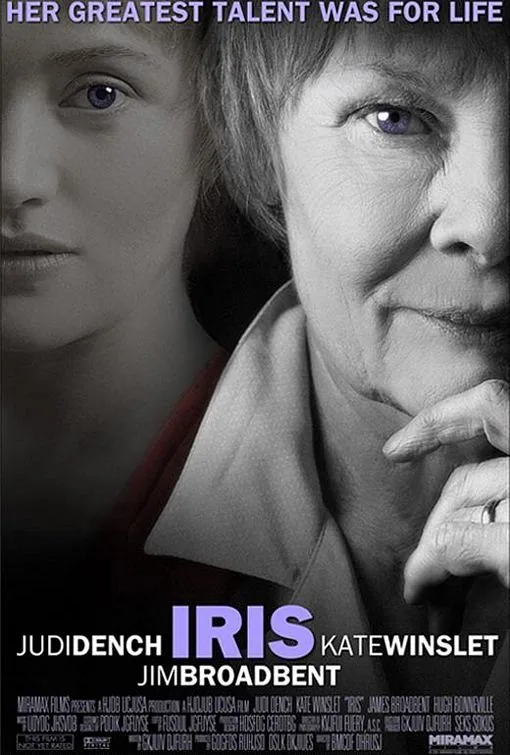
What changes Iris follows a long marriage as progressive illness changes the couple's relationship and caregiving responsibilities.
The film follows novelist Iris Murdoch and her husband John Bayley across their courtship and later years, when her developing dementia changes their shared life. Young Iris’s curiosity and unconventional energy are placed beside the painful limits that illness imposes on memory and communication. The story is a portrait of enduring attachment, shaped by shifts between the couple’s early intellectual intimacy and later caregiving.
Shifting actors, rooms and timelines are not a puzzle for Anthony to solve; they place viewers inside the disorientation that shapes his choices.
Why this matches +
Selected for the central appeal: Intimate dramas about aging, illness and the demands of caring for a spouse.
Genres: Drama / Psychological
Shared film traits
Based on recorded story, mood and style. Your preferences can change the order.
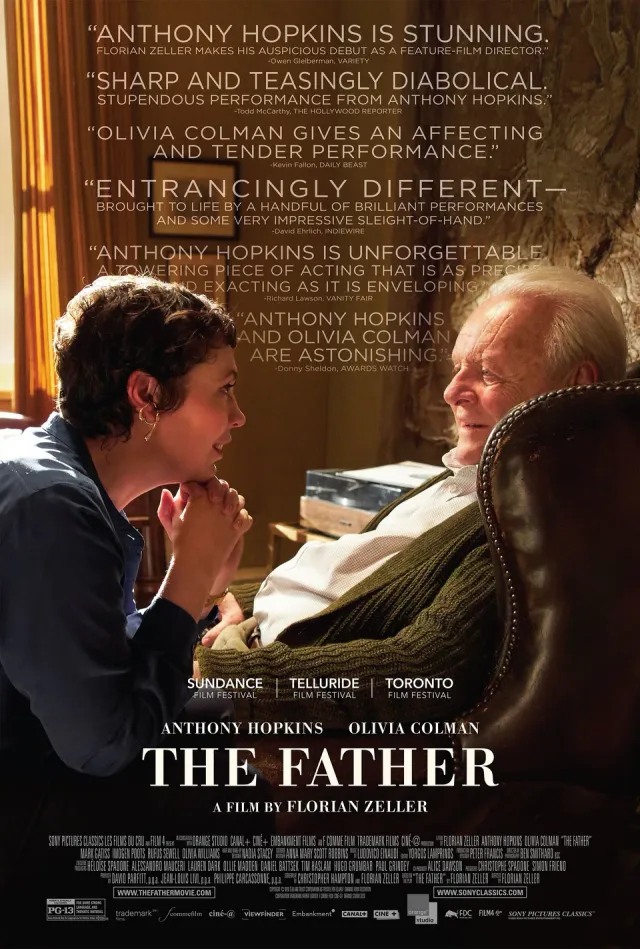
What changes The Father portrays aging and cognitive decline through the strain placed on a close family caregiver.
Anthony, an older man living alone in London, insists he does not need help even as his daughter Anne struggles to find a caregiver he will accept. He is certain his watch has been stolen and that Anne is still married, but the people and rooms around him begin to change without warning. A man who claims to be Anne’s husband appears in Anthony’s flat; Anne herself seems to have a different face, and dates and memories refuse to line up. The film stays close to Anthony’s perception, making the audience share his uncertainty rather than explain it from outside. As Anne weighs her responsibilities and her own life, Anthony searches for the familiar home and mother he can no longer locate.
An imposed service arrangement develops through repeated ordinary encounters, gradually exposing how dependence and dignity change without removing the racial hierarchy around them. Boolie hires Hoke after Daisy’s crash, establishing an employment arrangement before affection changes its daily texture.
Why this matches +
These offer a related experience with a meaningful difference in story, tone, or presentation.
An adjacent discovery: a related idea with a different viewing experience.
Genres: Drama / Comedy
Shared film traits
Based on recorded story, mood and style. Your preferences can change the order.
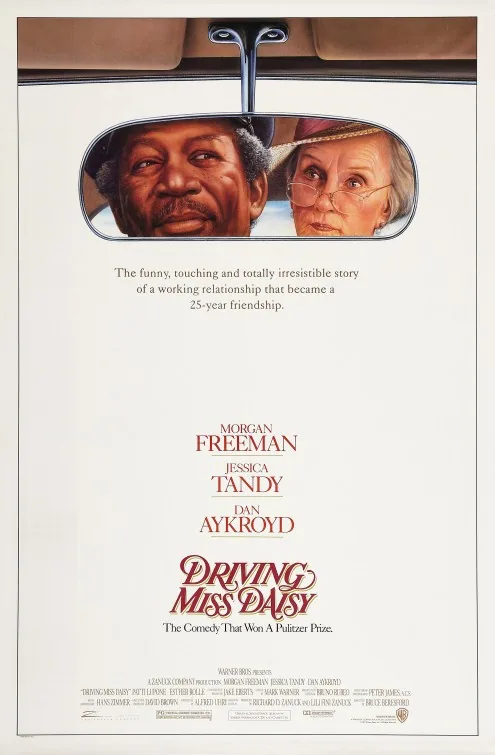
What changes Driving Miss Daisy traces aging, dependence and a long relationship through the details of everyday care.
After a driving accident, an older Jewish woman in Atlanta reluctantly accepts the Black chauffeur her son employs. Repeated journeys turn suspicion and resistance into familiarity across decades, but the habits of an employment relationship remain embedded in segregation and unequal freedom. As age increases her dependence, small acts of care acquire weight without making affection sufficient to erase the structures that have shaped what each person can say or expect. Its domestic viewpoint leaves Hoke's working conditions less central than the relationship's emotional arc.
A relationship formed under an apparently limited future must repeatedly renegotiate care, ambition and independence as life continues beyond initial expectations.
Why this matches +
These offer a related experience with a meaningful difference in story, tone, or presentation.
An adjacent discovery: a related idea with a different viewing experience.
Genres: Drama / Romance
Shared film traits
Based on recorded story, mood and style. Your preferences can change the order.
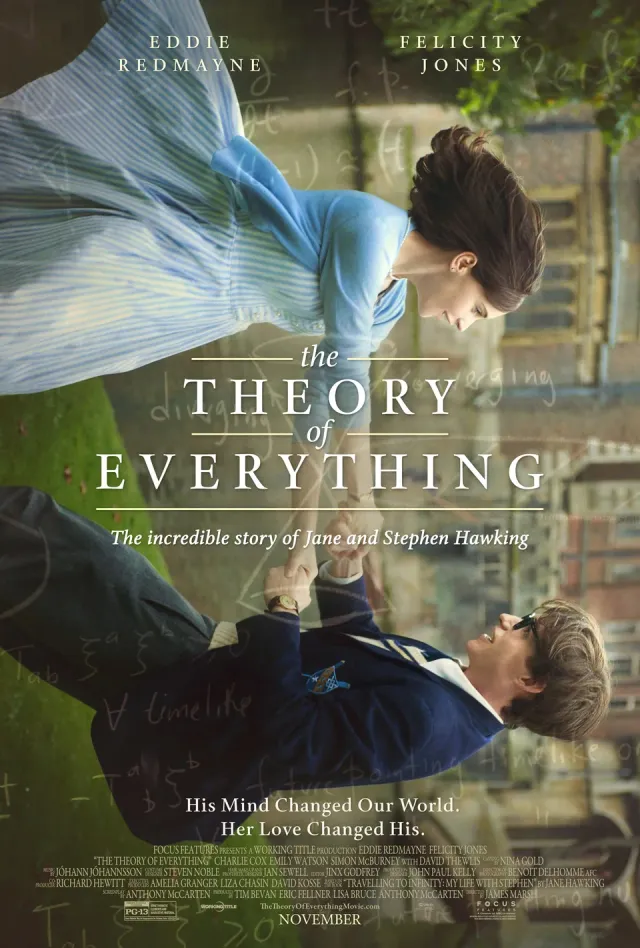
What changes The Theory of Everything follows a marriage adapting to progressive disability and changing care needs.
A Cambridge student developing ideas about the origins of the universe begins a relationship just as a diagnosis threatens the future he imagined. Marriage and a growing family become intertwined with the practical demands of disability, professional recognition and changing forms of communication. As his condition and career develop, the couple's commitment must accommodate exhaustion, outside attachments and desires that cannot be resolved by the early promise to face everything together.
A deathbed vigil exposes the difference between family obligation and sustained bodily care, with memories and an uncanny episode testing what the survivors can bear.
Why this matches +
These offer a related experience with a meaningful difference in story, tone, or presentation.
An adjacent discovery: a related idea with a different viewing experience.
Genres: Drama
Shared film traits
Based on recorded story, mood and style. Your preferences can change the order.
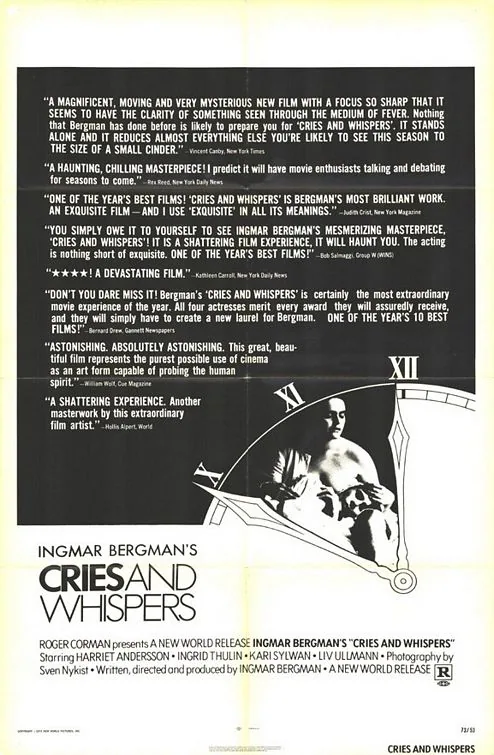
What changes Cries and Whispers examines serious illness and strained family caregiving in an intimate setting.
Agnes is dying in a red-walled family house while her sisters Maria and Karin return, each carrying a different form of distance from her suffering. Anna, the maid, offers the physical comfort her relatives struggle to give, but her care does not grant her equal authority in the household. Memory and an uncanny return briefly reopen the possibility of tenderness before the sisters resume their separate lives. Bergman's close framing and saturated color make bodily pain intimate without resolving it into a reassuring story of reconciliation.
An elderly married couple's settled Parisian life changes after the wife suffers a stroke and becomes increasingly dependent on care. Her husband's promise to look after her at home brings routines of intimacy into contact with exhaustion, humiliation and fear. Visits from their daughter expose differences between observing decline from outside and living within its demands each day.
What drives the story
Progressive illness makes an intimate promise of care increasingly difficult to sustain.
The people at its centre
Long-married partners negotiate dependence and autonomy while an adult child struggles to understand their closed world.
What it feels like
Long takes and ordinary rooms make physical vulnerability and the strain of care unusually immediate.
Worth knowing
Its love story is an unsparing late-life caregiving drama, not a reassuring romantic account of enduring devotion.