A deathbed vigil exposes the distance between family obligation and intimate bodily care, with memory and uncanny rupture making emotional withdrawal physically painful.
What should feel similar?
Find your next favourite
9 of 15 films · Closest overall matches
Hide films you’ve seen or don’t want. Saved on this device.
No matches for this combination yet.
Try another option or reset your choices to see more films.
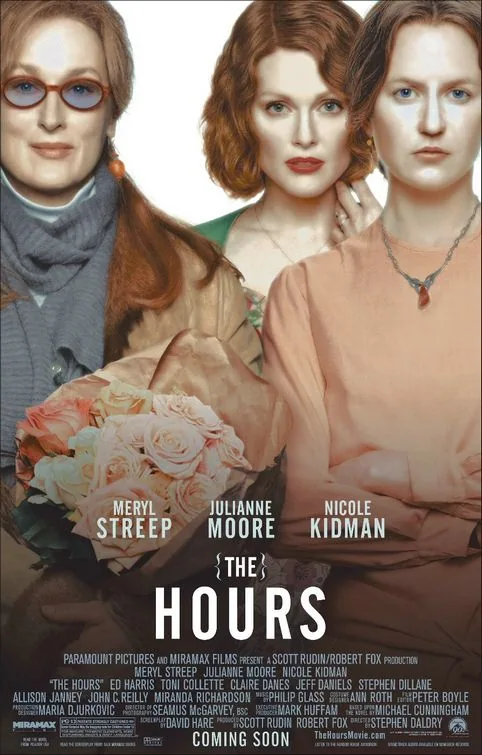
A day in each woman’s life forms a braided structure; their choices echo one another while belonging to different relationships and historical moments.
Why this matches +
These films share important themes, atmosphere or storytelling interests with this selection.
Genres: Drama / LGBTQ-related
Shared film traits
Based on recorded story, mood and style. Your preferences can change the order.
What changes Its own story: A day in each woman’s life forms a braided structure; their choices echo one another while belonging to different relationships and historical moments.
The film follows three women on separate days in different decades: Virginia Woolf in 1920s England, Laura Brown in 1950s Los Angeles and Clarissa Vaughan in contemporary New York. Virginia writes Mrs. Dalloway while struggling with illness and the restrictions of her life; Laura reads the novel as domestic dissatisfaction closes around her; Clarissa cares for Richard, a poet and former lover dying of AIDS. Editing and recurring gestures connect the women without making their experiences identical. The result is a literary drama about care, escape and the futures people imagine for themselves.
Progressive illness makes an intimate promise of care increasingly difficult to sustain.
Why this matches +
These films share important themes, atmosphere or storytelling interests with this selection.
Genres: Drama / Romance
Shared film traits
Based on recorded story, mood and style. Your preferences can change the order.
What changes Its own story: Progressive illness makes an intimate promise of care increasingly difficult to sustain.
An elderly married couple's settled Parisian life changes after the wife suffers a stroke and becomes increasingly dependent on care. Her husband's promise to look after her at home brings routines of intimacy into contact with exhaustion, humiliation and fear. Visits from their daughter expose differences between observing decline from outside and living within its demands each day.
A daughter’s murder brings the violence of the road into the family home, where a grieving father must decide how to answer it.
Why this matches +
These films share important themes, atmosphere or storytelling interests with this selection.
Genres: Drama
Shared film traits
Based on recorded story, mood and style. Your preferences can change the order.
What changes Its own story: A daughter’s murder brings the violence of the road into the family home, where a grieving father must decide how to answer it.
In medieval Sweden, farmer Töre and his wife Märeta send their teenage daughter Karin to deliver candles to a church, accompanied by their foster daughter Ingeri. Karin’s confidence and privilege contrast with Ingeri’s resentment and foreboding. On the road, Ingeri leaves Karin alone, and three herdsmen assault and kill her before seeking shelter at Töre’s farm without recognizing their hosts. When the truth emerges, Töre’s grief becomes a deliberate act of revenge. The final image introduces a religious miracle but does not erase the violence or settle the moral cost of vengeance. The film leaves the miracle as a religious image beside human violence, not a resolution that cancels it.
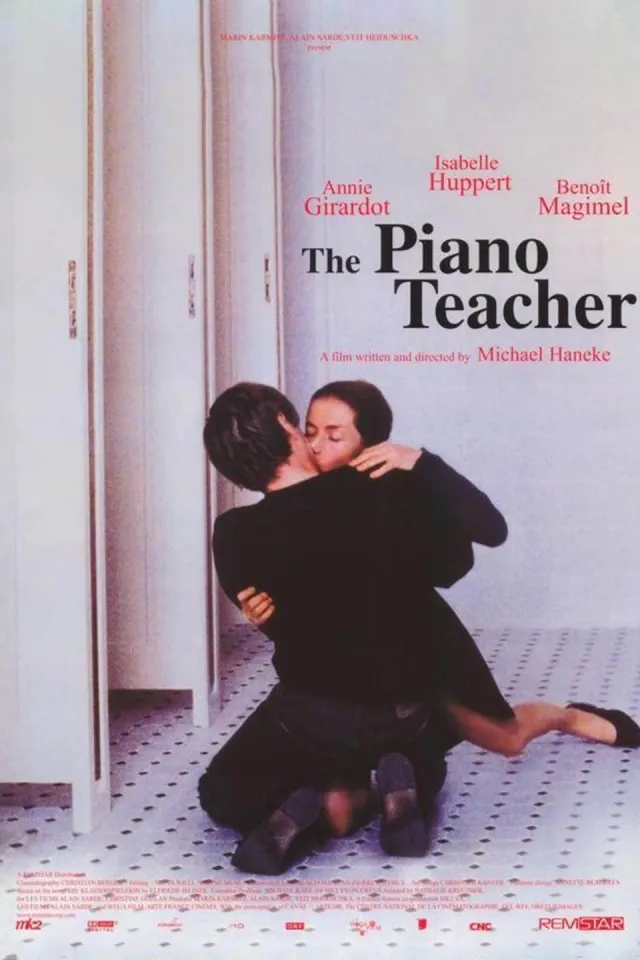
Erika tries to control intimacy by scripting it, but Walter's response exposes how little either understands the other's desire or boundaries.
Why this matches +
These films share important themes, atmosphere or storytelling interests with this selection.
Genres: Drama / Thriller
Shared film traits
Based on recorded story, mood and style. Your preferences can change the order.
What changes Its own story: Erika tries to control intimacy by scripting it, but Walter's response exposes how little either understands the other's desire or boundaries.
Erika Kohut is a demanding piano professor in Vienna whose controlled public manner coexists with private compulsions, self-harm and a suffocating life with her mother. Student Walter Klemmer admires her playing and pursues her, but Erika tries to define the relationship through a written list of rules for sexual submission. Walter cannot accept the terms as Erika imagines them, and desire becomes a struggle over who controls the encounter. The film's conservatory world is also marked by performance pressure, jealousy and humiliation, as Erika harms another student's hand to prevent a rival from playing. Michael Haneke adapts Elfriede Jelinek's novel as a severe study of repression and power; its sexual violence is explicit and the ending refuses therapeutic closure.
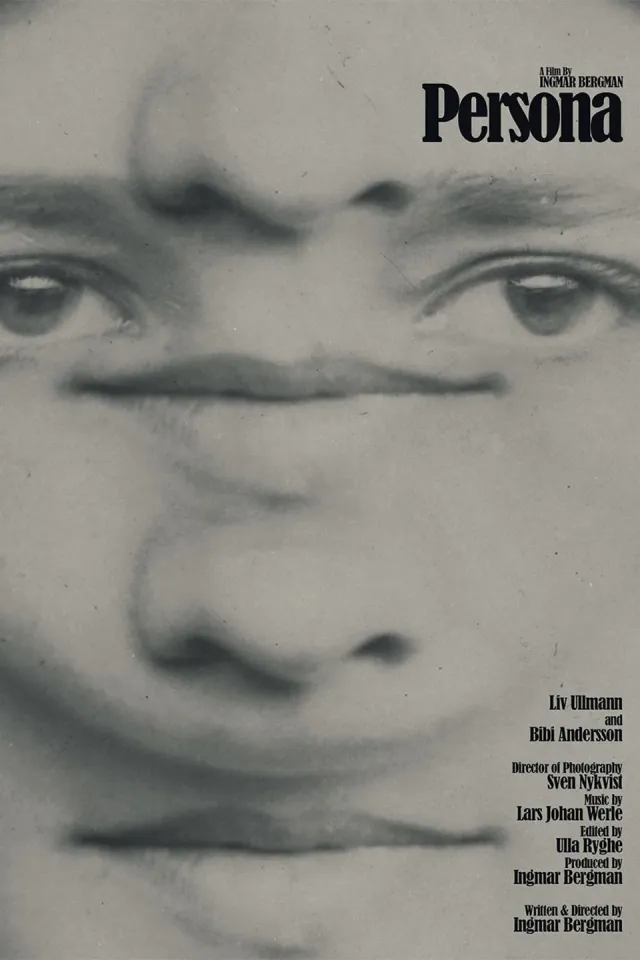
Alma’s confidences create the intimacy and imbalance that propel the story, while Elisabet’s silence prevents a stable account of what she wants.
Why this matches +
These films share important themes, atmosphere or storytelling interests with this selection.
Genres: Drama / Psychological
Shared film traits
Based on recorded story, mood and style. Your preferences can change the order.
What changes A more abstract two-person exchange and fractured identity replace the bodily deathbed vigil, while close faces and psychological withdrawal make intimacy unstable.
Stage actress Elisabet Vogler stops speaking during a performance and is sent to recover at a seaside cottage with nurse Alma. As Alma talks through memories and private anxieties, Elisabet listens without offering the reassurance Alma expects. Their closeness becomes increasingly uneasy: Alma feels exposed, the actress appears to observe her, and scenes begin to unsettle the boundary between the women’s identities. The film returns to Elisabet’s motherhood and her rejection of her son, but it does not settle whether the women merge, mirror one another or remain in a painful struggle for control. Its broken framing keeps the act of watching visible.
An encounter with a young family activates memories that make Leda reassess her choices and what she has hidden from herself.
Why this matches +
These films explore a related idea in a different setting, genre or style.
An adjacent discovery: a related idea with a different viewing experience.
Genres: Drama / Psychological thriller
Shared film traits
Based on recorded story, mood and style. Your preferences can change the order.
What changes Its own story: An encounter with a young family activates memories that make Leda reassess her choices and what she has hidden from herself.
On a Greek island holiday, professor and translator Leda Caruso observes a young mother, Nina, struggling with the demands of caring for her daughter. A missing doll becomes an unsettling focus for Leda, while memories of her own years as a mother return through flashbacks. As Leda and Nina speak, the film explores choices, resentment, desire, and the parts of motherhood people rarely admit aloud. Maggie Gyllenhaal’s adaptation of Elena Ferrante’s novel is a psychological character study with a deliberately uneasy view of intimacy and maternal identity.
Shifting actors, rooms and timelines are not a puzzle for Anthony to solve; they place viewers inside the disorientation that shapes his choices.
Why this matches +
These films explore a related idea in a different setting, genre or style.
An adjacent discovery: a related idea with a different viewing experience.
Genres: Drama / Psychological
Shared film traits
Based on recorded story, mood and style. Your preferences can change the order.
What changes Its own story: Shifting actors, rooms and timelines are not a puzzle for Anthony to solve; they place viewers inside the disorientation that shapes his choices.
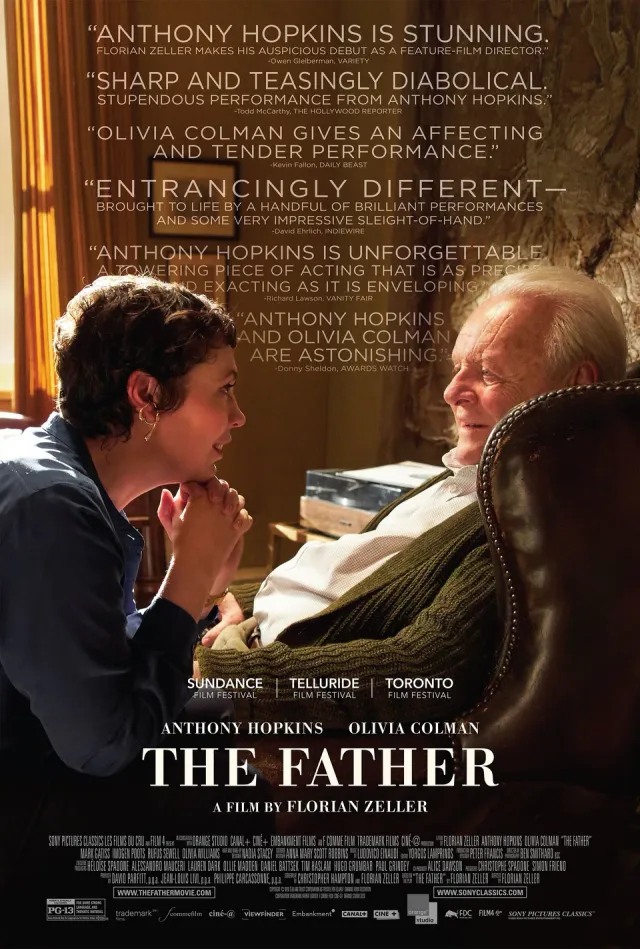
Anthony, an older man living alone in London, insists he does not need help even as his daughter Anne struggles to find a caregiver he will accept. He is certain his watch has been stolen and that Anne is still married, but the people and rooms around him begin to change without warning. A man who claims to be Anne’s husband appears in Anthony’s flat; Anne herself seems to have a different face, and dates and memories refuse to line up. The film stays close to Anthony’s perception, making the audience share his uncertainty rather than explain it from outside. As Anne weighs her responsibilities and her own life, Anthony searches for the familiar home and mother he can no longer locate.
An unexpected guardianship forces a grieving man to revisit the place and history he has been unable to re-enter.
Why this matches +
These films explore a related idea in a different setting, genre or style.
An adjacent discovery: a related idea with a different viewing experience.
Genres: Drama
Shared film traits
Based on recorded story, mood and style. Your preferences can change the order.
What changes Its own story: An unexpected guardianship forces a grieving man to revisit the place and history he has been unable to re-enter.
After his brother Joe dies, Lee Chandler returns to the Massachusetts town he left and learns that he has been named guardian of Joe's teenage son, Patrick. The practical arrangements bring him face to face with an earlier catastrophe: a house fire accidentally killed Lee's three children, and he could not remain in the community afterward. Patrick wants to stay with friends and his band, while Lee cannot imagine rebuilding a life there. The two negotiate care without a consoling cure, settling on a future that preserves a relationship Lee can bear.
A string of unexplained injuries and acts of damage exposes a village where adult authority depends on fear and punishment.
Why this matches +
These films explore a related idea in a different setting, genre or style.
An adjacent discovery: a related idea with a different viewing experience.
Genres: Drama / Historical
Shared film traits
Based on recorded story, mood and style. Your preferences can change the order.
What changes Its own story: A string of unexplained injuries and acts of damage exposes a village where adult authority depends on fear and punishment.
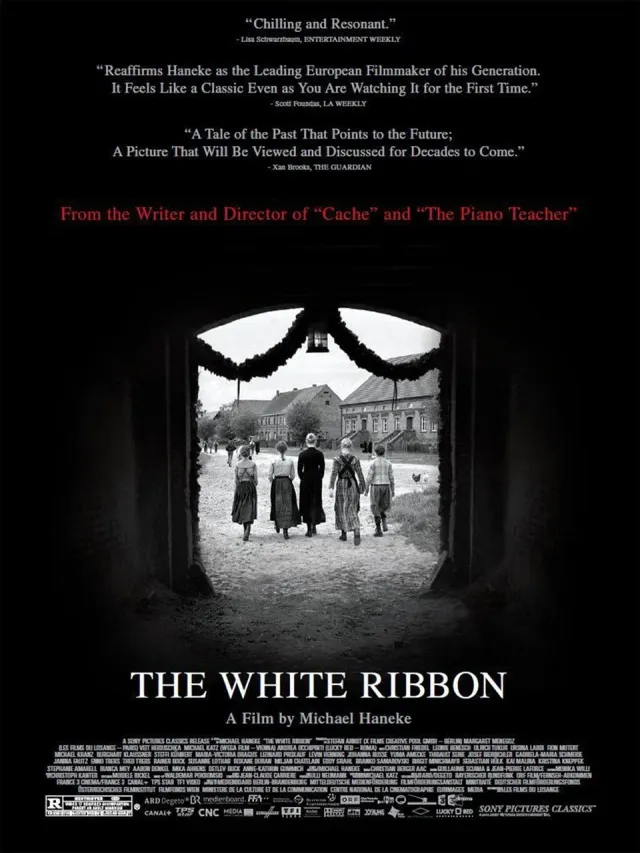
In a Protestant village in northern Germany shortly before World War I, a doctor is injured when his horse trips over a wire, and a series of other disturbing incidents unsettles the community. The schoolteacher narrates events as he remembers them, including the abuse and rigid discipline imposed by adults, the baron’s household and the children’s choral group. Suspicion moves through the village, but the events are never conclusively assigned to a single culprit. The film connects private cruelty with social authority while preserving the limits of what its older narrator can know. The adults’ punishments are visible, while the identities and motives behind the attacks remain uncertain.
Stephens’s search for damages is tangled with his inability to repair his relationship with his daughter.
Why this matches +
These films explore a related idea in a different setting, genre or style.
An adjacent discovery: a related idea with a different viewing experience.
Genres: Drama
Shared film traits
Based on recorded story, mood and style. Your preferences can change the order.
What changes Its own story: Stephens’s search for damages is tangled with his inability to repair his relationship with his daughter.
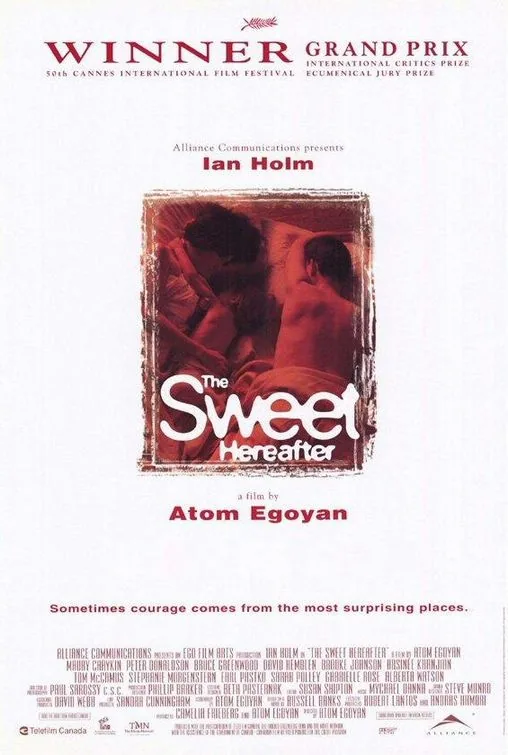
A school bus crash kills fourteen children in the small British Columbia town of Sam Dent. Lawyer Mitchell Stephens arrives to organize a lawsuit, carrying private grief over his estranged daughter’s addiction. The case depends on testimony from survivors and the bus driver, and Stephens tries to shape what the witnesses will say about the crash. Nicole Burnell, a teenager who survived with a serious injury, makes a choice at her deposition that stops the suit. Her decision leaves the community to live with grief outside the promise of legal compensation.
A domestic birthday gathering turns into an apocalyptic moral crisis, then into a question of whether a vow can carry meaning after the threat recedes.
Why this matches +
These films explore a related idea in a different setting, genre or style.
An adjacent discovery: a related idea with a different viewing experience.
Genres: Drama
Shared film traits
Based on recorded story, mood and style. Your preferences can change the order.
What changes Its own story: A domestic birthday gathering turns into an apocalyptic moral crisis, then into a question of whether a vow can carry meaning after the threat recedes.
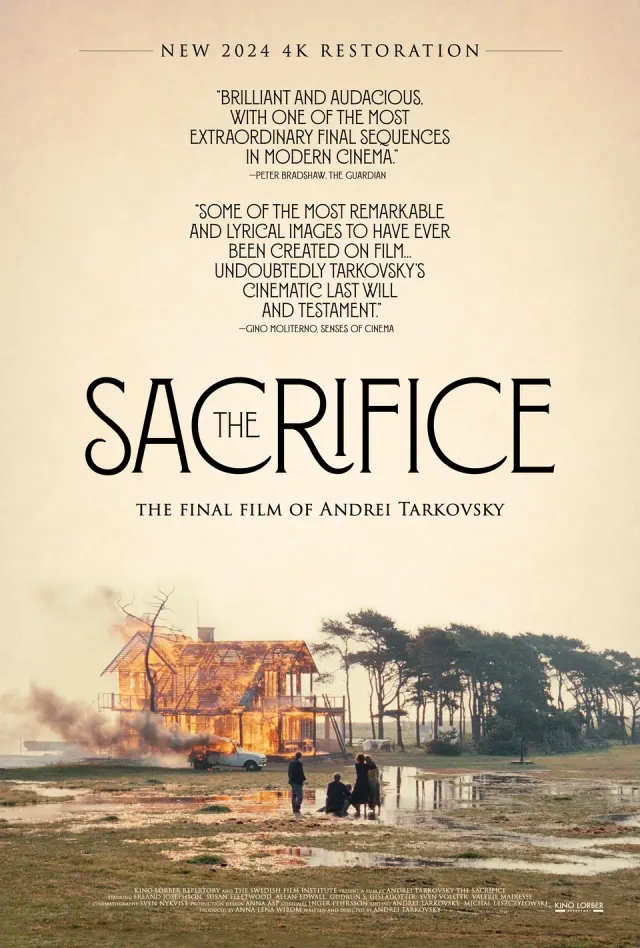
On his birthday, former actor and writer Alexander gathers family and friends at a remote Swedish home, where he talks with his young son about spiritual life and the modern world. Low-flying aircraft and a broadcast announcement interrupt the celebration with news that a nuclear war may have begun. The adults react with panic and disbelief; Alexander responds by making a private vow that he will give up what he loves if the catastrophe is somehow undone. A postman with an interest in the inexplicable suggests a course of action involving the family's maid, Maria. By morning the threat appears to have passed, but Alexander's promise remains, and his decision to burn the house and withdraw from ordinary life leaves his family and the viewer confronting what his act means.
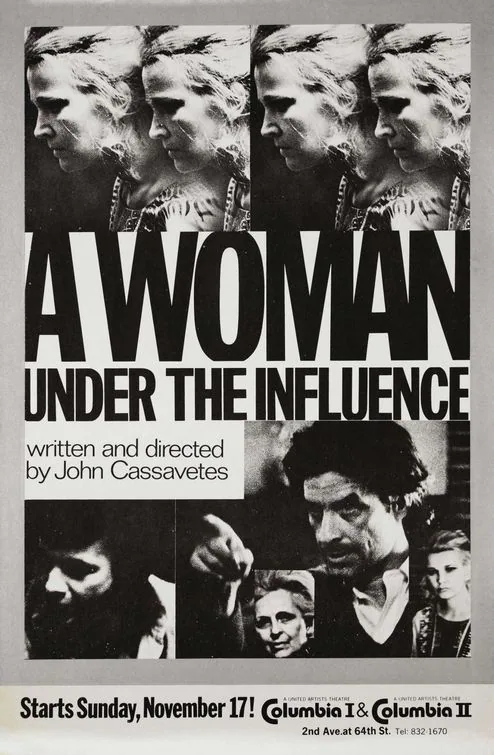
A family’s response to Mabel’s behavior leads to psychiatric treatment and a tense attempt to rebuild life at home.
Why this matches +
These films explore a related idea in a different setting, genre or style.
An adjacent discovery: a related idea with a different viewing experience.
Genres: Drama
Shared film traits
Based on recorded story, mood and style. Your preferences can change the order.
What changes Its own story: A family’s response to Mabel’s behavior leads to psychiatric treatment and a tense attempt to rebuild life at home.
Mabel Longhetti is devoted to her children and husband Nick, but her unpredictable behavior alarms the people around her. Nick struggles to reconcile love for her with the expectations of their family and community, eventually agreeing to psychiatric treatment. When Mabel returns home, both face the difficult question of whether the household can welcome her without demanding that she become someone else.
An adult revisits family memories and a sibling's death while the film places his private grief beside an immense cosmic history.
Why this matches +
These films explore a related idea in a different setting, genre or style.
An adjacent discovery: a related idea with a different viewing experience.
Genres: Drama / Coming-of-age
Shared film traits
Based on recorded story, mood and style. Your preferences can change the order.
What changes A broader cosmic and family-memory structure replaces the concentrated chamber of dying and bodily care, retaining sensory grief and uncertain spiritual meaning.
Adult Jack reflects on his childhood in 1950s Texas, where his mother's warmth and his father's strict, ambitious parenting shaped his ideas about love and power. The memory of a family loss runs through his recollections, making ordinary moments of play, discipline and sibling rivalry feel charged with questions he could not answer as a child. The film moves between Jack's present, fragmented family memories and vast images of the universe's origins, placing private grief beside the scale of creation. Rather than offer a single explanatory account of the past, it lets images, music and recurrence carry much of the emotional argument. Jack's adult search is for a way to hold anger, love and absence together.
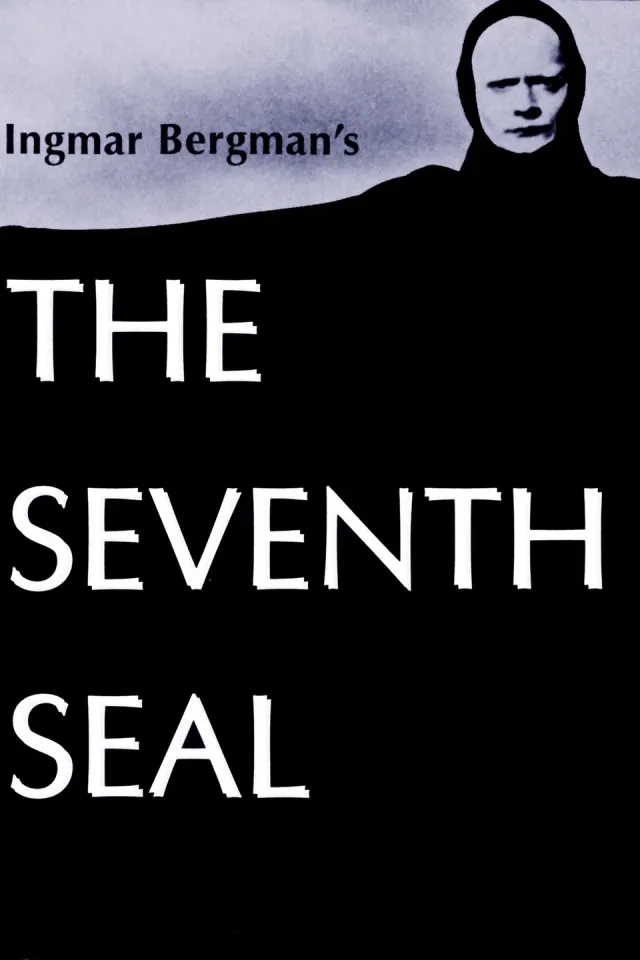
A delayed encounter with death creates a finite journey in which a search for certainty competes with the practical possibility of protecting others.
Why this matches +
These films explore a related idea in a different setting, genre or style.
An adjacent discovery: a related idea with a different viewing experience.
Genres: Fantasy / Drama
Shared film traits
Based on recorded story, mood and style. Your preferences can change the order.
What changes Its own story: A delayed encounter with death creates a finite journey in which a search for certainty competes with the practical possibility of protecting others.
A knight returning from the Crusades encounters Death in a country devastated by plague and proposes a chess game to postpone his end. Travelling with a sceptical squire, he searches for evidence of divine presence among fear, cruelty and ordinary acts of care. A family of travelling performers offers a form of fragile happiness that shifts the value of the remaining time from obtaining an answer toward making one useful intervention.
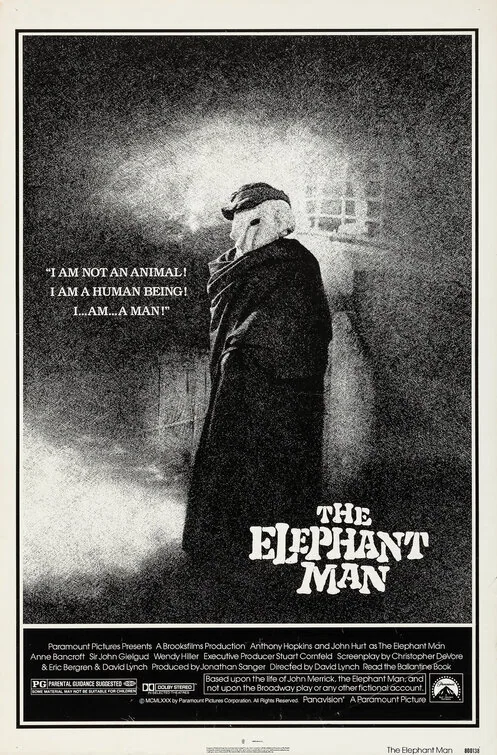
A move from public exhibition to medical protection reveals how difficult recognition becomes when others control one's visibility.
Why this matches +
These films explore a related idea in a different setting, genre or style.
An adjacent discovery: a related idea with a different viewing experience.
Genres: Drama / Historical
Shared film traits
Based on recorded story, mood and style. Your preferences can change the order.
What changes Its own story: A move from public exhibition to medical protection reveals how difficult recognition becomes when others control one's visibility.
A London surgeon encounters a severely disfigured man exhibited as a spectacle and arranges to examine and shelter him. As the patient's intelligence and sensitivity become visible, medical care, public fascination and social patronage create new forms of display. His search for ordinary dignity forces people offering protection to consider whether their attention differs enough from the exploitation they condemn.
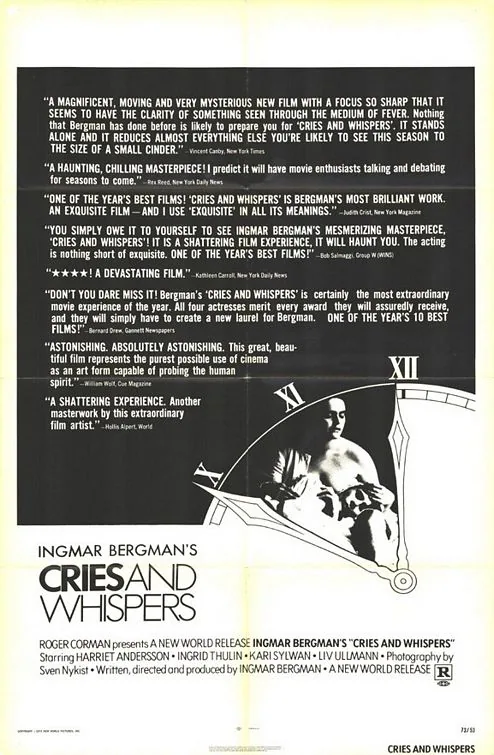
Agnes is dying in a red-walled family house while her sisters Maria and Karin return, each carrying a different form of distance from her suffering. Anna, the maid, offers the physical comfort her relatives struggle to give, but her care does not grant her equal authority in the household. Memory and an uncanny return briefly reopen the possibility of tenderness before the sisters resume their separate lives. Bergman's close framing and saturated color make bodily pain intimate without resolving it into a reassuring story of reconciliation.
What drives the story
A deathbed vigil exposes the difference between family obligation and sustained bodily care, with memories and an uncanny episode testing what the survivors can bear.
The people at its centre
Anna gives Agnes a closeness the sisters cannot maintain, while class leaves the caregiver with less security than those whose emotional withdrawal she compensates for. Anna's labor is intimate, but her employment leaves her vulnerable when the vigil ends.
What it feels like
Red interiors, close faces, breath and abrupt passages into memory create a physically intimate chamber drama poised between realism and nightmare.
Worth knowing
Match on care, mortality and estrangement, not on a literal resurrection mystery or guaranteed reconciliation; the sisters' brief tenderness does not erase their unequal response.
MortalityCareFamily
Mood
Distressing · Intimate · Unsettling
Pacing
Slow burn
Visual style
Saturated · Controlled · Close-up faces
Storytelling
Deathbed vigil · Touch withheld · Memory and uncanny return