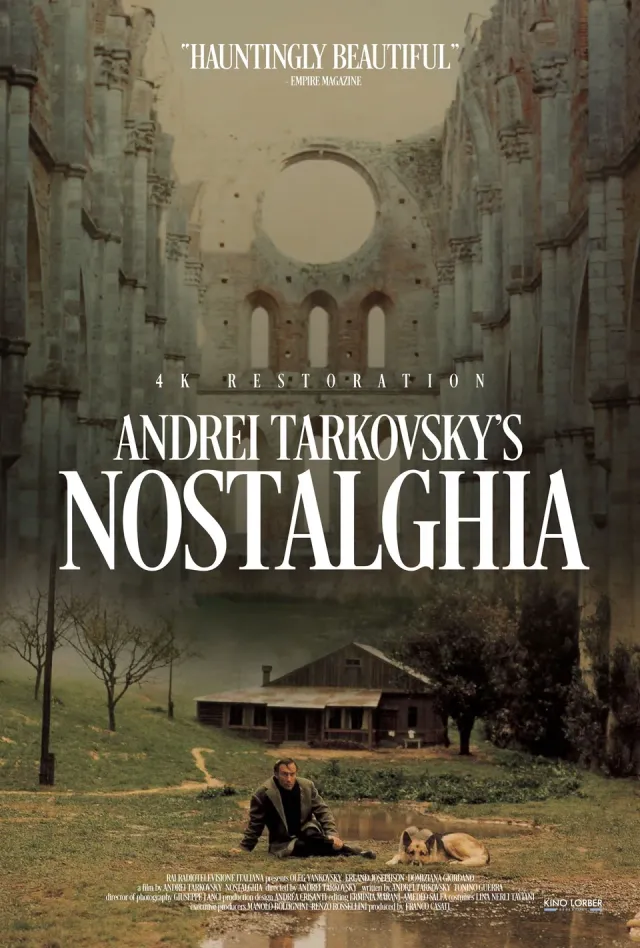
The candle promise gives a small physical task to Andrei’s diffuse homesickness and to Domenico’s desperate belief in shared responsibility.
Why this matches +
Selected for the central appeal: A contemplative spiritual crisis asks whether a personal act can answer an apparently apocalyptic threat.
Genres: Drama
Shared film traits
Based on recorded story, mood and style. Your preferences can change the order.
Both directed by Andrei Tarkovsky.
What changes An isolated intellectual encounters an apparently irrational act of faith amid long, contemplative images; exile and a ritual crossing replace a family’s nuclear-war crisis and vow.
Russian writer Andrei Gorchakov travels through Tuscany with interpreter Eugenia while researching composer Pavel Sosnovsky, a countryman who died by suicide after returning from Italy. Andrei feels estranged from the landscape and from Eugenia’s attempts at closeness. He befriends Domenico, a man regarded as mad after locking his family indoors to save them from the end of the world, and accepts a candle with a promise to carry its flame across a drained mineral pool. As Domenico’s public protest ends in self-immolation, Andrei returns to complete the candle crossing, collapsing after he succeeds.
Religious differences divide a farming family and neighboring households until a domestic crisis demands a response beyond argument.
Why this matches +
Selected for the central appeal: A contemplative spiritual crisis asks whether a personal act can answer an apparently apocalyptic threat.
Genres: Drama
Shared film traits
Based on recorded story, mood and style. Your preferences can change the order.
What changes A restrained rural household confronts faith, skepticism and an act that may transcend ordinary explanation; a death and possible miracle replace Alexander’s uncertain world-saving sacrifice.
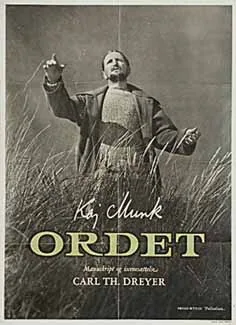
On a Danish farm, Morten Borgen and his sons disagree about religion, reason and family obligations. One son believes himself to be Jesus, another has lost his faith, and the youngest hopes to marry a woman whose father follows a rival religious community. As disputes over belief intersect with illness and childbirth, the family faces a crisis that tests what faith means to each of them.
Shared characteristics
Theme: Faith
Style: Long takes
Genre: Drama
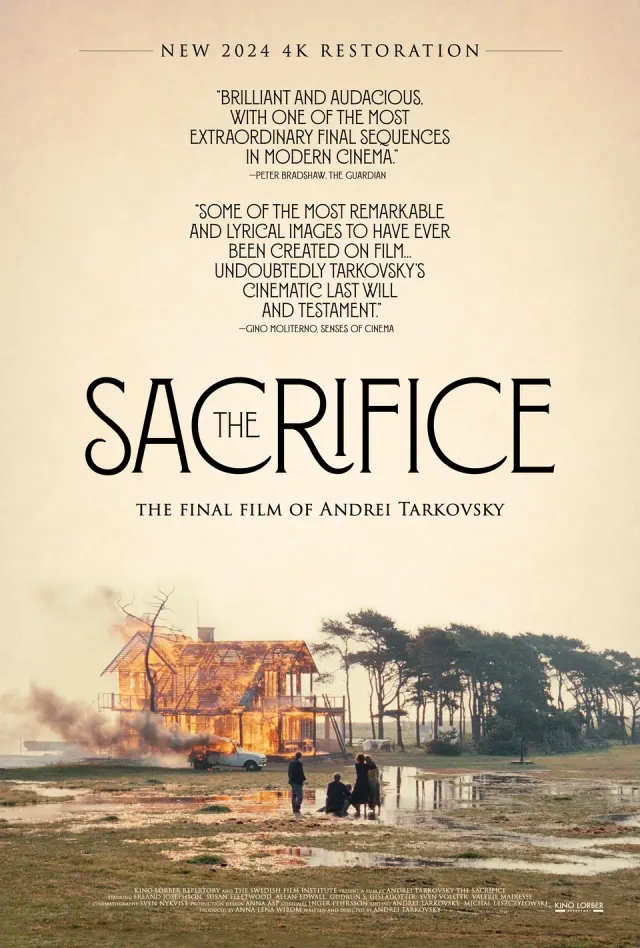
Poster: Film rights holders; original promotional poster documented by Wikipedia · Image source
An illicit pilgrimage toward a wish-granting room becomes a confrontation with the uncertainty of desire and the authority of the guide's faith.
Why this matches +
Related viewing experiences with the specific differences recorded for each pair.
An adjacent discovery: a related idea with a different viewing experience.
Genres: Science fiction / Drama
Shared film traits
Based on recorded story, mood and style. Your preferences can change the order.
What changes A slow, visually immersive journey tests belief, doubt and the cost of asking for a miracle; a forbidden landscape and three men replace a family home and private promise.
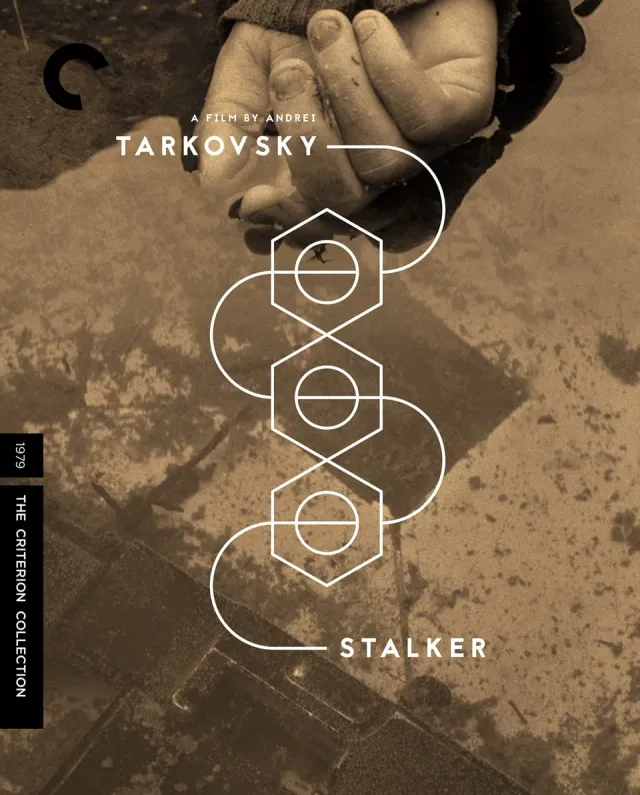
A guide illegally leads a writer and a professor into a guarded region known as the Zone, where a room is said to fulfil a person's deepest desire. Their journey through abandoned industrial spaces follows rules the guide treats with intense seriousness, although their basis remains uncertain. As the destination approaches, the travellers' intellectual purposes fracture around the possibility that what they truly want differs from what they can admit.
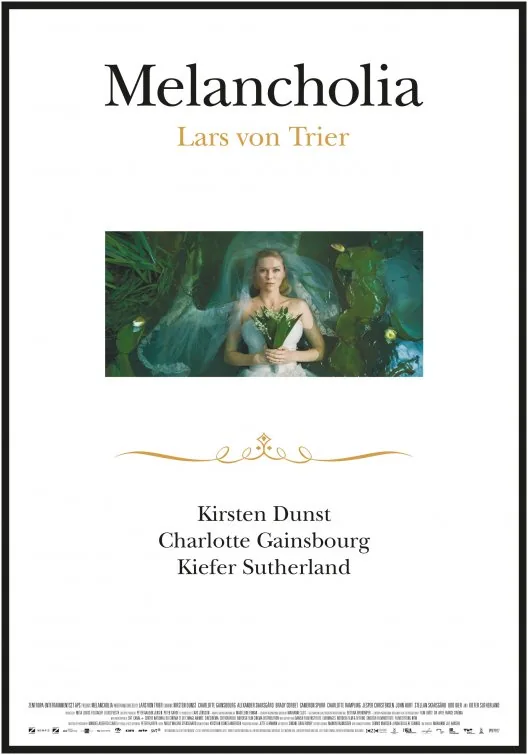
A wedding's social performance collapses around Justine's depression, then a planet's approach reverses the sisters' emotional roles as extinction becomes imminent.
Why this matches +
Related viewing experiences with the specific differences recorded for each pair.
An adjacent discovery: a related idea with a different viewing experience.
Genres: Science fiction / Drama
Shared film traits
Based on recorded story, mood and style. Your preferences can change the order.
What changes An isolated household’s emotional crisis meets the possibility of cosmic destruction through expressive imagery; depression and an approaching planet replace spiritual bargaining and uncertain restoration.
At a lavish wedding reception at a country estate, Justine's depression undermines the celebration she and her sister Claire have organized. The first half follows the event's social rituals as Justine struggles to perform happiness and her marriage falls apart; the second shifts to Claire as a rogue planet called Melancholia approaches Earth. Claire becomes increasingly afraid, while Justine grows calmer and helps her young nephew face the catastrophe. A prologue shows images from both halves, so the film's two-part structure joins an intimate account of depression to an impending cosmic ending.
On his birthday, former actor and writer Alexander gathers family and friends at a remote Swedish home, where he talks with his young son about spiritual life and the modern world. Low-flying aircraft and a broadcast announcement interrupt the celebration with news that a nuclear war may have begun. The adults react with panic and disbelief; Alexander responds by making a private vow that he will give up what he loves if the catastrophe is somehow undone. A postman with an interest in the inexplicable suggests a course of action involving the family's maid, Maria. By morning the threat appears to have passed, but Alexander's promise remains, and his decision to burn the house and withdraw from ordinary life leaves his family and the viewer confronting what his act means.
What drives the story
A domestic birthday gathering turns into an apocalyptic moral crisis, then into a question of whether a vow can carry meaning after the threat recedes.
The people at its centre
Alexander's alienation from his family and material life shapes his response; his son offers a quieter counterpoint, while Otto's mystical confidence directs him toward Maria.
What it feels like
Long, composed takes and subdued natural imagery resist disaster-film spectacle, holding attention on ritual, silence and an unresolved act of faith.
Worth knowing
For viewers comfortable with slow, symbolic art cinema about faith and nuclear anxiety. It is a meditative domestic parable, not a conventional end-of-the-world action film.
Faithfamilyresponsibility
Mood
Austere · meditative · apocalyptic
Pacing
Slow · contemplative
Visual style
Long takes · naturalistic landscapes · spare domestic spaces
Storytelling
A threatened catastrophe tests a man's moral commitments