Recurring images and family memories accumulate associatively, connecting private experience with the upheavals of Soviet history rather than driving toward one external goal.
Why this matches +
Selected for the central appeal: An estranged intellectual’s journey turns memory, faith and an apparently irrational task into an act of longing.
Genres: Drama / Biography
Shared film traits
Based on recorded story, mood and style. Your preferences can change the order.
Both directed by Andrei Tarkovsky.
Memory and identity
What changes Poetic images and unstable time make family memory and a divided sense of home more important than linear plot; childhood and autobiographical fragments replace a present-tense Italian pilgrimage.
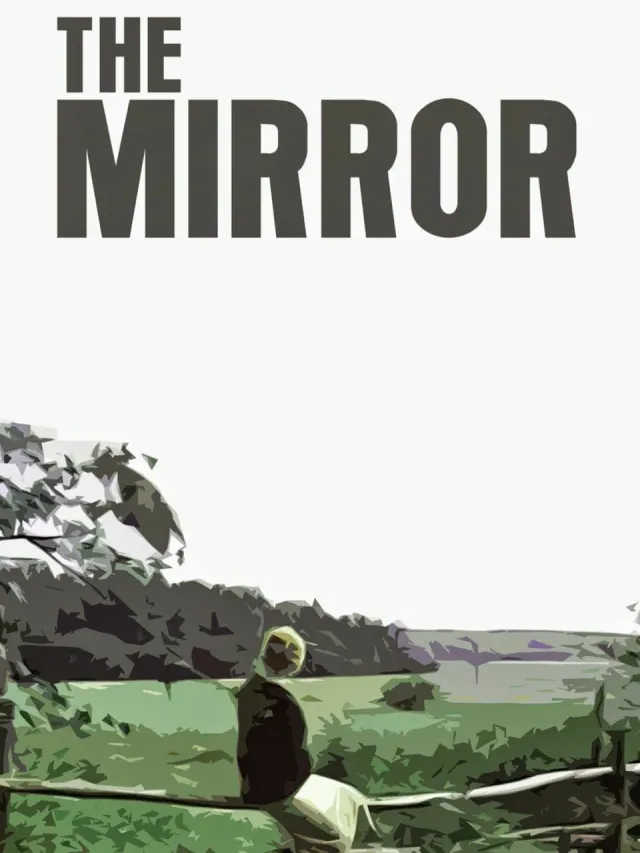
A dying man’s memories unfold in fragments across childhood, adulthood and wartime, with the film shifting between a boy named Alex, his mother and the adult voice remembering them. Images of a country house, a printing press and family separations recur without being arranged into a conventional chronological plot. Andrei Tarkovsky weaves autobiographical material, poetry and historical footage into a meditation on memory and inheritance. The scenes do not always clarify whether they belong to recollection, dream or present action; their emotional links matter more than a single explanatory mystery.
A domestic birthday gathering turns into an apocalyptic moral crisis, then into a question of whether a vow can carry meaning after the threat recedes.
Why this matches +
Selected for the central appeal: An estranged intellectual’s journey turns memory, faith and an apparently irrational task into an act of longing.
Genres: Drama
Shared film traits
Based on recorded story, mood and style. Your preferences can change the order.
Both directed by Andrei Tarkovsky.
What changes An isolated intellectual makes a personally destructive act of faith amid contemplative images and a threatened world; a family vow and apparent nuclear crisis replace exile and the candle crossing.
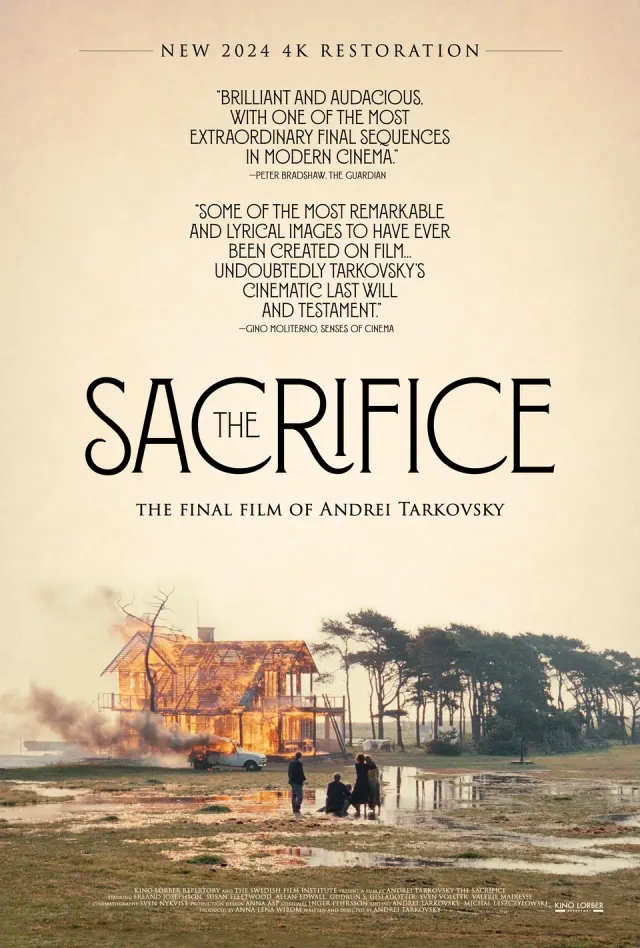
On his birthday, former actor and writer Alexander gathers family and friends at a remote Swedish home, where he talks with his young son about spiritual life and the modern world. Low-flying aircraft and a broadcast announcement interrupt the celebration with news that a nuclear war may have begun. The adults react with panic and disbelief; Alexander responds by making a private vow that he will give up what he loves if the catastrophe is somehow undone. A postman with an interest in the inexplicable suggests a course of action involving the family's maid, Maria. By morning the threat appears to have passed, but Alexander's promise remains, and his decision to burn the house and withdraw from ordinary life leaves his family and the viewer confronting what his act means.
A traveler's fixation makes remaining near an idealized image more important than acknowledging physical decline and a city's concealed danger.
Why this matches +
Related viewing experiences with the specific differences recorded for each pair.
An adjacent discovery: a related idea with a different viewing experience.
Genres: Drama
Shared film traits
Based on recorded story, mood and style. Your preferences can change the order.
What changes An artist’s estrangement in Italy becomes a physically and emotionally consuming confrontation with beauty and death; erotic fixation and illness replace spiritual obligation and a lost homeland.
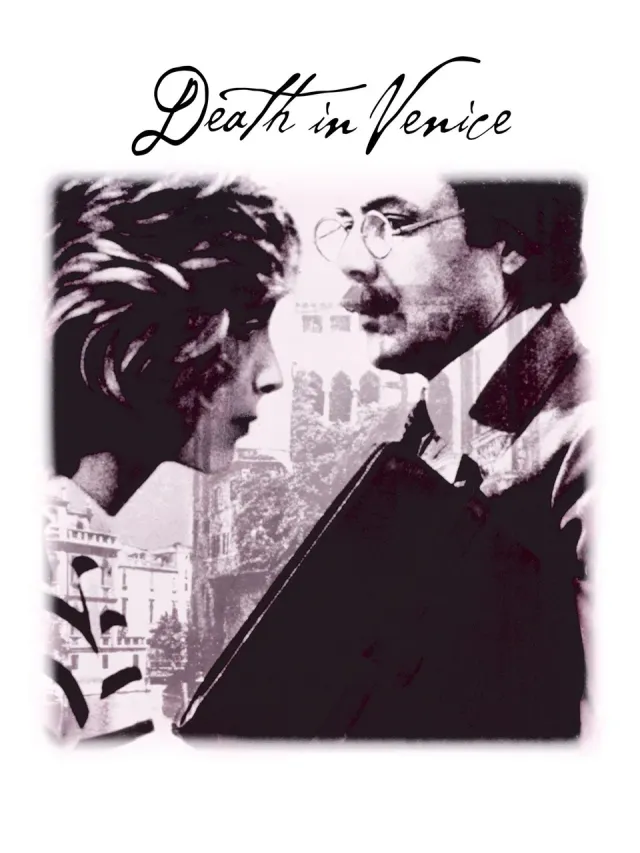
An ailing composer travels to Venice and becomes absorbed by an adolescent boy staying at his hotel. Watching from a distance turns beauty into a private argument about art, aging and the possibility of renewed feeling. As signs of an epidemic disturb the city's polished hospitality, his reluctance to leave exposes the gap between aesthetic idealization and concern for other people's safety, while attempts to disguise age make his own body increasingly conspicuous. Visconti recasts Mann’s writer as a composer, placing artistic theory inside a prolonged, largely silent act of looking.
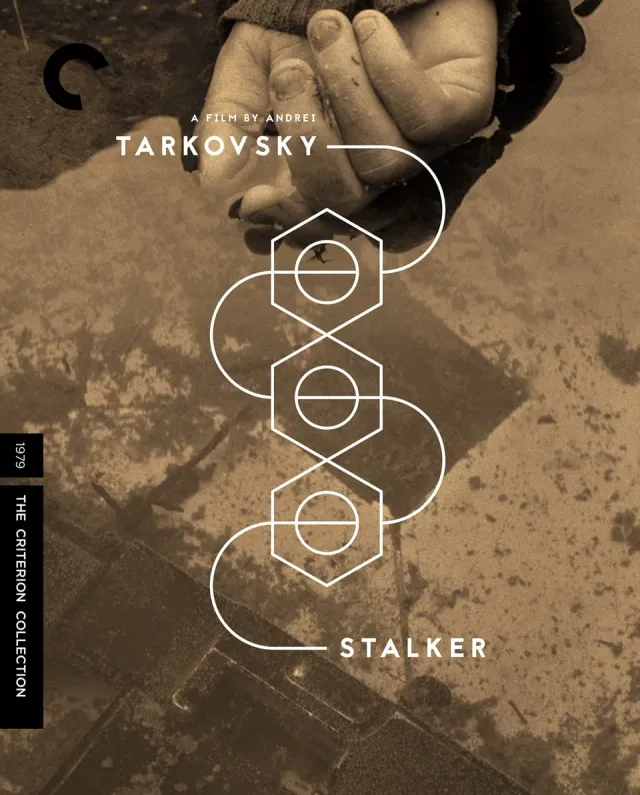
An illicit pilgrimage toward a wish-granting room becomes a confrontation with the uncertainty of desire and the authority of the guide's faith.
Why this matches +
Related viewing experiences with the specific differences recorded for each pair.
An adjacent discovery: a related idea with a different viewing experience.
Genres: Science fiction / Drama
Shared film traits
Based on recorded story, mood and style. Your preferences can change the order.
What changes A slow journey asks what a difficult ritual or inaccessible place can offer to damaged belief; a forbidden zone and a group’s competing wishes replace an expatriate’s private longing.
A guide illegally leads a writer and a professor into a guarded region known as the Zone, where a room is said to fulfil a person's deepest desire. Their journey through abandoned industrial spaces follows rules the guide treats with intense seriousness, although their basis remains uncertain. As the destination approaches, the travellers' intellectual purposes fracture around the possibility that what they truly want differs from what they can admit.
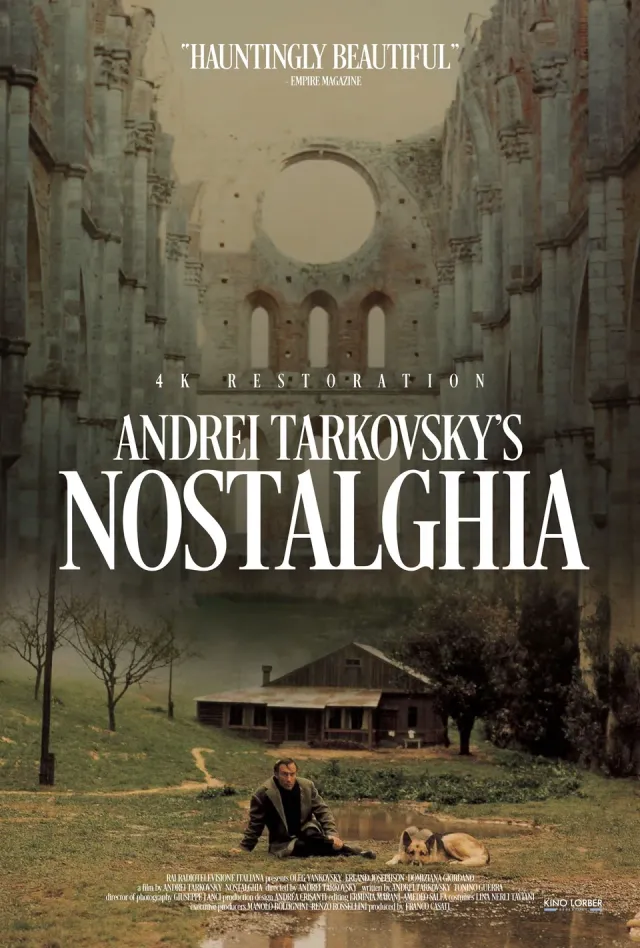
Russian writer Andrei Gorchakov travels through Tuscany with interpreter Eugenia while researching composer Pavel Sosnovsky, a countryman who died by suicide after returning from Italy. Andrei feels estranged from the landscape and from Eugenia’s attempts at closeness. He befriends Domenico, a man regarded as mad after locking his family indoors to save them from the end of the world, and accepts a candle with a promise to carry its flame across a drained mineral pool. As Domenico’s public protest ends in self-immolation, Andrei returns to complete the candle crossing, collapsing after he succeeds.
What drives the story
The candle promise gives a small physical task to Andrei’s diffuse homesickness and to Domenico’s desperate belief in shared responsibility.
The people at its centre
Andrei and Domenico recognize a similar estrangement but express it differently; Eugenia’s practical desire for connection cannot make Andrei feel at home.
What it feels like
Long takes, empty spa architecture and dreamlike transitions make emotional distance and cultural displacement visible without resolving them into a conventional journey.
Worth knowing
It is a meditative film about exile and spiritual responsibility; its symbolic images invite interpretation rather than a single decoded meaning.