A deathbed vigil exposes the difference between family obligation and sustained bodily care, with memories and an uncanny episode testing what the survivors can bear.
Why this matches +
These offer a related experience with a meaningful difference in story, tone, or presentation.
An adjacent discovery: a related idea with a different viewing experience.
Genres: Drama
Shared film traits
Based on recorded story, mood and style. Your preferences can change the order.
What changes Women gathered around illness confront family resentment, emotional distance and the burdens of care.
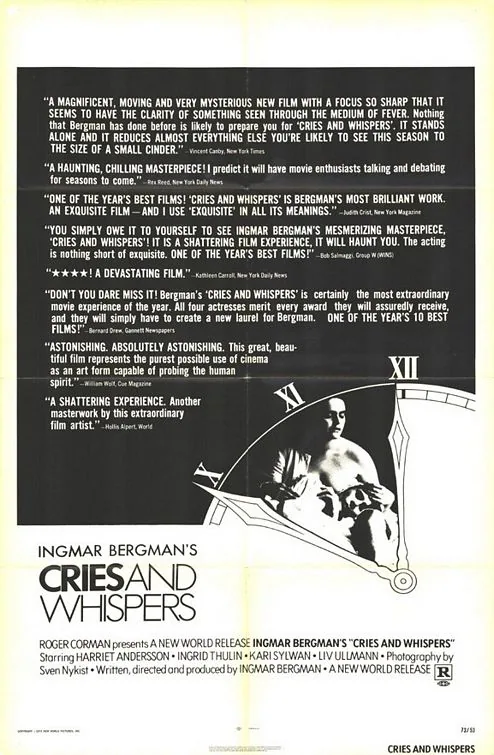
Agnes is dying in a red-walled family house while her sisters Maria and Karin return, each carrying a different form of distance from her suffering. Anna, the maid, offers the physical comfort her relatives struggle to give, but her care does not grant her equal authority in the household. Memory and an uncanny return briefly reopen the possibility of tenderness before the sisters resume their separate lives. Bergman's close framing and saturated color make bodily pain intimate without resolving it into a reassuring story of reconciliation.
The day’s ordinary encounters shift the professor’s attention without neatly resolving the loss he carries.
Why this matches +
These offer a related experience with a meaningful difference in story, tone, or presentation.
An adjacent discovery: a related idea with a different viewing experience.
Genres: Drama / LGBTQ-related
Shared film traits
Based on recorded story, mood and style. Your preferences can change the order.
Memory and identity
What changes A grieving person moves through a single day while memories, private despair and social expectations shape every encounter.
In 1960s Los Angeles, a British professor is grieving the sudden death of his partner and tries to move through one day while deciding whether he can continue living alone. Encounters with a friend, a student and strangers alter the emotional texture of that day without undoing his loss. The film turns clothing, color and routine into close expressions of grief, loneliness and the fragile possibility of renewed attention.
The changing timeline makes memory itself part of the form through which the marriage is understood.
Why this matches +
These offer a related experience with a meaningful difference in story, tone, or presentation.
An adjacent discovery: a related idea with a different viewing experience.
Genres: Drama / Romance
Shared film traits
Based on recorded story, mood and style. Your preferences can change the order.
Memory and identity
What changes A writer's life and intimate relationship unfold across time as illness changes the nature of care and communication.
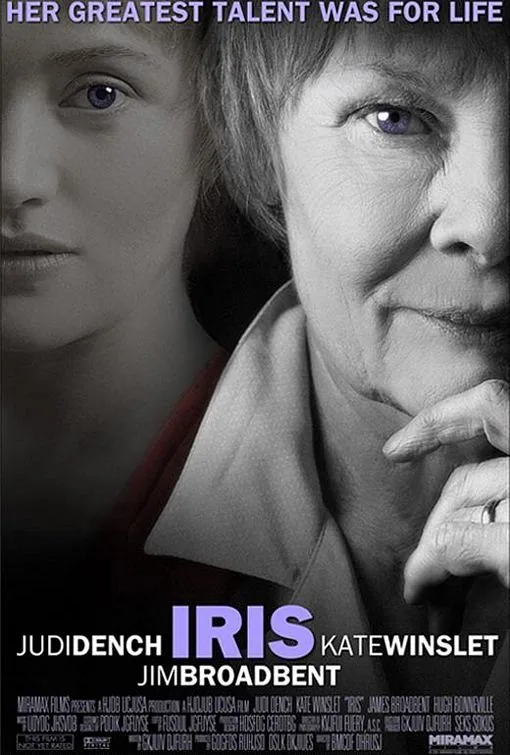
The film follows novelist Iris Murdoch and her husband John Bayley across their courtship and later years, when her developing dementia changes their shared life. Young Iris’s curiosity and unconventional energy are placed beside the painful limits that illness imposes on memory and communication. The story is a portrait of enduring attachment, shaped by shifts between the couple’s early intellectual intimacy and later caregiving.
A carefully ordered household reveals how social respectability can conceal pain and constrain honest connection.
Why this matches +
These offer a related experience with a meaningful difference in story, tone, or presentation.
An adjacent discovery: a related idea with a different viewing experience.
Genres: Drama / Romance
Shared film traits
Based on recorded story, mood and style. Your preferences can change the order.
Memory and identity
What changes A woman in a carefully ordered household confronts emotional isolation and the restrictions imposed by social expectations.
In 1950s Connecticut, a suburban wife discovers that her polished marriage conceals a truth her community is unwilling to accept, while she forms a connection that crosses the era’s racial boundaries. Her husband and their children also face the consequences of a rigid social order. The film uses period melodrama and carefully controlled style to examine desire, respectability and the limits imposed on private life.
A writer supports an old friend with terminal cancer as she makes a private decision about how to die.
Why this matches +
These offer a related experience with a meaningful difference in story, tone, or presentation.
An adjacent discovery: a related idea with a different viewing experience.
Genres: Drama
Shared film traits
Based on recorded story, mood and style. Your preferences can change the order.
Memory and identity
What changes Women reconnect around serious illness, considering friendship, artistic lives and difficult choices about the future.
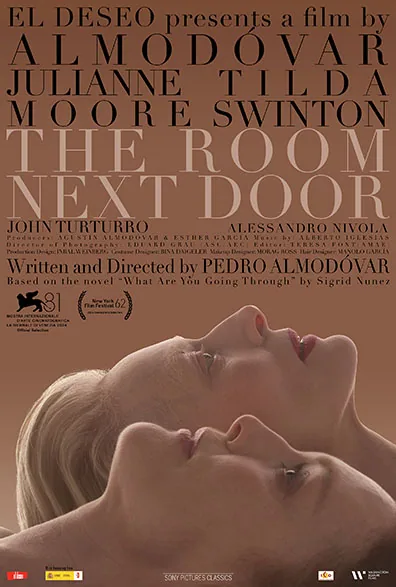
Ingrid, a successful writer, reconnects with Martha, a former colleague now living with terminal cancer. Martha asks Ingrid to stay close as she prepares to end her life on her own terms, and the two women retreat to a country house where companionship and difficult conversations replace the routines of the hospital. Their friendship, memories and conflicting responses to death create an intimate drama about autonomy, care and the limits of what one person can decide for another.
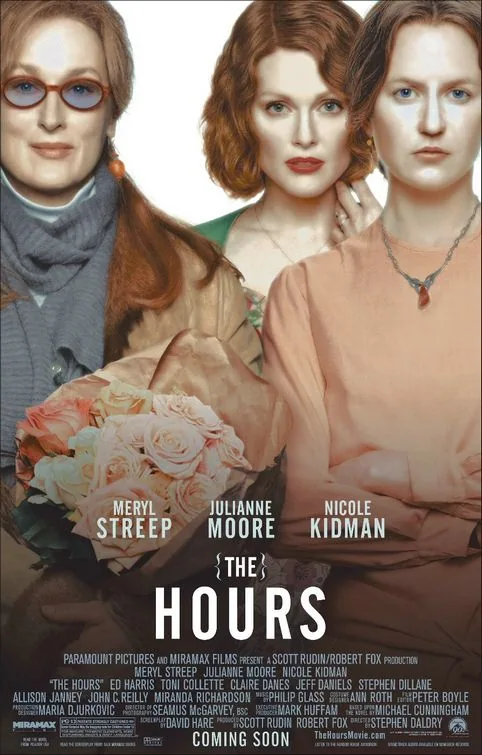
The film follows three women on separate days in different decades: Virginia Woolf in 1920s England, Laura Brown in 1950s Los Angeles and Clarissa Vaughan in contemporary New York. Virginia writes Mrs. Dalloway while struggling with illness and the restrictions of her life; Laura reads the novel as domestic dissatisfaction closes around her; Clarissa cares for Richard, a poet and former lover dying of AIDS. Editing and recurring gestures connect the women without making their experiences identical. The result is a literary drama about care, escape and the futures people imagine for themselves.
What drives the story
A day in each woman’s life forms a braided structure; their choices echo one another while belonging to different relationships and historical moments.
The people at its centre
Virginia is constrained by Leonard’s protective care, Laura by family expectations, and Clarissa by the role of caretaker for Richard.
What it feels like
The film moves between timelines through visual and musical echoes rather than a single continuous plot, with interior performances carrying much of its weight.
Worth knowing
A fit for viewers who enjoy reflective ensemble dramas and adaptations concerned with depression and caregiving. Its suicide and distressing themes make it emotionally heavy.
MortalityIdentityCare
Mood
Intimate · Melancholy · Restrained
Pacing
Interwoven timelines · Emotional accumulation
Visual style
Muted interiors · Domestic close framing
Storytelling
Three women across decades · Mrs Dalloway reading · Private crises