A developing romance is shaped by a custody system that can turn private intimacy into evidence and by each woman's changing sense of what she wants for herself. Public scrutiny changes what the relationship can safely leave undocumented.
Why this matches +
These films share important themes, atmosphere or storytelling interests with this selection.
Genres: Drama / Romance
Shared film traits
Based on recorded story, mood and style. Your preferences can change the order.
What changes Its own story: A developing romance is shaped by a custody system that can turn private intimacy into evidence and by each woman's changing sense of what she wants for herself. Public scrutiny changes what the relationship can safely leave undocumented.
Therese, a young department-store clerk and aspiring photographer, meets Carol, a married mother navigating divorce and a custody dispute. Their attraction begins with tentative looks and a shared journey, but power between them is not fixed by age, wealth or experience alone. Custody surveillance makes private affection legible to people who can use it against Carol, while Therese's artistic and personal choices develop beyond the romance. The film treats restraint as an effect of scrutiny and social risk, not a lack of desire.
A seasonal encounter becomes a long relationship constrained by secrecy, economic obligations and unequal hopes for a life together.
Why this matches +
These films share important themes, atmosphere or storytelling interests with this selection.
Genres: Drama / Romance
Shared film traits
Based on recorded story, mood and style. Your preferences can change the order.
What changes Its own story: A seasonal encounter becomes a long relationship constrained by secrecy, economic obligations and unequal hopes for a life together.
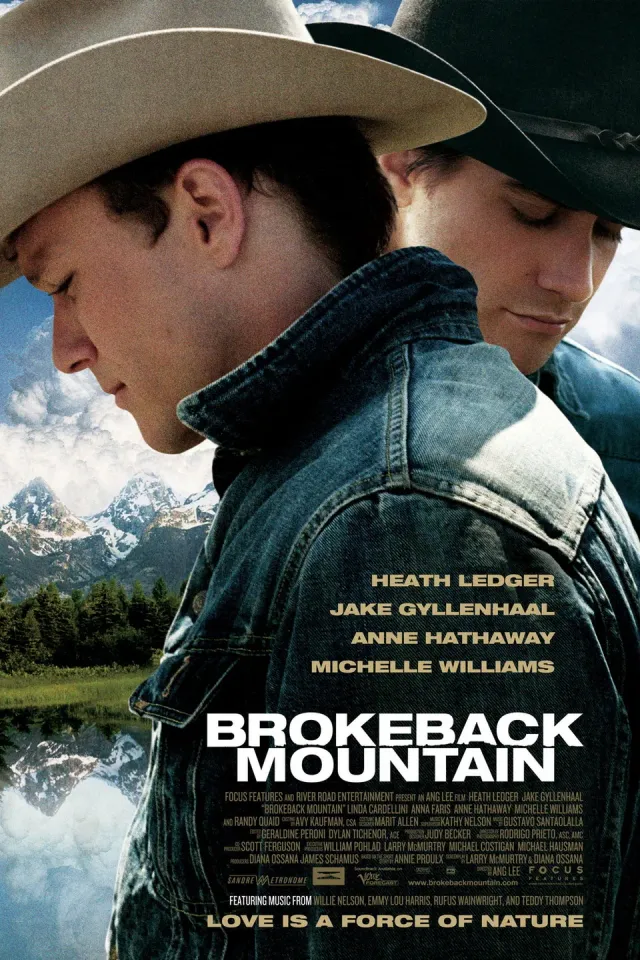
Two young men working a seasonal herding job form an attachment that neither can readily accommodate within the lives expected of them. Returning to marriages, work and family obligations does not end the bond, but turns meetings into isolated intervals rather than a shared public future. Years of missed choices expose differences in willingness to risk change and the power of a social world in which ordinary intimacy can carry physical danger.
The romance is governed by the city's social code: every private impulse is filtered through reputation, family alliances and what people can safely say in public.
Why this matches +
These films share important themes, atmosphere or storytelling interests with this selection.
Genres: Drama / Romance
Shared film traits
Based on recorded story, mood and style. Your preferences can change the order.
What changes Its own story: The romance is governed by the city's social code: every private impulse is filtered through reputation, family alliances and what people can safely say in public.
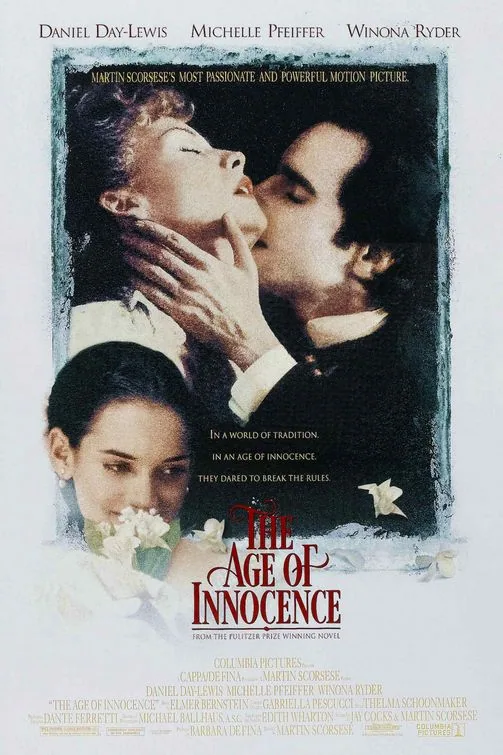
In 1870s New York, lawyer Newland Archer is engaged to May Welland when her cousin Countess Ellen Olenska returns from Europe after leaving an unhappy marriage. Newland sympathizes with Ellen as society judges her, and his defense of her grows into a love he cannot openly pursue. Family expectations, reputation and May's apparent innocence narrow the choices available to all three. Newland and Ellen delay a future together until the social cost seems impossible to bear. Years later, an opportunity to see Ellen again forces Newland to confront the life he chose and what restraint has preserved or denied him.
A day in each woman’s life forms a braided structure; their choices echo one another while belonging to different relationships and historical moments.
Why this matches +
These films share important themes, atmosphere or storytelling interests with this selection.
Genres: Drama / LGBTQ-related
Shared film traits
Based on recorded story, mood and style. Your preferences can change the order.
Memory and identity
What changes Its own story: A day in each woman’s life forms a braided structure; their choices echo one another while belonging to different relationships and historical moments.
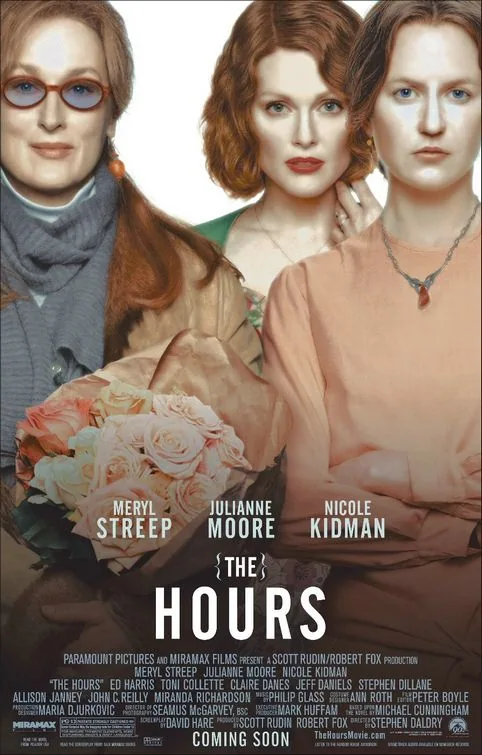
The film follows three women on separate days in different decades: Virginia Woolf in 1920s England, Laura Brown in 1950s Los Angeles and Clarissa Vaughan in contemporary New York. Virginia writes Mrs. Dalloway while struggling with illness and the restrictions of her life; Laura reads the novel as domestic dissatisfaction closes around her; Clarissa cares for Richard, a poet and former lover dying of AIDS. Editing and recurring gestures connect the women without making their experiences identical. The result is a literary drama about care, escape and the futures people imagine for themselves.
The day’s ordinary encounters shift the professor’s attention without neatly resolving the loss he carries.
Why this matches +
These films share important themes, atmosphere or storytelling interests with this selection.
Genres: Drama / LGBTQ-related
Shared film traits
Based on recorded story, mood and style. Your preferences can change the order.
Memory and identity
What changes Its own story: The day’s ordinary encounters shift the professor’s attention without neatly resolving the loss he carries.
In 1960s Los Angeles, a British professor is grieving the sudden death of his partner and tries to move through one day while deciding whether he can continue living alone. Encounters with a friend, a student and strangers alter the emotional texture of that day without undoing his loss. The film turns clothing, color and routine into close expressions of grief, loneliness and the fragile possibility of renewed attention.
The Paris plan exposes how much of the marriage depends on a future the couple has not honestly agreed to pursue.
Why this matches +
These films share important themes, atmosphere or storytelling interests with this selection.
Genres: Drama / Romance
Shared film traits
Based on recorded story, mood and style. Your preferences can change the order.
What changes Its own story: The Paris plan exposes how much of the marriage depends on a future the couple has not honestly agreed to pursue.
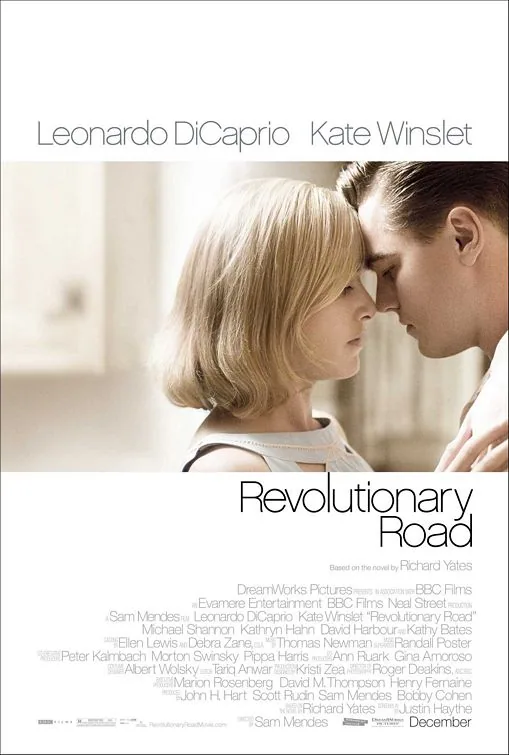
In 1950s Connecticut, Frank and April Wheeler present themselves as a successful young couple, though both feel trapped by a life that has not matched their ambitions. April’s plan to move the family to Paris briefly gives them a shared future, but Frank’s promotion and another pregnancy reopen disagreements about work, parenthood and escape. Their neighbors and the Givings family provide a social world that encourages conformity, while John Givings speaks more openly about the Wheelers’ self-deception. When their plan collapses, both make increasingly destructive choices: April performs an abortion herself and dies from blood loss, leaving Frank to face the irreversible cost of their conflict.
A holiday gathering gives the families time together as affairs and adolescent experiments expose the weaknesses beneath their routines.
Why this matches +
These films share important themes, atmosphere or storytelling interests with this selection.
Genres: Drama / Family
Shared film traits
Based on recorded story, mood and style. Your preferences can change the order.
What changes A colder suburban ensemble with adolescent sexual experimentation replaces the concentrated midcentury melodrama, while respectability conceals painful domestic estrangement in both.
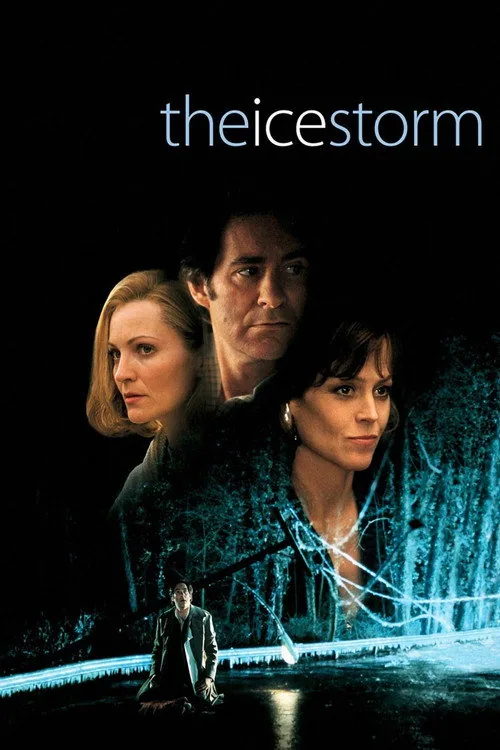
Over Thanksgiving weekend in 1973, two neighboring Connecticut families struggle with boredom, adultery, and the emotional distance between parents and children. Ben Hood's affair with Janey Carver unsettles both households, while the teenagers explore sex, substances, and their own uncertain ideas about adulthood. An approaching ice storm gives the weekend a fragile physical backdrop as family routines and private secrets begin to fail. Ang Lee's drama observes the Hoods and Carvers without easy judgment, capturing a period of social change through small, painful domestic moments.
The hidden portrait turns looking into both a professional task and an intimate negotiation over who controls the image.
Why this matches +
These films explore a related idea in a different setting, genre or style.
An adjacent discovery: a related idea with a different viewing experience.
Genres: Drama / Romance
Shared film traits
Based on recorded story, mood and style. Your preferences can change the order.
What changes Its own story: The hidden portrait turns looking into both a professional task and an intimate negotiation over who controls the image.
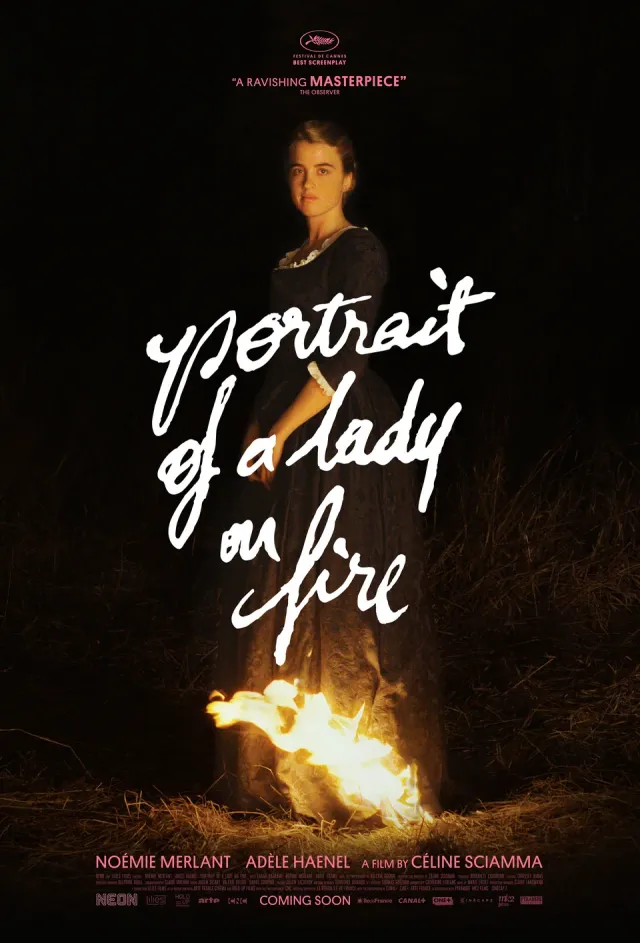
In late-eighteenth-century Brittany, painter Marianne is hired to make a portrait of Héloïse, a young woman whose arranged marriage depends on a painting she refuses to sit for. Marianne first observes her under the pretense of companionship, then paints from memory. When Héloïse agrees to pose, the two women develop an intimacy shaped by the short time before the marriage. Their relationship also includes the household’s young servant Sophie, whose pregnancy leads to a clandestine abortion. The portrait is completed, and Marianne and Héloïse separate, with a final later encounter preserving the force of their shared memory.
A present-day visit to a former colleague opens memories of the household and of the choices Stevens made in the name of service.
Why this matches +
These films explore a related idea in a different setting, genre or style.
An adjacent discovery: a related idea with a different viewing experience.
Genres: Drama
Shared film traits
Based on recorded story, mood and style. Your preferences can change the order.
What changes Its own story: A present-day visit to a former colleague opens memories of the household and of the choices Stevens made in the name of service.
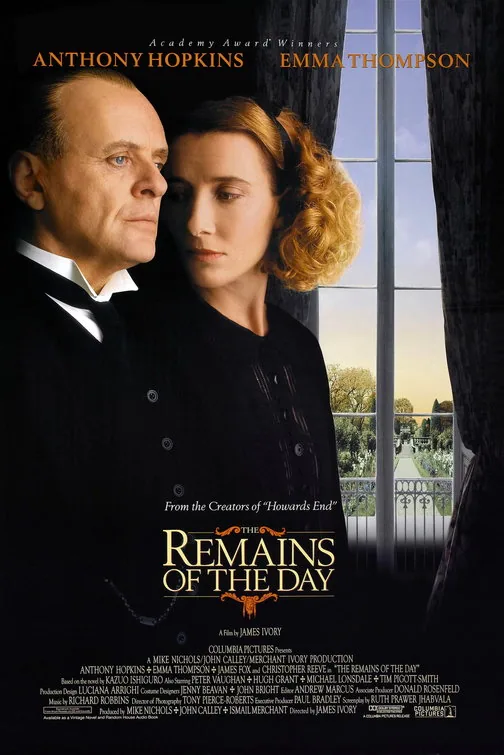
In postwar Britain, butler James Stevens drives across the West Country to visit Miss Kenton, the former housekeeper at Darlington Hall. Their journey is intercut with memories of the years they served Lord Darlington, a gentleman whose prewar political associations later stain his reputation. Stevens prides himself on emotional restraint and professional dignity, while Kenton challenges his loyalty to the household and invites him to acknowledge their personal attachment. He repeatedly subordinates private feeling to service, even as the political choices made at the estate reveal how professionalism can become complicity. The return trip gives Stevens time to reconsider what he has preserved and what he has lost. James Ivory's adaptation builds its drama from manners, omissions and the distance between public conduct and private regret.
Three separated stages of one life trace how protective habits form around experiences of shame, tenderness, violence and interrupted intimacy.
Why this matches +
These films explore a related idea in a different setting, genre or style.
An adjacent discovery: a related idea with a different viewing experience.
Genres: Drama / Coming-of-age
Shared film traits
Based on recorded story, mood and style. Your preferences can change the order.
What changes Its own story: Three separated stages of one life trace how protective habits form around experiences of shame, tenderness, violence and interrupted intimacy.
Across childhood, adolescence and adulthood, a quiet boy from Miami learns different ways to protect himself from bullying, instability at home and expectations of masculinity. A drug dealer and his partner offer care complicated by the economy harming his mother, while one friendship creates a vulnerable possibility of intimacy. The divisions between the three periods reveal how a hardened adult identity can preserve earlier wounds without extinguishing the desire to be known.
The renewed friendship draws Clare into Irene’s world and gradually unsettles the boundaries Irene depends on.
Why this matches +
These films explore a related idea in a different setting, genre or style.
An adjacent discovery: a related idea with a different viewing experience.
Genres: Drama
Shared film traits
Based on recorded story, mood and style. Your preferences can change the order.
Memory and identity
What changes Its own story: The renewed friendship draws Clare into Irene’s world and gradually unsettles the boundaries Irene depends on.
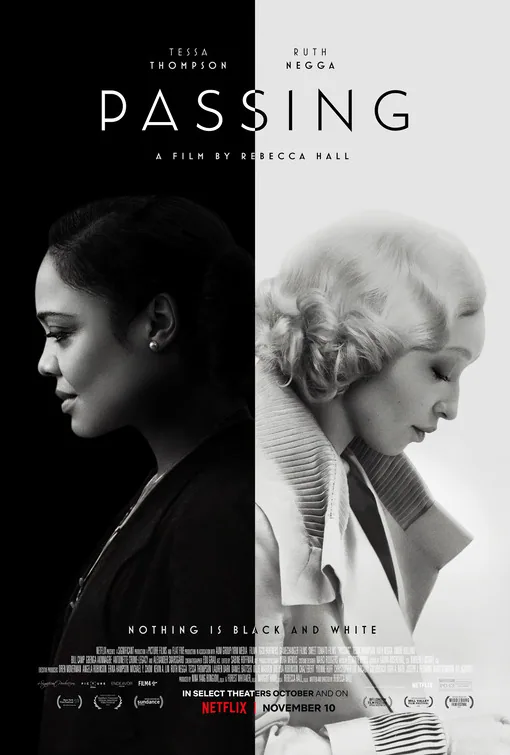
In 1920s New York, Irene Redfield encounters Clare Bellew, a childhood friend who has been living as white. Their renewed connection draws Clare back into Harlem society and into Irene’s household, while Irene becomes increasingly unsettled by Clare’s presence. Rebecca Hall’s adaptation follows the social codes, private desires and racial dangers that shape what each woman can reveal.
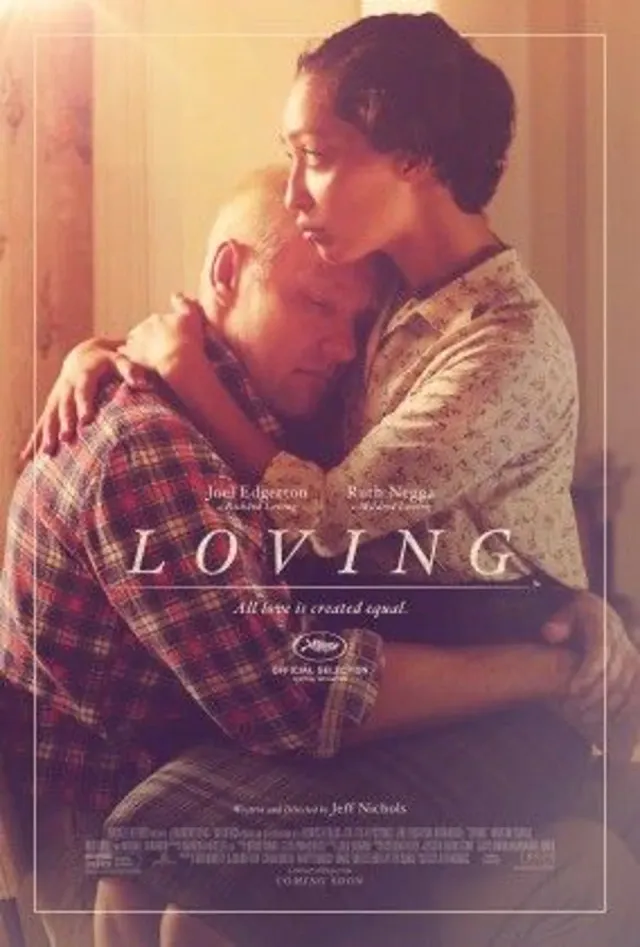
The Lovings seek the right to live together in Virginia, turning a personal marriage into a challenge to state law.
Why this matches +
These films explore a related idea in a different setting, genre or style.
An adjacent discovery: a related idea with a different viewing experience.
Genres: Biography / Drama
Shared film traits
Based on recorded story, mood and style. Your preferences can change the order.
What changes Its own story: The Lovings seek the right to live together in Virginia, turning a personal marriage into a challenge to state law.
Richard Loving, a white construction worker, and Mildred Jeter, a Black and Rappahannock woman, build a family in Virginia in the late 1950s. They marry in Washington, D.C., but their return home violates Virginia’s anti-miscegenation law. After arrest and exile, the couple challenges the restrictions that keep them from living together in their home state. Jeff Nichols centers the story on their private life and the legal campaign that becomes Loving v. Virginia.
A false accusation produced by limited observation and class assumptions creates a separation that later writing can revisit but cannot simply undo.
Why this matches +
These films explore a related idea in a different setting, genre or style.
An adjacent discovery: a related idea with a different viewing experience.
Genres: Drama / Romance
Shared film traits
Based on recorded story, mood and style. Your preferences can change the order.
What changes Its own story: A false accusation produced by limited observation and class assumptions creates a separation that later writing can revisit but cannot simply undo.
A young girl in an affluent English household misreads encounters between her older sister and the housekeeper's son, then gives testimony that converts private imagination into devastating institutional consequences. The separated couple's attempt to retain a future unfolds against prison, military service and wartime nursing. Later acts of narration revisit what can be known and repaired, exposing a gap between the consolations a story offers and the irreversible lives on which it depends.
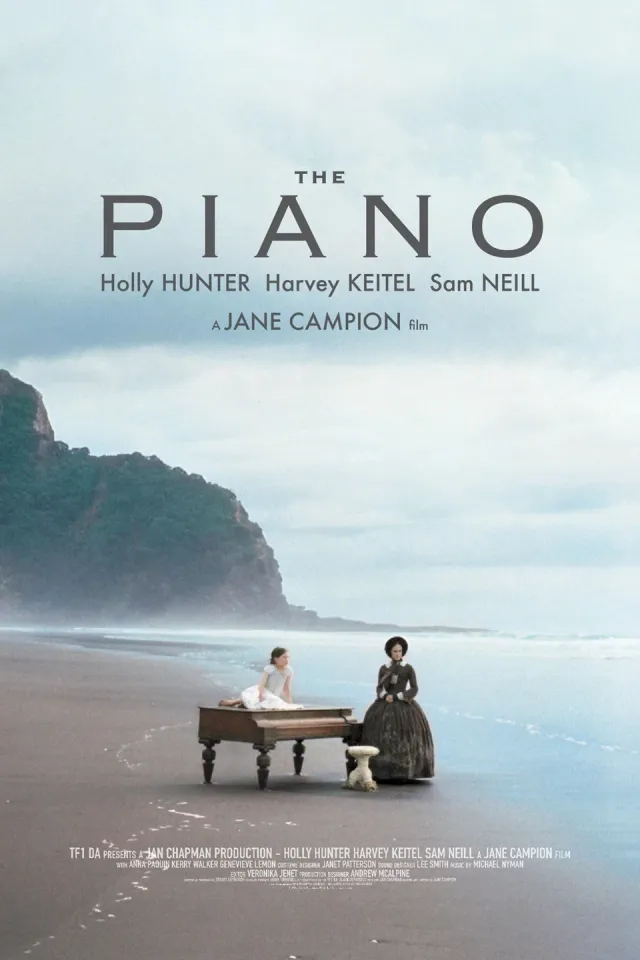
A piano left on the shore becomes the object of a bargain that draws Ada into a relationship outside her arranged marriage and intensifies her husband's control.
Why this matches +
These films explore a related idea in a different setting, genre or style.
An adjacent discovery: a related idea with a different viewing experience.
Genres: Drama / Romance
Shared film traits
Based on recorded story, mood and style. Your preferences can change the order.
What changes Its own story: A piano left on the shore becomes the object of a bargain that draws Ada into a relationship outside her arranged marriage and intensifies her husband's control.
Mute Scottish pianist Ada McGrath arrives in colonial New Zealand with her daughter Flora and her piano for an arranged marriage to settler Alisdair Stewart. When the piano is left on the beach, Ada persuades neighbor George Baines to retrieve it, and he makes a bargain: she can play it at his home if she gives him lessons. Their private meetings turn into an affair, while Alisdair's response to Ada's desire becomes increasingly controlling. Flora moves between interpreting for her mother and acting on loyalties of her own, changing the balance of power. Jane Campion's story links communication, erotic desire and colonial property, but the central woman's limited speech should not obscure the unequal conditions in which the men negotiate her choices.
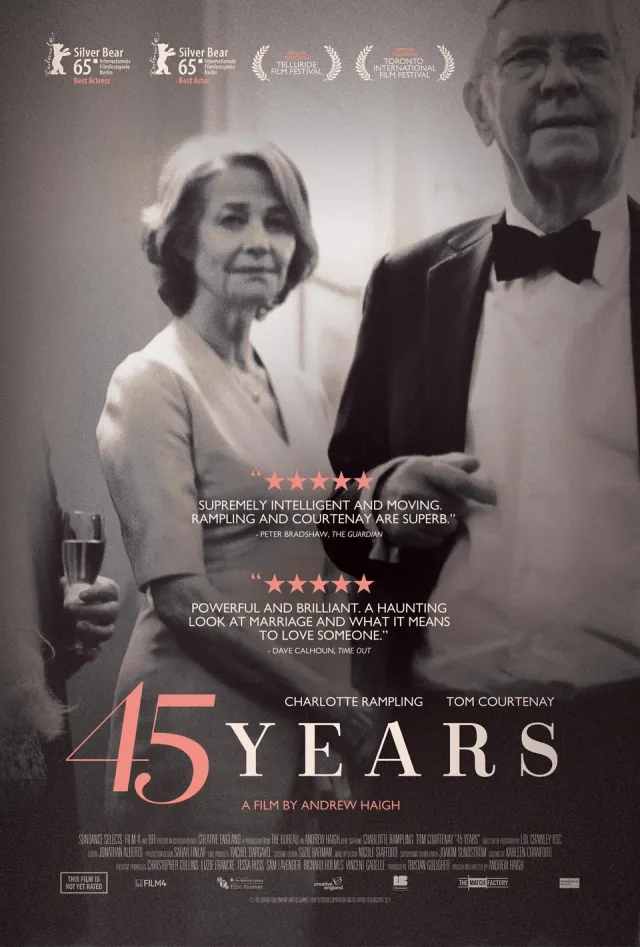
A letter about her husband's long-lost first love unsettles a wife as their anniversary approaches.
Why this matches +
These films explore a related idea in a different setting, genre or style.
An adjacent discovery: a related idea with a different viewing experience.
Genres: Drama / Romance
Shared film traits
Based on recorded story, mood and style. Your preferences can change the order.
Memory and identity
What changes Its own story: A letter about her husband's long-lost first love unsettles a wife as their anniversary approaches.
As Kate and Geoff prepare for their forty-fifth wedding anniversary, a letter arrives with news about the body of Geoff's first love, preserved in a Swiss glacier since her disappearance decades earlier. The discovery unsettles the couple's shared history and changes the emotional atmosphere of their preparations. Andrew Haigh's restrained drama follows how a long marriage responds when an old story returns with new force.
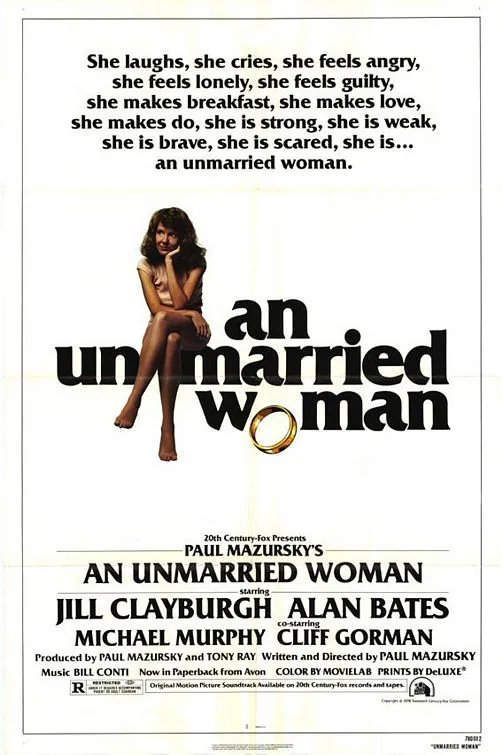
A sudden divorce forces Erica to test how much of her identity has depended on marriage.
Why this matches +
These films explore a related idea in a different setting, genre or style.
An adjacent discovery: a related idea with a different viewing experience.
Genres: Drama / Romance
Shared film traits
Based on recorded story, mood and style. Your preferences can change the order.
Memory and identity
What changes Its own story: A sudden divorce forces Erica to test how much of her identity has depended on marriage.
When her husband tells Manhattan gallery worker Erica Benton that he loves another woman and wants a divorce, Erica must rebuild a life that had seemed secure. She relies on her teenage daughter, close friends, and a therapist while adjusting to living alone and returning to dating. A relationship with artist Saul Kaplan opens new possibilities but also raises questions about independence, intimacy, and the expectations Erica has carried into middle age.
A concealed relationship becomes an escape operation when institutional exploitation threatens the life of a captive whose humanity is being denied.
Why this matches +
These films explore a related idea in a different setting, genre or style.
An adjacent discovery: a related idea with a different viewing experience.
Genres: Fantasy / Drama
Shared film traits
Based on recorded story, mood and style. Your preferences can change the order.
What changes Its own story: A concealed relationship becomes an escape operation when institutional exploitation threatens the life of a captive whose humanity is being denied.
A cleaner who communicates through sign language works in a secret Cold War laboratory where an amphibious being is imprisoned for study. Her repeated visits create a relationship outside the facility's language of strategic value and controlled experimentation. Learning that the creature will be killed, she recruits friends for a rescue, making affection inseparable from resistance to an authority that treats bodily and social difference as grounds for domination.
In 1950s Connecticut, a suburban wife discovers that her polished marriage conceals a truth her community is unwilling to accept, while she forms a connection that crosses the era’s racial boundaries. Her husband and their children also face the consequences of a rigid social order. The film uses period melodrama and carefully controlled style to examine desire, respectability and the limits imposed on private life.
What drives the story
A carefully ordered household reveals how social respectability can conceal pain and constrain honest connection.
The people at its centre
Cathy’s compassion cannot by itself dissolve the racial and sexual rules governing those around her.
What it feels like
Rich color and formal compositions invoke classic melodrama while giving its emotional exclusions sharp focus.
Worth knowing
Its stylized domestic drama differs from a contemporary realist treatment of marital change.
DesireConformityPrejudice
Mood
Restrained · Yearning · Sad
Pacing
Deliberate · Emotional escalation
Visual style
Meticulous 1950s melodrama
Storytelling
Suburban marriage · Social stigma · Forbidden connection