Based on recorded story, mood and style. Your preferences can change the order.
Memory and identity
What changes Passing: a chance meeting renews the women’s friendship, clare enters irene’s social world and and shifting loyalties raise the risks of exposure.. Nell: a time-limited assessment brings medical and legal and personal approaches into conflict.
After Violet Kellty dies in a secluded mountain cabin, physician Jerry Lovell finds her adult daughter Nell living in isolation and speaking a language that no one around her understands. Jerry brings in researcher Paula Olsen to help assess Nell, and their professional interest raises a question about whether she should be observed in a clinic or allowed to remain in the place she knows. The sheriff and others become involved as the limited time of a court order approaches. Jerry and Paula must separate scientific curiosity from Nell’s welfare while learning how she communicates and what kind of life she wants.
Based on recorded story, mood and style. Your preferences can change the order.
Memory and identity
What changes Passing: a chance meeting renews the women’s friendship, clare enters irene’s social world and and shifting loyalties raise the risks of exposure.. The Hours: interwoven timelines and emotional accumulation.
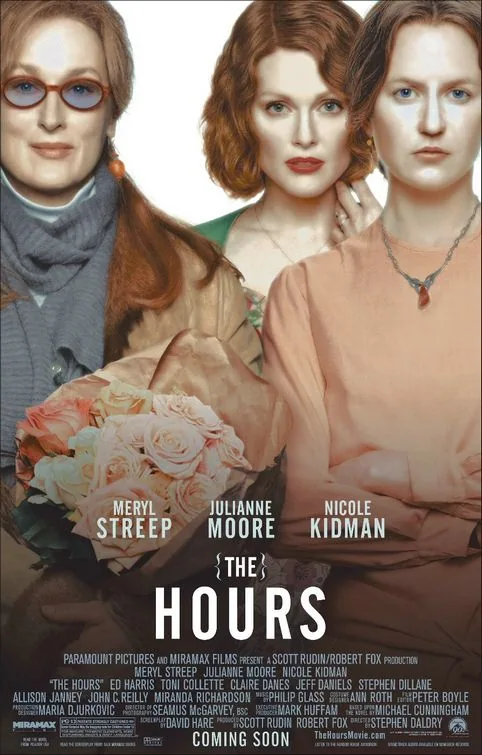
The film follows three women on separate days in different decades: Virginia Woolf in 1920s England, Laura Brown in 1950s Los Angeles and Clarissa Vaughan in contemporary New York. Virginia writes Mrs. Dalloway while struggling with illness and the restrictions of her life; Laura reads the novel as domestic dissatisfaction closes around her; Clarissa cares for Richard, a poet and former lover dying of AIDS. Editing and recurring gestures connect the women without making their experiences identical. The result is a literary drama about care, escape and the futures people imagine for themselves.
Based on recorded story, mood and style. Your preferences can change the order.
Social hierarchy · Romance and intimacy
What changes Passing: a chance meeting renews the women’s friendship, clare enters irene’s social world and and shifting loyalties raise the risks of exposure.. Tess: measured, seasonal progression, character-led and tragic culmination.
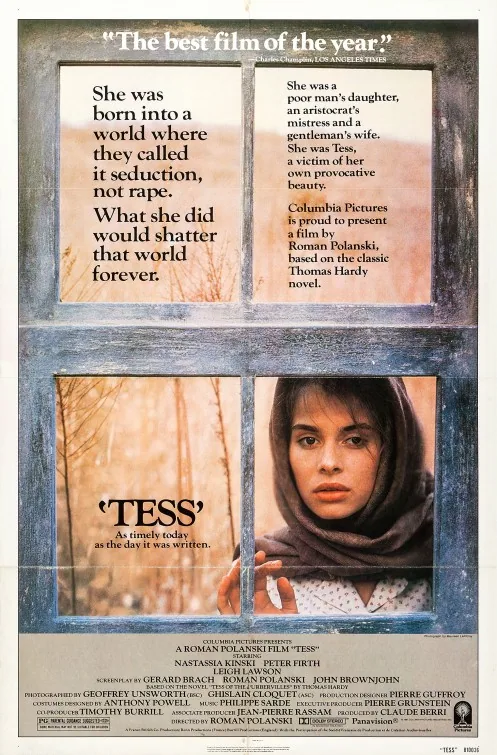
In rural Wessex in the 1880s, Tess Durbeyfield is sent by her poor family to seek help from wealthy people who share their supposed ancestral name. Her encounter with Alec d’Urberville brings unwanted attention and a lasting rupture in her prospects. Tess later finds work as a dairymaid, falls in love with Angel Clare, and hopes that honesty can give them a future together. Class prejudice, family need, and the double standards governing women continue to shape her choices, turning the pastoral landscape into the setting for an increasingly tragic struggle over dignity and self-determination.
Based on recorded story, mood and style. Your preferences can change the order.
Social hierarchy
What changes Passing: a chance meeting renews the women’s friendship, clare enters irene’s social world and and shifting loyalties raise the risks of exposure.. The Magdalene Sisters: daily routines and punishments and escape attempts reveal how the institution maintains control over its inmates.
In 1960s Ireland, Margaret, Bernadette, Rose and Crispina are sent by family or caretakers to a Magdalene laundry, where religious authorities claim to reform women considered sinful. Their work is exhausting, their freedom is restricted and the women face humiliation and abuse from the institution’s leadership. The film follows their attempts to endure the daily regime and preserve relationships with one another, while the asylum’s religious language masks a system that benefits from their labor and keeps them isolated from the outside world.
Based on recorded story, mood and style. Your preferences can change the order.
What changes Passing: a chance meeting renews the women’s friendship, clare enters irene’s social world and and shifting loyalties raise the risks of exposure.. Never Rarely Sometimes Always: quiet observational scenes, day-by-day appointment structure, deliberate pauses and low-key emotional turning points.
Seventeen-year-old Autumn discovers she is pregnant and learns that her rural Pennsylvania clinic will not provide the care she wants without parental consent. She travels to New York City with her cousin Skylar, where the two navigate appointments, transport, money, and the strain of keeping their trip private. Eliza Hittman’s restrained drama follows their practical decisions and quiet moments of support, giving close attention to the obstacles Autumn faces and the trust that sustains the cousins through an unfamiliar city.
Based on recorded story, mood and style. Your preferences can change the order.
Memory and identity
What changes Passing: a chance meeting renews the women’s friendship, clare enters irene’s social world and and shifting loyalties raise the risks of exposure.. May December: patient and quietly cumulative.
Actor Elizabeth travels to Georgia to research Gracie, a woman whose relationship with teenage Joe once drew national attention and scandal. As Elizabeth observes the family and prepares to portray Gracie, the visit unsettles the couple’s routines and exposes how each person has learned to perform a version of the past. The drama examines looking, reenactment and power, letting quiet social encounters carry the tension of an unresolved history.
Based on recorded story, mood and style. Your preferences can change the order.
Memory and identity · Social hierarchy
What changes Passing: a chance meeting renews the women’s friendship, clare enters irene’s social world and and shifting loyalties raise the risks of exposure.. The Dead: ensemble dinner-party structure, conversations and performances and intimate late revelation.
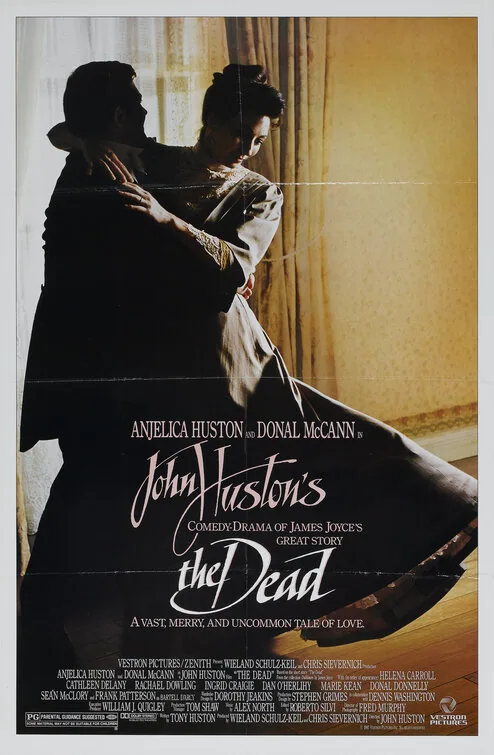
At an annual Epiphany gathering in Dublin in 1904, the Morkan sisters welcome relatives, friends and music students for a dinner party. Gabriel Conroy arrives with his wife Gretta, expecting a familiar evening of speeches, dancing and conversation. The party’s rituals reveal old grievances, class differences, generational change and the guests’ memories of Ireland. Gabriel’s prepared remarks expose his anxieties about belonging and cultural change, but the evening’s most intimate shift occurs later, when Gretta recalls a young man she once loved. Her memory unsettles Gabriel’s sense of their marriage and brings him to a quieter recognition of the lives and losses beyond his own. John Huston adapts James Joyce’s story as a contained, winter-lit drama of social ceremony and private revelation.
Based on recorded story, mood and style. Your preferences can change the order.
Memory and identity · Social hierarchy
What changes Passing: a chance meeting renews the women’s friendship, clare enters irene’s social world and and shifting loyalties raise the risks of exposure.. The Wife: character-led, past and present interwoven and emotional revelation.
Joan Castleman accompanies her husband, celebrated novelist Joe, to Stockholm after he receives the Nobel Prize in Literature. The ceremonies bring their adult son and an intrusive biographer into the couple’s orbit, while Joan’s frustration with the public story of Joe’s success grows. Flashbacks to their early relationship as student and professor reveal the compromises that shaped their marriage and creative partnership, raising questions about recognition, authorship, and a life spent in another person’s shadow.
Based on recorded story, mood and style. Your preferences can change the order.
Memory and identity
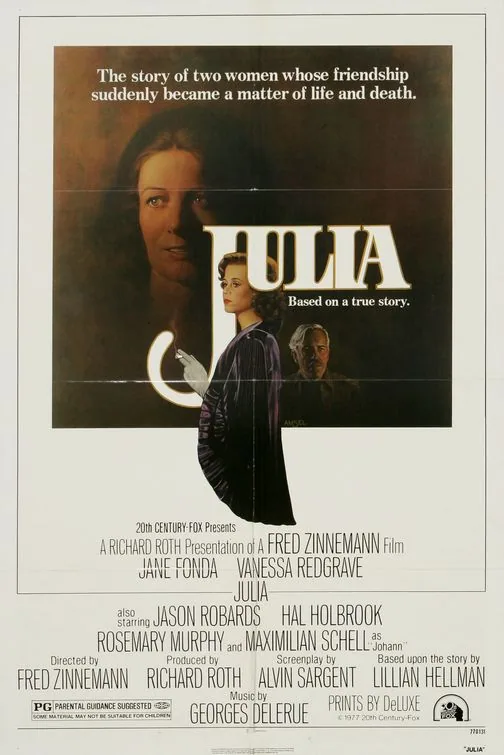
What changes Passing: a chance meeting renews the women’s friendship, clare enters irene’s social world and and shifting loyalties raise the risks of exposure.. Julia: nonlinear and measured.
Playwright Lillian Hellman recalls her close friend Julia, whose anti-fascist work takes her into danger in Europe. In the film, Julia asks Hellman to carry money through Nazi Germany, a mission performed with limited information and little control over its outcome. Hellman’s earlier dependence on the older friend gives the journey emotional weight, but the brief reunion cannot restore their former intimacy or verify what became of Julia. The story is adapted from Hellman’s memoir Pentimento, whose account was challenged after publication; Muriel Gardiner said she recognized her own life in Julia, while Hellman denied that identification. The film’s elegant suspense therefore sits inside an unresolved question of memory and source identity, not a fully verified biography of a resistance courier.
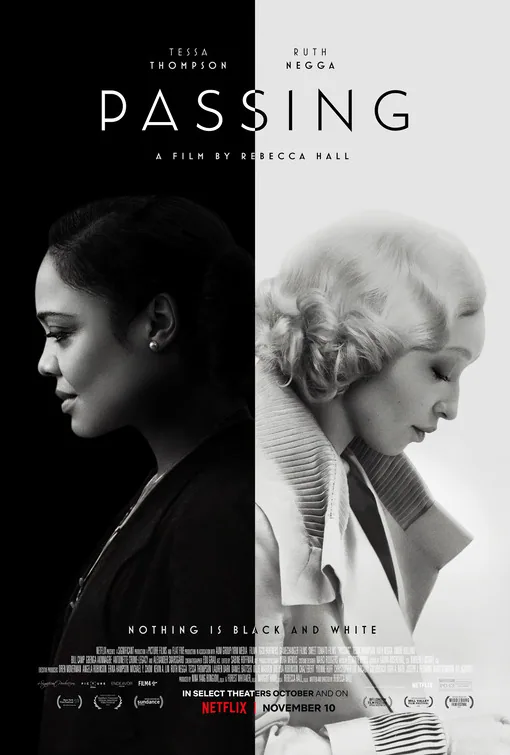
In 1920s New York, Irene Redfield encounters Clare Bellew, a childhood friend who has been living as white. Their renewed connection draws Clare back into Harlem society and into Irene’s household, while Irene becomes increasingly unsettled by Clare’s presence. Rebecca Hall’s adaptation follows the social codes, private desires and racial dangers that shape what each woman can reveal.
What drives the story
The renewed friendship draws Clare into Irene’s world and gradually unsettles the boundaries Irene depends on.
The people at its centre
Irene’s need for order meets Clare’s appetite for connection and reinvention, while husbands and friends alter the balance between them.
What it feels like
Meaning accumulates through glances, pauses and guarded conversations, keeping the audience close to Irene’s uncertain interpretation.
Worth knowing
It is for viewers who want a quietly controlled identity drama about intimacy and racial hierarchy, rather than a plot-driven historical thriller.
racial identitybelongingconcealment
Mood
restrained · tense · elegant · ambiguous
Pacing
A chance meeting renews the women’s friendship · Clare enters Irene’s social world · and shifting loyalties raise the risks of exposure.
Visual style
High-contrast black-and-white photography · formal compositions and enclosed interiors make social observation part of the drama.
Storytelling
period character drama · intimate friendship · racial passing · social performance · adaptation of a novel